The Australian Shepherd Against a Shetland Sheepdog
It's incredibly easy to look at an Australian Shepherd and a Shetland Sheepdog and think, "Oh, they're both fluffy, herding dogs, probably pretty similar, right?" This assumption often leads to a real shock for new owners who find themselves overwhelmed by a dog whose needs don't quite align with what they expected. This guide is here to unravel the distinct personalities, care requirements, and lifestyles that define these two wonderful, yet very different, herding breeds, helping you understand which one might truly be the best fit for your home and heart.
More Than Just Size: Unpacking the Core Differences Between Aussies and Shelties
While both Australian Shepherds and Shetland Sheepdogs share a common ancestry rooted in herding, their evolutionary paths and breed development have sculpted two distinct canine companions. It's not just about a few pounds or inches; it's about fundamental differences in their drive, their approach to the world, and how they express themselves in a family environment. Many people mistakenly think of a Sheltie as simply a "mini Aussie," but that couldn't be further from the truth. They are entirely separate breeds, each with their own unique history and characteristics.
The True Origins: Beyond the Name Game
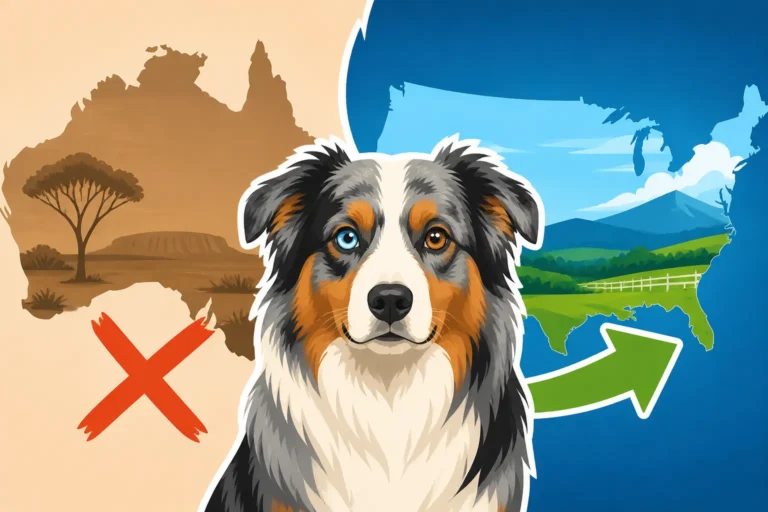
Let's clear up a common misconception right away: the Australian Shepherd isn't actually from Australia, despite its name! Its roots are firmly planted in the American West, developed by Basque shepherds in the United States, particularly in California and other western states, to work diverse livestock in challenging conditions. The name likely arose from the Pyrenean sheepdogs they brought over, which had sometimes stopped in Australia on their way to America. The Australian Shepherd was bred for tough, all-day work, needing intelligence, agility, and a strong protective instinct for its flock. Their history is one of rugged ranch life, where their independence and problem-solving skills were paramount. You can learn more about this fascinating history in Why the Australian Shepherd Is Not From Australia.
The Shetland Sheepdog, on the other hand, hails from the remote and rugged Shetland Islands of Scotland. Just like the famous Shetland ponies and sheep, they were bred to be small, hardy, and economical to feed, yet capable of effectively herding the tiny, agile sheep on the sparse, treeless terrain. Their smaller stature meant they could work alongside shepherds without needing vast amounts of food, a practical consideration on an island with limited resources. They also served as vigilant watchdogs, alerting their human companions to intruders or approaching boats. This dual role of herder and guardian, combined with their close living arrangements with families, shaped them into the highly intelligent, sensitive, and often vocal dogs we know today.
Physicality and Presence: A Tale of Two Silhouettes
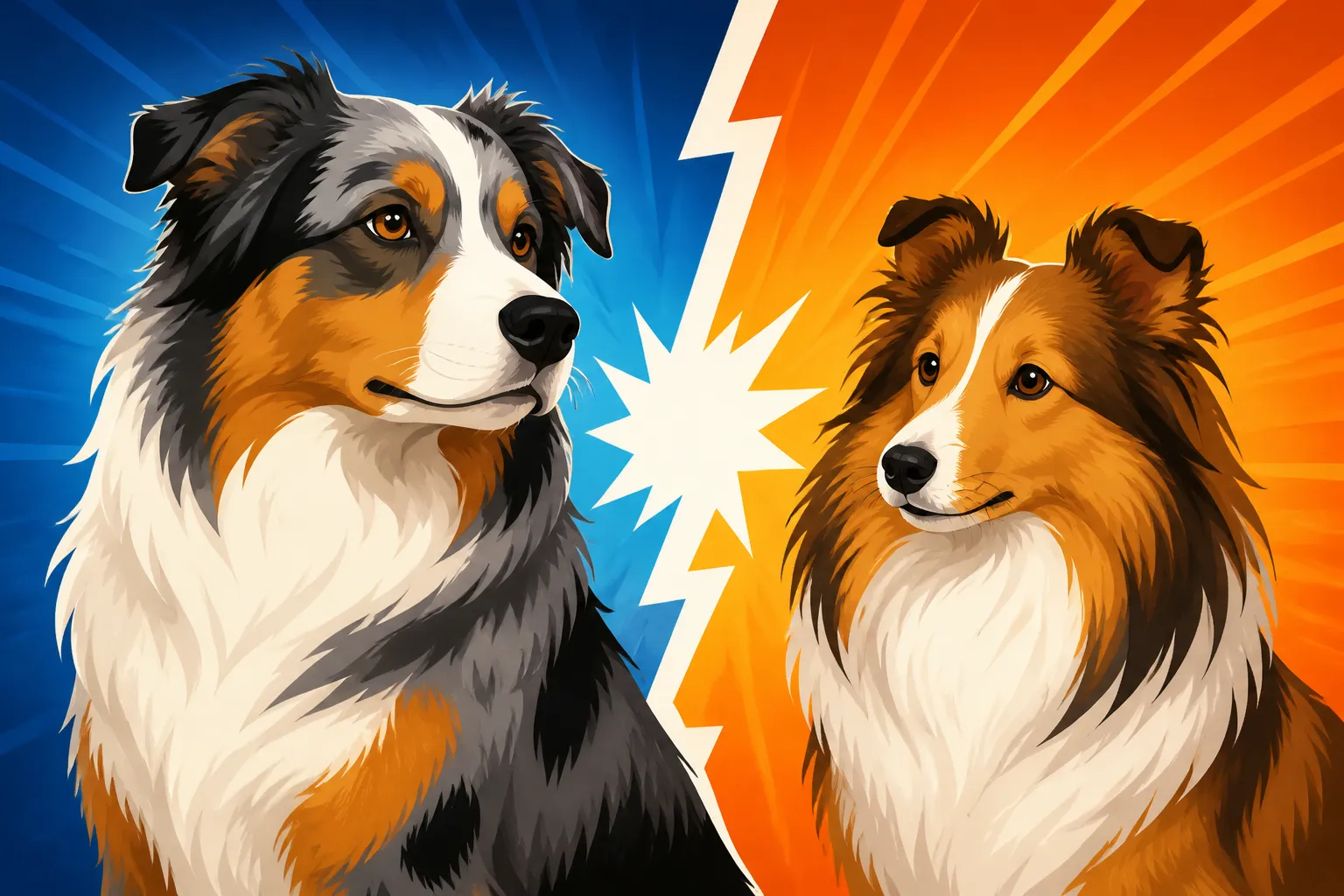
When you see an Australian Shepherd standing next to a Shetland Sheepdog, the size difference is immediately apparent. An Australian Shepherd is a medium-sized dog, generally standing 18-23 inches at the shoulder and weighing between 40-65 pounds. They possess a powerful, athletic build, designed for endurance and agility in the field. Their coats are typically medium length, straight to wavy, and famously come in stunning merle patterns (blue merle, red merle), black, and red, all with or without white and copper trim. Their eyes can be brown, blue, amber, or any combination, often captivatingly mismatched. They carry themselves with an air of confidence and readiness, always looking like they're assessing their surroundings and waiting for their next instruction.
The Shetland Sheepdog is a much smaller, more refined dog, often described as a miniature Collie. They typically stand 13-16 inches at the shoulder and weigh around 15-25 pounds. Despite their smaller frame, they are surprisingly sturdy and agile. Their luxurious double coat is long and abundant, especially around the mane, ruff, and feathering on their legs and tail. Shelties come in sable (ranging from golden to mahogany), tricolor (black, white, and tan), blue merle, and bi-black (black and white). Like Aussies, their eyes can vary, but dark eyes are generally preferred in the show ring, though blue merles can have blue or marbled eyes. They have a delicate, elegant appearance, often with a sweet and intelligent expression. Their overall look is one of grace combined with an inherent alertness.
Temperament and Drive: How Their Herding Roots Shape Daily Life
Here's where the real divergence between these two breeds becomes clear. Both are herding dogs, yes, but their approach to herding, their energy output, and their general demeanor within a family setting are profoundly different. Understanding these nuances is crucial for any potential owner. Ignoring them can lead to frustration for both dog and human.
The Aussie's Intense Focus and Working Ethic
The Australian Shepherd possesses an undeniable, intense herding drive. They were bred to gather and control large flocks of sheep and cattle, often independently and over vast distances. This means they are highly intelligent, quick-thinking, and possess a strong desire to have a "job" to do. If left without direction, they will find their own job, which often involves herding children, other pets, or even inanimate objects around the house. This can manifest as nipping at heels, circling, or persistent nudging. It's not malicious; it's simply their instinct playing out. Their focus can be almost laser-like, especially when engaged in an activity. My own Aussie, Buster, would ignore everything else in the park once his frisbee was out. It's both impressive and something you need to be ready for. This strong drive means The Australian Shepherd Herding Drive You Cannot Train Out is a fact of life for these dogs.
Aussies are incredibly loyal to their family, often forming a strong bond with one primary person. They can be reserved or even aloof with strangers, taking their time to assess new people and situations. This isn't shyness; it's a protective instinct born from their working heritage. They thrive on mental stimulation as much as physical exercise. A bored Aussie is often a destructive Aussie. They're thinkers, problem-solvers, and they want to be involved in everything you do. Their energy level, combined with their intelligence, can be a delightful challenge for experienced owners, but truly overwhelming for someone who isn't prepared.
The Sheltie's Gentle Alertness and Sensitivity
Shetland Sheepdogs, while also herding dogs, tend to have a gentler, more "gathering" style of herding. They were historically used to move smaller, more compliant sheep and to act as watchdogs. This has resulted in a breed that is incredibly intelligent, eager to please, and highly sensitive. Unlike the Aussie's often direct approach, a Sheltie might use a softer presence and more vocal cues to manage a flock (or, more commonly, their human family). They are known for their sweet, affectionate nature with their families, often becoming deeply devoted companions. They tend to be more openly demonstrative of their affection than many Aussies.
However, their watchdog instincts mean Shelties are often more vocal than Aussies. They are quick to bark at anything perceived as unusual – a leaf blowing across the yard, a squirrel, a stranger walking past the window. This can be a major point of contention for owners, especially those living in apartments or close quarters. While they are usually gentle with children, their sensitive nature means they prefer a calm and predictable environment. They can be prone to shyness or timidity if not properly socialized from a young age, and can be overwhelmed by boisterous play. Shelties are smart and highly trainable, excelling in obedience and agility, but their sensitivity means they respond best to positive reinforcement and gentle handling. They want to please and thrive on praise and connection with their people.
Comparing Their Vocal Tendencies
This is an area where these two breeds often differ significantly, and it’s a critical point for potential owners to consider, especially if you live in an apartment or have close neighbors.
Australian Shepherds: While Aussies can certainly be vocal, especially when excited, bored, or trying to alert you to something, they aren't generally known as excessive barkers compared to some other breeds. Their barks are often purposeful – a warning bark at a stranger, a demand bark for a ball, or an excited bark during play. However, they can develop nuisance barking if their needs for exercise and mental stimulation aren't met. A bored Aussie might bark out of frustration, or they might develop reactivity to external stimuli, leading to more barking. Issues like Australian Shepherd Barking and Noise Sensitivity can definitely arise if they're not properly managed and socialized.
Shetland Sheepdogs: Shelties are renowned for being quite vocal. Their history as vigilant watchdogs on the Shetland Islands means they are hardwired to alert their families to anything out of the ordinary. This translates to frequent barking at passing people, other dogs, delivery trucks, falling leaves, or even just changes in the wind. Their barks tend to be higher-pitched and more persistent. While their barking isn't necessarily aggressive, it can be a constant source of noise. For a Sheltie, barking is often their primary way of communicating and expressing themselves. It's a fundamental part of their breed character, and while it can be managed with consistent training, it's something that prospective owners absolutely must be prepared for. This characteristic isn't easily trained out, and you should assume a Sheltie will be a barker.
Living with Each Breed: Exercise, Grooming, and What to Expect at Home
Beyond their inherent temperaments, the practicalities of daily life with an Australian Shepherd versus a Shetland Sheepdog present distinct challenges and joys. From the amount of exercise they need to the effort required to keep their coats pristine, these everyday aspects greatly influence the suitability of each breed for different households.
Exercise Needs: From Marathon to Sprint
This is perhaps the most significant difference that often catches prospective owners off guard. Both breeds are active, but their type and duration of exercise vary wildly.
Australian Shepherds: These dogs are athletes. They need substantial physical exercise – we're talking typically Australian Shepherd Exercise at One to Two Hours a Day minimum, often more for younger dogs or those from working lines. This isn't just a leisurely stroll around the block; it's vigorous activity like running, hiking, fetching, or engaging in dog sports. But here's the kicker: physical exercise alone isn't enough. An Aussie also needs significant mental stimulation. Puzzle toys, training sessions, trick training, or dog sports like agility, obedience, flyball, or herding are essential to tire out their active minds. A physically exhausted but mentally bored Aussie will still find ways to entertain itself, usually in ways you won't appreciate, like destructive chewing or incessant problem-solving around your house. They truly thrive when they have a "job," even if that job is just being your hiking partner or excelling in agility.
Shetland Sheepdogs: Shelties are active little dogs, but their exercise needs are considerably less demanding than an Aussie's. They still need daily walks and opportunities to run and play, but an hour of moderate exercise, broken into a couple of sessions, is usually sufficient. They enjoy games of fetch in the yard, exploring new smells on a walk, and playing with their family. Like Aussies, they are highly intelligent and do need mental stimulation to prevent boredom, but perhaps not to the same intense degree. Obedience training, puzzle toys, and learning new tricks are great for their minds. They are excellent candidates for dog sports like agility, rally, and obedience, often excelling due to their eagerness to please and quick learning abilities. While they can keep up on a hike, they're not built for the same endurance as an Australian Shepherd. Think of them as enthusiastic sprinters rather than long-distance runners.
Grooming Requirements: Managing the Double Coat
Both breeds sport beautiful double coats that require regular attention. However, the sheer volume and type of coat differ, leading to varying grooming commitments.
Australian Shepherds: Aussies have a medium-length double coat that sheds quite a bit, especially during their twice-yearly "coat blows." Regular brushing, ideally 2-3 times a week, is crucial to prevent mats, remove loose hair, and distribute natural oils. During coat blow seasons, daily brushing is often necessary. A good undercoat rake is your best friend to get down to the dense undercoat and remove dead hair. Ignoring their coat can lead to painful matting, especially behind the ears, in the armpits, and on their "trousers" (the feathering on their hind legs). The Rake That Reaches an Aussie Undercoat is an essential tool for any Aussie owner. Regular baths are also necessary, especially if they are active outdoors, but ensure they are thoroughly dried to prevent skin issues. Products from places like Chewy can be a lifesaver for managing all that fur.
Shetland Sheepdogs: Shelties are famous for their stunning, long, luxurious double coats. This beauty comes with a price: significant grooming. They require daily or every-other-day brushing to prevent mats, especially in the long ruff, behind the ears, under the legs, and on their feathering. Their finer hair tends to mat more easily than an Aussie's coarser coat. Like Aussies, they experience seasonal shedding, which will require even more frequent brushing. Regular bathing is also important, ensuring their thick coat is completely dry to the skin. The sheer volume of hair means grooming sessions can be longer. Many Sheltie owners invest in professional grooming or learn extensive home grooming techniques to keep their dogs looking their best.
Here's a quick comparison of their basic needs:
| Feature | Australian Shepherd | Shetland Sheepdog |
|---|---|---|
| Size | Medium (40-65 lbs, 18-23 in) | Small (15-25 lbs, 13-16 in) |
| Energy Level | Very High: Needs intense physical & mental work | High: Needs regular exercise & mental engagement |
| Herding Style | Strong, independent, gathers & controls large stock | Gentle, "gathering," watchful, alert |
| Vocalization | Moderate, purposeful barks; can be managed | High, frequent, alert barking; breed trait |
| Grooming | Moderate-high: 2-3x/week, daily during coat blow | High: Daily or every-other-day brushing |
| Stranger Wary | Reserved, assesses new people | Can be shy/timid if not socialized |
| Trainability | Extremely intelligent, quick learner, problem solver | Highly intelligent, eager to please, sensitive |
Health Considerations: Looking After Their Well-being
Both breeds are generally robust, but like all purebred dogs, they are prone to certain genetic health conditions. Understanding these can help you prepare and work with a responsible breeder.
Australian Shepherds: Aussies can be prone to hip and elbow dysplasia, eye conditions such as Collie Eye Anomaly (CEA), hereditary cataracts, and progressive retinal atrophy. Another significant health concern is the MDR1 gene mutation, which makes them sensitive to certain common medications. A responsible breeder will have genetic testing done for these conditions. Australian Shepherd Hip Dysplasia and Working Joints is a common concern that diligent breeders screen for. The Genetic Panel Every Australian Shepherd Needs should be a non-negotiable part of purchasing a puppy. Early detection and responsible breeding practices are key to minimizing these risks.
Shetland Sheepdogs: Shelties are also susceptible to hip dysplasia and several eye conditions, including Collie Eye Anomaly (CEA), Progressive Retinal Atrophy (PRA), and hereditary cataracts. They can also be prone to von Willebrand's Disease (a bleeding disorder) and thyroid disease. Like Aussies, responsible breeders will screen their breeding stock for these known genetic issues. Their fine bone structure and agility make them generally hardy, but awareness of these conditions is important.
Always prioritize finding a breeder who performs all recommended health clearances for their breeding dogs. You can find excellent resources on Chewy and other pet supply sites for specialized diets or supplements recommended by your vet for either breed if these conditions arise.
Who's the Right Fit? Deciding Between an Australian Shepherd and a Shetland Sheepdog
Making the right choice between an Australian Shepherd and a Shetland Sheepdog really boils down to an honest assessment of your lifestyle, your experience with dogs, and what you're genuinely able to offer a canine companion for the next decade or more. Both are incredible dogs, but they thrive in very different environments and with different levels of engagement from their human families.
The Aussie Owner: An Active, Engaged Partner
If you're considering an Australian Shepherd, you need to be an active, hands-on individual or family ready to integrate your dog into nearly every aspect of your life. This isn't a dog that will be content with a walk around the block and then left to its own devices for eight hours a day. An Aussie needs a job, whether that's intense training for dog sports, daily long hikes, or consistently engaging in mentally stimulating activities. They thrive with owners who are experienced with dog training, particularly with managing strong herding instincts and channeling high energy. They are often best suited for homes with securely fenced yards where they can run and play safely, though some city dwellers make it work with extraordinary dedication to daily exercise routines, trips to dog parks, and mental enrichment.
The ideal Australian Shepherd owner embraces training as an ongoing journey, understands canine body language, and is committed to providing consistent leadership and mental challenges. They are a fantastic choice for those interested in dog sports, farm work, or simply having a highly intelligent, intensely loyal, and athletic companion for outdoor adventures. Be prepared for a dog that will challenge you, push your boundaries, and reward you with unparalleled devotion and a mischievous spark in its eyes. If you can't commit to the significant time and energy investment, an Aussie will likely become frustrated and develop undesirable behaviors out of boredom. For more on their innate character, check out Australian Shepherd Temperament and Working Character.
The Sheltie Owner: A Gentle, Consistent Companion
The Shetland Sheepdog, while still active and intelligent, is often a better fit for individuals or families looking for a slightly less demanding exercise regimen but who are still dedicated to mental enrichment and consistent training. They can adapt well to various living situations, including apartments, provided their barking tendencies are managed and they receive their daily walks and playtime. Shelties flourish with owners who appreciate their sensitive nature, providing a calm, predictable home environment where they feel secure. They are often excellent with respectful children and can be wonderful family dogs.
The ideal Sheltie owner is patient, gentle, and committed to positive reinforcement training. They understand that a Sheltie's vocal nature is part of its charm (or challenge!) and are prepared to work on managing it. They will enjoy engaging their Sheltie's bright mind with obedience, rally, or agility, but don't need the same level of intense physical exertion as an Aussie. Shelties are a fantastic choice for those who want a devoted, intelligent, and affectionate companion who enjoys being close to their family and participating in daily life, perhaps without the same high-octane drive of their larger herding cousins. If you're looking for a dog that's a bit more "portable" and equally brainy, but with a slightly softer edge, the Sheltie might be your perfect match.
In conclusion, both the Australian Shepherd and the Shetland Sheepdog are incredible, intelligent, and loyal companions. However, their differences in size, temperament, and exercise needs mean they will thrive in very different homes. Be honest with yourself about the time, energy, and resources you can commit. By understanding what truly makes each breed tick, you can make an informed decision that leads to a fulfilling life for both you and your future canine friend.
Disclaimer
This article is for general informational purposes only and does not constitute professional advice. Laws, prices and regulations vary by location and change over time. Consult a qualified professional for guidance on your specific situation.