Australian Shepherd Crosses and What They Inherit
It's completely understandable to be curious about Australian Shepherd crosses. Many people adore the Aussie's intelligence, striking looks, and boundless energy, but they might wonder if mixing it with another breed could temper certain traits or introduce new, desirable qualities. The truth is, when you cross two different breeds, you're entering a fascinating but often unpredictable world of genetics, where the inheritance of traits is far from a simple equation. This guide will walk you through what to expect when an Australian Shepherd's unique genetics blend with another breed, exploring the exciting possibilities and the challenging unknowns that come with any mixed-breed dog.
Why Australian Shepherd Crosses Are So Common
The Australian Shepherd's rise in popularity has naturally led to more mixed breeds featuring their genetics. People are drawn to their vivid merle coats, their piercing blue or bi-colored eyes, and that intense, intelligent gaze. Beyond the aesthetics, Aussies are renowned for their incredible trainability and loyalty. However, they also come with a significant package of needs: high exercise requirements, intense herding instincts, and a deep need for mental stimulation. Sometimes, people seek a mix hoping to get some of these desirable traits while mitigating others, or simply because they've fallen for a charming mixed-breed puppy.
The Desire for a "Best of Both Worlds" Dog
Many prospective owners look at an Australian Shepherd cross with the idea of creating a dog that embodies the best qualities of both parent breeds. Perhaps they want the intelligence of an Aussie but with a slightly calmer demeanor, or the beautiful coat patterns without the full intensity of the herding drive. For example, a person might think an Aussie-Golden Retriever mix would be less prone to The Australian Shepherd Herding Drive You Cannot Train Out but still have that strong bond with their family. The hope is often to create a more "manageable" version of a purebred Aussie, or to combine specific temperaments and looks that appeal to them. It’s a lovely thought, and sometimes, it works out beautifully. However, genetics are rarely so obliging, and what you get is often a blend where dominant and recessive traits from both sides randomly assert themselves.
Unplanned Litters and Designer Dogs
Australian Shepherd crosses don't always come from a deliberate "designer dog" pairing. Sometimes, they are the result of accidental litters, particularly when unfixed dogs of different breeds interact. On the other hand, there's a growing trend of intentionally breeding "designer" mixes, like the "Aussie Doodle" (Australian Shepherd x Poodle) or the "Aussie-Collie" (Australian Shepherd x Border Collie). Breeders of these mixes often aim to market specific qualities, such as the Poodle's hypoallergenic coat combined with the Aussie's intelligence, or the incredible agility of two top-tier herding breeds. While these pairings can produce wonderful dogs, it's crucial to remember that responsible breeding practices, including health testing and temperament assessment of both parent breeds, are just as vital for mixes as for purebreds. Without careful consideration, you could end up with a dog that inherits the health predispositions and behavioral challenges of both breeds.
Predicting Traits in an Australian Shepherd Mix
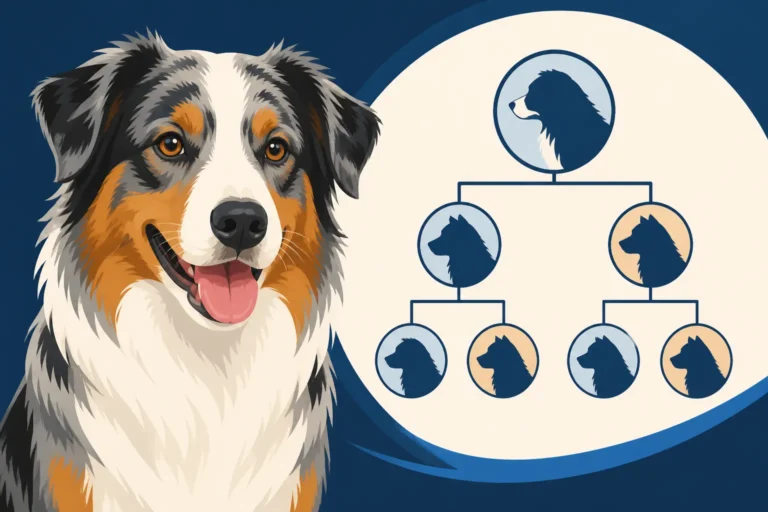
Trying to predict what an Australian Shepherd mix will inherit is a bit like rolling a pair of dice; you know the possibilities, but the exact outcome is always a surprise. You might get a perfect blend, or you might find one parent's traits are heavily dominant. It's truly a genetic lottery, and understanding how different characteristics can manifest is key to being prepared.
The Genetic Lottery of Appearance
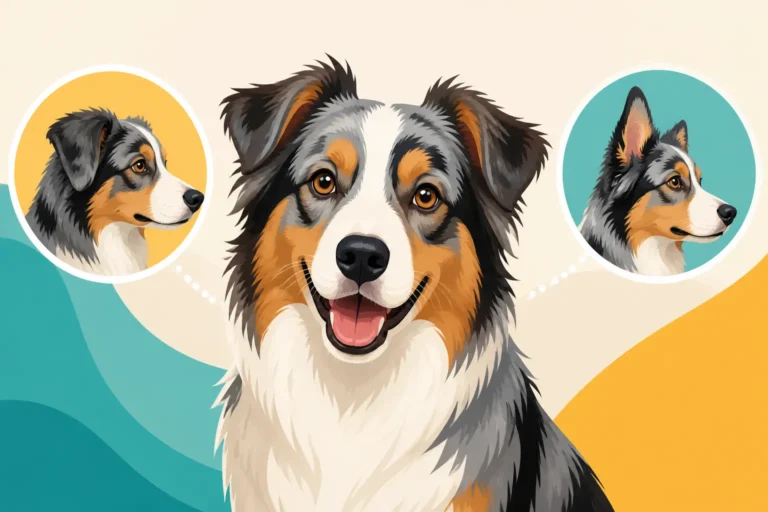
When it comes to looks, an Aussie mix can be a stunning combination. Will your dog have the striking merle coat of an Australian Shepherd, or the solid color of its other parent? It depends on which genes are dominant. The merle gene, for instance, is dominant, meaning if one parent carries it and passes it on, the puppy will likely display merle patterning, though the intensity and distribution can vary greatly. This is why you often see merle in Aussie mixes. Similarly, blue eyes are common in Aussies, and this trait can sometimes carry over, resulting in stunning parti-colored eyes or one blue and one brown eye.
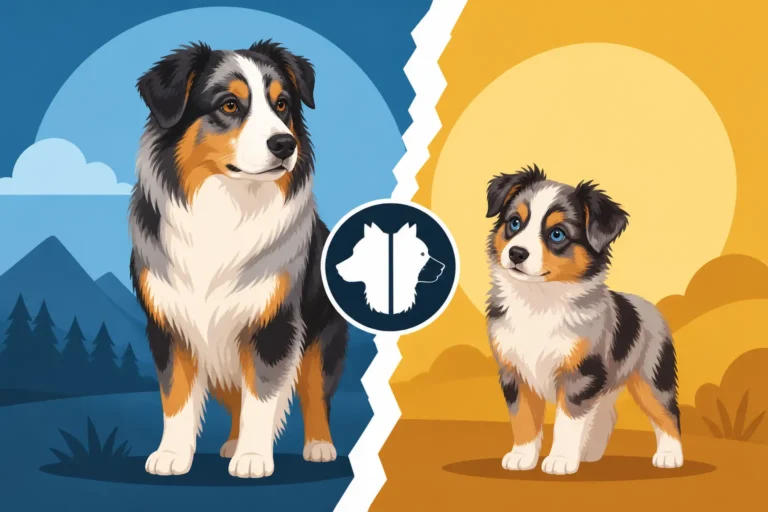
Consider the coat type: an Aussie has a medium-length double coat. If crossed with a Poodle, known for its curly, low-shedding single coat, the puppies could have anything from wavy, slightly shedding coats to tight, non-shedding curls. There’s no guarantee of a hypoallergenic coat. Size is another variable; if an Aussie (medium-sized) is crossed with a much larger or smaller breed, the adult size of the puppies could fall anywhere within that range, making it hard to predict their final stature. This unpredictability means you should be prepared for any combination of colors, coat types, and sizes that reflect both parent breeds.
Temperament and Drive: The Biggest Variables
This is where the genetic lottery gets really interesting—and sometimes challenging. Australian Shepherds are renowned for their high energy, intense herding drive, and sharp intelligence. They thrive on having a job and can become destructive or anxious if under-stimulated. They are also known for being reserved with strangers and prone to Australian Shepherd Reactivity and Overarousal if not properly socialized. When you mix an Aussie, you might hope to dilute these traits, but there's no guarantee.
For example, an Aussie-Labrador mix might inherit the Labrador's generally outgoing nature, but still retain the Aussie's instinct to herd children or nip at heels. Or, it could combine the energy levels of both breeds, resulting in a dog that needs even more exercise than a purebred Aussie! On the other hand, if an Aussie is mixed with a calmer breed, you might get a dog that has a slightly more laid-back disposition but still benefits from mental stimulation. The key takeaway is to expect some level of Australian Shepherd drive and intelligence, and be prepared to meet those needs, rather than hoping they'll be completely absent. The best approach is to prepare for the most demanding aspects of both breeds and be pleasantly surprised if your mix is a bit mellower.
Here's a quick look at some potential trait inheritance:
| Trait Category | Australian Shepherd Tendency | Potential Inheritance in a Mix | What to Be Prepared For |
|---|---|---|---|
| Coat Type | Medium length, double coat, sheds seasonally | Variable: can be curly, wavy, smooth, or double | Regular brushing, potential shedding, grooming needs |
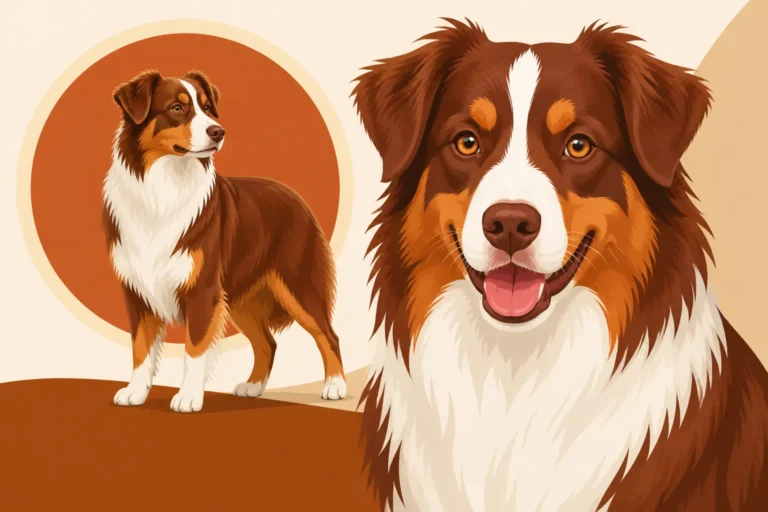
| Coat Color | Merle, tri-color, bi-color, solid black/red | Often retains merle (dominant), varied colors/patterns | Unique, sometimes unexpected color combinations |
| Eye Color | Blue, brown, amber, bi-colored | Can retain blue eyes, especially with merle | Stunning eyes, but no guarantee of specific color |
| Size/Build | Medium, athletic, muscular (35-70 lbs) | Anywhere between parents' sizes; athletic build | Dog growing larger or smaller than expected |
| Energy Level | High, needs 1-2 hours vigorous exercise daily | High to very high; can combine both parents' energy | Daily structured exercise and mental stimulation |
| Herding Drive | Strong, inherent desire to gather/herd | Likely present to some degree; can be strong | Redirecting nipping, providing appropriate outlets like fetch or flirt pole |
| Intelligence | Very high, quick learner, problem solver | Very high; potentially easier to train | Needs mental challenges, prone to boredom without work |
| Social Tendency | Reserved with strangers, loyal to family | Can be more outgoing or more reserved depending on mix | Early, positive socialization is crucial |
| Health Issues | The MDR1 Mutation Half of Australian Shepherds Carry, Australian Shepherd Hip Dysplasia and Working Joints, Collie Eye Anomaly | Risk for issues from both parent breeds | Genetic testing, preventative care, vet visits |
Common Australian Shepherd Crosses and Their Unique Blends
While every mix is unique, some crosses are more common than others, often due to a desire to combine specific popular traits. Let's look at a few examples, keeping in mind the genetic lottery is always at play.
Aussie Doodle (Australian Shepherd x Poodle)
The Aussie Doodle is one of the most popular Aussie crosses, primarily because of the Poodle's reputation for being intelligent and having a low-shedding, often hypoallergenic, coat. People hope for an intelligent, active dog with less shedding than a purebred Aussie.
- What you might get: You'll almost certainly get a very smart dog, as both breeds are highly intelligent. The coat can be highly variable: some puppies will have wavy coats that shed a little, others will have tighter curls that shed minimally. It's rare to get a truly non-shedding coat without significant Poodle genetics. You could see merle patterns from the Aussie, combined with the Poodle's solid colors or phantom markings.
- Temperament considerations: Expect a dog with high energy and a significant need for mental stimulation. The Poodle side can add its own intelligent drive, making this a dog that absolutely needs a job. The Aussie's herding instinct can still be strong, which might manifest as circling or nipping, even if the Poodle side usually lacks this. You'll need to prepare for daily walks, playtime, and engaging training sessions. Products like interactive toys and puzzle feeders, often found at retailers like Chewy, can be invaluable for keeping an Aussie Doodle's mind busy.
Aussie-Lab (Australian Shepherd x Labrador Retriever)
This mix aims to combine the Aussie's striking looks and intelligence with the Labrador's friendly, outgoing nature. It's often chosen by families looking for a more "approachable" dog than a purebred Aussie, but one that still offers intelligence and activity.
- What you might get: You're likely to get a medium-to-large dog with plenty of energy. Coat colors could be a mix of typical Labrador colors (black, yellow, chocolate) with Aussie merle or tri-color patterns. The coat will almost certainly be double-coated and shed, especially during seasonal Twice-Yearly Coat Blow in an Australian Shepherd.
- Temperament considerations: This is typically a friendly, eager-to-please mix, but don't underestimate the energy. Both Labs and Aussies are high-energy dogs, so you'll have a mix that needs substantial exercise—at least Australian Shepherd Exercise at One to Two Hours a Day of active engagement. The Aussie's herding instinct might be tempered by the Lab's retrieving drive, but it could still emerge. Socialization is key to harnessing the Lab's friendliness while ensuring the Aussie's reserved nature doesn't turn into excessive shyness or reactivity.
Aussie-Collie (Australian Shepherd x Border Collie)
This cross is often seen in working lines or among those seeking an incredibly intelligent and active canine partner. It's essentially combining two powerhouses of the herding world.
- What you might get: Expect an incredibly intelligent, agile, and athletic dog. Looks will likely be very similar to either parent breed, with black and white, merle, or tri-color coats. These dogs will almost certainly have a double coat and shed.
- Temperament considerations: This mix is not for the faint of heart or the sedentary owner. You're combining two of the most intelligent and demanding dog breeds on the planet. Their energy levels will be sky-high, and their need for mental and physical work will be paramount. Without a job or consistent, challenging training, these dogs can quickly develop behavioral issues like destructive chewing, excessive barking, or obsessive behaviors. They excel in dog sports like agility, obedience, and actual herding, but require an experienced handler who understands and can manage extreme drive. Stocking up on durable chew toys and enriching activities from places like Chewy will be essential.
Navigating Health and Temperament in an Aussie Mix
Bringing any dog into your home requires commitment, but with an Australian Shepherd mix, that commitment includes navigating a wider range of potential health concerns and ensuring you can meet their unique temperament needs.
Understanding Inherited Health Risks
When you combine two breeds, you essentially combine their genetic predispositions. This means an Aussie mix can potentially inherit health conditions from either parent. For example, Australian Shepherds are known to carry The MDR1 Mutation Half of Australian Shepherds Carry, which makes them sensitive to certain medications. If one Aussie parent carries this gene, the mix could also be a carrier or affected, making it crucial to test your mixed-breed dog for MDR1. Similarly, both breeds often have predispositions to conditions like Australian Shepherd Hip Dysplasia and Working Joints, elbow dysplasia, and certain eye conditions like Collie Eye Anomaly in an Australian Shepherd or hereditary cataracts.
The most responsible approach when considering an Aussie mix is to inquire about the health testing of both parent dogs. Reputable breeders of designer mixes should be able to provide clear health clearances for hips, elbows, eyes, and relevant genetic tests for both the Aussie parent and the other breed. Without this information, you're taking a significant gamble on your puppy's future health. Regular vet check-ups are also crucial to monitor for any developing conditions, and having a good pet insurance plan can certainly help mitigate unexpected Australian Shepherd Surgery Costs From Hips to Eyes that might arise.
Socialization and Training: More Crucial Than Ever
Because Australian Shepherd mixes can inherit a complex blend of temperaments, early and consistent socialization and training are absolutely vital. An Aussie’s natural reserve with strangers, combined with a potential partner breed's shyness or exuberance, can lead to unpredictable reactions if not managed well.
- Early Exposure: Introduce your Aussie mix puppy to a wide variety of sights, sounds, people, and other well-behaved dogs from a young age. Focus on positive experiences. This helps them learn that new things aren't scary, building confidence.
- Positive Reinforcement: Both Aussies and many breeds they're mixed with respond incredibly well to positive reinforcement training. Use treats, praise, and play to encourage desired behaviors. This fosters a strong bond and makes learning enjoyable. You'll find a wide selection of training treats suitable for an Aussie's intelligence and motivation on sites like Chewy.
- Managing Drive: If your mix inherits a strong herding drive, find appropriate outlets. This could be playing fetch, engaging in flirt pole games, or even exploring dog sports like agility or Treibball. Teaching them a solid "leave it" and Australian Shepherd Recall Around Moving Things is critical for their safety and your peace of mind. Without proper direction, that drive can easily turn into unwanted behaviors like chasing cars or nipping at ankles.
- Mental Stimulation: Don't forget the brain! Aussie mixes thrive on mental challenges. Incorporate puzzle toys, scent work games, and trick training into their daily routine. A tired mind is often more effective than a tired body when it comes to settling a high-drive dog.
Ultimately, an Australian Shepherd cross can be a truly wonderful companion, full of character and intelligence. Just remember that while you might be aiming for a specific combination, genetics loves to throw curveballs. Be prepared for the full spectrum of Aussie traits, be diligent about health screenings, and commit to meeting their substantial needs for exercise, mental stimulation, and consistent training. Your mixed-breed companion will thank you for it with years of devoted companionship.
Disclaimer
This article is for general informational purposes only and does not constitute professional advice. Laws, prices and regulations vary by location and change over time. Consult a qualified professional for guidance on your specific situation.