Whether Aussie Merle Breeding Should Be Regulated
The question of whether Australian Shepherd merle breeding should be regulated often sparks passionate debate among breeders, owners, and animal welfare advocates. For many, the idea of formal regulation stems from a deep concern for the health and well-being of dogs born from certain merle pairings, especially when those pairings result in devastating genetic conditions that could have been avoided. This guide delves into the complexities of merle genetics, the serious risks associated with irresponsible breeding practices, and the arguments surrounding the need for regulation to protect these beautiful dogs.
Understanding the Merle Gene in Australian Shepherds
The merle gene (M locus) is responsible for the striking, mottled patterns seen in many Australian Shepherds, creating patches of diluted color against a solid base. While undeniably beautiful, this gene is also what we call a "dilution gene," and its presence, especially in a double dose, can lead to significant health consequences. It's not just about aesthetics; it's about understanding the biological mechanisms at play and the potential pitfalls if not handled with extreme care.
How Merle Patterns Develop
When an Australian Shepherd inherits one copy of the merle gene (Mm), it results in the classic merle pattern – think blue merle or red merle, with patches of darker color over a lighter, diluted background. The gene essentially dilutes random areas of the coat, eyes, and sometimes even the nose. This is how you get those mesmerizing blue eyes, or eyes that appear partially blue and partially another color, which are so characteristic of the breed. It’s a single gene at play, and it creates stunning variety. However, the mechanism isn't just about color; it affects pigment cells, which are critical in other areas of development, particularly in the eyes and ears. This is a crucial distinction that moves merle beyond a simple cosmetic trait and into the realm of a health concern if not managed properly. If you want to dive deeper into the science, read The Merle Gene and How It Dilutes Aussie Coat.
The Danger of the Double Merle Gene
The real trouble arises when an Australian Shepherd inherits two copies of the merle gene (MM), one from each parent. This is what we refer to as a "double merle" or sometimes a "lethal white," though the latter term is more commonly associated with other breeds and isn't entirely accurate for Aussies. These dogs are often predominantly white, with very little actual pigment. The lack of pigment isn't just superficial; it's indicative of a more widespread failure of pigment cell development during embryonic stages. These cells, called melanocytes, are not only responsible for coat color but also play a vital role in the development of the inner ear and the structures of the eye. This is why double merles frequently suffer from severe health problems, the most common and heartbreaking being profound deafness and various ocular defects. The consequences are far-reaching, impacting their quality of life from birth.
Health and Welfare Concerns with Double Merles
The reason "merle-to-merle" breeding is so controversial, and why many advocate for its regulation, is the high probability of producing double merle puppies with severe health challenges. These aren't minor inconveniences; they are life-altering conditions that require immense dedication, resources, and often significant emotional toll from their owners.
Congenital Deafness
One of the most devastating conditions associated with double merle Aussies is congenital deafness. A significant percentage of double merle puppies are born completely deaf, or with severe hearing impairment. This occurs because the melanocytes that develop in the inner ear are crucial for normal hearing. Without them, the cochlea—the spiral cavity of the inner ear—doesn't develop properly, leading to irreversible hearing loss. Raising a deaf dog, while entirely possible and rewarding, requires specialized training, communication methods, and a carefully structured environment to ensure their safety and well-being. It's a huge commitment that many prospective owners are not prepared for, often leading these dogs to end up in rescue situations. More information about living with such a dog can be found in Living With a Deaf Australian Shepherd.
Severe Eye Defects
Beyond deafness, double merle Australian Shepherds are prone to a range of severe eye defects. These can include microphthalmia (abnormally small eyes), colobomas (missing tissue in parts of the eye, often giving the pupil a keyhole shape), persistent pupillary membranes, and even complete blindness. The extent of these issues can vary from mild vision impairment to total lack of sight. Imagine a puppy trying to navigate the world without being able to see, or with severely distorted vision; it's a constant struggle. These conditions are not correctable with surgery in most cases and often require lifelong management and adaptation from both the dog and its family. Caring for an Aussie with vision problems presents unique challenges, requiring owners to adapt their homes and routines significantly. For instance, toys from Chewy designed for visually impaired dogs, which incorporate scent or sound, become invaluable tools for enrichment. Microphthalmia in a Double Merle Australian Shepherd details some of these specific eye issues.
Other Health Risks
While deafness and eye issues are the most prominent, double merle breeding can also be linked to other less common, but still serious, health problems. These can include issues with the reproductive system, such as infertility, and sometimes even cardiac defects. The systemic nature of pigment cell disruption can have broader implications for development, making it a high-risk breeding practice across the board. The general fragility often seen in these puppies, coupled with the overwhelming financial and emotional burden of their care, is precisely why so many people feel a stronger stance needs to be taken against merle-to-merle breeding.
The Odds of a Double Merle Litter
It's not just a rare occurrence; the odds are significant. When two merle dogs are bred together, statistically, 25% of the puppies in the litter will be double merle (MM), 50% will be single merle (Mm), and 25% will be non-merle (mm). This means that a quarter of every such litter is at high risk of being born with severe health defects. This isn't a gamble with minor traits; it's a gamble with a puppy's very ability to see and hear, and it's a gamble with the future owner's ability to provide the specialized care these dogs inevitably need. The ethical implications of knowingly producing puppies with such high risks are a major driving force behind the call for regulation. Find more details on these probabilities in The Odds of a Double Merle in an Aussie Litter.
Current Breeding Practices and Ethical Standards
Responsible breeders are acutely aware of the risks associated with merle genetics and prioritize health above all else. They understand that breeding isn't just about producing beautiful puppies; it's about ensuring those puppies have the best possible chance at a healthy, fulfilling life.
Responsible Breeding Practices
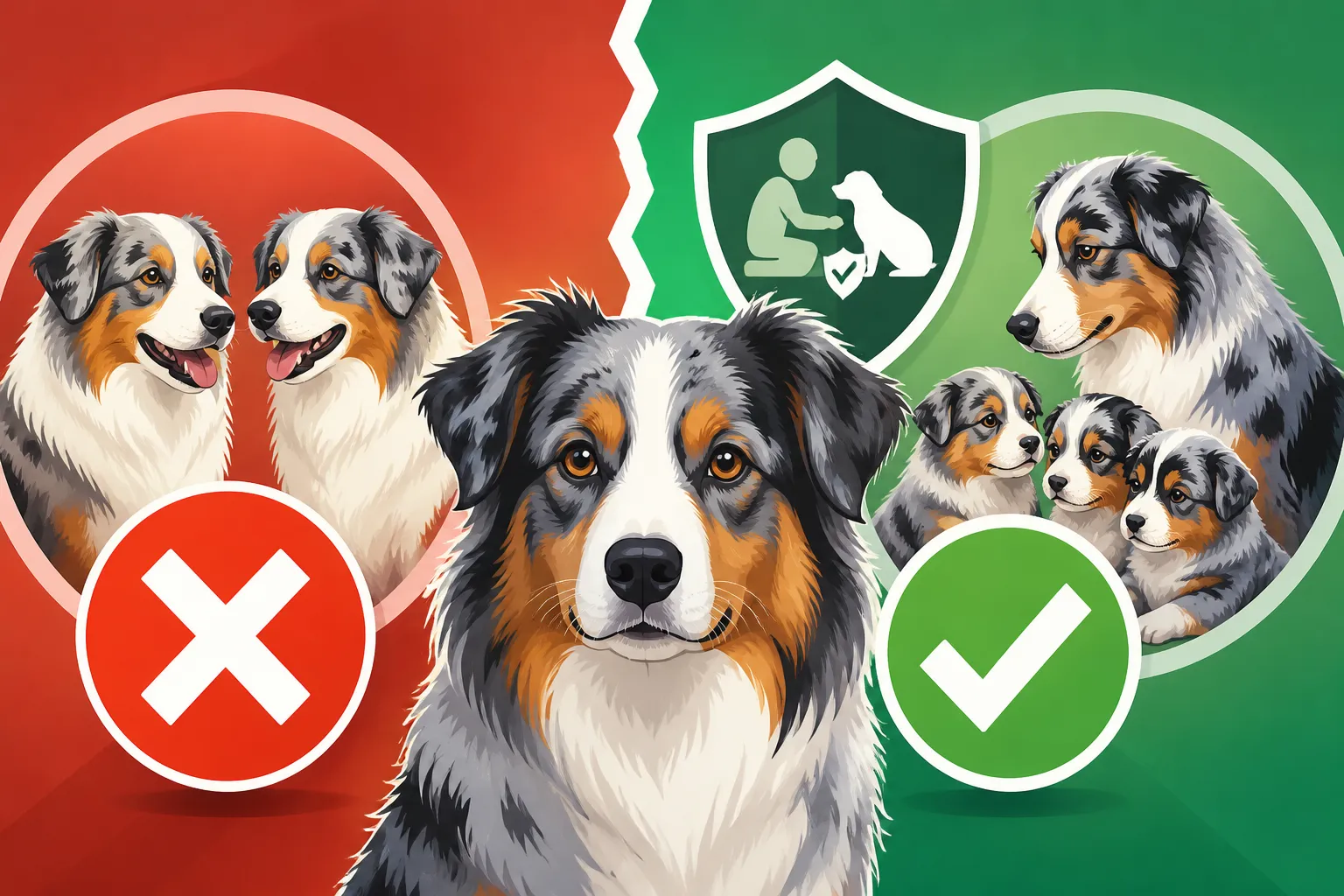
Ethical Australian Shepherd breeders adhere to strict guidelines to avoid producing double merles. The most fundamental rule is never to breed two merle dogs together. This means that if a dog carries one copy of the merle gene (Mm), it should only be bred to a dog that carries no copies of the merle gene (mm). This way, all puppies will either be single merle (Mm) or non-merle (mm), eliminating the risk of double merles. Responsible breeders utilize DNA testing to confirm the merle status of their breeding stock. These tests are readily available and provide clear answers, leaving no room for guesswork. They also typically ensure their breeding dogs have passed various other health clearances for conditions like hip and elbow dysplasia, and eye diseases. It's a comprehensive approach to genetic health. You can learn more about this in Why Aussie Breeders Never Cross Merle to Merle.
The Role of Breed Clubs and Registries
Many breed clubs and registries, such as the Australian Shepherd Club of America (ASCA) and the American Kennel Club (AKC), actively discourage merle-to-merle breeding. While they may not have explicit "regulation" in the legal sense, their codes of ethics for breeders strongly advise against it. Breeders who violate these ethical guidelines can face repercussions within the club, such as loss of breeding privileges or suspension. These organizations also provide educational resources for breeders and the public about merle genetics and responsible breeding practices. They serve as important community standards, promoting responsible choices even without government oversight.
The Challenge of "Cryptic" or "Phantom" Merles
One of the trickier aspects of merle breeding is the existence of "cryptic merles" or "phantom merles." These are dogs that genetically carry the merle gene but display little to no visible merle patterning in their coats. To the untrained eye, or even to a moderately experienced breeder, they might look like solid-colored dogs. If such a dog were unknowingly bred to another merle, it would pose the same risks as breeding two visibly merle dogs. This is why genetic testing for the merle allele is absolutely critical for all breeding Australian Shepherds, regardless of their apparent coat color. Relying solely on visual assessment is a dangerous gamble that can result in unintended double merles. Cryptic Merle That Fools Aussie Breeders goes into more detail on this specific challenge.
Arguments For and Against Regulation
The debate over whether merle breeding should be regulated is complex, with valid points on both sides. It boils down to a fundamental disagreement over the best way to ensure animal welfare while respecting breeder autonomy.
Arguments For Regulation
Advocates for regulation often point to the dire consequences of irresponsible breeding. They argue that voluntary ethical guidelines are simply not enough to prevent backyard breeders or those primarily motivated by profit from producing double merles. Formal regulation, they suggest, would create a legal framework that prohibits merle-to-merle breeding, potentially leading to fines or other penalties for those who violate it. This would, theoretically, drastically reduce the number of puppies born with preventable disabilities.
Supporters also argue that regulation could help standardize health testing practices. If genetic testing for the merle gene became legally mandated for all breeding Australian Shepherds, it would remove the ambiguity of cryptic merles and ensure that even less-informed breeders are held to a higher standard. They believe that the suffering of double merles is a clear public welfare issue that warrants intervention beyond voluntary compliance. The financial burden of caring for a deaf or blind dog, which often falls on rescue organizations or unsuspecting owners, is another strong point for those who believe regulation is needed. Basic necessities and specialized items, often available through retailers like Chewy, add up significantly for owners of special needs dogs.
Arguments Against Regulation
Opponents of formal regulation often argue that it represents government overreach into private breeding decisions. They believe that responsible breeders already adhere to strict ethical codes and that adding layers of bureaucracy would only complicate matters for those doing things correctly. They suggest that education, rather than legislation, is the more effective path forward, empowering prospective buyers to choose reputable breeders and putting pressure on unethical ones through market demand.
Furthermore, some worry that regulation could have unintended consequences, such as driving irresponsible breeding underground, making it even harder to track and address issues. They might also argue that breed-specific legislation or regulation can be a slippery slope, potentially leading to restrictions on other breeding practices or even certain breeds. From this perspective, the existing breed clubs and registries, with their robust educational programs and codes of ethics, are the appropriate bodies to manage and enforce breeding standards within the Australian Shepherd community. They feel that the responsibility lies with individual breeders and buyers to uphold ethical practices, rather than with government mandates.
What Owners and Prospective Owners Can Do
Whether formal regulation comes to pass or not, individual actions can make a significant difference in promoting responsible Australian Shepherd breeding. As a prospective owner, you have considerable power in your choices.
Research and Choose Reputable Breeders
This is arguably the most critical step you can take. A reputable breeder will be transparent about their dogs' health, genetic testing, and breeding practices. They will:
- Provide DNA test results: Specifically, they should show you results for the merle gene (M locus), confirming the status of both parent dogs.
- Never breed two merles together: If a breeder tells you they've bred two merles, or if you see a litter that appears to be predominantly white and you suspect double merles, walk away immediately.
- Offer comprehensive health clearances: This includes OFA (Orthopedic Foundation for Animals) certifications for hips and elbows, and current eye certifications from a veterinary ophthalmologist (ACVO exam).
- Be willing to answer all your questions: A good breeder will be an open book and genuinely care about the welfare of their puppies.
- Have a clear contract: This contract should outline health guarantees and what happens if a genetic issue arises.
Be wary of breeders who offer significantly cheaper prices for merle puppies without providing genetic testing results. As highlighted in Why a Cheap Merle Aussie Puppy Is a Warning, this is often a red flag.
Support Ethical Breeding Practices
By choosing a reputable breeder, you are directly supporting ethical breeding practices and helping to reduce the demand for puppies from irresponsible sources. This includes supporting breeders who use DNA testing, health clearances, and who clearly understand and avoid merle-to-merle pairings. Word of mouth and positive recommendations for these breeders are invaluable. You can also engage with breed clubs and participate in their educational initiatives.
Educate Yourself and Others
Knowledge is power. Understanding merle genetics and the risks involved allows you to make informed decisions and educate others who might be considering an Australian Shepherd. Share information from reputable sources, discuss responsible breeding, and highlight the challenges faced by double merles. The more people who understand these issues, the greater the pressure will be on breeders to uphold high standards. Learn about The Health Tests Every Australian Shepherd Parent Needs to become a more informed advocate.
Consider Adoption or Rescue
For those committed to giving a home to a dog in need, adopting a double merle Australian Shepherd from a rescue organization is a deeply rewarding path. These dogs, through no fault of their own, often require specialized care and patience, and rescues are always looking for loving homes equipped to handle their needs. Many rescues have extensive experience with deaf or blind Aussies and can provide invaluable support and guidance. Organizations like Australian Shepherd rescues often have specific programs for special needs dogs, and they can offer advice on everything from specialized training techniques to sourcing appropriate gear, often found at places like Chewy.
Advocating for Change
If you feel strongly that regulation is necessary, consider becoming involved with breed clubs or animal welfare organizations that are working on these issues. While local laws vary widely, expressing your concerns to legislators or local animal control bodies might contribute to discussions about breeding standards in your area. This involves staying informed about existing animal welfare laws and advocating for changes that prioritize genetic health and responsible breeding.
The Future of Merle Breeding
The discussion around regulating merle breeding in Australian Shepherds underscores a broader societal concern for animal welfare. While some rely on ethical commitments, others see a clear need for legal safeguards to prevent preventable suffering. The responsibility to make informed choices ultimately rests with individuals—both breeders and prospective owners. By prioritizing health, advocating for transparency, and supporting ethical practices, we can collectively work towards a future where every Australian Shepherd, regardless of its coat color, has the chance to live a full and healthy life, free from the burden of avoidable genetic conditions.
Disclaimer
This article is for general informational purposes only and does not constitute professional advice. Laws, prices and regulations vary by location and change over time. Consult a qualified professional for guidance on your specific situation.