Why an Australian Shepherd Reserves Itself With Strangers
It can be quite a perplexing and sometimes even frustrating experience when your intelligent, loyal Australian Shepherd isn't the life of the party when new faces appear. Many of us have felt that little pang of embarrassment or confusion when our beloved Aussie shies away, keeps their distance, or acts aloof with visitors, making us wonder why they aren't more outwardly friendly. This guide will delve into the deep-seated reasons behind this common Aussie trait and offer practical ways to support your dog.
The Deep Roots of Aussie Reservedness
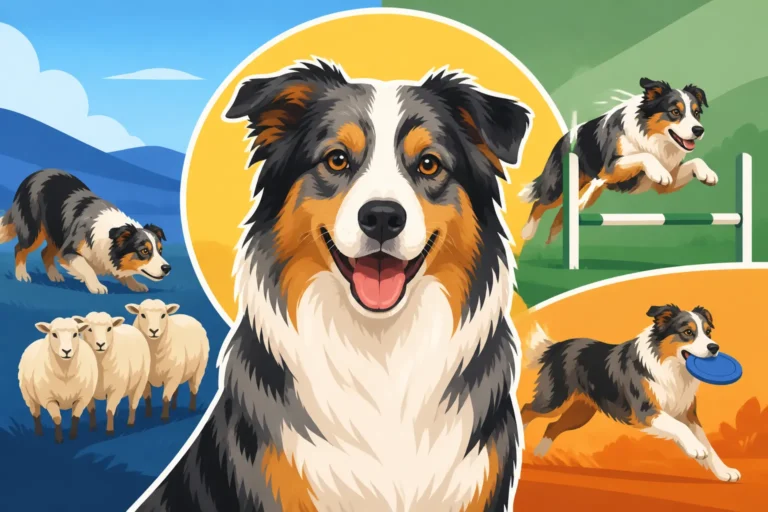
When you think about an Australian Shepherd, images of a diligent working dog, intensely focused on a task, probably come to mind. These aren't dogs bred for indiscriminate friendliness; they were developed on ranches to be watchful guardians and partners to their people, often in isolated environments. This historical context is absolutely crucial to understanding why many Aussies naturally adopt a reserved demeanor around strangers.
Bred for Discernment, Not Greetings
Imagine a ranch dog, working tirelessly alongside its owner, far from bustling city streets. Their job wasn't to greet every passing stranger with a wagging tail and an invitation to play. Instead, their temperament required a keen sense of observation, a protective instinct, and a strong bond with their immediate family or flock. This meant being wary of unfamiliar individuals or new situations until they were deemed safe by their trusted human. This isn't rudeness; it's a hardwired instinct for discretion. They are evaluating, assessing, and waiting for cues from you. It's a hallmark of their What the Standard Says About Aussie Temperament.
The Value of a Strong Bond with One Handler
Australian Shepherds thrive on a profound connection with their primary handler. They are often described as "Velcro dogs" because of their intense loyalty and desire to be near their person. This strong bond, while wonderful for daily life and training, can contribute to their reserved nature with others. They pour so much of their emotional energy into their chosen family that there's simply less left over for casual acquaintances. They might tolerate strangers, but true affection and trust need to be earned, usually over time and with patient, consistent positive interactions. It’s part of their protective nature, as they often perceive their human as part of their "flock" to be watched over.
The Impact of Socialization on Temperament
While a certain degree of reservedness is inherent to the Australian Shepherd breed, how that trait manifests is heavily influenced by early and ongoing socialization. A well-socialized Aussie will likely be politely indifferent to strangers, while a poorly socialized one might develop true fear or reactivity.
The Critical Puppy Window
The period from approximately 3 to 16 weeks is often called the critical socialization window for puppies. During this time, every positive exposure to new sights, sounds, people, and environments helps build a puppy's confidence and worldview. For an Aussie puppy, this means careful and positive introductions to a wide variety of people of different ages, genders, and appearances, always ensuring the experiences are pleasant and never overwhelming. If a puppy misses out on these vital experiences, or if early encounters with strangers are negative, that natural reservedness can quickly deepen into genuine fear or anxiety. It’s not just about meeting people; it's about seeing them as non-threatening parts of the world.
Ongoing Exposure and Positive Reinforcement
Socialization isn't a one-and-done event; it's a lifelong process, especially for a discerning breed like the Australian Shepherd. Even a well-socialized adult Aussie benefits from continued positive exposure. Think about taking your dog to quiet, dog-friendly patios, going for walks in varied environments, or having calm, controlled visits with different people. Each positive interaction reinforces that strangers are generally safe and don't require an alarm or a retreat. Using high-value treats and praise during these encounters can create strong positive associations. Many owners find The Australian Shepherd Socialization Checklist incredibly helpful for structured exposure.
Reservedness, Fear, and Reactivity: What's the Difference?
It’s crucial for Australian Shepherd owners to be able to distinguish between an Aussie who is simply reserved and one who is genuinely fearful or reactive. While all three might result in a lack of enthusiastic greeting for strangers, their underlying emotional states and the appropriate responses from you are very different.
Signs of a Reserved Australian Shepherd
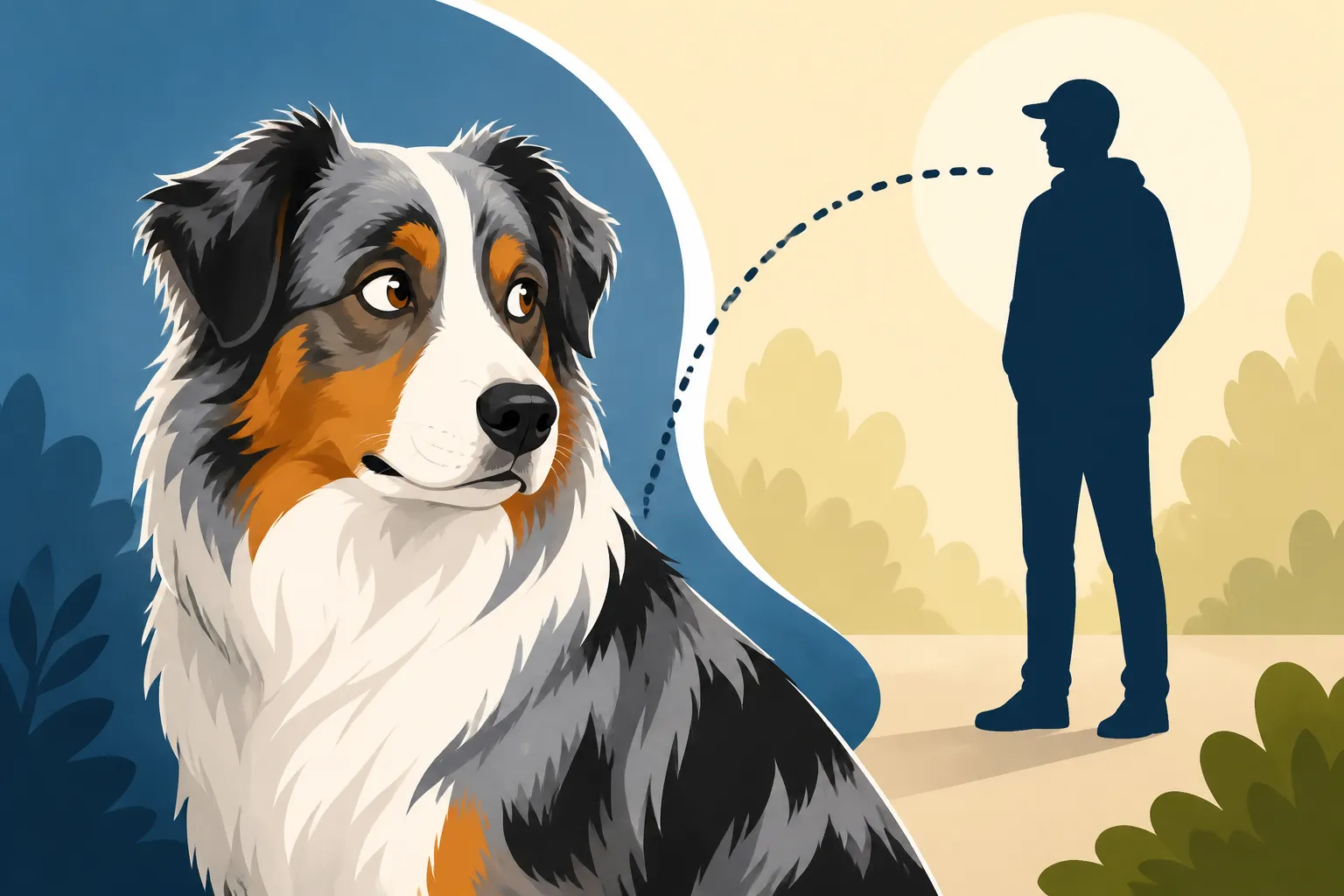
A reserved Australian Shepherd will typically observe strangers from a distance. They might choose to simply ignore someone, or perhaps walk to another part of the room. Their body language will usually be neutral: relaxed ears, soft eyes, and a loose posture, perhaps with a slight lean away. There’s no cowering, no excessive barking, no tail tucked tight between the legs. They’re simply not interested in engaging. They might accept a treat gently if offered calmly, but they won't seek out petting or attention. This is often just their preference, a calm, discerning nature that says, "I'm good over here, thanks." This is the core of Why an Australian Shepherd Hangs Back From Strangers.
Recognizing Fear and Anxiety
Fear is a much more intense emotional state than simple reservedness. A fearful Australian Shepherd will exhibit clear signs of stress and anxiety. This could include:
- Body Language: Tail tucked, ears flattened, crouching, lip licking, yawning (out of context), whale eye (showing the whites of their eyes), shaking, panting, or freezing.
- Avoidance: Actively trying to hide behind you, moving away quickly, or trying to escape the situation entirely.
- Vocalization: Whining, submissive urination, or sometimes stress-induced barking.
If your Aussie consistently shows these signs around new people, it's not just reservedness; it's genuine fear that needs sensitive, compassionate handling and potentially professional guidance.
Distinguishing from Reactivity
Reactivity often involves an over-the-top response to a perceived threat or stressor, which can include strangers. A reactive Australian Shepherd might bark excessively, lunge on the leash, growl, or even snap. This behavior is often rooted in fear or frustration, where the dog is trying to create distance or make the "threat" go away. Sometimes, it's an indication of over-arousal. While it might look aggressive, it's often a defense mechanism rather than true aggression. Understanding their body language, even under their thick coat, is vital for knowing how to intervene. It’s a very different scenario from the calm, observational stance of a merely reserved dog. For owners dealing with this, resources like An Australian Shepherd That Gets Worse in the Evening or An Aussie Reacting to Dogs on the Lead might offer insight into managing over-arousal.
Here's a quick comparison table to help you spot the differences:
| Behavior Trait | Reservedness | Fear | Reactivity |
|---|---|---|---|
| Motivation | Natural caution, lack of interest, discernment | Perceived threat, desire to escape | Fear, frustration, over-arousal |
| Body Language | Neutral, loose, observant, slight lean away | Tail tucked, ears back, crouching, shaking, panting | Stiff, forward lean, hackles raised, direct stare |
| Vocalization | Minimal or none | Whining, stress barking, submissive growl | Barking, growling, lunging, snapping |
| Interaction | Ignores, politely moves away, accepts treats calmly | Avoids, hides, tries to escape | Charges, warns, tries to make threat disappear |
| Emotional State | Calm, observant | Anxious, stressed, distressed | Agitated, stressed, frustrated |
Practical Strategies for Supporting Your Reserved Aussie
Navigating social situations with a reserved Australian Shepherd can be a delicate dance. The goal isn't to force them to be the life of the party, but to help them feel safe and comfortable in their environment, even when strangers are present. This often involves a combination of management, training, and advocating for your dog's needs.
Creating a Safe Haven
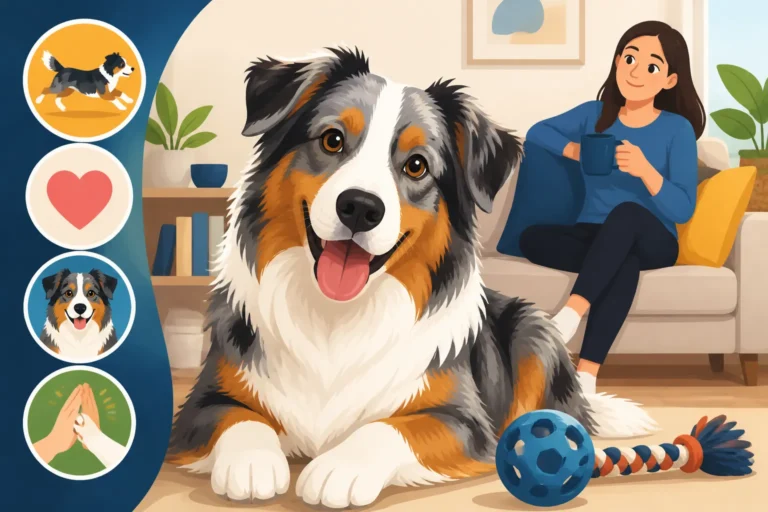
Your Aussie needs a personal retreat where they can feel secure and undisturbed when new people are around. This might be their crate, a cozy bed in a quiet room, or even just a designated mat in the corner. Teach them that this space is their safe zone, and ensure visitors respect it. You can make this space extra inviting with a comfortable bed or soft blanket available at Chewy, which offers a wide selection for creating the perfect den. Encourage them to go to their safe place with a high-value chew or toy when guests arrive, allowing them to observe at their own comfort level or retreat entirely. This empowers them to manage their own stress.
Controlled Introductions and Positive Associations
When you know guests are coming, plan for controlled, low-pressure introductions. Instead of letting a new person rush in, have your Aussie on a leash, or behind a gate, allowing them to observe the guest from a distance. Ask your guests to ignore your dog initially, avoiding direct eye contact or attempts to pet. If your Aussie shows any calm, curious behavior (like a loose tail wag or a soft gaze), have the guest gently toss a high-value treat in their direction. Repeat this process, gradually decreasing distance as your dog shows comfort. Think of it as building positive memories, one tasty piece of kibble or training treat at a time. Brands carried by Chewy often include specific training treats that are perfectly sized for these repeated positive associations.
Training "Go Say Hi" or "Go to Your Mat"
Specific training cues can be incredibly helpful. Teaching your Aussie a "Go Say Hi" cue, where they are allowed to approach a person if they choose, but always with the option to retreat, gives them agency. Equally important is a "Go to Your Mat" or "Place" command, which directs them to their safe space. This provides a clear job during potentially stressful times. It's about giving them tools to navigate the situation, rather than leaving them to figure it out on their own. For more general obedience, Teaching an Aussie to Come Off a Chase or An Aussie That Will Not Hand Things Over can help build a strong foundation of trust and responsiveness.
Advocating for Your Dog
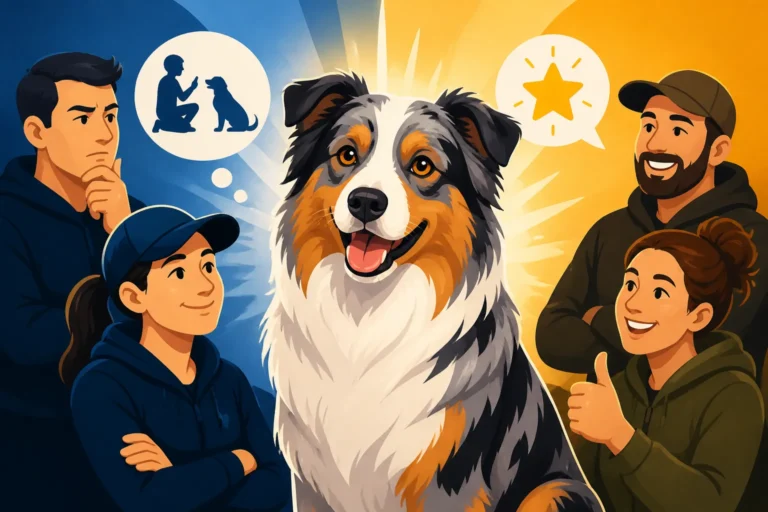
You are your Australian Shepherd's best advocate. Don't be afraid to politely educate guests on how to interact with your dog. Simple phrases like, "Please let them come to you," "They're a bit shy with new people, so best to ignore them for now," or "No direct eye contact, please," can make a huge difference. Never force your dog to accept petting or interaction if they are uncomfortable. It only erodes trust and can increase anxiety. Remember, protecting your dog’s emotional well-being is more important than ensuring every visitor gets to pet them. If your dog is struggling with visitors, consider practicing Teaching an Aussie to Ignore People on Walks to generalize ignoring people in different contexts.
Enrichment and Confidence Building
Beyond direct interactions, ensure your Aussie has plenty of appropriate mental and physical enrichment. A dog that feels confident in their abilities and is regularly engaged in activities they enjoy is often better equipped to handle novel situations. Puzzle toys, scent work, trick training, or even simple obedience exercises can build confidence. Chewy has a fantastic range of enrichment toys, from snuffle mats to interactive feeders, that can keep an intelligent Australian Shepherd's brain busy and build their sense of accomplishment. This kind of consistent positive mental stimulation contributes to overall well-being, which in turn can lead to a more relaxed demeanor, even with strangers.
Remember, a reserved Australian Shepherd is not a broken dog. It's a dog true to its heritage. With patience, understanding, and consistent positive reinforcement, you can help your Aussie navigate the world of strangers with confidence and comfort.
Disclaimer
This article is for general informational purposes only and does not constitute professional advice. Laws, prices and regulations vary by location and change over time. Consult a qualified professional for guidance on your specific situation.