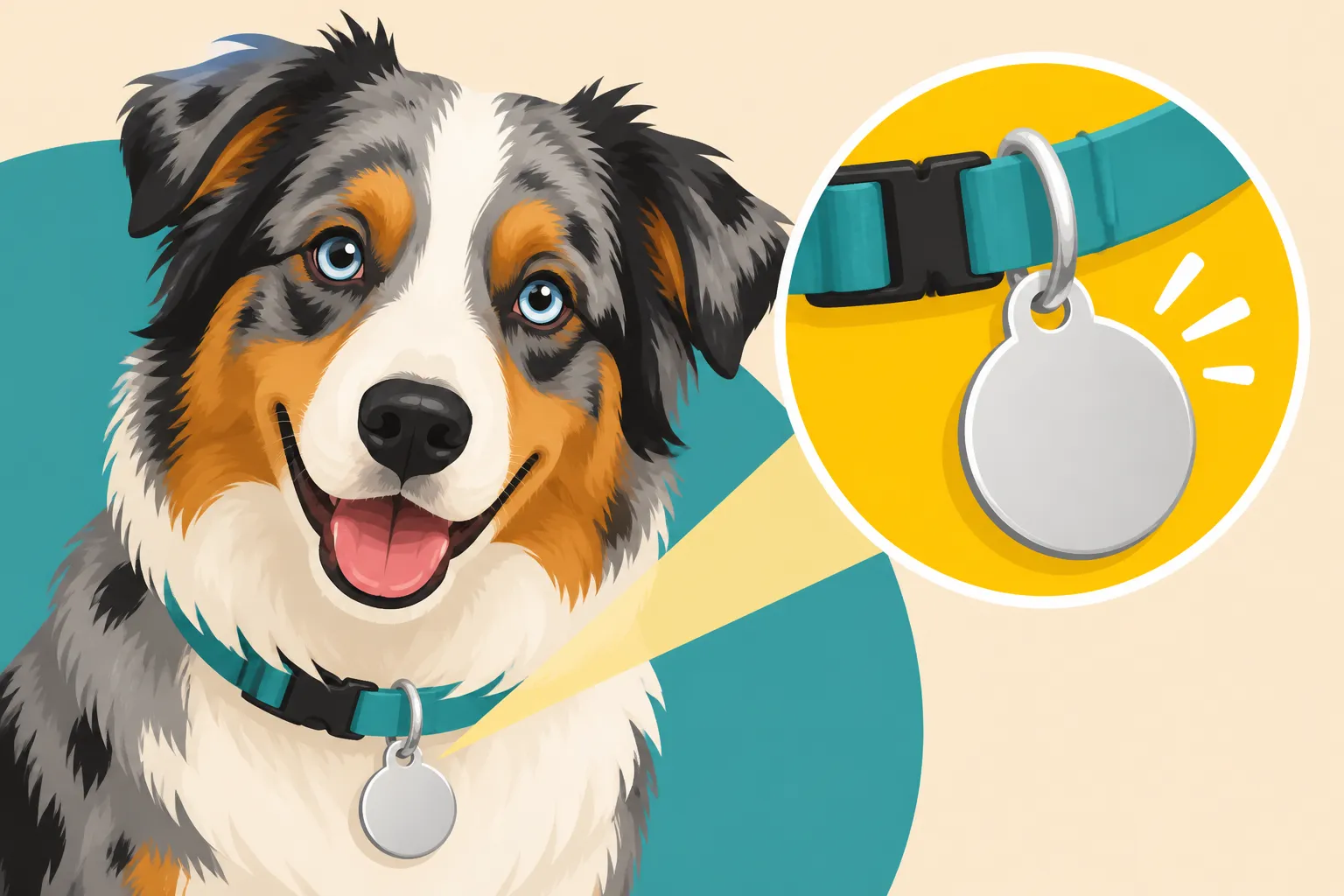
Putting MDR1 on an Australian Shepherd’s Collar Tag
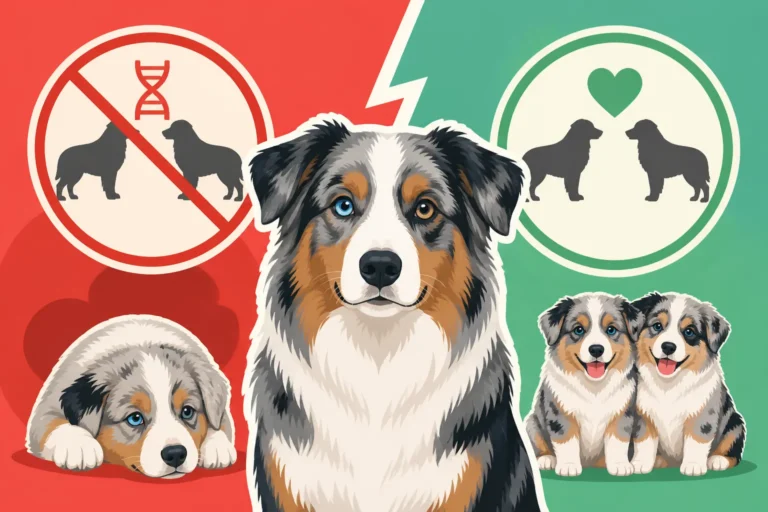
When you have an Australian Shepherd, you know they are more than just pets; they're family, often with enough energy to power a small village! But with their unique genetics comes a critical responsibility: understanding the MDR1 mutation. One of the biggest anxieties for any Aussie parent is an unexpected emergency, and in those stressful moments, quick access to vital health information can be the difference between life and death. This guide is all about how to clearly and effectively communicate your Australian Shepherd's MDR1 status, especially through something as simple yet powerful as their collar tag.
Understanding the MDR1 Mutation and Why It Matters So Much
The Multidrug Resistance 1 (MDR1) gene mutation, sometimes referred to as ABCB1, is a genetic anomaly that affects how certain drugs are processed in many herding breeds, including a significant number of Australian Shepherds. It’s not just a minor quirk; it’s a profound difference in their physiology that can turn common medications into dangerous toxins. Without a functional MDR1 gene, the "P-glycoprotein" pump, which normally flushes drugs out of the brain and other sensitive organs, either doesn't work correctly or isn't there at all. This means certain medications can build up to toxic levels, leading to severe neurological issues, seizures, coma, and even death.
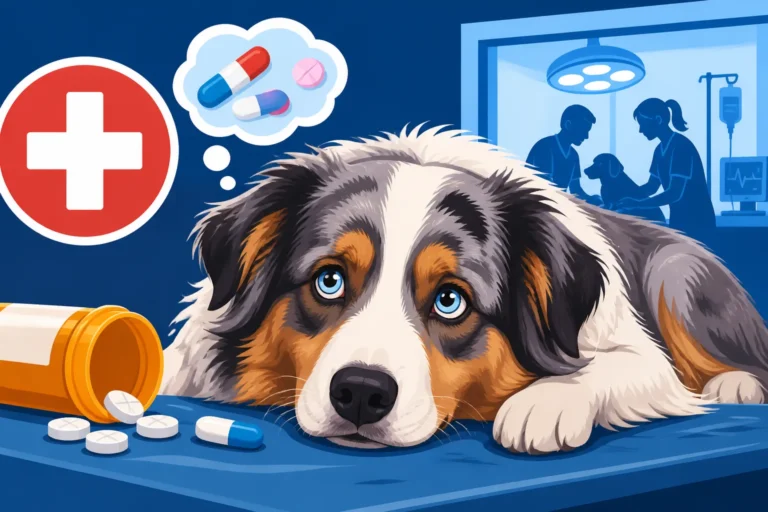
Many Aussie owners don't realize the full implications until an emergency strikes. Imagine your Aussie, full of life, suddenly needing urgent medical attention, and the veterinary team, in their rush to save them, unknowingly administers a drug that could be lethal. This is the heart-wrenching scenario we want to prevent. Knowing your dog's MDR1 status and ensuring it's readily available for any vet, especially an emergency one who doesn't know your dog's history, is absolutely paramount.
The consequences of administering contraindicated drugs to an MDR1-positive Australian Shepherd can be devastating. Common medications like certain dewormers (e.g., Ivermectin in higher doses), anti-diarrhea medications (e.g., Loperamide, often found in Imodium), and even some anesthetics and chemotherapy drugs can cross the blood-brain barrier unchecked, overwhelming your dog's system. It’s not about avoiding all drugs, but about knowing which ones to use cautiously, if at all, and at what dosage. This is why many experienced Aussie owners stress the importance of understanding The Drugs an MDR1 Australian Shepherd Cannot Take. The peace of mind that comes from proactively addressing this genetic predisposition is immeasurable.
What to Put on the Collar Tag and How to Make It Stick
Deciding what information to etch or print onto your Aussie's collar tag is a balance between conciseness and critical detail. In an emergency, every second counts, so the information needs to be instantly digestible by a vet or rescuer. The primary goal is to alert anyone treating your dog that their genetics require special consideration regarding medication.
Essential Information to Include
The most crucial piece of information is your dog's specific MDR1 status. This usually falls into one of three categories:
- MDR1 P/P (Positive/Affected): This means your Aussie has two copies of the mutated gene and is highly sensitive to affected drugs. This should be explicitly stated as "MDR1 Positive" or "MDR1 Affected."
- MDR1 N/P (Normal/Carrier): Your Aussie has one normal gene and one mutated gene. While generally less sensitive than affected dogs, carriers can still show adverse reactions to certain medications, especially at higher doses. It's best to state "MDR1 Carrier – Use Caution."
- MDR1 N/N (Normal/Clear): Your Aussie has two normal copies of the gene and is not affected by MDR1-related drug sensitivities. While this is good news, it's still worth noting "MDR1 Clear" on the tag, as it helps identify your dog as an Australian Shepherd, a breed for which MDR1 testing is standard.
Beyond the MDR1 status, standard identification details are still vital:
- Your Phone Number(s): Primary and a backup.
- Your Dog's Name: While helpful, it's less critical than medical info in an emergency.
- "Emergency Vet Info Inside": This can be a great prompt if you plan to carry a laminated card with more detailed instructions, such as specific drugs to avoid, known allergies, or your regular vet's contact information. This is particularly useful for owners who have invested in The Genetic Panel Every Australian Shepherd Needs and have comprehensive records.
Consider this table for a quick comparison of tag types and their suitability:
| Tag Type | Pros | Cons | Ideal Use Case |
|---|---|---|---|
| Engraved Metal Tag | Durable, waterproof, easy to read, affordable. | Limited space for text, can wear down over time. | Clear "MDR1 Positive" and primary phone number. |
| Embroidered Collar | Permanent, quiet, doesn't dangle, good for active dogs. | Limited text, harder to update, may get dirty and harder to read. | "MDR1 POSITIVE" clearly stitched, paired with a small ID tag. |
| QR Code Tag | Holds a lot of info (vet contact, drug list, full health profile). | Requires a smartphone to scan, may not work in all emergency scenarios (e.g., no signal). | Excellent for detailed medical history, but needs backup text. |
| Slide-On Tag | Quiet, durable, less likely to get snagged. | Limited to specific collar widths, can be hard to remove. | For Aussies who hate jingling tags, clearly states "MDR1 POSITIVE." |
Choosing the Right Tag Material and Durability
When selecting a tag, think about the active lifestyle of an Australian Shepherd. They run, they swim, they herd; their tag will take a beating.
- Stainless Steel or Brass: These are classic choices for a reason. They're robust and hold up well to outdoor adventures. Engraving on these materials tends to last longer, though deep etching is always better than light laser engraving.
- Anodized Aluminum: These tags come in various colors, which can be appealing, but the color coating can scratch off, potentially obscuring the engraving over time. If you go this route, choose a high-contrast color for the engraving.
Regardless of the material, aim for clear, deep engraving. A tag that's illegible is as good as no tag at all. You might even consider having two tags: one with the most critical "MDR1 Positive" information, and a separate traditional ID tag with contact details.
Layered Safety Measures: Beyond the Collar Tag
While an MDR1 collar tag is an immediate, visible alert, it's just one piece of a comprehensive safety plan. For an Australian Shepherd, whose health can sometimes be complex, a layered approach to communicating their medical needs offers the best protection. Think of it like building a fortress around your dog's health information, making sure there's no weak link.
Microchipping and Centralized Registries
Most Aussies are microchipped, which is fantastic for identification. However, many owners don't realize you can (and should!) link critical health information, including MDR1 status, to your dog's microchip registry profile. When a vet or shelter scans your dog's chip, they often access a central database. Ensuring this profile is up-to-date with "MDR1 Positive" and your emergency contact information adds another layer of defense.
- Update Your Microchip Registry: Log into your microchip provider's website (e.g., HomeAgain, AKC Reunite, PetLink) and add "MDR1 Positive/Carrier" to any medical notes section. Be sure your contact information is current.
- Emergency Contact Info: Include not just your phone number, but also a secondary contact who is aware of your dog's MDR1 status, especially if you travel frequently or are away from home for extended periods.
Informing Your Primary Veterinary Team
Your regular vet clinic should be the first place you ensure your Aussie's MDR1 status is clearly noted. It might seem obvious, but human error happens. When you first get your Aussie, especially if you've done a genetic panel like The Genetic Panel Every Australian Shepherd Needs, make sure those results are uploaded into their digital file.
- Explicitly Discuss MDR1: Don't just hand over a report; talk to your vet and vet techs directly about your dog's MDR1 status. Ask them to put a prominent alert in their system – perhaps a sticky note on the physical chart, or a digital flag that pops up when your dog's file is accessed.
- Review Before Procedures: Before any new medication is prescribed or a procedure requiring anesthesia is scheduled, reiterate your dog's MDR1 status. A simple, "Just a reminder, Fido is MDR1 positive, so we need to be careful with certain medications," can prevent potential mistakes. This is a key part of Telling Your Vet an Australian Shepherd Is MDR1 Positive.
Creating an Emergency Information Packet
Sometimes, a collar tag isn't enough, especially if your dog is under the care of someone else. For dog sitters, boarding kennels, or even family members, a small, laminated emergency information card or packet can be invaluable.
- Wallet Card: Keep a card in your wallet with "MDR1 Positive" and emergency contact info. If something happens to you, this could help identify your dog and their needs.
- "Go Bag" for Your Dog: Create a small bag containing your dog's essential items, and include a sealed envelope with their full medical history, including the genetic test results, your vet's contact, and a list of contraindicated drugs. This is especially useful for unexpected trips to an emergency vet.
- Pet Sitter Instructions: If you use a pet sitter, leave clear, written instructions detailing your dog's MDR1 status, the specific drugs to avoid, and the protocol for an emergency. Explain why this is so critical.
By taking these additional steps, you create a robust safety net for your Australian Shepherd. Many pet insurance providers, like Healthy Paws, emphasize preventative care and comprehensive health records, making it easier to manage and respond to your Aussie’s unique medical needs, including those related to MDR1. Having all your ducks in a row ensures that no matter the situation, your Aussie's critical genetic information is available and understood.
Choosing the Right Collar and Tag for Durability and Visibility
Selecting the right collar and tag isn't just about fashion; it's a practical decision that directly impacts the visibility and durability of your Aussie's critical MDR1 information. A tag that falls off, gets scratched beyond recognition, or is hidden by a fluffy coat isn't doing its job.
Collar Types and Materials for Active Aussies
Australian Shepherds are active dogs, and their collars need to withstand a fair amount of wear and tear.
- Flat Buckle Collars: These are the most common and generally effective. Look for durable materials like reinforced nylon or high-quality leather. Nylon is often more resilient to water and mud, which are common companions for an adventurous Aussie.
- Martingale Collars: While excellent for control and preventing escape, the extra loop of a martingale can sometimes obscure a hanging tag. If using a martingale, consider embroidered tags or slide-on tags that integrate directly into the collar fabric.
- Reflective Collars: Especially for dogs who are out in low light, a reflective collar adds a layer of safety. This is a bonus, but the primary focus should still be on ensuring the tag is prominent.
For materials, think about:
- Nylon: Lightweight, strong, water-resistant, and easy to clean. Many brands offer heavy-duty nylon collars that can last for years.
- Leather: Classic and durable, but can stretch or dry out over time. Requires more maintenance to keep in good condition, especially if your Aussie loves to swim.
- Biothane: A coated webbing material that looks and feels like leather but is waterproof, easy to clean, and extremely durable. It resists odors and is a fantastic choice for dogs who love water or get dirty frequently.
Ensuring Your Tag Remains Legible and Secure
The best information is useless if it can't be read or is lost.
- Deep Engraving: As mentioned before, prioritize tags with deep, clear engraving. Laser etching can sometimes be shallow and prone to fading. Companies that offer rotary engraving often provide a more robust and long-lasting result.
- Multiple Attachment Points: If using a hanging tag, ensure the split ring or S-hook is strong and secure. Double-split rings are more secure than single ones. Some owners use two rings for extra security.
- Placement on the Collar: For hanging tags, try to place them where they are less likely to get caught on things, but still visible. On a flat buckle collar, often near the D-ring, or slightly forward, is ideal.
- Regular Inspection: Get into the habit of regularly checking your Aussie's collar and tag. Look for signs of wear on the engraving, rust on the rings, or any damage to the collar itself. This simple habit can prevent a tag from going missing or becoming unreadable when you need it most.
When you're outfitting your Australian Shepherd, remember that every piece of gear contributes to their safety and well-being. From the strength of their collar to the clarity of their MDR1 tag, these details matter. Having a reliable insurance plan, like those offered by Healthy Paws, can also provide peace of mind that you're prepared for any health issues, ensuring you can focus on making the best choices for your beloved Aussie, especially when their unique genetics are a factor.
Disclaimer
The information provided in this article is for educational and informational purposes only and does not constitute veterinary advice. Always consult with a qualified veterinarian for any health concerns or before making any decisions about your Australian Shepherd's medical care, diet, or treatment. Genetic testing for MDR1 should be performed by a reputable laboratory, and results should always be discussed with your veterinarian.