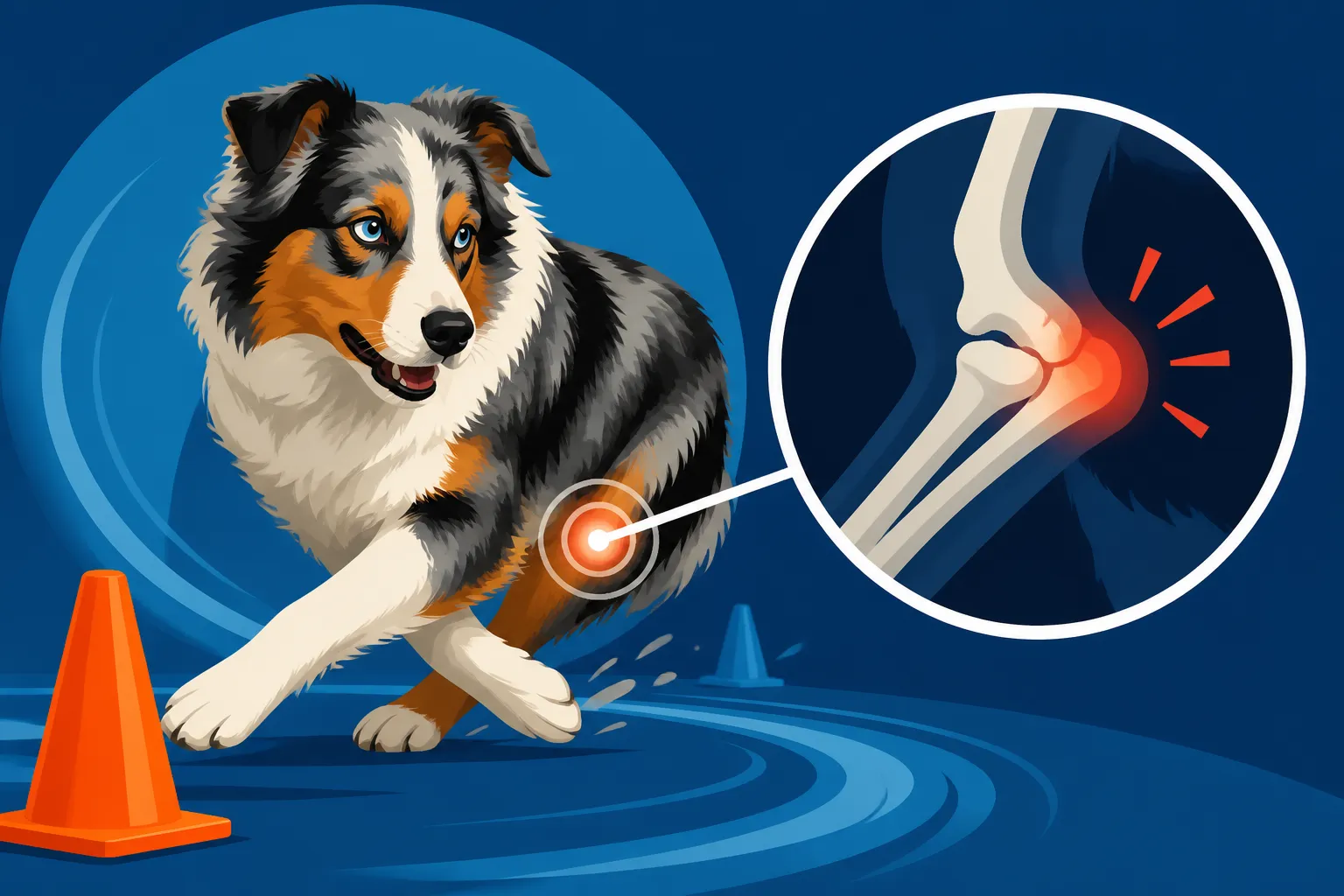
Aussie Elbow Dysplasia From Hard Turning
It’s a heart-wrenching moment when your vibrant, energetic Australian Shepherd, known for its incredible agility and boundless enthusiasm, starts showing signs of lameness or stiffness. Many Aussie owners find themselves frustrated and worried when their dog struggles with activities they once loved, especially after years of hard turning and quick stops. This comprehensive guide aims to demystify elbow dysplasia, a common and often painful joint condition, helping you understand its causes, recognize the symptoms, navigate diagnosis, explore treatment options, and implement preventative measures to support your beloved Aussie's health.
Understanding Elbow Dysplasia in Australian Shepherds
Elbow dysplasia isn't just one simple problem; it's a complex, multi-faceted condition affecting the elbow joint in growing dogs. For Australian Shepherds, a breed renowned for its active lifestyle, sharp turns, and demanding agility work, healthy joints are paramount. When something goes wrong in the elbow during those crucial early months, it can set the stage for a lifetime of discomfort and restricted movement. The frustration many owners feel stems from the insidious nature of this disease, often developing quietly before obvious signs emerge.
The Intricate Nature of Elbow Dysplasia
Imagine the elbow as a perfectly aligned puzzle, where three bones—the humerus (upper arm bone), radius, and ulna (forearm bones)—meet. In a healthy joint, these bones fit together seamlessly, allowing for smooth, pain-free movement. Elbow dysplasia occurs when there's an abnormal development in one or more of these components, leading to an imperfect fit. This misalignment creates friction, abnormal pressure, and eventually, degenerative joint disease, or osteoarthritis. It’s not a sudden injury but a progressive deterioration that starts when a puppy is just a few months old. Owners often recount how their seemingly healthy, playful puppy gradually starts to show stiffness, especially after rest or vigorous play, making them wonder what changed. This slow onset is precisely what makes early detection so challenging and frustrating.
Genetic Predisposition and Contributing Factors
While not exclusively genetic, there's a strong hereditary component to elbow dysplasia, especially in breeds like Australian Shepherds. This means that if a dog's parents or grandparents had elbow dysplasia, there's a higher chance their offspring will too. This genetic predisposition is why responsible breeding practices are absolutely critical. Beyond genetics, several other factors can exacerbate the condition or influence its severity. Rapid growth due to over-nutrition, particularly with diets too high in calories or calcium for a growing large-breed puppy, can put undue stress on developing joints. Similarly, excessive, high-impact exercise in young, still-developing puppies can cause micro-traumas that worsen the underlying architectural flaws in the elbow. It's a tricky balance; you want your Aussie puppy to be active, but too much too soon, especially hard landings or constant jumping, can contribute to problems later on.
Diverse Manifestations of Elbow Dysplasia
Elbow dysplasia isn't a single ailment but a collective term for several specific developmental abnormalities that can occur within the elbow joint. These distinct issues often occur in combination or can lead to each other.
- Fragmented Coronoid Process (FCP): This is one of the most common forms. The coronoid process is a small bony projection on the ulna. In FCP, a piece of this bone breaks off, causing pain and irritation within the joint. This fragment can act like a pebble in a shoe, constantly rubbing and damaging the cartilage.
- Ununited Anconeal Process (UAP): The anconeal process is another bony projection on the ulna. Normally, it fuses with the ulna early in a dog's life. In UAP, this fusion fails to occur, leaving a separate piece of bone that can cause instability and significant pain.
- Osteochondrosis Dissecans (OCD): This condition involves a disturbance in the normal cartilage development, leading to a flap of cartilage (and sometimes bone) detaching from the surface of the joint. This loose flap is excruciating and can lead to severe osteoarthritis if not addressed.
- Elbow Incongruity: This describes a mismatch in the length of the radius and ulna, or an abnormal shape of the joint surfaces. Even tiny discrepancies, fractions of a millimeter, can create abnormal pressure points within the joint, causing cartilage wear and pain.
Each of these conditions, whether alone or in combination, contributes to inflammation and eventually the irreversible changes of arthritis, highlighting why understanding the nuances is so important for long-term management.
Recognizing the Signs of Elbow Dysplasia
Detecting elbow dysplasia in an Australian Shepherd can be tricky because Aussies are often stoic, especially when they're young and full of drive. They push through discomfort, eager to work or play. This means that by the time you notice overt symptoms, the condition might be fairly advanced. Many owners regret not noticing sooner, but it truly takes a keen eye to spot the subtle shifts in behavior or movement.
Subtle Early Indicators in Young Aussies
The earliest signs of elbow dysplasia can appear in puppies as young as 4-7 months old. It's not always a dramatic limp right away. Often, it's a slight hesitancy to put full weight on a limb after a nap, or a subtle stiffness that seems to "warm up" after a few minutes of walking. You might notice them favoring a front leg, shifting their weight more to the opposite side, or standing with their elbows slightly splayed out. Some puppies might also develop a "head bob" when they walk, dipping their head when the painful limb hits the ground. This can be particularly frustrating for owners who are trying their best to provide appropriate exercise, and then wonder if they've pushed their puppy too hard. Observing your puppy during and after play, especially after those intense sessions of chasing a ball or quick turns, can reveal these fleeting signs. Pay attention to how they get up from a lying position, or if they seem reluctant to jump into the car or onto the sofa like they used to.
Progressive Lameness and Stiffness
As the condition progresses, the signs become more pronounced and persistent. You'll likely see a more consistent lameness, especially after exercise or prolonged rest. Your Aussie might be visibly stiff when getting up in the morning, taking longer to loosen up. They might start to avoid certain activities altogether, like running, jumping, or navigating stairs. A significant indicator is when they start to "bunny hop" with their back legs to take pressure off their front end, or walk with a peculiar short, choppy gait in their front limbs. The elbow joint itself might appear swollen or feel warm to the touch, and your dog might react with pain if you try to flex or extend the joint. This progression can be heartbreaking to watch, turning a dog known for its "Aussie zoomies" into one that prefers quiet strolls. This is often the point where owners realize something serious is amiss and seek veterinary attention.
Behavioral Changes Due to Pain
Beyond the physical lameness, chronic pain from elbow dysplasia can manifest in various behavioral changes. A once-gregarious Australian Shepherd might become more withdrawn, less interested in playing with other dogs or interacting with family members. They might become irritable or even snap when touched in the affected area, a clear indication of their discomfort. You might notice them licking or chewing excessively at their elbows, a self-soothing behavior. Some Aussies might struggle to find a comfortable position to lie down, constantly shifting or opting for softer surfaces. They may also lose their appetite or show changes in their sleep patterns. If your Australian Shepherd, usually so keen and engaged, suddenly seems "off" or exhibits personality shifts, it's crucial to consider underlying pain as a potential cause. Ignoring these subtle cues can lead to prolonged suffering and worsening joint damage, emphasizing the need for prompt veterinary evaluation.
Diagnosing Elbow Dysplasia: Getting a Clear Picture
When you suspect your Australian Shepherd might be suffering from elbow dysplasia, getting an accurate diagnosis is the critical next step. It’s a process that often requires a combination of clinical examination and advanced imaging, and it can sometimes feel like a puzzle with many pieces. The good news is that vets have sophisticated tools to pinpoint the problem, easing the anxiety of not knowing what’s truly affecting your beloved companion.
Initial Veterinary Examination and Physical Assessment
Your first stop will be your regular veterinarian. They’ll start with a thorough physical examination, which includes observing your Aussie's gait and posture. They’ll watch how your dog walks, stands, and moves, looking for any lameness, stiffness, or compensatory movements. Next, they will meticulously palpate your dog's joints, carefully feeling the elbows for any swelling, warmth, or abnormal bone structure. They'll also perform range-of-motion tests, gently flexing and extending the elbow joints to assess mobility and elicit any pain responses. It’s important to be honest and detailed about everything you've observed at home, from subtle limping patterns to changes in behavior or appetite. Your observations are invaluable clues, painting a clearer picture for the vet. This initial assessment helps narrow down the possibilities and guides the next diagnostic steps.
Diagnostic Imaging: Unveiling the Hidden Damage
To truly understand what’s happening inside the joint, diagnostic imaging is indispensable.
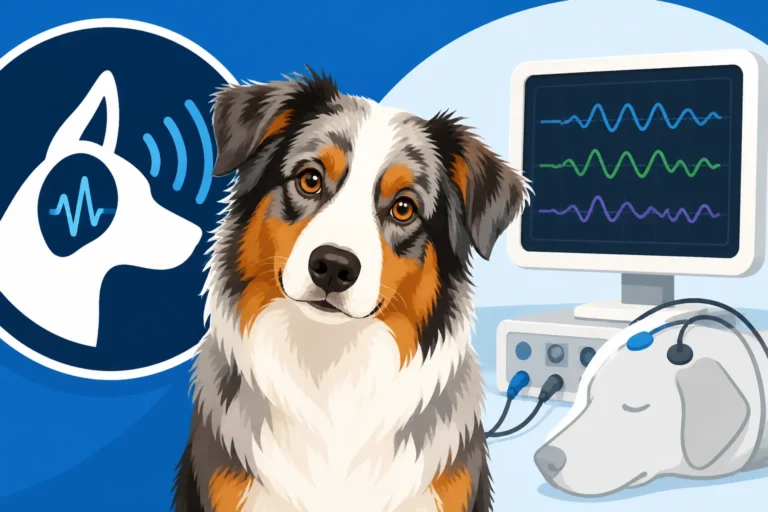
- Radiographs (X-rays): X-rays are usually the first imaging technique employed. Your vet will take specific views of the elbow joints, often with the dog sedated or anesthetized to ensure proper positioning and minimize discomfort. X-rays can reveal clear signs of elbow dysplasia, such as bone fragments, sclerosis (increased bone density), or signs of early osteoarthritis. However, sometimes subtle changes, especially cartilage issues, might not be fully visible on plain X-rays. For more definitive answers, or when X-rays are ambiguous, more advanced imaging might be recommended.
- Computed Tomography (CT) Scans: CT scans offer a much more detailed, three-dimensional view of the bone structures within the elbow. This is particularly useful for identifying small bone fragments like those seen in FCP or UAP, which can be missed on standard X-rays due to overlapping bones. A CT scan provides a comprehensive map of the joint, helping a specialist plan the most effective surgical approach if needed.
- Magnetic Resonance Imaging (MRI): While CT excels at bone imaging, MRI is superior for visualizing soft tissues, including cartilage, ligaments, and tendons. If there's a suspicion of cartilage damage or other soft tissue involvement that isn't clear on CT, an MRI might be recommended.
- Arthroscopy: This is both a diagnostic and often a therapeutic procedure. A tiny camera is inserted into the joint through a small incision, allowing the veterinary surgeon to directly visualize the cartilage surfaces, identify fragments, and assess the overall health of the joint. The advantage here is that minor problems, like small fragments, can often be removed during the same procedure.
The choice of imaging depends on the specific findings, the severity of the symptoms, and what your vet believes will provide the most accurate diagnosis. Knowing that these detailed examinations are necessary can be a little overwhelming, especially with the associated costs. This is where having pet insurance, such as a policy from Healthy Paws, can really make a difference, helping to cover the expenses of these critical diagnostic tools.
The Importance of Early and Accurate Diagnosis
Getting an early and accurate diagnosis of elbow dysplasia is paramount for several reasons. First, it allows for intervention before irreversible damage, like severe osteoarthritis, takes hold. The sooner you know the extent of the problem, the sooner you can start appropriate treatment, whether conservative or surgical. Early diagnosis also helps to manage your expectations regarding your Aussie's long-term mobility and quality of life. Without a clear diagnosis, you might inadvertently allow your dog to engage in activities that worsen the condition, prolonging their pain and complicating future treatment. Moreover, if you've ever considered breeding your Australian Shepherd, an accurate diagnosis is crucial for making informed decisions to prevent passing on genetic predispositions. This proactive approach not only benefits your current dog but also contributes to the overall health of the breed, helping reduce the incidence of painful conditions like elbow dysplasia in future generations. This thorough diagnostic process is a vital investment in your Aussie's well-being.
Managing Elbow Dysplasia: Treatment and Support
Once elbow dysplasia is diagnosed, the focus shifts to management. There's no one-size-fits-all solution, as the best approach depends on the severity of the condition, your dog's age, and the specific abnormalities present. The goal is always to minimize pain, maintain function, and slow the progression of osteoarthritis, allowing your Australian Shepherd to live as comfortably and actively as possible. It's a journey that often requires a multi-modal approach and a lot of patience from the owner.
Conservative Management: A Multifaceted Approach
For many Australian Shepherds, especially those with milder forms of elbow dysplasia or those who aren't candidates for surgery, conservative management can provide significant relief and improve their quality of life. This approach focuses on alleviating symptoms and supporting joint health without surgical intervention.
- Pain Control and Anti-inflammatory Medications: Non-steroidal anti-inflammatory drugs (NSAIDs) are a cornerstone of pain management. Brands like Rimadyl, Galliprant, or Previcox can reduce pain and inflammation, making your Aussie more comfortable. Your vet will work with you to find the right medication and dosage, often starting with a loading dose and then tapering to the lowest effective maintenance dose. For more severe pain, other medications or even multimodal pain protocols might be employed.
- Weight Management: This cannot be stressed enough. Every extra pound your Australian Shepherd carries puts immense stress on already compromised joints. Maintaining a lean body condition is one of the most effective ways to reduce pain and slow the progression of osteoarthritis. This often means carefully measuring food portions and limiting high-calorie treats. For guidance on appropriate feeding, you might want to look at information on "Feeding an Australian Shepherd That Works All Day" or "Australian Shepherd Weight Control on a Working Frame."
- Physical Therapy and Controlled Exercise: Just as in humans, physical therapy can be incredibly beneficial. This might include hydrotherapy (swimming or underwater treadmill), therapeutic exercises to build muscle strength around the joint, passive range of motion exercises, and massage. The goal is to maintain muscle mass, improve flexibility, and enhance circulation without putting excessive strain on the joint. Controlled, low-impact exercise, such as leash walks on soft surfaces, is preferred over high-impact activities like jumping or agility.
- Joint Supplements: Glucosamine, chondroitin sulfate, MSM, and Omega-3 fatty acids are popular supplements believed to support cartilage health and reduce inflammation. While results can vary, many owners report improvement in their dogs' comfort levels with consistent use. Brands like Cosequin, Dasuquin, or even vet-specific formulations are widely available.
- Environmental Modifications: Making your home more joint-friendly can also help. This includes providing orthopedic beds, using ramps instead of stairs, and ensuring good traction on slippery floors with rugs or non-slip mats.
The comprehensive nature of conservative management means it's an ongoing commitment, but one that can significantly enhance your Aussie's comfort and mobility.
Surgical Options: When and Why
When conservative management isn't enough, or if the specific type of elbow dysplasia warrants it, surgery may be the best course of action. The goal of surgery is to correct the underlying anatomical problem, remove painful fragments, or alleviate pressure within the joint.
- Arthroscopic Surgery: This minimally invasive procedure is often used to remove fragmented coronoid processes (FCP) or osteochondrosis dissecans (OCD) flaps. Because it uses small incisions and a camera, recovery is generally quicker than with traditional open surgery.
- Osteotomy Procedures: For conditions like elbow incongruity, where there's a mismatch in bone length, osteotomy procedures (cutting and reshaping bone) might be performed. A common example is a Proximal Abducting Ulnar Osteotomy (PAUL) which aims to shift weight distribution in the joint.
- Fragment Removal: For ununited anconeal processes (UAP), the loose anconeal process may be reattached with a screw or, if severely damaged, removed.
- Total Elbow Replacement (TER): This is a highly specialized and expensive procedure typically reserved for severe, end-stage osteoarthritis where other treatments have failed. It's less common than hip replacements in dogs but can offer significant pain relief and improved function in select cases.
Deciding on surgery is a big decision, not just emotionally but financially. Surgical costs for procedures like those addressing elbow dysplasia can range from a few thousand dollars per elbow for arthroscopy to significantly more for more complex procedures. This is another area where a robust pet insurance plan, such as those offered by Healthy Paws, can provide invaluable support, making these critical interventions more accessible.
Long-Term Care and Lifestyle Adjustments
Regardless of the treatment path, living with an Australian Shepherd with elbow dysplasia means committing to long-term care and significant lifestyle adjustments. This isn't a condition that "goes away"; it requires ongoing management.
- Regular Veterinary Check-ups: Regular visits to your vet are crucial to monitor your Aussie's pain levels, assess joint health, and adjust medications or therapies as needed. They might recommend periodic X-rays to track the progression of arthritis.
- Managed Exercise Routine: The days of spontaneous, high-impact activities might be over. Instead, focus on consistent, moderate, low-impact exercise. This might include structured leash walks, swimming, or short, supervised play sessions on soft ground. Avoiding extreme cold or excessive heat can also help manage discomfort.
- Ongoing Physical Therapy: Many dogs benefit from continued physical therapy exercises at home, or periodic sessions with a certified canine rehabilitation therapist. This helps maintain strength and flexibility.
- Nutritional Support: Beyond weight management, continuing with joint-supportive diets or supplements is often recommended for life.
- Emotional Support: Remember, chronic pain can be emotionally taxing for dogs. Providing a stable, loving, and comfortable environment is just as important as the medical interventions.
By embracing these strategies, you can help your Australian Shepherd continue to enjoy a fulfilling life, even with the challenges of elbow dysplasia. Understanding that this is a marathon, not a sprint, will help you provide the consistent care your Aussie needs.
Prevention Strategies for Australian Shepherd Elbow Health
While genetics play a significant role in elbow dysplasia, there are actionable steps owners and breeders can take to reduce its incidence and severity. The goal is to give Australian Shepherd puppies the best possible start and support their joint health throughout their lives. It's about being proactive, informed, and making responsible choices.
Responsible Breeding Practices and Genetic Screening
The most impactful preventative measure against elbow dysplasia begins with responsible breeding. Since there is a strong hereditary component, breeders have a moral and ethical obligation to screen their breeding stock.
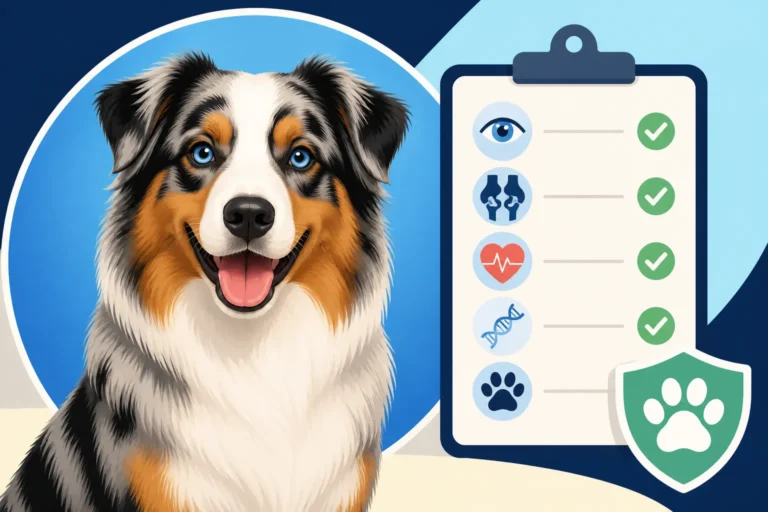
- Orthopedic Foundation for Animals (OFA) Evaluations: The OFA is a widely recognized organization that certifies the orthopedic health of breeding dogs. For elbow dysplasia, dogs are typically X-rayed at two years of age or older. The X-rays are then evaluated by a panel of radiologists who grade the elbows as normal or dysplastic (Grades I, II, or III). Only dogs with "Normal" elbow grades should be used for breeding. Any breeder who claims to prioritize the health of their lines will have these certifications readily available for both parents of a litter. When looking for a puppy, always ask to see the OFA certifications for the parents; a reputable breeder will be proud to share them. You can delve deeper into understanding these evaluations by researching "Australian Shepherd Hip Dysplasia and OFA Scoring," which is another crucial health test.
- Avoiding Dysplastic Lines: Reputable breeders will not breed dogs diagnosed with elbow dysplasia, nor will they breed dogs with a high incidence of dysplasia in their immediate lineage, even if the individual dog appears outwardly healthy. It's about looking at the bigger picture of the family tree.
- Genetic Panel Testing: While a direct genetic test for elbow dysplasia isn't widely available in the same way as for conditions like MDR1, breeders can utilize broader genetic health panels to ensure overall robustness and identify other potential hereditary issues. Understanding The Genetic Panel Every Australian Shepherd Needs is important for comprehensive health screening.
Choosing a puppy from a breeder who meticulously screens their dogs and prioritizes health over trends is the single most important step you can take to prevent elbow dysplasia in your Australian Shepherd.
Puppy Development: Controlled Exercise and Nutrition
The way a puppy is raised during its crucial growth phase (from about 3 to 18 months) can significantly influence whether it develops or exacerbates elbow dysplasia. It's a delicate balance of providing enough activity without overdoing it.
- Controlled Exercise: High-impact activities like excessive jumping, leaping, prolonged running on hard surfaces, or repetitive fetch sessions that involve abrupt stops and turns, should be strictly limited in growing puppies. Think about the impact of "Aussie Elbow Dysplasia From Hard Turning" – these behaviors put incredible stress on developing joints. Instead, encourage controlled, low-impact exercise. Leash walks on soft ground, short play sessions with appropriate breaks, and swimming are excellent choices. Young puppies should not be forced to keep up with adult dogs on long hikes or runs. Understanding "Exercise Limits for a Growing Australian Shepherd" is key to protecting their developing joints.
- Proper Nutrition: Feeding a high-quality, large-breed puppy food specifically formulated for slow growth is vital. These diets are designed to provide appropriate levels of calories, calcium, and phosphorus to prevent rapid growth spurts that can stress developing bones and joints. Avoid supplementing with extra calcium unless specifically instructed by your vet, as this can actually be detrimental. Monitoring your puppy’s body condition to ensure they stay lean and don’t become overweight is also crucial. For more guidance on this, consider exploring "Australian Shepherd Puppy Growth Chart" or "Feeding an Aussie Puppy to Fifty Pounds."
By managing exercise and nutrition carefully, you help create an optimal environment for healthy joint development, even in genetically predisposed puppies.
Lifestyle Choices: Maintaining Health and Preventing Further Damage
Even for adult Australian Shepherds, or those with a mild, managed case of elbow dysplasia, ongoing lifestyle choices can make a significant difference in their long-term comfort and joint health.
- Maintaining a Healthy Weight: This continues to be a top priority throughout an Aussie’s life. Even a few extra pounds can greatly increase the load on the elbow joints, accelerating the progression of arthritis. Regularly assess your dog’s body condition, ensuring you can feel their ribs easily without seeing them prominently, and that they have a visible waist. If weight is an issue, look into "How Weight Multiplies the Load on Aussie Joints" for specific strategies.
- Appropriate and Consistent Exercise: While high-impact activities should still be avoided or modified, regular, moderate exercise is essential for maintaining muscle strength, joint flexibility, and overall health. Short, consistent walks, swimming, or mentally stimulating activities that don't put strain on the joints are ideal. Think about activities that build muscle without jarring impacts.
- Joint Supplements: Continue with veterinary-recommended joint supplements. These may include glucosamine, chondroitin, MSM, and Omega-3 fatty acids, which can help support cartilage health and reduce inflammation.
- Regular Veterinary Care: Consistent check-ups allow your vet to monitor your Aussie's joint health, detect any signs of worsening pain or arthritis, and adjust management strategies as needed. Discussing options for "Starting Joint Support on a Young Working Aussie" can also be beneficial if your dog is active.
- Early Intervention for Pain: Don’t wait until your Aussie is overtly limping or screaming in pain. If you notice subtle changes in gait, reluctance to perform certain movements, or behavioral shifts, consult your vet immediately. Early intervention for pain can prevent a cascade of compensatory issues and further damage.
By being diligent with these lifestyle choices, you empower your Australian Shepherd to live a more comfortable and active life, minimizing the impact of elbow dysplasia for as long as possible.
Comparative Overview of Elbow Dysplasia Treatments
Choosing the right treatment path for elbow dysplasia in your Australian Shepherd can be a complex decision. Here's a comparative look at conservative and surgical approaches to help you understand the options.
| Feature | Conservative Management | Surgical Intervention |
|---|---|---|
| Primary Goal | Pain reduction, slowing arthritis progression, improving comfort and function | Correcting anatomical defects, removing fragments, alleviating pressure |
| Best For | Mild cases, older dogs, dogs with diffuse arthritis, or those not candidates for surgery | Younger dogs, specific correctable defects (FCP, UAP, severe incongruity), severe pain |
| Invasiveness | Non-invasive | Minimally invasive (arthroscopy) to highly invasive (osteotomy, TER) |
| Recovery Time | Ongoing management, gradual improvement, no distinct "recovery" phase | Weeks to months, typically with strict activity restrictions and physical therapy |
| Cost Implications | Long-term medication, supplements, physical therapy, weight management diet | Significant upfront cost for surgery, imaging, anesthesia, and post-op care; potential for insurance coverage from Healthy Paws |
| Effectiveness | Can provide good quality of life, but doesn't fix underlying defect | Can provide significant long-term improvement, but doesn't guarantee a "normal" joint; arthritis will still progress |
| Risks | Progression of arthritis, potential for long-term drug side effects | Anesthesia risks, infection, implant failure, nerve damage, persistent lameness |
| Owner Commitment | High daily commitment to medications, exercise management, diet | High commitment to strict post-op care, physical therapy, and long-term management |
Disclaimer
This article is intended for informational purposes only and does not constitute veterinary advice. Always consult with a qualified veterinarian for any health concerns or before making any decisions about your Australian Shepherd's medical care. The information provided here should not be used as a substitute for professional veterinary diagnosis or treatment.