Whether an MDR1 Australian Shepherd Should Be Bred
It’s a tough question many Australian Shepherd owners grapple with: if your beloved Aussie carries the MDR1 gene mutation, should you consider breeding them? This isn't just about passing on a trait; it's about the health and well-being of future generations and the ethical responsibilities that come with breeding. This guide will walk you through the complexities of the MDR1 mutation, what your dog's test results mean, and the thoughtful considerations necessary to make responsible breeding decisions.
Understanding the MDR1 Mutation in Australian Shepherds
The MDR1 (Multi-Drug Resistance 1) gene, also known as ABCB1, is a vital part of a dog's genetic makeup. Its job is to produce a protein called P-glycoprotein, which acts like a gatekeeper. This protein pumps certain drugs and toxins out of the brain and other sensitive organs, protecting the dog from their harmful effects. When a dog has a mutation in the MDR1 gene, this gatekeeper doesn't work correctly, leading to a buildup of these drugs in the system, particularly in the brain, which can cause severe, even fatal, neurological reactions.
The Genetic Basis of MDR1 in Aussies
The MDR1 mutation is an inherited condition, meaning it's passed down from parent to offspring. Australian Shepherds, along with several other herding breeds like Collies, Shetland Sheepdogs, and Border Collies, have a higher prevalence of this specific genetic fault. It's not a rare anomaly; in fact, The MDR1 Mutation Half of Australian Shepherds Carry is a statistic that highlights just how common this gene can be within the breed. This mutation is usually identified through a simple DNA test, often a cheek swab, which provides a definitive answer about a dog's MDR1 status.
The mutation is autosomal recessive with incomplete penetrance, which sounds complicated, but essentially means that a dog needs to inherit two copies of the mutated gene (one from each parent) to be fully "affected" and highly sensitive to certain drugs. However, even dogs that inherit only one copy (carriers) can sometimes show mild sensitivity, although this is less common. This complex inheritance pattern is precisely why understanding your dog's genetic panel is so crucial before even thinking about breeding. Without knowing the genetic status of both prospective parents, you're essentially breeding blind, with potentially devastating consequences for the puppies.
Why the MDR1 Mutation Matters for Offspring
If you decide to breed an Australian Shepherd with the MDR1 mutation, you are directly impacting the genetic health of their puppies. At its core, responsible breeding aims to improve the health and well-being of the breed, not introduce or perpetuate known health risks. When an Australian Shepherd inherits two copies of the mutated MDR1 gene (meaning they are "affected"), they face a lifetime of potential drug sensitivities. This isn't just an inconvenience; it can be life-threatening. Common medications used for parasite control, anesthesia, and even anti-diarrheal drugs can become toxic.
Imagine a scenario where a new puppy owner rushes their dog to the emergency vet for a sudden illness, and the vet administers a standard drug like ivermectin for suspected parasites. If that puppy is MDR1 affected, it could suffer severe neurological symptoms, seizures, coma, or even death, all because of a genetic predisposition passed down from its parents. This places an immense burden, both emotional and financial, on the new owner. While pet insurance plans from companies like Healthy Paws can help manage the financial aspect of unexpected health crises, preventing such crises in the first place is paramount for responsible breeders. Understanding The Drugs an MDR1 Australian Shepherd Cannot Take is a basic responsibility for anyone considering breeding an Australian Shepherd.
Decoding Your Australian Shepherd's MDR1 Test Results
Before any breeding decisions can be made, comprehensive genetic testing is non-negotiable. A simple cheek swab can be sent to a reputable lab, and the results will typically come back as one of three classifications: Normal/Normal (N/N), Carrier (N/M), or Affected (M/M). Each of these statuses carries different implications for the dog's own health and its suitability as a breeding animal. It’s not enough to just get the test; you need to understand Reading an Aussie MDR1 Result Line by Line to truly grasp its meaning.
Decoding 'Normal/Normal' or 'N/N' Results
A "Normal/Normal" (N/N) result means your Australian Shepherd has two healthy copies of the MDR1 gene. They will produce the fully functional P-glycoprotein, and therefore, they are not expected to show sensitivity to drugs affected by the MDR1 mutation. From a genetic standpoint, an N/N dog is ideal for breeding in relation to MDR1 because they will only pass on the healthy gene to their offspring.
This status offers the most flexibility in breeding pairings, as you can breed an N/N dog with any other dog (N/N, N/M, or M/M) without the risk of producing affected (M/M) puppies. While this is the most straightforward result, it's crucial to remember that MDR1 is just one piece of the puzzle. A truly responsible breeder also considers a wide array of other genetic health clearances, temperament, conformation, and working ability. An N/N MDR1 status is excellent, but it does not negate the importance of other The Genetic Panel Every Australian Shepherd Needs.
The Nuances of 'Carrier' or 'N/M' Status
An Australian Shepherd classified as a "Carrier" (N/M) has one normal copy of the MDR1 gene and one mutated copy. This means they are generally healthy and do not typically exhibit drug sensitivities themselves, though some anecdotal reports suggest Whether an MDR1 Carrier Australian Shepherd Ever Reacts to certain medications in rare cases. The presence of one normal gene is usually enough for the P-glycoprotein to function adequately, providing sufficient protection.
However, a carrier dog can pass on the mutated gene to its offspring. This is where responsible breeding becomes critical. If an N/M carrier is bred to another N/M carrier, there is a 25% chance that each puppy in the litter will inherit two copies of the mutated gene and be "affected" (M/M). There's also a 50% chance of producing more N/M carriers and a 25% chance of N/N normal puppies. Therefore, breeding a carrier requires careful consideration and a commitment to only pairing them with N/N mates to ensure no affected puppies are produced.
Living with an 'Affected' or 'M/M' Australian Shepherd
An "Affected" (M/M) Australian Shepherd has two copies of the mutated MDR1 gene, meaning they inherited one from each parent. These dogs are highly sensitive to a range of common medications. Administering certain drugs, even at standard doses, can lead to severe adverse reactions, including neurological symptoms like tremors, disorientation, seizures, blindness, coma, and even death. It is absolutely vital that any vet treating an M/M Australian Shepherd is aware of their status, which is why Telling Your Vet an Australian Shepherd Is MDR1 Positive is non-negotiable.
Due to these significant health risks, an M/M Australian Shepherd should never be bred. Breeding an affected dog would guarantee that all of its offspring would at least be carriers (if bred to an N/N dog) or, more likely, affected themselves (if bred to another N/M or M/M dog). The ethical imperative here is clear: to prevent the creation of more dogs with this debilitating genetic condition. The potential suffering for the dog and the heartache for its future owners simply isn't worth it.
Ethical Considerations for Breeding MDR1 Aussies
When it comes to breeding Australian Shepherds, especially those with genetic predispositions like MDR1, ethics must always be at the forefront. The goal is to produce healthy, well-adjusted puppies that contribute positively to the breed. This means making choices that prioritize the welfare of the dogs above all else, even if it means retiring a beloved dog from a breeding program.
Preventing Affected Puppies
The most fundamental ethical principle when dealing with MDR1 is to absolutely prevent the birth of affected (M/M) puppies. These puppies are born with a known, serious health risk that will impact their entire lives. They require constant vigilance regarding medication and can face life-threatening situations from routine veterinary care if their status isn't known and accommodated.
Any breeding pair where both parents are MDR1 carriers (N/M x N/M) carries a 25% risk of producing affected puppies. This is an unacceptable risk for a responsible breeder. Similarly, breeding an affected dog (M/M) to any other dog will either produce 100% carriers (M/M x N/N) or a mix of carriers and affected offspring (M/M x N/M or M/M x M/M). Therefore, the only truly ethical approach for an N/M carrier is to breed them only with a confirmed N/N (Normal/Normal) mate. This pairing guarantees that no M/M (affected) puppies will be born, though approximately half of the litter will be N/M carriers, and the other half N/N.
The Role of Genetic Testing in Responsible Breeding
Genetic testing is the cornerstone of responsible breeding, particularly for conditions like MDR1. It provides breeders with the invaluable knowledge needed to make informed decisions and avoid preventable health issues. Any Australian Shepherd considered for breeding must undergo an MDR1 test, along with other essential health screenings for conditions common in the breed, such as hip and elbow dysplasia, eye clearances, and other genetic diseases like Hereditary Cataracts Clouding an Aussie Eye.
A reputable breeder will not only test their breeding stock but will also be transparent about the results with prospective puppy buyers. This transparency is crucial for the lifetime health management of the puppy. Genetic testing allows breeders to strategically plan pairings, ensuring that they are working towards healthier generations of Australian Shepherds. It’s an investment in the future of the breed, helping to reduce the incidence of debilitating genetic conditions.
Making Informed Breeding Decisions
Navigating the complexities of breeding, especially with a genetic factor like MDR1, requires thorough research, ethical commitment, and open communication. It's not just about what can be done, but what should be done for the betterment of the breed.
Breeding Scenarios and Outcomes for MDR1 Status
Let's look at the possible breeding outcomes based on the MDR1 status of the parent dogs. This table clearly illustrates why certain pairings are considered responsible and others are not.
Sire's MDR1 Status Dam's MDR1 Status Potential Offspring Status Ethical Breeding? Notes Confidential Disclaimer: The information provided is for general knowledge and informational purposes only. It is not intended to be a substitute for professional veterinary advice, diagnosis, or treatment. Always seek the advice of your veterinarian or other qualified health provider with any questions you may have regarding a medical condition or treatment, and before undertaking any new health care regimen.
The question of whether to breed an Australian Shepherd diagnosed with the MDR1 mutation is a significant one, raising complex ethical, genetic, and practical concerns for responsible breeders and owners. It's not a decision to be taken lightly, as it directly impacts the health and quality of life for future generations of these wonderful dogs.
The Significance of the MDR1 Mutation for Breeding
The MDR1 gene, or Multi-Drug Resistance 1, plays a crucial role in a dog's body, specifically in protecting the brain from certain toxins and drugs. It codes for P-glycoprotein, a protein that acts as a pump, moving various substances out of the brain and into the bloodstream for elimination. When this gene is mutated, as it often is in Australian Shepherds and other herding breeds, the P-glycoprotein either isn't produced or doesn't function correctly, allowing drugs to accumulate in the brain and cause severe neurological toxicity.
The ethical dilemma with breeding an MDR1 positive Australian Shepherd is rooted in the desire to eliminate preventable genetic diseases while preserving the valuable traits and genetic diversity within the breed. The mutation itself doesn't cause illness unless specific drugs are administered, but the potential for severe adverse reactions is a lifelong risk for affected dogs and a constant worry for their owners. Understanding these risks is paramount, especially when considering the long-term well-being of any puppies that might be produced.
Understanding Your Aussie's Genetic Status
Before any breeding decisions can be made, it is absolutely essential to have your Australian Shepherd genetically tested for the MDR1 mutation. This is typically done through a simple cheek swab and provides a definitive answer about your dog's status. The results will typically fall into one of three categories:
- Normal/Normal (N/N): This means your dog has two healthy copies of the MDR1 gene and will not be sensitive to affected drugs. They can only pass on a normal gene to their offspring.
- Carrier (N/M or N/MDR1): Your dog has one normal copy and one mutated copy of the MDR1 gene. While generally healthy and usually not sensitive to typical doses of affected drugs, they can pass on the mutated gene to their offspring. What a Carrier MDR1 Result Means for an Aussie is a critical piece of information for any potential breeder.
- Affected (M/M or MDR1/MDR1): Your dog has two copies of the mutated MDR1 gene. They are highly sensitive to drugs affected by the mutation and will pass on a mutated gene to all their offspring. These dogs face significant health risks if exposed to certain common medications.
Knowing your dog's precise genetic status is the first, non-negotiable step. Without this information, you are risking the health of an entire litter and contributing to the perpetuation of a known genetic problem within the breed. It is part of the broader commitment to understanding your dog's complete genetic profile, which often includes a comprehensive The Genetic Panel Every Australian Shepherd Needs.
The Risks of Breeding an MDR1 Carrier
While an MDR1 carrier (N/M) Australian Shepherd usually lives a normal, healthy life without drug sensitivities, the decision to breed them carries significant responsibility. The primary concern is the risk of producing "affected" (M/M) puppies. If two MDR1 carriers (N/M x N/M) are bred together, statistically, 25% of their puppies will be N/N (normal), 50% will be N/M (carriers), and a heartbreaking 25% will be M/M (affected).
Creating affected puppies is widely considered irresponsible and unethical by reputable breeders and canine health organizations. These puppies are born with a known, preventable condition that will dictate many of their future medical treatments. They will require lifelong careful management, and their owners will need to be hyper-vigilant about informing every veterinarian and emergency staff about their dog's MDR1 status. This can be a huge burden, and in a crisis, a simple mistake could cost a puppy its life. Even with the best intentions and the financial safety net of pet insurance from companies like Healthy Paws, it's a completely avoidable risk that no responsible breeder should knowingly take.
Therefore, if you choose to breed an MDR1 carrier Australian Shepherd, it is absolutely imperative that you only pair them with a mate that is known to be Normal/Normal (N/N) for MDR1. This pairing (N/M x N/N) ensures that no affected (M/M) puppies will be born. In this scenario, statistically, 50% of the puppies will be N/N and 50% will be N/M. While you would still be producing carriers, these carriers typically lead healthy lives, and their future owners can be informed of their status, allowing them to make responsible choices if they ever consider breeding.
Ethical Breeding Practices and Decision-Making
For Australian Shepherd breeders, making ethical choices extends beyond just avoiding affected puppies. It involves a holistic approach to genetic health, temperament, and the overall well-being of the breed. Each breeding decision contributes to the genetic legacy of Australian Shepherds for generations to come.
The Clear 'No' to Breeding Affected Aussies
Let's be unequivocally clear: an Australian Shepherd that is MDR1 Affected (M/M) should never be bred. Breeding an M/M dog would guarantee that every single puppy produced would inherit at least one copy of the mutated gene. If bred to an N/N dog, all puppies would be carriers. If bred to an N/M dog, there would be a 50% chance of affected puppies. If bred to another M/M dog, all puppies would be affected.
The ethical implications of knowingly bringing M/M puppies into the world are severe. These dogs require specialized care and attention throughout their lives, and accidental exposure to contraindicated drugs can lead to tragic outcomes. To intentionally produce dogs with such a profound and preventable genetic vulnerability runs contrary to the principles of responsible breeding. The focus for an M/M Aussie should be on providing them with the safest, healthiest, and happiest life possible, ensuring that every vet visit and medication prescribed is carefully reviewed to avoid adverse drug reactions. For owners of affected dogs, understanding Emergency Vet Instructions for an MDR1 Australian Shepherd is crucial.
Breeding Carriers with Care and Transparency
If your Australian Shepherd is an MDR1 carrier (N/M) and possesses exceptional qualities in terms of temperament, health clearances (beyond MDR1), conformation, and working ability that would genuinely benefit the breed, then breeding them might be considered, but only under extremely strict conditions. The paramount rule, as discussed, is to only breed an N/M dog to an N/N dog. This eliminates the risk of producing affected puppies.
However, the responsibility doesn't end there. Transparency with potential puppy buyers is non-negotiable. Every buyer of a puppy from an N/M x N/N pairing must be fully informed that their puppy has a 50% chance of being an MDR1 carrier. They should receive a copy of the parents' genetic test results and understand what a carrier status means for their dog's potential offspring and its own health, however minimal the risk. Providing new owners with detailed information about The Cheek Swab That Tests Australian Shepherd MDR1 for their puppy can empower them to make informed decisions about their dog's future care. They should also be advised on the importance of notifying their veterinarian about the puppy's lineage and potential carrier status, even if their dog does not show symptoms. This proactive communication can save lives and prevent unnecessary suffering.
Many reputable breeders opt to remove N/M carriers from their breeding programs entirely, especially with the prevalence of the MDR1 gene in the Australian Shepherd population. The goal for many is to eventually eliminate the mutation from their lines altogether. While this is an admirable long-term goal, it's also important to consider that overly strict culling of carriers could inadvertently narrow the gene pool too much, potentially leading to other genetic problems down the line. It's a delicate balance between eliminating a known defect and maintaining genetic diversity, a challenge often explored in discussions around How MDR1 Spread Through Australian Shepherd Lines.
Considerations Beyond Genetics for Responsible Breeding
While MDR1 is a crucial genetic factor, it is only one piece of the complex puzzle of responsible Australian Shepherd breeding. A truly ethical breeder considers a myriad of factors to ensure they are contributing to the betterment of the breed.
Comprehensive Health Screening
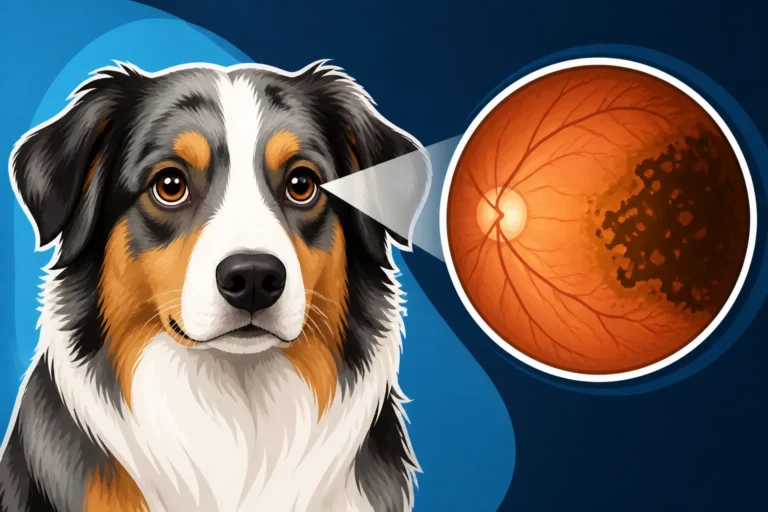
Beyond MDR1, responsible breeders perform a full panel of health screenings. This includes evaluations for hip and elbow dysplasia, often through organizations like the Orthopedic Foundation for Animals (OFA), and eye examinations by a board-certified veterinary ophthalmologist (ACVO) to check for conditions like Collie Eye Anomaly (CEA) or hereditary cataracts. Thyroid function, cardiac health, and other breed-specific genetic tests are also vital. For instance, considering potential issues like Australian Shepherd Hip Dysplasia and Working Joints is just as important as knowing their MDR1 status.
The goal is to breed dogs that are healthy not just in one aspect, but across the board, reducing the likelihood of passing on multiple debilitating conditions. This proactive approach to health helps ensure that the puppies born are robust, long-lived, and free from unnecessary suffering, leading to happier lives for the dogs and their families. This level of comprehensive care can be expensive, highlighting why many owners seek out pet insurance from providers like Healthy Paws to cover future, unexpected health needs, even with the most rigorously bred puppies.
Temperament and Structure
A dog's genetic health is critical, but so are its temperament and physical structure. An Australian Shepherd should embody the breed's ideal characteristics: intelligence, loyalty, a strong work ethic, and a generally stable, confident demeanor. Breeding dogs with known behavioral issues, such as extreme shyness, fear aggression, or excessive reactivity, is irresponsible, regardless of their genetic health.
Similarly, good physical structure is essential for a working breed like the Australian Shepherd. Dogs should be sound, well-balanced, and capable of performing the tasks they were bred for without undue strain or discomfort. This means assessing their gait, bone structure, and overall athleticism. Breeding for structure helps ensure the longevity and comfort of the dog, reducing the risk of injuries and joint problems later in life, and ultimately contributing to Australian Shepherd Lifespan Across Twelve to Fifteen Years.
Open Communication with Puppy Buyers
Ultimately, responsible breeding means building trust and maintaining open communication with prospective puppy owners. This includes:
- Full Disclosure: Providing all health clearances for both parents, including MDR1 status, and explaining what those results mean for the puppy.
- Education: Guiding new owners on how to care for their puppy, including specific considerations for MDR1 carriers (e.g., informing their vet).
- Support: Being available to answer questions and offer guidance throughout the puppy's life.
A good breeder acts as a mentor and resource, committed to the well-being of every puppy they bring into the world. This commitment ensures that even if a puppy is an MDR1 carrier, its new family is fully equipped with the knowledge and resources to provide it with a healthy and safe life.
Disclaimer
The information provided in this article is for educational and informational purposes only and does not constitute veterinary medical advice. Always consult with a qualified veterinarian for diagnosis and treatment of any medical condition or before making any decisions related to your pet's health or breeding. Genetic testing results should be interpreted by a veterinary professional, and breeding decisions should be made in consultation with experienced breeders and veterinarians.