Why Merle-to-Merle Aussie Breeding Is Called Reckless
It's incredibly frustrating and heartbreaking to see beautiful Australian Shepherds born with severe health issues due to irresponsible breeding practices. Many new and even experienced Aussie owners are unaware of the dangers associated with certain genetic pairings. This guide will meticulously unpack why merle-to-merle Australian Shepherd breeding is widely condemned as reckless and what devastating consequences it can have for these beloved dogs and their future families.
Understanding the Merle Gene in Australian Shepherds
The merle gene is responsible for those stunning, unique swirled patterns of diluted pigment that make many Australian Shepherds so visually striking. It's what gives us those captivating blue merle and red merle coats with their patches of darker, solid color. But beneath the surface of this beautiful coat pattern lies a complex genetic mechanism that, when mishandled, can lead to severe health problems.
How Merle Creates Unique Coat Patterns
At its core, the merle gene (often denoted as 'M') is a dilution gene. It essentially takes a dog's base coat color – whether black or red – and dilutes random areas of it, creating lighter patches and often blue or odd-colored eyes. A single copy of the merle gene (Mm) results in the classic merle pattern we all admire. This single copy typically produces a healthy, vibrant dog with the desired coat. Think of it as a painter strategically lightening parts of their canvas to create depth and interest. This is the genetic magic behind what makes a blue merle Australian Shepherd stand out in a crowd. You can dive deeper into The Merle Gene and How It Dilutes Aussie Coat to understand the nuances of these patterns.
However, the merle gene doesn't just affect coat color. It's a pleiotropic gene, meaning it influences multiple seemingly unrelated traits. This is where the danger lies. While it gives us breathtaking coats, it also has a hand in the development of the eyes and inner ears. A reputable breeder understands this dual nature and respects the power of this gene, knowing that while it can create beauty, it also carries a significant responsibility.
The Difference Between Single Merle and Double Merle
The crucial distinction, and the core of the recklessness in certain breeding practices, lies in the number of merle gene copies a dog carries. A single merle dog (Mm) has one copy of the merle gene and one non-merle gene (m). These dogs are generally healthy and possess the characteristic merle coat. When two non-merle dogs (mm x mm) are bred, all puppies will be non-merle. When a merle dog (Mm) is bred to a non-merle dog (mm), statistics suggest that roughly half the litter will be merle (Mm) and half will be non-merle (mm), all typically healthy.
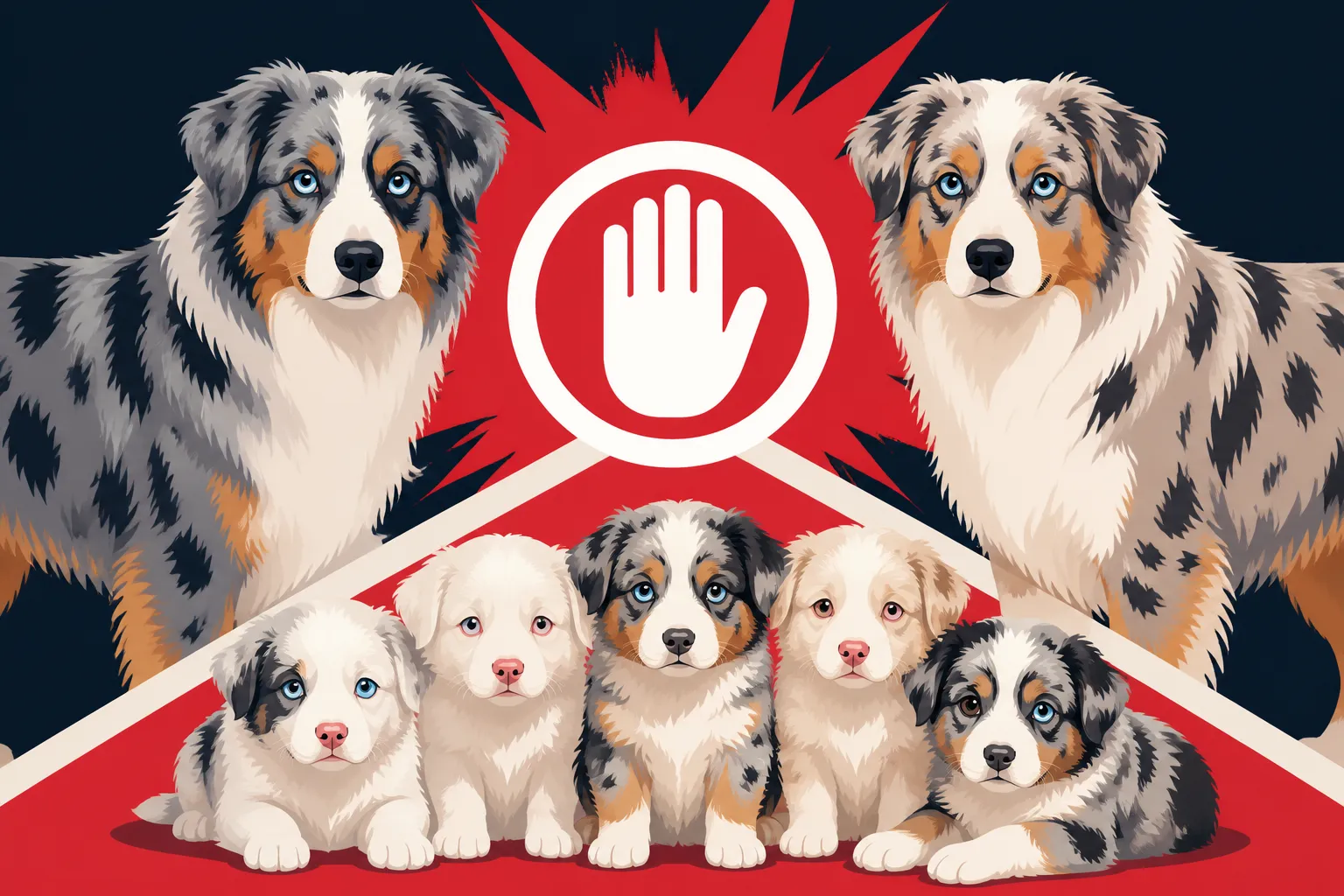
The problem arises when two merle dogs (Mm x Mm) are bred together. This pairing has a 25% chance of producing puppies with two copies of the merle gene (MM), known as "double merles" or "homozygous merles." Another 50% of the litter will be single merle (Mm), and 25% will be non-merle (mm). It's the double merle individuals, those precious puppies born with two dominant merle genes, who face the most severe health challenges. These dogs are often predominantly white, or have large areas of white, particularly on their head, a tell-tale sign of the double merle genotype. This dilution is not just aesthetic; it signals significant developmental issues. It's why Why Aussie Breeders Never Cross Merle to Merle is an unwavering rule in ethical breeding circles.
The Devastating Risks of Double Merle Breeding
The term "reckless" isn't an exaggeration when discussing merle-to-merle breeding. It's used because the predictable outcome for double merle puppies includes a high likelihood of serious, life-altering, and often painful sensory deficits. These aren't minor inconveniences; they are profound disabilities that impact every aspect of a dog's life and require immense dedication from their owners.
Severe Vision Impairments and Eye Defects
The most common and severe issues associated with double merle Australian Shepherds are found in their eyes. The merle gene, in its homozygous (MM) form, can disrupt the development of the ocular structures, leading to a spectrum of vision problems. These can range from mild to complete blindness.
One of the most frequent defects is microphthalmia, a condition where the eyes are abnormally small and often malformed. These eyes may not develop fully, leading to limited or no vision. Another common issue is coloboma, a gap or hole in a part of the eye, often the iris, lens, or retina. This can cause light sensitivity, distorted vision, or blind spots. Hereditary cataracts are also more prevalent, clouding the lens and further obstructing sight. In the most severe cases, the eyes may be completely non-functional, leaving the dog entirely blind. Imagine a puppy trying to navigate the world without ever truly seeing it. This reality is why articles like Eye Defects in a Double Merle Australian Shepherd are so vital. Owners often have to adapt their homes and routines significantly for dogs with these conditions, creating a safe and predictable environment for their vision-impaired companion.
Profound Hearing Loss and Deafness
Beyond vision, the merle gene significantly impacts the development of the inner ear. Double merle Australian Shepherds are at a very high risk of congenital deafness, meaning they are born deaf. The merle gene can cause a lack of pigment cells (melanocytes) in the ear, which are crucial for the proper functioning of the cochlea, the part of the inner ear responsible for hearing.
This deafness can be unilateral (in one ear) or, more commonly, bilateral (in both ears). A deaf dog experiences the world in a profoundly different way, relying entirely on visual cues, vibrations, and scent. While deaf dogs can lead full and happy lives with dedicated owners, it requires specialized training and a commitment to communication through hand signals. It also adds a layer of vulnerability, especially in outdoor environments where they cannot hear approaching dangers like cars or other animals. The journey of Living With a Deaf Australian Shepherd is a testament to the resilience of these dogs and their families, but it's a journey no puppy should be knowingly condemned to. Hearing assessments, such as the BAER test, are crucial for identifying deafness early in these at-risk puppies.
Other Potential Health Concerns
While eye and ear defects are the most prevalent and severe, some research suggests that double merle dogs might also have a higher incidence of other health issues, though these are less consistently documented. These can include structural defects, reproductive problems, or even immune system deficiencies. Some studies have indicated potential links to sterility or reduced fertility in double merle individuals. It’s a stark reminder that the merle gene is not just about coat color; it influences a broader range of physiological development. The cumulative effect of these potential issues, combined with the guaranteed high risk of vision and hearing loss, paints a clear picture of the ethical concerns surrounding merle-to-merle breeding.
Why Responsible Breeders Strictly Avoid Merle-to-Merle Pairings
For any truly ethical Australian Shepherd breeder, the decision to avoid merle-to-merle pairings isn't a suggestion; it's a fundamental principle. Their commitment is to produce healthy, well-adjusted dogs, not just visually appealing ones. This commitment stems from a deep understanding of genetics and a profound sense of responsibility towards the welfare of their animals.
Ethical Imperatives and Breeder Responsibility
Responsible breeders prioritize the health and temperament of their puppies above all else. They view breeding as a privilege and a duty, striving to improve the breed rather than just produce puppies for profit. Knowing the high probability of severe disabilities in double merle offspring, ethical breeders consciously choose not to take that risk. They understand that bringing a puppy into the world with predictable suffering is not only irresponsible but cruel. The cost of caring for a dog with such extensive needs, both financially and emotionally, is immense. This is why you'll often hear discussions about Why a Cheap Merle Aussie Puppy Is a Warning – because responsible breeding practices, which include genetic testing and careful pairing, incur costs that are reflected in a puppy's price.
Breeders who intentionally breed merle-to-merle demonstrate a profound lack of ethical consideration, often driven by the misguided desire to produce "more merle" puppies or unique patterns, without understanding or caring about the tragic consequences. It's a practice universally condemned by breed clubs and veterinary geneticists alike.
The Role of Genetic Testing and Pedigree Research
Before any breeding takes place, responsible Australian Shepherd breeders engage in extensive genetic testing. They use tools like a genetic panel that includes tests for various inherited diseases, and critically, a test to identify the merle allele. This DNA test can accurately determine if a dog is non-merle (mm), single merle (Mm), or even cryptic merle (M^c, a merle variant that may not display the visible merle pattern but still carries the gene). This information is invaluable.
By knowing the merle status of both parent dogs, breeders can make informed decisions. For example, a single merle male (Mm) can be safely bred to a non-merle female (mm) to produce merle puppies without the risk of double merle offspring. The goal is to produce beautiful merle dogs without gambling with their health. Pedigree research also plays a significant role, allowing breeders to trace ancestral lines and understand the genetic makeup of potential breeding pairs, helping them identify any hidden risks. This meticulous approach ensures that puppies are born with the best possible start in life, a principle deeply embedded in The Genetic Panel Every Australian Shepherd Needs.
Consequences for Irresponsible Breeding
The consequences of irresponsible merle-to-merle breeding are far-reaching. Firstly, and most tragically, are the puppies themselves, who often face a lifetime of challenges with impaired sight and/or hearing. These dogs require specialized care, training, and a home environment capable of meeting their unique needs. Many end up in rescues because owners are simply unprepared for the commitment required.
For the breeders involved, there are ethical, reputational, and sometimes legal ramifications. Such practices are typically denounced by reputable breed associations, like the Australian Shepherd Club of America (ASCA) and the American Kennel Club (AKC), and can lead to expulsion or public censure. The financial burden can also be significant; caring for a double merle dog with severe disabilities can lead to substantial veterinary bills, for which some owners may seek recourse against the breeder. Pet insurance plans, such as those from Healthy Paws, are vital for all dog owners, but for double merles, the pre-existing conditions clauses mean conditions present at birth, like deafness or blindness, are unlikely to be covered. This often leaves owners solely responsible for thousands of dollars in medical costs. While Healthy Paws offers great comprehensive coverage for unexpected accidents and illnesses, it's a sad reality that congenital defects from reckless breeding often fall outside typical coverage.
It's a stark reminder that while the visual appeal of a merle coat is undeniable, its genetic implications demand respect, caution, and unwavering ethical standards from anyone involved in Australian Shepherd breeding.
Risks and Differences: Single Merle vs. Double Merle
To clearly illustrate the critical distinction, here's a breakdown of the typical outcomes and risks associated with single merle and double merle Australian Shepherds:
| Feature/Risk | Single Merle Australian Shepherd (Mm) | Double Merle Australian Shepherd (MM) |
|---|---|---|
| Genetic Makeup | One copy of the merle gene (M), one non-merle gene (m) | Two copies of the merle gene (MM) |
| Coat Pattern | Classic merle (blue merle, red merle), clear patterns | Often predominantly white, diluted or faded merle patches, often "washed out" appearance |
| Eye Color | Blue, amber, brown, or marbled eyes, usually healthy | High risk of blue eyes; increased incidence of microphthalmia, colobomas, cataracts, complete blindness |
| Hearing | Typically normal hearing | High risk of partial or complete deafness |
| Overall Health | Generally healthy, normal lifespan | High likelihood of severe congenital health issues (eyes/ears), potentially other issues |
| Breeding Ethics | Ethically bred when paired with a non-merle (mm) partner | Result of reckless/irresponsible breeding (merle x merle) |
| Care Requirements | Standard Australian Shepherd care and training | Requires specialized care, training (e.g., hand signals for deaf dogs), significant adaptations |
| Vet & Insurance | Standard vet care; insurable for most conditions | High vet costs for congenital conditions; pre-existing exclusions on insurance (e.g., Healthy Paws) for birth defects |
This table clearly shows why the distinction is so vital and why the practice of intentionally breeding for double merle is so harmful. When considering bringing an Australian Shepherd into your life, especially a merle, understanding these genetic nuances is paramount. Insuring any Australian Shepherd from a young age, particularly with a robust provider like Healthy Paws, is always a wise decision to help manage the inevitable health costs over their lifetime, though as mentioned, congenital issues from reckless breeding often carry specific exclusions.
Disclaimer
The information provided in this article is for educational purposes only and should not be considered a substitute for professional veterinary advice. Always consult with a qualified veterinarian for any health concerns or before making any decisions about your pet's health or treatment.