Testing an Australian Shepherd Thyroid at Two Years
It's incredibly unsettling when you notice subtle changes in your beloved Australian Shepherd, especially around that two-year mark. They’re supposed to be in their prime, full of boundless energy, and then suddenly, something just seems…off. Maybe their coat isn’t as lustrous, or they seem a little slower to get up, or perhaps their personality is just a touch subdued. These aren't just quirks; they can often be whispers of an underlying health concern, and for many Aussies, thyroid issues can start to manifest right around this age. This guide aims to shed light on why testing your Australian Shepherd's thyroid at two years old can be crucial for early detection and how to navigate the process with confidence and understanding.
Why Thyroid Concerns Emerge Around Two Years in Australian Shepherds
Australian Shepherds, with their robust working history and genetic diversity, are generally healthy dogs, but like all breeds, they have predispositions to certain conditions. Hypothyroidism, specifically, is one of those silent issues that can creep up, often unnoticed, until it starts affecting their quality of life. The two-year milestone isn't arbitrary; it's often when their bodies are transitioning from rapid growth to full adult maintenance, and hormonal systems, like the thyroid, begin to show their true colors.
Understanding Canine Hypothyroidism and Its Subtle Signs
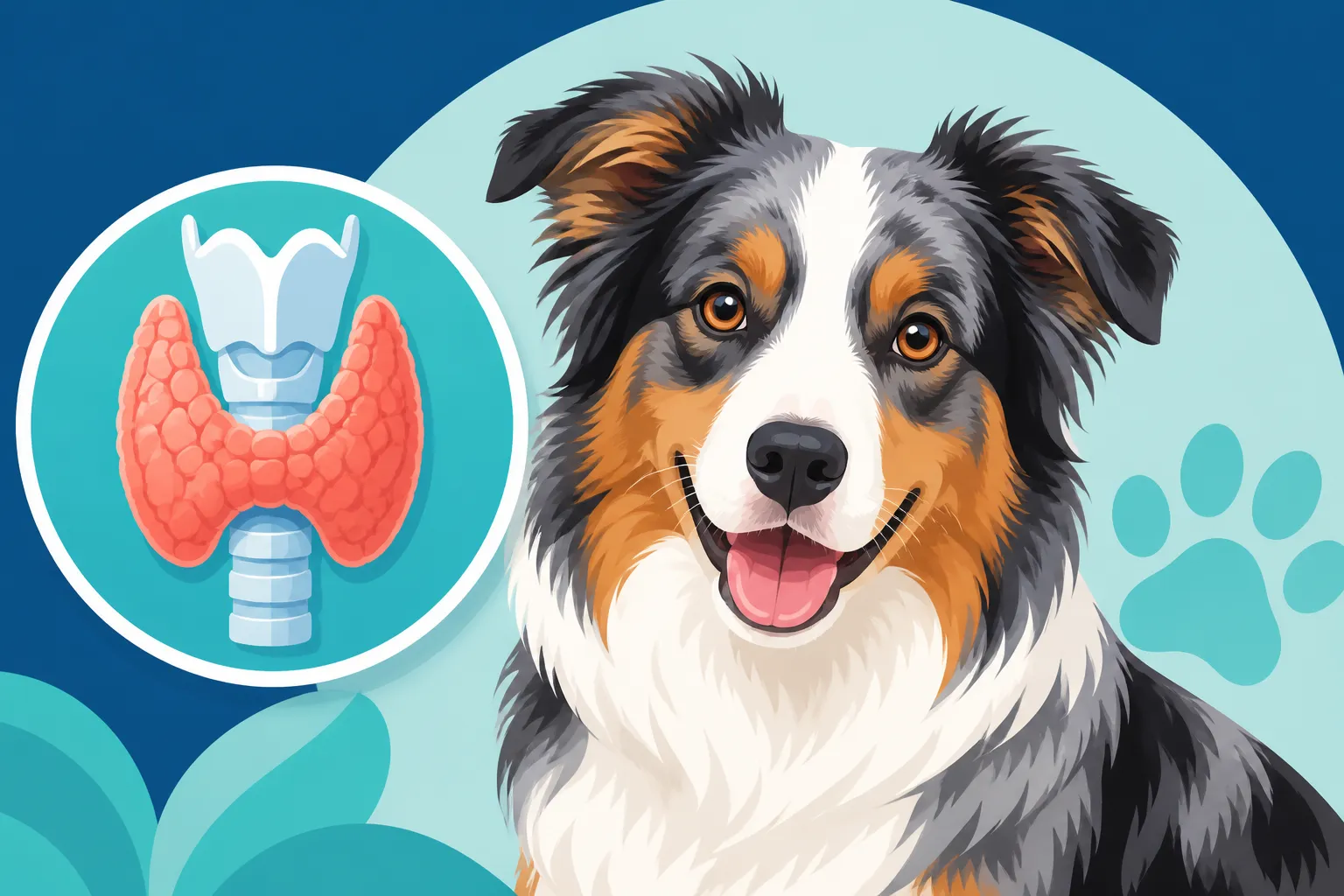
Hypothyroidism simply means an underactive thyroid gland, which isn't producing enough of the vital hormones (T3 and T4) needed to regulate metabolism throughout the body. When these hormones are low, nearly every system in your Aussie can be impacted, leading to a frustratingly vague array of symptoms that can easily be mistaken for normal variations or other less serious issues. It’s a classic case of "they just don't seem themselves." You might notice a subtle decrease in their boundless energy, a tendency to gain weight despite no change in diet or exercise, or a coat that's just a bit duller than usual, perhaps even with some thinning or excessive shedding.
Imagine your usually enthusiastic Aussie, who lives for a game of fetch or a long hike, starting to lag behind, showing less interest in their usual activities. Or perhaps they're suddenly more prone to seeking out warm spots, even indoors, because their body temperature regulation is off. Sometimes, behavioral changes can be observed too, like increased anxiety, aggression, or a general dullness in their response to commands – they might seem less "with it," almost as if An Aussie That Stops Reading the Room. These signs can be so gradual that it's easy to dismiss them until they become more pronounced, making early vigilance incredibly important.
The Genetic Predisposition and Autoimmune Link in Aussies
One of the primary reasons Australian Shepherds are prone to hypothyroidism is a genetic predisposition, often linked to an autoimmune condition known as lymphocytic thyroiditis. In essence, the dog's own immune system mistakenly attacks and destroys the thyroid gland over time. This process is gradual, which is why symptoms often don't become apparent until the gland is significantly compromised. While it can occur at any age, the autoimmune attack often starts silently in younger dogs, with clinical signs appearing as they approach two years and beyond.
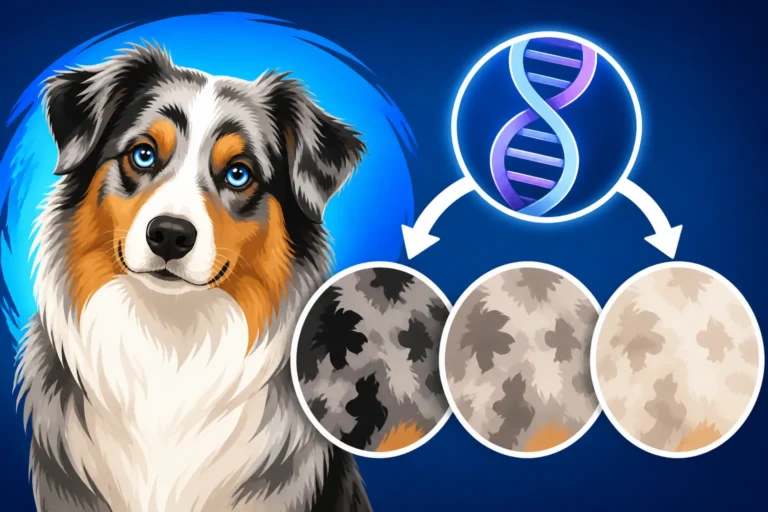
This autoimmune form of thyroid disease is hereditary, which is why reputable breeders prioritize genetic health screening, though a direct "thyroid gene" isn't as straightforward as something like The MDR1 Mutation Half of Australian Shepherds Carry. However, responsible breeding practices aim to reduce the incidence by avoiding lines with a history of the disease. If your Aussie comes from a breeder, it's always worth discussing the thyroid health history of their line. Knowing about Australian Shepherd Autoimmune Thyroiditis can help you and your vet be proactive in screening, especially if you have a family history of autoimmune diseases in humans, which might make you more sensitive to the concept in your dog. Early testing is a preventative measure, akin to getting The Genetic Panel Every Australian Shepherd Needs to cover other known breed health concerns.
The Comprehensive Thyroid Panel and What It Reveals
When you suspect a thyroid issue, a simple blood test isn't always enough. To truly understand what's happening with your Australian Shepherd's thyroid, your vet will likely recommend a comprehensive thyroid panel. This isn't just a quick check; it's a deep dive into the complex hormonal symphony that keeps your Aussie's metabolism humming along.
Key Markers on a Full Thyroid Blood Test
A comprehensive thyroid panel typically includes several key markers that give a holistic picture of thyroid function. The main ones are:
- Total T4 (TT4): This measures the total amount of thyroxine (T4) hormone in the blood, both bound to proteins and free. It's a good initial screening tool, but it can be influenced by many non-thyroidal illnesses or certain medications.
- Free T4 (fT4): This measures only the "active" unbound T4 hormone, which is readily available for the body's cells to use. It's often considered a more accurate indicator of thyroid function than TT4, as it's less affected by other conditions.
- Total T3 (TT3) and Free T3 (fT3): Similar to T4, these measure the total and active forms of triiodothyronine (T3). While T3 is also a thyroid hormone, it's often converted from T4 in peripheral tissues, so T4 levels are usually the primary focus for diagnosing hypothyroidism.
- Thyroid-Stimulating Hormone (TSH): Produced by the pituitary gland, TSH tells the thyroid gland to produce more T4 and T3. In cases of primary hypothyroidism (the most common type, where the thyroid itself is failing), the pituitary gland will ramp up TSH production in an attempt to stimulate the underperforming thyroid, leading to a high TSH level.
- Thyroglobulin Autoantibodies (TgAA): This is a crucial marker for Australian Shepherds. TgAA detects the presence of antibodies that attack the thyroid gland. A positive result indicates Australian Shepherd Autoimmune Thyroiditis, even if T4 and TSH levels are still within normal range in the early stages. This can provide a critical early warning, identifying dogs that are genetically predisposed and likely to develop full-blown hypothyroidism later.
Understanding these individual components gives your vet a nuanced view. For instance, if your Aussie has normal TT4 and fT4 but high TgAA, it means their immune system is already attacking their thyroid, and while they might not be clinically hypothyroid yet, they are almost certainly on their way. This early detection allows for proactive management and careful monitoring.
Interpreting the Results Beyond "Normal" Ranges
Interpreting thyroid test results isn't always as simple as looking for a green light or a red light. "Normal" ranges are broad, and what's normal for one breed or individual might not be optimal for an Australian Shepherd, especially a young adult. It’s a common frustration for pet parents to receive results back that say "within normal limits" when they know deep down their dog just isn't right.
Your vet, particularly one experienced with Aussies, will consider your dog's clinical signs, age, breed, and the full panel of results rather than just one number. For example, a T4 level at the very low end of the normal range, combined with subtle symptoms like a Hypothyroidism and a Dull Australian Shepherd Coat or lethargy, might prompt further investigation or a retest in a few months, even if it's not overtly "low." This is especially true if the TgAA antibodies are present, signaling an active autoimmune process.
Moreover, certain medications, stress, or other illnesses (known as "euthyroid sick syndrome") can temporarily suppress thyroid hormone levels, mimicking hypothyroidism. This is why a thorough veterinary history and physical examination are essential before testing, and why interpreting results requires a seasoned eye. If your vet suspects this, they might recommend retesting after any underlying illness is resolved or medication is stopped, to get the most accurate picture. This thoughtful interpretation ensures that your Aussie isn't unnecessarily put on lifelong medication.
The Testing Process: Preparing Your Aussie for an Accurate Diagnosis
Getting accurate thyroid test results requires a bit of preparation and careful consideration. It's not just about drawing blood; it's about minimizing variables that could skew the results and ensuring your vet has all the necessary information.
Factors That Can Skew Thyroid Test Results
Several factors can influence thyroid hormone levels and lead to misleading results, making a proper diagnosis tricky. Being aware of these can help you work with your vet to get the most accurate picture:
- Medications: Certain drugs are notorious for affecting thyroid levels. Steroids (like prednisone), phenobarbital (often used for epilepsy), non-steroidal anti-inflammatory drugs (NSAIDs), and even some flea and tick preventatives can impact results. Always provide your vet with a complete list of all medications, supplements, and even specialized shampoos your Australian Shepherd is currently using or has recently used. If possible, your vet might suggest a washout period for certain non-critical medications before testing.
- Concurrent Illnesses: Any significant illness, infection, or chronic stress can cause what's called "euthyroid sick syndrome," where the body temporarily lowers thyroid hormone production as a coping mechanism, even if the thyroid gland itself is perfectly healthy. If your Aussie is battling another health issue, it's generally best to address that first and then retest their thyroid once they've recovered.
- Time of Day and Fasting: While less critical than in humans, some vets prefer a fasted blood sample for consistency, as food intake can have minor effects. Discuss this with your vet beforehand.
- Recent Activity/Stress: Extreme stress or intense physical activity right before a blood draw can potentially cause slight fluctuations in hormone levels. While it's not usually a deal-breaker, trying to keep your Aussie calm and relaxed on the day of the test is always a good idea. Think about how a stressful vet visit might make you feel; it's similar for them!
Knowing these potential pitfalls means you can actively participate in ensuring the conditions for the blood test are as ideal as possible, preventing false positives or negatives.
What to Discuss with Your Vet Before and After Testing
Communication with your veterinarian is paramount when investigating thyroid issues. Before the blood draw, have a detailed discussion about all the symptoms you've observed, even if they seem minor or unrelated. This includes changes in energy, weight, appetite, coat quality, skin issues (like those linked to Australian Shepherd Skin, Coat and Allergy Problems), and any behavioral shifts. Mention any family history of thyroid issues in your Aussie's lineage, if known, as this context can be incredibly helpful.
It's also a good time to ask about the specific tests they plan to run (e.g., just TT4 or a full panel including TgAA), why those tests are chosen, and what the expected turnaround time for results is. If you have pet insurance, like Healthy Paws, inquire if they cover diagnostic testing for conditions like hypothyroidism, as understanding your coverage can alleviate financial stress. Healthy Paws, for instance, generally covers conditions not considered pre-existing, so early diagnosis is always a plus.
Once the results are back, schedule a dedicated time to review them with your vet. Don't be afraid to ask questions.
- "What do these numbers really mean for my Aussie?"
- "Given the TgAA results, what's our long-term plan?"
- "What are the next steps if treatment is needed?"
Discuss the prognosis, the treatment options (usually lifelong medication), potential side effects, and the schedule for re-testing to monitor medication effectiveness. This comprehensive discussion ensures you're fully informed and comfortable with the diagnostic and treatment plan for your beloved Australian Shepherd.
Managing Hypothyroidism and Supporting Your Aussie's Health
Receiving a diagnosis of hypothyroidism can feel daunting, but the good news is that it’s a very manageable condition with a high success rate for treatment. It typically involves lifelong medication and regular monitoring, which becomes a routine part of your Aussie's care, much like managing other long-term health aspects that can impact their Australian Shepherd Lifespan Across Twelve to Fifteen Years.
Lifelong Medication and Monitoring
The cornerstone of treating canine hypothyroidism is hormone replacement therapy, usually in the form of a synthetic thyroid hormone called levothyroxine (L-thyroxine). This medication is typically given once or twice daily, and it's essential to administer it consistently as prescribed by your veterinarian. The goal is to bring your Aussie's thyroid hormone levels back into the normal, healthy range, alleviating the symptoms.
When starting medication, your vet will begin with a specific dosage and then recommend re-testing blood levels after about 4-8 weeks. This follow-up blood work, often including a T4 level, is crucial to ensure the medication is working effectively and that the dosage is correct. It's not uncommon for the dosage to need adjustments in the initial months to find the "sweet spot" for your individual dog. After the ideal dosage is established, routine monitoring, typically every 6-12 months, will be necessary, similar to the regular Bloodwork Worth Running on a Senior Aussie. This monitoring helps confirm the medication continues to be effective and ensures there are no new underlying issues.
It's important to remember that while medication helps, it doesn't cure the underlying autoimmune condition if that's the cause. Therefore, consistency is key; skipping doses can lead to a return of symptoms. Many owners find it helpful to integrate the medication into their daily routine, perhaps with a meal or a special treat, to make it a positive experience for their Aussie.
Lifestyle Adjustments for a Hypothyroid Aussie
Beyond medication, some lifestyle adjustments can significantly support a hypothyroid Australian Shepherd's well-being. Once thyroid levels are balanced, you should see a gradual improvement in many of the symptoms. Their energy levels will likely return to normal, their coat quality should improve, and any weight gain may start to reverse.
- Diet and Weight Management: Hypothyroid dogs tend to gain weight more easily. With medication, their metabolism will normalize, but maintaining a balanced, high-quality diet and appropriate portion control remains important. Your vet can advise on the best food choices and calorie intake to keep your Aussie at a healthy weight. Regular exercise, once their energy returns, will also be vital.
- Grooming and Coat Care: As their coat improves, continue with regular grooming to manage their double coat. Even with balanced thyroid levels, Aussies are prone to Australian Shepherd Skin, Coat and Allergy Problems, so attentive brushing and monitoring for hot spots or irritations are still important.
- Observation and Record Keeping: Continue to be observant of your Aussie's behavior and physical condition. Keeping a small journal or log of any changes, even subtle ones, can be invaluable for your vet during routine check-ups. This might include noting their energy levels, coat condition, appetite, and any unusual behaviors. This detailed information helps your vet assess the long-term effectiveness of the treatment plan.
- Regular Vet Check-ups: Consistent veterinary care is paramount. These routine visits are not just about blood work but also about a general health assessment, ensuring your Aussie is thriving. If you ever change veterinarians or move, make sure to transfer your Aussie's full medical history, including their thyroid diagnosis and treatment plan. This ensures continuity of care, which is particularly important for conditions requiring lifelong management. Pet insurance providers like Healthy Paws appreciate proactive care, and maintaining your Aussie's health through consistent vet visits is always a smart move.
Living with an Australian Shepherd with hypothyroidism is a marathon, not a sprint, but with consistent medication, thoughtful care, and excellent veterinary partnership, your Aussie can continue to lead a full, happy, and active life. Remember, knowledge is power, and being an informed advocate for your dog's health is the best thing you can do for them.
Disclaimer
This article is intended for informational purposes only and does not constitute medical advice. Always consult with a qualified veterinary professional for any health concerns or before making any decisions related to your Australian Shepherd's care or treatment.