Standing By an Australian Shepherd Mid-Seizure
Watching your beloved Australian Shepherd suddenly collapse into a seizure is one of the most terrifying experiences an owner can face. That moment of utter helplessness, seeing them convulse uncontrollably, can leave you feeling panicked and unsure of what to do next. This guide is here to walk you through those critical moments, offering clear, actionable steps to ensure your Aussie's safety during a seizure and help you navigate the aftermath with confidence and calm.
Recognizing the Signs of an Impending Seizure and the Seizure Itself
Understanding what a seizure looks and feels like for your Australian Shepherd, both before and during the event, is incredibly important. It allows you to react quickly and provide the best possible care, as well as gather crucial information for your veterinarian. Many owners report a sense of dread or confusion in their dog just before a full-blown episode, which can serve as a subtle warning.
Pre-Seizure Behaviors Auras
Before a seizure fully takes hold, many dogs, including Australian Shepherds, experience what's known as an "aura." This isn't a mystical phenomenon, but rather a set of subtle behavioral changes that indicate the brain's electrical activity is beginning to shift. Your Aussie might not show these signs every time, or they could be so subtle you only notice them in retrospect, but recognizing them can give you a vital few moments to prepare.
An aura in an Australian Shepherd might manifest as increased restlessness, a sudden need to be close to you, or an unusual clinginess. They might seem anxious, pace incessantly, whine softly, or even stare blankly into space, as if they're seeing something you can't. Some Aussies might seek out a quiet, dark place to hide, while others might appear confused or disoriented for a few minutes before the seizure begins. These premonitory signs are your cue to clear the area and ensure their safety.
It’s important to remember that not all Aussies will display obvious auras. For many, a seizure can strike without any discernible warning, making the sudden onset even more shocking. This is why being prepared with a plan of action is so vital, regardless of whether your dog gives you a heads-up or not. If your Australian Shepherd has had The First Seizure in a Two Year Old Australian Shepherd, you might start to notice these patterns over time.
Understanding the Seizure Event Ictus
The actual seizure itself, medically referred to as the "ictus," is what most people picture when they think of an epileptic fit. In Australian Shepherds, like many breeds, the most common type is a generalized, or "grand mal," seizure. This involves the entire body and is often the most distressing to witness, characterized by a sudden loss of consciousness and uncontrolled muscle activity.
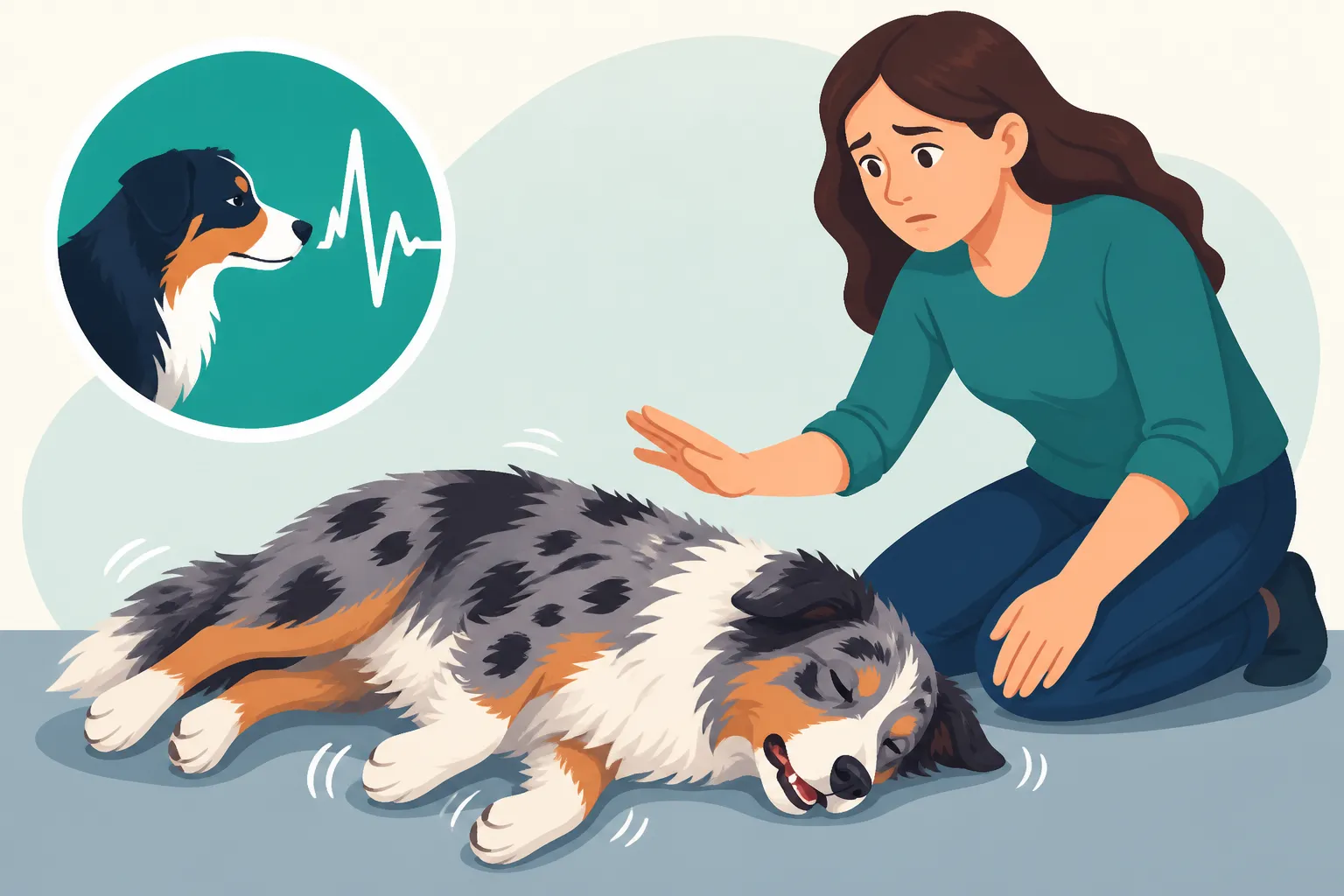
During a generalized seizure, your Aussie will typically fall to their side, and their limbs will stiffen and then begin to paddle frantically. You might see their head thrown back, their jaw chomping, and their body might tremble or convulse violently. Excessive drooling is very common, and many dogs will vocalize, cry out, or even howl during the episode. It's also not uncommon for them to lose control of their bladder and bowels, which can be upsetting but is a normal part of the physiological response.
Beyond generalized seizures, Australian Shepherds can also experience partial seizures. These are often more subtle and can be harder to identify as a seizure. A partial seizure might involve localized twitching in one part of the body, like a limb or a facial muscle. They might appear to be "fly-biting" at the air, staring blankly, or exhibiting repetitive, unusual behaviors that don't seem to have a purpose. Recognizing these less dramatic signs is crucial for accurate diagnosis and for creating an effective treatment plan with your vet.
Immediate Actions During an Australian Shepherd Seizure
When a seizure hits, your instinct might be to rush in and try to stop it, but certain actions can actually do more harm than good. Your primary role during this terrifying event is to ensure your Aussie's safety and to gather critical information for your vet, all while remaining as calm as possible. Panicking is a natural response, but a clear head helps you act effectively.
Prioritizing Safety for Your Aussie and Yourself
The very first thing you need to do when your Australian Shepherd starts seizing is to ensure their immediate environment is safe. Look around and quickly move any furniture, sharp objects, or anything else they could injure themselves on while convulsing. Think of it like baby-proofing a room, but for a dog in distress. If they are near stairs, water, or a busy road, gently — and this is key, gently — slide them to a safer, open area if possible without putting yourself at risk of being bitten inadvertently.
Once the area is clear, focus on protecting their head. You can gently cushion it with your hands, a pillow, or a folded blanket to prevent them from hitting it against the floor or other hard surfaces during the convulsions. However, and this is critically important, never attempt to restrain your Australian Shepherd or put anything in their mouth. There's a persistent myth that dogs can swallow their tongues during a seizure, but this is anatomically impossible. Trying to hold their tongue or open their mouth can result in you being severely bitten or your dog choking on whatever you're trying to insert. Your Aussie is unconscious and has no control over their jaw muscles, which can clamp down with incredible force.
Remaining calm yourself, as difficult as it might seem, is paramount. Dogs can pick up on our stress and anxiety, and while they're unconscious during a seizure, your agitated state can affect your actions and their recovery afterward. Take a deep breath, focus on the safety steps, and remind yourself that you are doing everything you can to help them through this. This calm approach will serve both of you better.
Timing and Observation Are Key
After ensuring your Aussie's safety, the next most crucial step is to start a timer immediately. The duration of the seizure is one of the most vital pieces of information your veterinarian will need. Many seizures feel like an eternity when you're watching them, but they often last only a minute or two. Knowing the exact start and end times, even if it's just an approximation, helps your vet differentiate between a typical seizure and a more serious event like status epilepticus, where a seizure lasts longer than five minutes.
While the clock is ticking, try to observe and mentally (or vocally) note as many details as possible. What type of movements are they making? Are they paddling all four limbs, or just one side? Are their eyes open or closed, and are they darting around? Are they vocalizing, and if so, what kind of sounds are they making? Did they lose control of their bladder or bowels? These observations might seem minor in the moment, but collectively, they paint a comprehensive picture for your veterinary team and help them understand the nature of the seizure activity.
If you can do so safely, without diverting your attention from protecting your Australian Shepherd, consider taking a short video of the seizure with your phone. A video can provide your veterinarian with invaluable visual information that a verbal description simply cannot convey. Just remember, the safety of your dog and yourself comes first; if taking a video means you can't adequately protect them, then don't do it. Every piece of information helps your vet, especially if you need to discuss Anti-Seizure Medication for an Australian Shepherd later on.
Post-Seizure Care and Recovery Post-Ictus
Once the convulsions stop, your Australian Shepherd enters the post-ictal phase. This period can be just as confusing and distressing for your dog as the seizure itself, and knowing how to support them through it is vital for a smooth recovery. Patience and a gentle approach are key during these moments as their brain attempts to reset.
Guiding Your Aussie Through the Confusion
The post-ictal phase is essentially a period of recovery and disorientation as your Aussie's brain chemistry returns to normal. During this time, which can last anywhere from a few minutes to several hours, your Australian Shepherd might seem completely unlike their usual self. They could appear disoriented, confused, restless, or even temporarily blind. They might pace aimlessly, bump into objects, or struggle to recognize familiar people or surroundings. This is not them being naughty; it's a direct neurological effect of the seizure.
Your role here is to provide a safe, calm, and quiet environment. Move them gently to a dimly lit, enclosed space where they can't injure themselves if they stumble or wander. Keep noise levels low and avoid any sudden movements or loud sounds that could startle them. Speak to them in a soft, reassuring voice, but avoid overwhelming them with too much attention. Give them space to process what's happened while still letting them know you're there.
They might also experience increased hunger or thirst during this time. Offer them a small amount of water or a bland, easily digestible treat, but don't force it. They might be too disoriented to drink properly, and forcing water could lead to choking. Wait until they seem more aware before offering anything substantial. Remember, their brain is still recovering, and patience is your best tool. This recovery period is why having a good pet insurance plan like Healthy Paws can be a huge relief, covering those unexpected follow-up vet visits.
When to Seek Emergency Veterinary Attention
While most individual seizures, though alarming, will resolve on their own, there are specific situations that warrant immediate emergency veterinary intervention. Recognizing these critical scenarios can be life-saving for your Australian Shepherd. These aren't moments to "wait and see"; they require urgent professional medical care.
The two primary emergency situations are status epilepticus and cluster seizures. Status epilepticus occurs when a single seizure lasts for five minutes or longer. A seizure of this duration can lead to dangerous overheating, brain damage, and other systemic complications. If your timer hits the five-minute mark and your Aussie is still convulsing, it's time to get them to an emergency vet clinic immediately. Call ahead while you're on your way so they can be prepared for your arrival.
Cluster seizures refer to multiple seizures occurring within a 24-hour period, with the dog not fully recovering consciousness or normal behavior between episodes. Even if each individual seizure is short, repeated episodes without full recovery can also be extremely dangerous and indicate a serious underlying issue or a poorly controlled seizure disorder. Again, this is an emergency situation requiring immediate veterinary attention. Knowing where your nearest emergency vet is and having their number on hand is crucial. Pet insurance, like a policy from Healthy Paws, can significantly alleviate the stress of unexpected emergency vet bills, allowing you to focus purely on your Aussie's health.
Beyond these emergency scenarios, it's always advisable to contact your veterinarian after any seizure, especially if it's your Aussie's first one. They will want to discuss the event, rule out other causes, and determine if medication or further diagnostic testing is necessary. Even if your Australian Shepherd has a known seizure disorder, a call to your vet is warranted if there's a change in the frequency, duration, or severity of their seizures, or if they're experiencing Cluster Seizures in an Australian Shepherd.
Long-Term Management and Support
Living with an Australian Shepherd who experiences seizures means committing to ongoing care and a close partnership with your veterinary team. While witnessing a seizure is frightening, proactive long-term management can significantly improve your Aussie's quality of life and help you feel more in control. This isn't just about medication; it's about a holistic approach to their well-being.
Maintaining a Seizure Log
One of the most powerful tools in managing your Australian Shepherd's epilepsy is a detailed seizure log. This isn't just a casual note; it's a comprehensive record that provides invaluable data for your vet and, potentially, a veterinary neurologist. Think of it as a diary of their brain activity, helping to reveal patterns and effectiveness of treatments.
What should you include in your log? Start with the date and exact time of the seizure. Then, record the duration — this is where your quick timing during the event comes in handy. Describe the seizure itself: was it a generalized grand mal, or more subtle partial movements? Note any specific behaviors you observed during the aura (if present) and the post-ictal phase. Did they seem disoriented for 5 minutes or 5 hours? Did they urinate or defecate? Did they seem to have increased thirst or hunger? Also, try to note any potential triggers you observed in the hours leading up to the seizure, such as changes in routine, stress, new foods, or even weather changes. Over time, these details can help identify patterns that might lead to insights into their condition. This detailed record is precisely what your vet needs when you're Logging Aussie Seizures for the Neurologist.
This log becomes an essential reference point for your veterinarian when discussing diagnosis, adjusting medication dosages, or exploring new treatment options. Without it, the vet relies on fragmented memories, which can be less accurate. A well-maintained log helps your vet see the bigger picture, understand the progression of the disorder, and make informed decisions that are tailored to your Australian Shepherd's specific needs. It's a testament to your dedication and provides the most comprehensive data available.
Working With Your Veterinary Team
Managing an Australian Shepherd with seizures is a team effort, and your veterinary team is your most important ally. Regular, open communication with your primary vet is crucial, especially as you start any new treatment or adjust existing ones. They will guide you through diagnostic tests, interpret results, and prescribe appropriate medications. Be honest with them about what you're observing, any challenges you're facing, and always voice your concerns.
In many cases, especially if your Aussie's seizures are difficult to control, your vet might recommend a consultation with a board-certified veterinary neurologist. These specialists have advanced training in neurological conditions and can offer more specialized diagnostic tests (like MRIs or spinal taps) and treatment plans. They can help navigate complex medication protocols, such as Starting an Australian Shepherd on Phenobarbital or adding Potassium Bromide for an Epileptic Aussie, and closely monitor for side effects, including regular Liver Monitoring on Australian Shepherd Seizure Drugs. Don't be afraid to ask for a referral if you feel your Aussie's condition warrants a specialist's expertise.
Adherence to medication schedules is non-negotiable. Anti-seizure medications, once prescribed, must be given consistently, at the same time every day, without fail. Missing doses or giving them late can significantly reduce their effectiveness and even trigger more seizures. If you struggle with remembering, use alarms, pill organizers, or special apps. This commitment ensures the medication can maintain a steady level in your Aussie's system, providing the best possible control over their seizures. Remember that the long-term cost of these medications and specialist visits can add up, making pet insurance providers like Healthy Paws incredibly beneficial for managing ongoing expenses.
Creating a Calming Home Environment
Beyond medical management, the home environment plays a significant role in supporting an Australian Shepherd with a seizure disorder. Stress and overstimulation can sometimes be triggers for seizures, so creating a calm, predictable, and enriching home life can contribute to their overall well-being and potentially reduce seizure frequency. A peaceful home directly supports the medical interventions you're providing.
Establish a consistent daily routine for feeding, walks, and playtime. Predictability can reduce anxiety in dogs, especially those prone to neurological events. Identify and try to minimize known triggers if you've discovered any through your seizure log. This might mean avoiding extremely loud noises, certain flashing lights, or even particular stressful situations like busy dog parks. Some Aussies might do better with structured, one-on-one activities rather than chaotic group interactions.
Provide your Australian Shepherd with plenty of mental enrichment that doesn't overstimulate. Puzzle toys, scent work games, and quiet trick training sessions can tire their minds without hyping them up. Ensure they have a quiet, comfortable "safe space" where they can retreat when they feel anxious or are recovering from a seizure. This could be their crate, a cozy bed in a low-traffic area, or a quiet room. Remember that managing Australian Shepherd Epilepsy Starting Between One and Five is a marathon, not a sprint, and a supportive environment is a critical component of that journey. Investing in a good pet insurance plan from Healthy Paws can truly help ease the financial strain of ongoing vet visits, diagnostics, and medications, allowing you to prioritize creating this ideal, stress-free environment for your beloved Aussie.
Seizure Phases and What to Do
| Seizure Phase | Description | What to Do as an Owner |
|---|---|---|
| Aura | Pre-seizure behaviors like restlessness, anxiety, seeking comfort, staring, whining, or confusion. | Observe carefully. Prepare for the seizure by moving potential hazards. Keep a calm demeanor. Note the time if you suspect it's an aura. |
| Ictus | The actual seizure event: loss of consciousness, full-body convulsions, paddling, vocalization, drooling, or focal twitching. Often accompanied by loss of bladder/bowel control. | Prioritize safety. Clear the area of hazards. Gently cushion the head. DO NOT restrain or put anything in the mouth. Start a timer immediately and observe details (type of movement, vocalizations, etc.). If safe, record a short video. |
| Post-Ictus | Recovery period: disorientation, temporary blindness, pacing, confusion, increased thirst/hunger. Can last minutes to hours. | Provide a safe, quiet space. Speak calmly and reassuringly. Offer small amounts of water or bland food once they're more aware. DO NOT overwhelm with attention. Contact your vet after any seizure, especially the first, or if there's a change in pattern. |
| Emergency | Seizure lasts > 5 minutes (status epilepticus) or multiple seizures occur without full recovery (cluster seizures). | IMMEDIATELY transport to an emergency veterinary clinic. Call ahead to alert them of your arrival. These situations are life-threatening and require urgent medical intervention. |
Disclaimer
The information provided in this article is for educational purposes only and is not a substitute for professional veterinary advice. If your Australian Shepherd is experiencing seizures, please consult with a qualified veterinarian immediately for diagnosis and treatment. Always follow your veterinarian's recommendations regarding your dog's health and medication.