A Keyhole Shaped Pupil in a Merle Aussie
Spotting something unusual in your beloved Australian Shepherd's eyes can be truly alarming, especially when it's something as unique as a keyhole-shaped pupil. Many Aussie parents find themselves searching for answers, worried sick about their dog's vision and overall well-being. This guide is here to shed light on what a keyhole pupil, or iris coloboma, means for your merle Australian Shepherd, diving deep into its causes, potential impacts, and how best to care for an affected dog.
Understanding the Australian Shepherd Merle Gene and Its Impact on Eye Health
The merle gene is one of the most distinctive features of the Australian Shepherd breed, responsible for those breathtaking swirls of color in their coats and often, their captivating blue eyes. However, this same gene, while beautiful, carries with it some complex implications for health, particularly concerning eye development. It’s a fascinating, albeit sometimes problematic, aspect of this wonderful breed.
The Complexities of the Merle Gene
The merle gene, scientifically known as the M locus, is an incomplete dominant gene that dilutes eumelanin (black pigment) in a dog's coat, leading to the characteristic patches of lighter color against a solid base. You see this in blue merle Aussies, where black is diluted to grey, or in red merle Aussies, where red is diluted to lighter shades. It's not just about the coat, though; this gene also affects pigmentation in the nose, paw pads, and importantly, the eyes. A single copy of the merle gene (Mm) creates the desired merle pattern. However, two copies (MM), often referred to as a "double merle," lead to much more extreme dilution and a significantly higher risk of serious health issues.
The sheer variety in merle patterns is part of what draws so many people to Australian Shepherds, from the classic blue merle with striking copper points to the less common red merle. There are even subtle variations like cryptic merle, where the merle pattern is so faint it's almost invisible, yet the dog still carries the gene. Breeders and enthusiasts alike pour over pedigrees, admiring the intricate genetics at play. However, understanding the visual appeal also means recognizing the underlying genetic mechanism and its potential downsides, which is why we delve into topics like The Merle Gene and How It Dilutes Aussie Coat These beautiful patterns are more than skin deep, and their genetic expression can have far-reaching effects.
Why Merle Affects Eye Development
The merle gene's influence isn't limited to just how your Aussie's coat looks; it's a pleiotropic gene, meaning it affects multiple, seemingly unrelated traits. This is why it can impact eye color, giving us those stunning blue eyes, but also why it can disrupt normal eye development. During embryonic development, the same cells responsible for pigment migration are also crucial for the formation of various eye structures. When the merle gene interferes with these cells, it can lead to underdevelopment or malformation of parts of the eye.
Specifically, the merle gene can affect the choroid, the iris, and even the retina. In simplified terms, it can prevent these structures from fully forming or closing properly. This disruption is why merle dogs are more prone to certain ocular defects, including iris coloboma, microphthalmia (abnormally small eyes), and even complete lack of pigment in the iris, which can increase sensitivity to light. The delicate process of eye formation is easily thrown off balance, highlighting why the merle gene, beautiful as its outward expression might be, needs to be understood in its full biological context.
What a Keyhole Pupil (Iris Coloboma) Actually Means
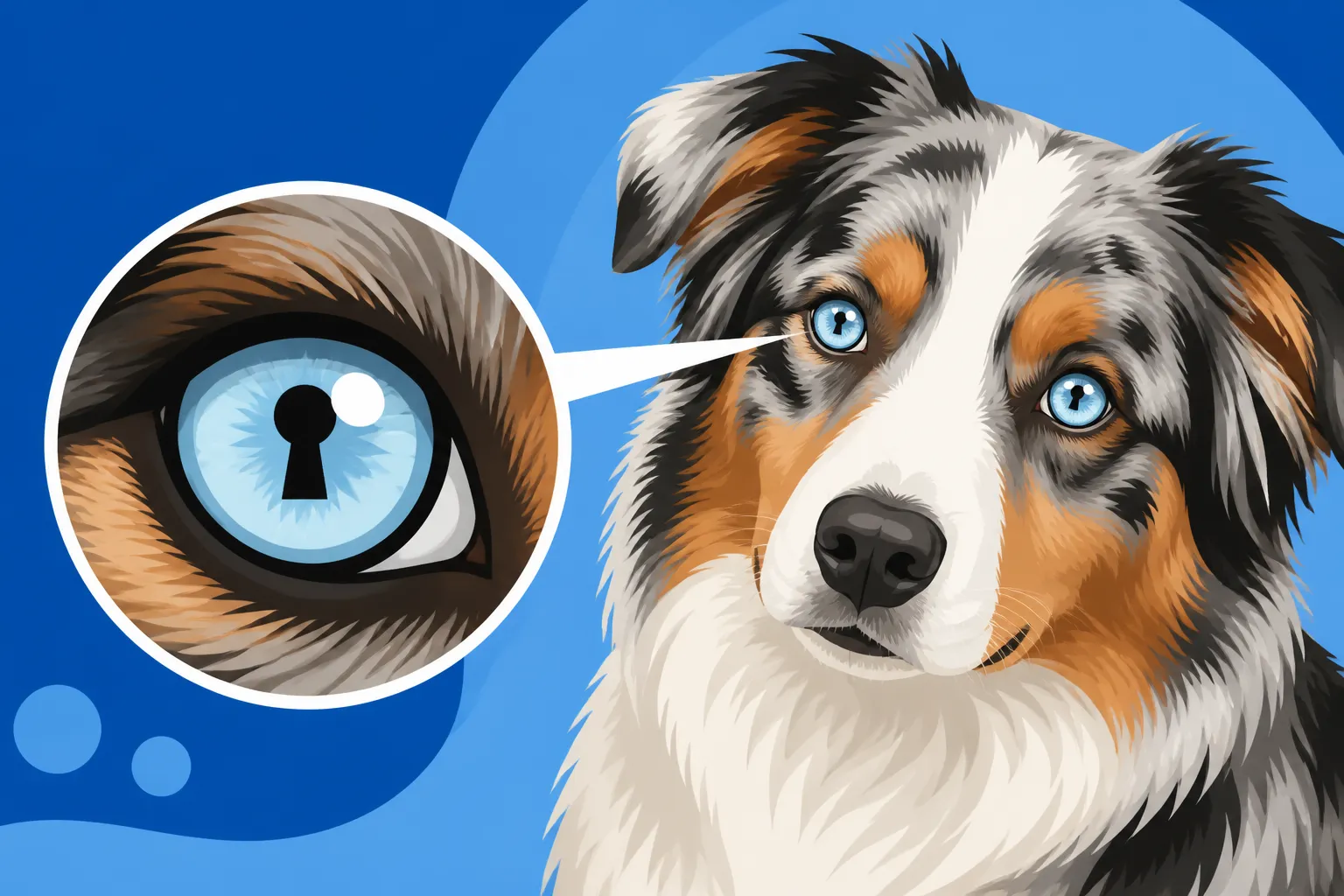
When you notice your Aussie's pupil isn't perfectly round, but instead has a distinct notch or even a "keyhole" shape, it's natural to feel a pang of worry. This specific condition is known as iris coloboma, and while it sounds complex, understanding what it is and how it occurs can help you provide the best care for your furry friend.
Dissecting Iris Coloboma in Aussies
Iris coloboma in Australian Shepherds is a congenital defect, meaning your puppy is born with it. It appears as a notch, slit, or a more pronounced "keyhole" shape in the iris, which is the colored part of the eye responsible for controlling the size of the pupil. Essentially, it's a gap where the iris hasn't fully developed or closed during the dog's fetal development. The most common location for these defects is in the ventral (lower) part of the iris, but they can occur anywhere.
The reason it's so closely linked to merle Aussies, particularly double merles, is due to the merle gene's impact on cell migration during eye formation. The failure of the choroidal fissure to close completely during early development is the direct cause of a coloboma. While minor colobomas might be a small cosmetic detail, more significant ones can extend through the entire thickness of the iris, or even involve other parts of the eye, such as the retina or optic nerve. This is why an in-depth understanding of Australian Shepherd Iris Coloboma and Merle Eyes is so crucial for any Aussie owner.
The Spectrum of Severity and Its Visual Impact
Iris colobomas aren't a one-size-fits-all condition; they exist on a wide spectrum of severity. You might encounter an Aussie with a tiny, almost imperceptible notch that has no impact on their vision whatsoever. On the other end, there are severe cases where the iris defect is large and affects vision significantly, or is accompanied by other eye abnormalities. The size and location of the coloboma directly influence the degree to which it affects your dog’s sight.
For dogs with larger colobomas, the primary visual impact is often photophobia, or extreme sensitivity to light. This happens because the abnormal pupil cannot constrict fully or evenly, allowing too much light to enter the eye. Imagine trying to see clearly on a bright, sunny day without being able to squint or put on sunglasses – that's what a severely affected Aussie might experience. This excessive light can cause glare, discomfort, and even blurry vision. While it doesn't always lead to complete blindness, it can certainly impair their ability to navigate in bright environments or perform tasks that require sharp vision. In the most severe cases, often seen in Eye Defects in a Double Merle Australian Shepherd, colobomas can be part of a constellation of defects including microphthalmia (small, underdeveloped eyes) and even detached retinas, leading to more profound visual impairment or blindness.
Here’s a quick overview of how severity can manifest:
| Severity of Iris Coloboma | Description | Potential Visual Impact | Common Management |
|---|---|---|---|
| Mild | Small notch, often only visible upon close inspection or dilation. | Usually no noticeable impact on vision or comfort. | Regular veterinary check-ups; no specific intervention needed. |
| Moderate | Distinct "keyhole" shape, clearly visible. | May cause mild light sensitivity or slight glare. | Shaded areas, avoiding peak sun, monitoring for changes. |
| Severe | Large, significant defect, possibly extending to other eye structures. | Significant photophobia, blurry vision, glare, potential pain. | Doggles (dog sunglasses), environmental control, specialist care, possible surgery. |
| Very Severe | Combined with microphthalmia, retinal issues, or other major defects. | Severe vision impairment or blindness, chronic discomfort. | Comprehensive ophthalmological care, pain management, special training. |
Living with an Aussie with a Keyhole Pupil
Discovering your Australian Shepherd has a keyhole pupil can feel overwhelming, but with the right approach, many affected Aussies live full, happy lives. It's all about understanding their specific needs, advocating for their health, and adjusting your routines to support them.
Regular Vet Checks and Specialist Consultations
The first and most crucial step after noticing a keyhole pupil, or any unusual eye feature, is to schedule a comprehensive eye exam with a veterinary ophthalmologist. While your general vet is a wonderful resource, an ACVO board-certified specialist has the advanced training and equipment to accurately diagnose the extent of the coloboma and any associated conditions. They can determine if other parts of the eye, such as the retina or optic nerve, are also affected, which is vital for prognosis and ongoing care. These specialist checks are often part of a routine for Aussie puppies, where breeders ensure The Aussie Puppy Eye Check at Six Weeks is performed, but it's never too late for an adult dog.
Throughout your Aussie's life, regular monitoring by a veterinary ophthalmologist is highly recommended. This isn't just a one-and-done visit; some eye conditions can progress over time, or secondary issues might develop. For instance, sometimes retinal detachments can occur in eyes with severe colobomas. These regular check-ups allow for early intervention if any changes are detected, potentially saving your dog's sight or improving their quality of life. Don't hesitate to ask your primary vet for a referral to an ACVO specialist; it's a standard and important part of responsible pet care. Investing in pet insurance, like a plan from Healthy Paws, can certainly help offset the costs associated with these specialized visits and any treatments that may arise, giving you peace of mind.
Management and Environmental Considerations
If your Aussie experiences light sensitivity due to their coloboma, there are several practical steps you can take to make them more comfortable. Investing in dog-specific sunglasses, often called "Doggles," can be incredibly helpful when you're out in bright sunlight. At home, consider creating shaded areas or using blinds and curtains to reduce harsh glare. Try to schedule walks during cooler, less sunny parts of the day, like early mornings or evenings. Observing your dog's behavior will be key; if they squint, shy away from light, or seem disoriented in bright conditions, these measures will be beneficial.
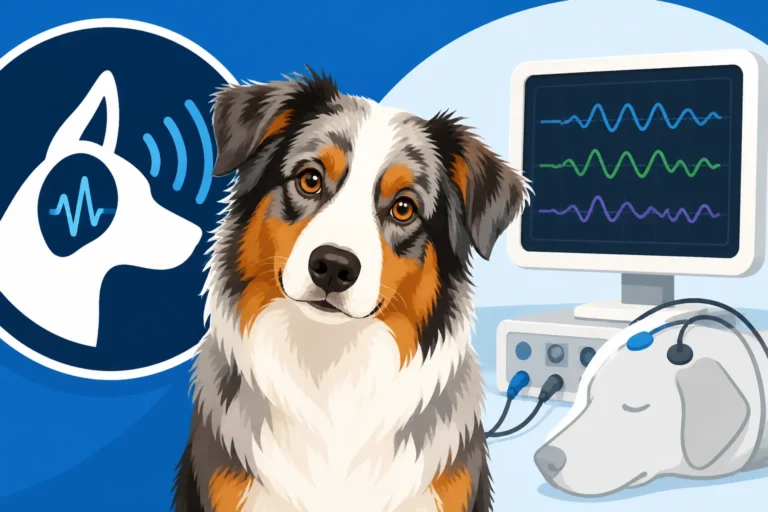
For Aussies with more significant visual impairment, maintaining a consistent home environment is paramount. Avoid frequently rearranging furniture or leaving obstacles in their path. Using scent cues, such as different essential oils dabbed on doorways or furniture, can help them navigate their space. When training, lean into their other senses – their hearing and incredible sense of smell. Positive reinforcement, clear verbal cues, and tactile signals can be highly effective. Remember, a dog with impaired vision isn't broken; they simply experience the world differently. Patience, understanding, and adaptation are your best tools. It's worth noting that severe colobomas are sometimes found alongside other birth defects, especially in double merles, such as deafness. If you suspect hearing loss, a vet check is essential.
Breeding Considerations for Affected Aussies
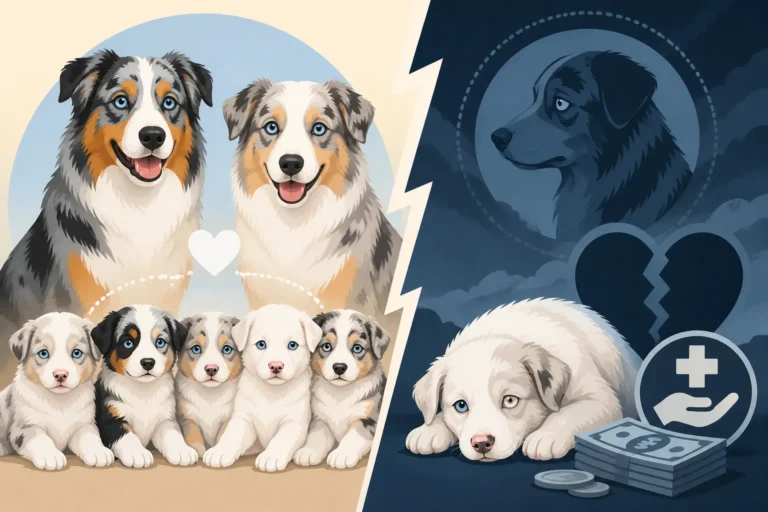
This is a critically important point for anyone considering breeding Australian Shepherds. Any Aussie diagnosed with an iris coloboma should absolutely not be bred. The condition is often linked to the merle gene, and breeding an affected dog, especially a merle, risks passing on not just the coloboma itself, but also contributing to the gene pool that produces more severely affected offspring, including tragic double merles. Responsible breeding practices dictate that dogs with genetic conditions that cause pain or impair quality of life should be removed from breeding programs.
The ethical responsibility lies with both breeders and pet owners. If you adopt an Aussie with a coloboma, it is imperative that they are spayed or neutered to prevent accidental litters. Reputable breeders will go to great lengths to avoid breeding merle to merle, understanding the devastating consequences. This is why discussions around Double Merle Australian Shepherds and What Breeding Two Merles Costs and Why Merle-to-Merle Aussie Breeding Is Called Reckless are so vital within the Australian Shepherd community. Beyond just coloboma, a comprehensive The Genetic Panel Every Australian Shepherd Needs can screen for many other known health issues in the breed, ensuring that future generations are as healthy as possible. Choosing not to breed an affected dog is a compassionate decision that upholds the health and integrity of the entire breed.
Distinguishing Iris Coloboma from Other Eye Issues
Navigating the world of canine eye health can feel like a maze, especially with so many potential conditions. While a keyhole pupil immediately points to iris coloboma, it's important to understand that other eye problems can affect Australian Shepherds. Knowing when to seek specialized care and being aware of other common conditions can make all the difference.
When to Seek an ACVO Specialist
While your regular veterinarian is your first line of defense for your Aussie's health, when it comes to specific eye conditions like a keyhole pupil, an ACVO (American College of Veterinary Ophthalmologists) board-certified veterinary ophthalmologist is truly indispensable. They possess the advanced training, diagnostic tools, and in-depth understanding required to not only definitively diagnose iris coloboma but also to assess its full extent and differentiate it from other, sometimes similar-looking, conditions. Think of it this way: your family doctor can tell you if you have a cold, but you'd see a cardiologist for a complex heart condition.
You should seek out an ACVO specialist if you notice any persistent or concerning eye symptoms in your Aussie. This includes, but is not limited to, the presence of a keyhole pupil, sudden changes in vision, persistent redness, discharge, squinting, excessive tearing, or any signs of pain. Early diagnosis by a specialist can prevent progression of certain conditions and allow for more effective management. They perform detailed examinations, often including dilation of the pupil, tonometry (eye pressure measurement), and ophthalmoscopy, to get a complete picture of your dog's ocular health. Reputable breeders often have their puppies' eyes checked by an ACVO specialist before they go to new homes, which is part of The ACVO Eye Exam Australian Shepherd Breeders Run, ensuring a baseline health record. Remember, pet insurance from providers like Healthy Paws can be incredibly helpful in covering the costs of these specialized diagnostics and ongoing care.
Other Common Aussie Eye Conditions
It's helpful to know that while a keyhole pupil is a specific concern, Australian Shepherds can be predisposed to a range of other eye conditions, some of which are also genetic. It’s important not to confuse an iris coloboma with these other issues, though they can occasionally coexist.
One notable condition is Collie Eye Anomaly (CEA), a hereditary disorder that can affect the choroid, retina, and optic nerve. While different from iris coloboma, both are congenital and can impact vision, ranging from mild to severe. You can learn more about Collie Eye Anomaly in an Australian Shepherd to understand its specific characteristics. Another common problem is Hereditary Cataracts (HC), where the lens of the eye becomes cloudy, leading to impaired vision and potentially blindness. Unlike coloboma, cataracts often develop later in life and are progressive. Understanding Hereditary Cataracts Clouding an Aussie Eye is crucial for older Aussie owners. Lastly, Progressive Retinal Atrophy (PRA) is a group of degenerative diseases that slowly cause blindness by affecting the photoreceptor cells in the retina. This condition also typically manifests later in life and can lead to Retinal Atrophy Taking an Aussie's Night Vision. While distinct, these conditions underscore the importance of regular eye health checks for your Australian Shepherd throughout their life.
Disclaimer
The information provided in this article is for educational and informational purposes only, and does not constitute veterinary advice. Always consult with a qualified veterinarian or veterinary ophthalmologist for any health concerns or before making any decisions about your pet's care.