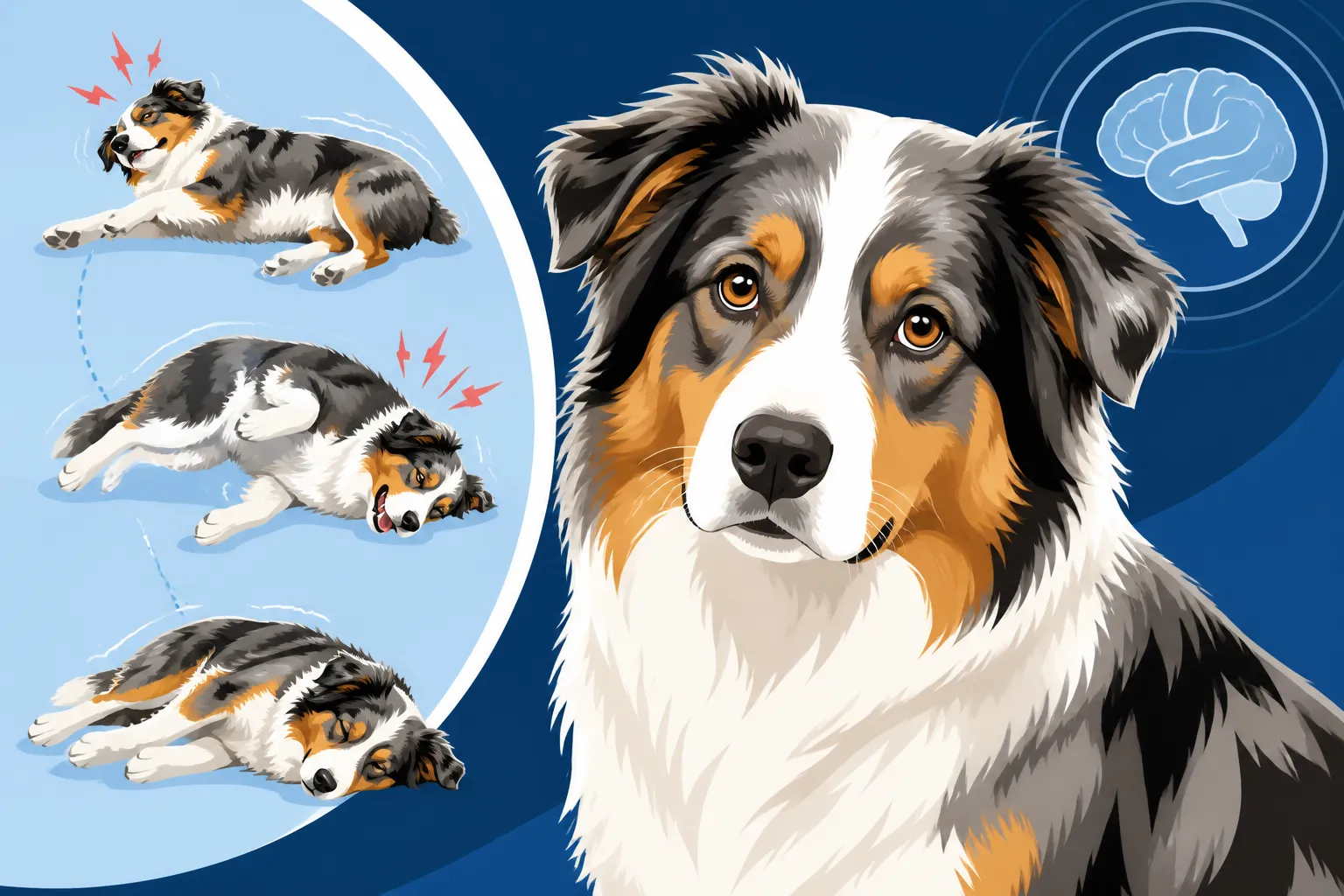
Cluster Seizures in an Australian Shepherd
It’s truly terrifying to witness your beloved Australian Shepherd have a seizure, let alone multiple seizures in a short span. The feeling of helplessness, the panic that rises in your throat as your normally vibrant companion goes through such a distressing event, is something no pet parent ever wants to experience. This guide is here to walk you through understanding, managing, and living with cluster seizures in Australian Shepherds, offering practical advice and emotional support for navigating this challenging health issue.
Understanding What Cluster Seizures Mean for Your Aussie
When we talk about cluster seizures, we're not just referring to a single, isolated event. We're delving into a more intense and often more frightening scenario where your Australian Shepherd experiences two or more seizures within a 24-hour period. Sometimes, these seizures can happen one right after another, with only very brief periods of recovery in between, or they might be spaced out over several hours but still within that single day. It’s a distinct pattern that signals a particular challenge in managing your Aussie’s epilepsy.
Defining the Seizure Cluster Pattern
A single seizure is unsettling enough, but a cluster can leave both you and your dog completely exhausted and disoriented. The defining characteristic is the recurrence: that rapid succession within a day that often indicates a higher level of neurological instability than sporadic seizures. This pattern is particularly common in Australian Shepherds, a breed unfortunately predisposed to epilepsy. For many Aussies, their first seizure comes between one and five years of age, and once they start, some dogs, tragically, develop these cluster patterns. It’s crucial to understand that a dog experiencing cluster seizures is often at a higher risk for status epilepticus, which is a continuous seizure lasting more than five minutes or multiple seizures without full recovery in between. This is a life-threatening emergency that requires immediate veterinary intervention.
The Impact on Your Aussie’s Well-being
Beyond the immediate danger, cluster seizures take a heavy toll on your Australian Shepherd. The neurological activity involved is incredibly draining. Your dog might seem fine after a single seizure, but after a cluster, they're likely to be profoundly exhausted, disoriented, and anxious for hours, sometimes even a full day or two. This post-ictal phase – the period immediately following a seizure – can be more pronounced after a cluster. You might see your Aussie bumping into things, circling aimlessly, drinking excessively, or seeking constant reassurance. It's heartbreaking to watch them struggle to regain their footing, both physically and mentally. This is why careful monitoring and a proactive management plan are absolutely vital for Aussies prone to these events.
Identifying Triggers and Patterns in Your Australian Shepherd's Seizures
One of the most empowering things you can do for your Australian Shepherd, especially if they're experiencing cluster seizures, is to become a detective of their daily life. While epilepsy is largely idiopathic, meaning there's no identifiable cause like a brain tumor, understanding potential triggers and patterns can be incredibly helpful in mitigating future episodes. It’s a journey of observation and meticulous record-keeping, often without clear answers, but every piece of information helps your vet.
Keeping a Detailed Seizure Log
This might sound simple, but a detailed seizure log is your most powerful tool. It's not just about noting when a seizure happened; it’s about collecting as much contextual information as possible.
- Date and Time: Precision is key here.
- Duration: How long did each seizure last? Use a timer if possible.
- Description: What did your Aussie look like? Paddling legs, drooling, vocalizing, loss of bladder/bowel control?
- Pre-Seizure Behavior (Prodrome): Did you notice anything unusual in the hours or minutes leading up to it? Increased clinginess, anxiety, pacing, staring?
- Post-Seizure Behavior (Post-ictal): How long did it take for your Aussie to recover? Were they disoriented, blind, hungry, thirsty, aggressive, tired?
- Possible Triggers: Any changes in routine, new foods, recent vaccinations, strong emotional events, loud noises, storms, sleep deprivation, stress?
- Medication: What medications are they on, and when was the last dose given?
- Diet: Any recent changes to their food or treats?
Over time, this log can help you and your veterinarian spot patterns. Maybe seizures tend to happen overnight, or always after a particularly exciting day. Perhaps certain foods or stressful events seem to correlate. This data is invaluable in fine-tuning medication or making lifestyle adjustments.
Common Environmental and Lifestyle Triggers
While the exact mechanisms are complex, many Aussie owners report observing certain triggers that seem to increase the likelihood of a seizure, or a cluster of seizures.
- Stress and Excitement: High arousal situations, like visiting new places, intense play, or even the excitement of visitors, can sometimes precede a seizure. Australian Shepherds are sensitive dogs, and emotional fluctuations can play a role.
- Changes in Routine: Aussies thrive on routine. A sudden shift in feeding times, exercise schedules, or even travel can be unsettling.
- Sleep Deprivation: Some studies suggest that seizures are more likely to occur when a dog is transitioning between sleep and wakefulness, or if they haven't had enough restful sleep.
- Loud Noises and Flashing Lights: While less common, extreme sensory input can be a trigger for some epileptic dogs.
- Medication Changes: Altering anti-seizure medication doses or introducing new drugs can sometimes disrupt the delicate balance. If your Aussie is on anti-seizure medication for an Australian Shepherd, any changes should always be done under strict veterinary supervision.
- Dietary Factors: Although not scientifically proven for idiopathic epilepsy, some owners believe certain ingredients or food changes can be triggers. It's always worth discussing with your vet if you notice a correlation.
It’s important to remember that for many Aussies, no clear trigger is ever identified, and the seizures seem to occur spontaneously. Don't blame yourself if you can't pinpoint a cause – the goal is simply to gather information to help your vet manage the condition.
Immediate Action and Home Management During Cluster Episodes
The moments during and immediately after a seizure cluster are critical. Knowing exactly what to do can help keep your Australian Shepherd safe and reduce your own panic. This isn't just about managing the physical event, but also providing comfort and a safe recovery space for your disoriented dog.
Keeping Your Aussie Safe During a Seizure
When a seizure strikes, your primary goal is to prevent your Australian Shepherd from injuring themselves.
- Stay Calm: This is easier said than done, but your anxiety can transfer to your dog during their post-ictal phase. Take a deep breath.
- Clear the Area: Gently move any furniture, sharp objects, or anything your Aussie might hit their head on. If they're on a couch or bed, carefully guide them to the floor to prevent a fall.
- Do NOT Restrain: Never try to hold your dog down or put your hands in their mouth. They are unconscious and cannot control their movements, and you risk getting bitten. There is no truth to the myth that a dog can swallow its tongue.
- Time It: Note the start time and the duration of the seizure. If it lasts more than 5 minutes, or if they have multiple seizures without fully recovering in between, it's a medical emergency.
- Protect Their Head: If you can safely do so without getting injured, place a small pillow or folded blanket under their head.
- Cooling (If Needed): Intense muscle activity during a seizure can cause a dog's body temperature to rise rapidly. If the seizure is prolonged or the room is warm, you can try placing a cool, damp cloth on their paws or head after the seizure has stopped.
For cluster seizures, the concern intensifies with each subsequent event. If the seizures are happening back-to-back without full recovery, it's crucial to be ready to act quickly.
Administering Rescue Medications and Post-Seizure Care
Many Australian Shepherds prone to cluster seizures will be prescribed "rescue" medications by their vet. These are typically fast-acting drugs given rectally or buccally (in the cheek pouch) to stop a seizure once it has started or to prevent a second one from occurring.
- Diazepam (Valium) or Midazolam: These are common choices, often provided in pre-filled syringes for easy administration. Your vet will instruct you on the exact dosage and how to give it.
- When to Administer: Generally, rescue meds are given if a seizure lasts longer than 3-5 minutes, or if a second seizure starts within the cluster period. Always follow your vet's specific instructions.
- Post-Seizure Recovery: After the cluster has subsided, your Aussie will need quiet, gentle care. They will likely be disoriented and may not recognize you immediately.
- Quiet Space: Move them to a dark, quiet, and safe space, like their crate with a soft blanket.
- Hydration: Offer water once they are steady enough to drink without choking.
- Supervision: Keep a close eye on them. Their senses might be dulled, and they could stumble or bump into things. Avoid letting them go up or down stairs unsupervised.
- Comfort: Speak softly, stroke them gently if they respond positively, and just be a calming presence. They need to feel safe and loved.
- Contact Your Vet: Always call your vet or emergency vet after a cluster seizure to report what happened and get further instructions, especially if you had to administer rescue medication.
Having a good pet insurance plan, like Healthy Paws, can be a huge relief during these stressful times. Knowing that you won't face crippling vet bills for emergency visits, diagnostic tests like an Australian Shepherd MRI cost for seizures, or long-term medications can allow you to focus purely on your dog's care.
Long-Term Veterinary Care and Living with Cluster Seizures
Managing cluster seizures in an Australian Shepherd is definitely a marathon, not a sprint. It requires a dedicated partnership with your veterinarian and a commitment to ongoing care to give your Aussie the best possible quality of life.
Navigating Diagnosis and Ongoing Monitoring
The first step in long-term management is confirming the diagnosis of epilepsy. While many Aussies have idiopathic epilepsy, your vet will want to rule out other causes for seizures, which might involve blood tests, urinalysis, and potentially more advanced diagnostics like an MRI of the brain. Once epilepsy is diagnosed, especially with cluster patterns, medication is typically prescribed.
- Anti-Seizure Medications: Common medications include phenobarbital, potassium bromide, levetiracetam (Keppra), zonisamide, and gabapentin. The choice depends on your dog's individual needs, other health conditions, and how they respond. It's often a process of trial and error to find the right drug or combination of drugs and the optimal dosage.
- Bloodwork Monitoring: Many anti-seizure medications require regular bloodwork. For instance, dogs on phenobarbital need routine blood tests to monitor drug levels and liver function, as this medication can impact the liver. This is something your vet will explain thoroughly, and it’s important to adhere to the schedule. You can learn more about liver monitoring on Australian Shepherd seizure drugs to understand its importance.
- Veterinary Neurologist: For complex cases or difficult-to-control cluster seizures, your vet might recommend consulting a veterinary neurologist. These specialists have advanced training in neurological conditions and can offer specialized diagnostic tools and treatment plans.
Lifestyle Adjustments and Quality of Life
Beyond medication, integrating certain lifestyle adjustments can significantly contribute to your Aussie’s well-being and potentially reduce seizure frequency.
- Consistent Routine: As discussed, Aussies thrive on predictability. Stick to a consistent daily schedule for feeding, walks, and rest.
- Stress Reduction: Identify and minimize stressors where possible. This might mean fewer trips to busy dog parks, a quiet retreat during thunderstorms, or gentle introductions to new people and situations.
- Adequate Rest: Ensure your Aussie gets enough quality sleep in a quiet, undisturbed area.
- Diet and Nutrition: While not a cure, a balanced, high-quality diet is important for overall health. Some owners explore specialized diets or supplements like omega-3 fatty acids, but always discuss these with your vet first to ensure they are safe and don't interfere with medications.
- Regular Exercise: Despite their condition, Australian Shepherds still need appropriate exercise to stay physically and mentally healthy. Avoid over-exertion or highly stressful activities that might trigger an episode.
- Emergency Preparedness: Always have your emergency vet's number handy, along with your dog's medical history and current medications. Ensure anyone caring for your Aussie knows about their condition and what to do in an emergency. Putting MDR1 on an Australian Shepherd's collar tag is a great idea, and adding an epilepsy tag can also be beneficial.
Living with an Australian Shepherd prone to cluster seizures can be emotionally and financially draining. Many owners worry about the financial burden of chronic medication, emergency visits, and diagnostic tests. This is where pet insurance providers like Healthy Paws truly shine, covering a significant portion of these costs and allowing you to prioritize your dog’s health without constant financial stress. While it can be a concern, whether epilepsy shortens an Australian Shepherd's life often depends on the severity and management of the condition. With diligent care and veterinary support, many Aussies with epilepsy can still live full, happy lives.
Disclaimer
This article is intended for informational purposes only and does not constitute veterinary advice. Always consult with a qualified veterinarian for any health concerns or before making any decisions related to your Australian Shepherd's care, especially concerning epilepsy and medication management.