What Cataract Surgery Runs on an Aussie
Discovering that your beloved Australian Shepherd is developing cataracts can be a really frightening moment for any dog parent. You see that cloudiness forming, notice them bumping into things, and your heart sinks with worry about their sight and future. It’s natural to feel overwhelmed, not just by the diagnosis itself, but also by the immediate question of how much it's going to cost to get their vision back. This guide is here to walk you through the realistic expenses involved with Australian Shepherd cataract surgery, from the initial tests to post-operative care, so you can make informed decisions without the added stress of the unknown.
Understanding Cataracts in Australian Shepherds and the Surgical Solution
Cataracts in Australian Shepherds aren't just a minor inconvenience; they're a serious condition that can lead to complete blindness if left untreated. Imagine looking through a frosted window all the time, or perhaps even a completely opaque one – that's essentially what your Aussie experiences as cataracts develop. These cloudy opacities form on the lens of the eye, obstructing the passage of light to the retina. For a breed as active and intelligent as the Australian Shepherd, who thrives on visual cues for herding, play, and navigating their environment, losing their sight is devastating to their quality of life.
The development of cataracts can be due to several factors, but in Australian Shepherds, a significant concern is genetics. Many Aussies are predisposed to hereditary cataracts, a condition often linked to the HSF4 gene mutation. This is why understanding the genetic background of your dog is so vital, and why breeders committed to the health of the breed perform specific tests. If you've ever wondered about the genetic markers your dog might carry, you can delve deeper into Hereditary Cataracts and the Australian Shepherd HSF4 Test.
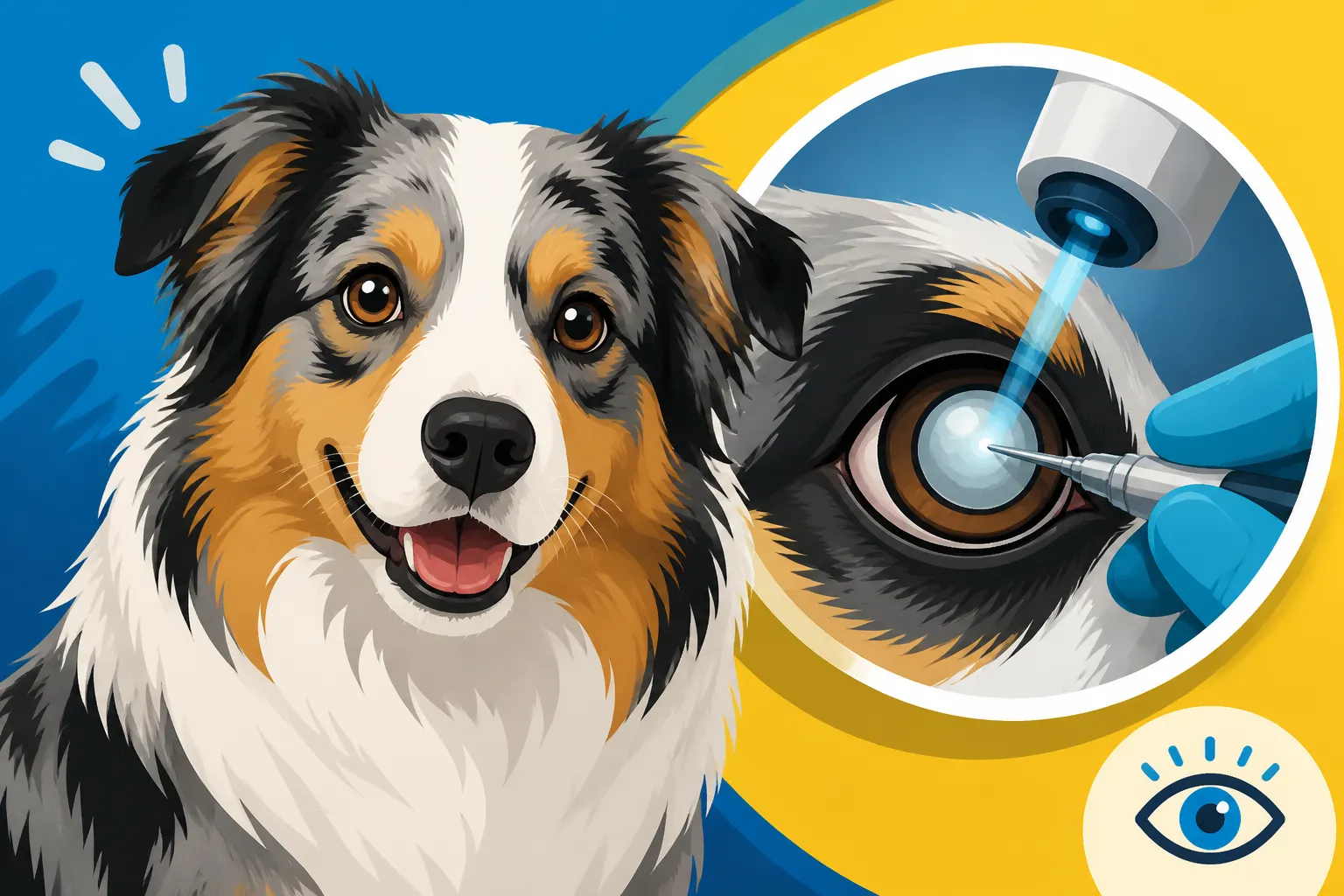
When cataracts mature, surgery often becomes the only viable option to restore vision. The procedure, known as phacoemulsification, is similar to human cataract surgery. It involves using ultrasonic waves to break up the cloudy lens, which is then suctioned out. An artificial intraocular lens (IOL) is usually implanted in its place, allowing light to focus properly on the retina once more. Without this intervention, your Aussie’s world can shrink dramatically, impacting their ability to play, interact, and even move safely around their own home. It’s a complex, specialized procedure that requires an experienced veterinary ophthalmologist and dedicated aftercare, and as such, it comes with a significant price tag.
The Financial Breakdown of Australian Shepherd Cataract Surgery
When you’re facing the prospect of cataract surgery for your Aussie, it’s not just one lump sum you’re paying for. It’s a series of costs, from diagnostic appointments to the surgery itself, and then extensive post-operative care. Each stage is crucial, and each contributes to the total expense.
Initial Consultations and Essential Diagnostics
Before any surgical knife even touches your dog, a comprehensive evaluation is paramount. This isn't just a quick check-up; it's a deep dive into their ocular health and overall fitness for anesthesia.
- Veterinary Ophthalmologist Consultation: This is your first stop. A specialized veterinary ophthalmologist will perform a thorough eye exam. They'll use various tools to assess the cataracts, check for other eye conditions, and determine if your Aussie is a good candidate for surgery. This initial consultation typically costs anywhere from $150 to $350, but it's money well spent for their expert opinion.
- Pre-operative Bloodwork: Just like with any major surgery, a complete blood panel is essential to ensure your Aussie’s organs are functioning correctly, particularly their liver and kidneys, which will process the anesthetic drugs. This helps mitigate risks during the procedure. Expect to pay $100 to $300 for these vital tests.
- Ocular Ultrasound: Sometimes, the cataracts are so dense that the ophthalmologist can’t see the back of the eye. An ocular ultrasound provides a clear image of the retina and other structures behind the lens, ensuring there are no other underlying issues that would make surgery pointless or risky. This can add $200 to $500 to the bill.
- Electroretinogram (ERG): This is a specialized test that measures the electrical activity of the retina. It’s crucial to confirm that the retina is healthy and capable of vision before cataract removal. If the retina isn't functioning, removing the cataract won't restore sight. This test can range from $300 to $800.
These initial diagnostic steps are not optional extras; they are fundamental to ensuring the surgery has the best possible chance of success and that your Aussie is safe throughout the process.
The Surgical Procedure Itself
This is the core of the expense, encompassing everything that happens on the day of surgery.
- Anesthesia and Monitoring: An Australian Shepherd will be under general anesthesia for the procedure. This includes the drugs, the time of the veterinary anesthesiologist, and continuous monitoring of vital signs throughout the surgery. Anesthesia costs can range from $500 to $1,500, depending on the length of the surgery and the monitoring required.
- Phacoemulsification: This is the actual removal of the cataract. It’s performed with highly specialized equipment and requires immense precision. The cost for the surgical expertise and use of the equipment is the largest component, typically between $2,000 to $4,000 per eye. Many Aussies will need both eyes done, effectively doubling this part of the cost.
- Intraocular Lens (IOL) Implants: After the cloudy lens is removed, an artificial lens is usually implanted. These lenses help restore proper vision and are a critical part of the surgery’s success. Each lens adds $300 to $700 to the cost.
- Facility Fees: This covers the use of the sterile surgical suite, support staff, and necessary equipment. These fees can range from $400 to $800.
- Take-Home Medications: Your Aussie will go home with an array of eye drops and oral medications (antibiotics, anti-inflammatories, pain relief) to prevent infection, reduce inflammation, and manage discomfort during recovery. These initial medications can cost $100 to $300.
Post-Operative Care and Follow-ups
The surgery isn't the end of the financial journey; the recovery period is just as important and also incurs costs.
- Medications: Your Australian Shepherd will need a strict regimen of eye drops and oral medications for several weeks, if not months, post-surgery. These are essential to prevent complications like inflammation, glaucoma, or infection. Refills can add up, costing $50 to $200 per month for the first few months. Brands like Chewy or Ollie might offer convenience for refills, but always ensure they are the exact medications prescribed by your vet.
- Follow-up Examinations: Expect several follow-up visits with the veterinary ophthalmologist. These are vital to monitor healing, check intraocular pressure, adjust medication, and catch any potential complications early. You might have appointments at one day, one week, two weeks, one month, three months, six months, and annually. Each visit can cost $100 to $250.
- E-Collar (Cone of Shame): Essential to prevent your Aussie from scratching or rubbing their eyes, which could jeopardize the surgical site. While often included, if you need to buy a specific comfortable cone, it's an extra $20 to $50.
- Potential Complications: Unfortunately, not all surgeries are without hitches. Complications such as glaucoma, retinal detachment, or severe inflammation can occur. Treating these issues can involve additional medications, emergency vet visits, or even further surgery, adding potentially thousands of dollars to your overall bill. This is where comprehensive pet insurance can be a real lifesaver, which we'll discuss later.
Here’s a table summarizing the typical cost ranges you might expect for Australian Shepherd cataract surgery:
| Cost Category | Estimated Range (Per Eye) | Notes |
|---|---|---|
| Pre-Operative Diagnostics | $750 – $1,950 | Includes ophthalmologist consult, bloodwork, ocular ultrasound, ERG. |
| Surgical Procedure (Phacoemulsification) | $2,000 – $4,000 | Main surgical fee, highly specialized. |
| Anesthesia & Monitoring | $500 – $1,500 | Includes drugs, anesthesiologist, vital sign monitoring. |
| Intraocular Lens (IOL) Implant | $300 – $700 | Artificial lens replacement. |
| Facility Fees | $400 – $800 | Use of surgical suite and support staff. |
| Initial Take-Home Medications | $100 – $300 | Antibiotics, anti-inflammatories, pain relief. |
| Post-Operative Follow-ups (first 6 months) | $400 – $1,000 | Multiple check-ups with ophthalmologist. |
| Ongoing Post-Op Medications (monthly) | $50 – $200 | For several months post-surgery. |
| Total Estimated Cost (One Eye) | $4,500 – $10,450+ | This is a broad range; costs vary significantly. |
| Total Estimated Cost (Both Eyes) | $9,000 – $20,900+ | Many Aussies require bilateral surgery. |
This table gives you a clear picture that Australian Shepherd surgery costs from hips to eyes can be quite substantial.
Factors Influencing the Total Cost
The figures above are estimates, and the actual bill can fluctuate based on several variables. Understanding these can help you anticipate the final cost.
Geographical Location of the Veterinary Clinic
Where you live plays a huge role in veterinary pricing. A specialty veterinary ophthalmology clinic in a major metropolitan area like New York City, Los Angeles, or Boston will almost certainly charge more than a similar clinic in a smaller town or rural area. The cost of living, staff salaries, and overheads are higher in urban centers, and these are reflected in the prices. For instance, the same surgery that might cost $7,000 in rural Oklahoma could easily be $12,000 in coastal California. It's often worth getting quotes from a few different clinics if you live in an area with options, but remember that the specialist’s reputation and experience are paramount.
Complexity and Severity of the Cataracts
Not all cataracts are created equal. A "mature" or "hyper-mature" cataract that has been present for a long time can be more challenging to remove than an "immature" one. Hyper-mature cataracts can sometimes lead to inflammation within the eye or other complications, making the surgery longer and more delicate. If your Aussie has cataracts in both eyes (bilateral cataracts), which is very common, the cost will essentially double compared to a unilateral surgery (one eye). The presence of any concurrent eye conditions, such as glaucoma or retinal issues, can also complicate the procedure and add to the expense. For example, if glaucoma is present, additional medications or procedures might be necessary to control it before or during surgery, increasing the total bill.
Anesthesiology and Surgical Team Expertise
Cataract surgery requires a highly skilled team. You're not just paying for the surgeon's time, but also for a dedicated veterinary anesthesiologist who will monitor your Aussie closely throughout the procedure. Their expertise ensures the safest possible anesthesia, which is crucial for any dog undergoing surgery, especially older Aussies or those with other health concerns. The level of experience and specialized training of both the ophthalmologist and the anesthesiology team can influence pricing. More experienced and highly-regarded specialists, often found at large veterinary specialty hospitals or university veterinary teaching hospitals, may command higher fees, but they also bring a wealth of expertise that can lead to better outcomes.
Post-Operative Complications
While no one wants to think about it, complications can arise after any surgery. Post-operative inflammation, elevated intraocular pressure (glaucoma), retinal detachment, or even infection can occur. Should any of these develop, they will necessitate additional veterinary visits, diagnostic tests, medications, and potentially further surgical interventions. For example, managing post-surgical glaucoma can involve daily eye drops, which add to ongoing medication costs, or even another procedure to help control the pressure. These unforeseen events can significantly increase your overall Australian Shepherd vet bills between $15,000 and $40,000 over their lifetime, demonstrating the importance of being prepared for the unexpected.
Managing the Financial Burden of Australian Shepherd Cataract Surgery
Seeing your Aussie struggle with their vision is hard enough; the financial strain can add another layer of stress. Thankfully, there are several avenues to explore to help manage these significant costs.
The Role of Pet Insurance
Pet insurance can be an absolute game-changer when it comes to unexpected veterinary expenses like cataract surgery. Companies like Healthy Paws, Embrace, or Trupanion offer various plans that can cover a significant portion of eligible veterinary bills.
However, there's a crucial caveat: pet insurance typically does not cover pre-existing conditions. This means if your Australian Shepherd showed signs of cataracts or was diagnosed before you enrolled them in a policy, or before the policy's waiting period ended, the surgery likely won't be covered. This highlights why it's so important to consider Australian Shepherd insurance at $35 to $55 a month when your Aussie is young and healthy, ideally before any health issues like Insuring an Australian Shepherd Before Its First Seizure could even manifest.
When choosing a policy, pay close attention to:
- Deductibles: The amount you pay out-of-pocket before insurance kicks in.
- Reimbursement Percentage: The portion of the vet bill the insurance company will cover (e.g., 70%, 80%, 90%).
- Annual Limits: The maximum amount the policy will pay out in a year.
- Waiting Periods: The time you have to wait after enrolling before certain conditions are covered. For orthopedic or specialized surgeries, these can be longer.
Always read the fine print and clarify with the insurance provider exactly what their cataract coverage entails, especially for a breed known for genetic predispositions.
Payment Plans and Financial Assistance Programs
If you don't have pet insurance or if the costs exceed your coverage, there are still options to explore:
- Veterinary Financing: Many veterinary clinics, especially specialty hospitals, offer financing options through third-party providers like CareCredit or Scratchpay. These work like credit cards specifically for healthcare expenses, often offering interest-free periods if the balance is paid within a certain timeframe. It's a way to break down a large bill into more manageable monthly payments.
- Payment Plans with the Clinic: Some veterinary practices may be willing to set up a direct payment plan with you. It never hurts to ask, especially if you have a long-standing relationship with the clinic. They might require a significant upfront deposit, but it can still help.
- Veterinary Assistance Programs: There are numerous non-profit organizations dedicated to helping pet owners afford veterinary care. Programs like The Pet Fund, RedRover, or the Animal Cancer Foundation (though cataracts aren't cancer, some general funds might apply) offer grants to eligible pet parents. Breed-specific rescues or health organizations, such as the Australian Shepherd Health & Genetics Institute (ASHGI), sometimes have emergency funds or can direct you to resources. Reaching out to your local breed club might also yield helpful information or contacts.
- Crowdfunding: Platforms like GoFundMe or Wagging Tails (a pet-focused crowdfunding site) allow you to raise money from friends, family, and the broader community. Sharing your Aussie's story and the need for surgery can rally support.
Proactive Budgeting and Savings
Ultimately, one of the most reliable ways to handle significant vet bills is to have a dedicated savings fund. Start an "Aussie Emergency Fund" as soon as you bring your puppy home. Even setting aside $50-$100 a month can build a substantial cushion over time. Given that the Australian Shepherd lifespan across twelve to fifteen years means many years of potential health needs, this proactive approach can alleviate immense stress down the line. Budgeting for your Australian Shepherd isn't just about food and toys; it's about preparing for their long-term health.
Life After Cataract Surgery for Your Aussie
Undergoing cataract surgery is a major event for your Australian Shepherd, and while the recovery period requires diligent care, the outcome can be truly transformative. Seeing your dog regain their vision is an incredibly rewarding experience that makes the investment worthwhile.
The Recovery Journey
The immediate post-operative period is critical. Your Aussie will need to wear an Elizabethan collar (the infamous "cone of shame") for several weeks to prevent them from rubbing or scratching their eyes, which could dislodge the lens or cause infection. A strict regimen of eye drops – sometimes multiple drops administered several times a day – will be necessary to control inflammation and prevent complications. This can be challenging, especially with a high-energy Australian Shepherd, but consistency is key. You'll need to be patient, calm, and prepared to spend a lot of time ensuring their comfort and adherence to medication schedules.
Exercise will be restricted during the initial healing phase to prevent any undue strain or injury. Leash walks and quiet indoor time will replace their usual vigorous activities. It’s a temporary sacrifice for long-term health, but keeping a working breed quiet can be a monumental task! Engaging their minds with puzzle toys or gentle scent games, rather than physical exertion, can help manage their energy.
Regular follow-up appointments with the veterinary ophthalmologist are non-negotiable. These check-ups allow the specialist to monitor the healing process, adjust medications as needed, and detect any potential complications early. They will check the intraocular pressure, assess the clarity of the new lens, and ensure the eye is recovering well. It's a journey that typically spans several months of close observation.
Long-Term Outlook and Continued Care
For the vast majority of Australian Shepherds who undergo successful cataract surgery, the long-term outlook for restored vision is excellent. Many owners report a dramatic improvement in their dog's quality of life. They can once again see their toys, navigate the yard with confidence, and make eye contact with their beloved humans. It's truly heartwarming to witness them rediscover the world through clear eyes.
However, successful surgery doesn't mean the eye is maintenance-free forever. Your Aussie may require lifelong monitoring, including periodic check-ups with the ophthalmologist, often annually, to ensure no new issues arise. Some dogs might need ongoing anti-inflammatory eye drops to prevent chronic inflammation or to manage intraocular pressure. Discussing Whether an Aussie Sees Again After Cataract Removal with your vet can provide realistic expectations.
It’s also important to remember that while cataract surgery restores vision, it doesn't cure any underlying genetic predisposition. Therefore, continuing to prioritize your Aussie's overall health, including regular veterinary check-ups for Senior Australian Shepherd Care After Ten and diligent Australian Shepherd dental care, is paramount to ensuring they live a full, happy life with their newly restored sight. The journey through cataract surgery can be daunting, but the profound difference it makes in your Aussie's world is often priceless.
Disclaimer
The information provided in this guide is for general informational purposes only and should not be considered as professional veterinary advice. Always consult with a qualified veterinary ophthalmologist or your primary veterinarian for any health concerns or before making any decisions related to your Australian Shepherd's care, diagnosis, or treatment. Costs are estimates and can vary significantly based on location, clinic, and individual dog's needs.