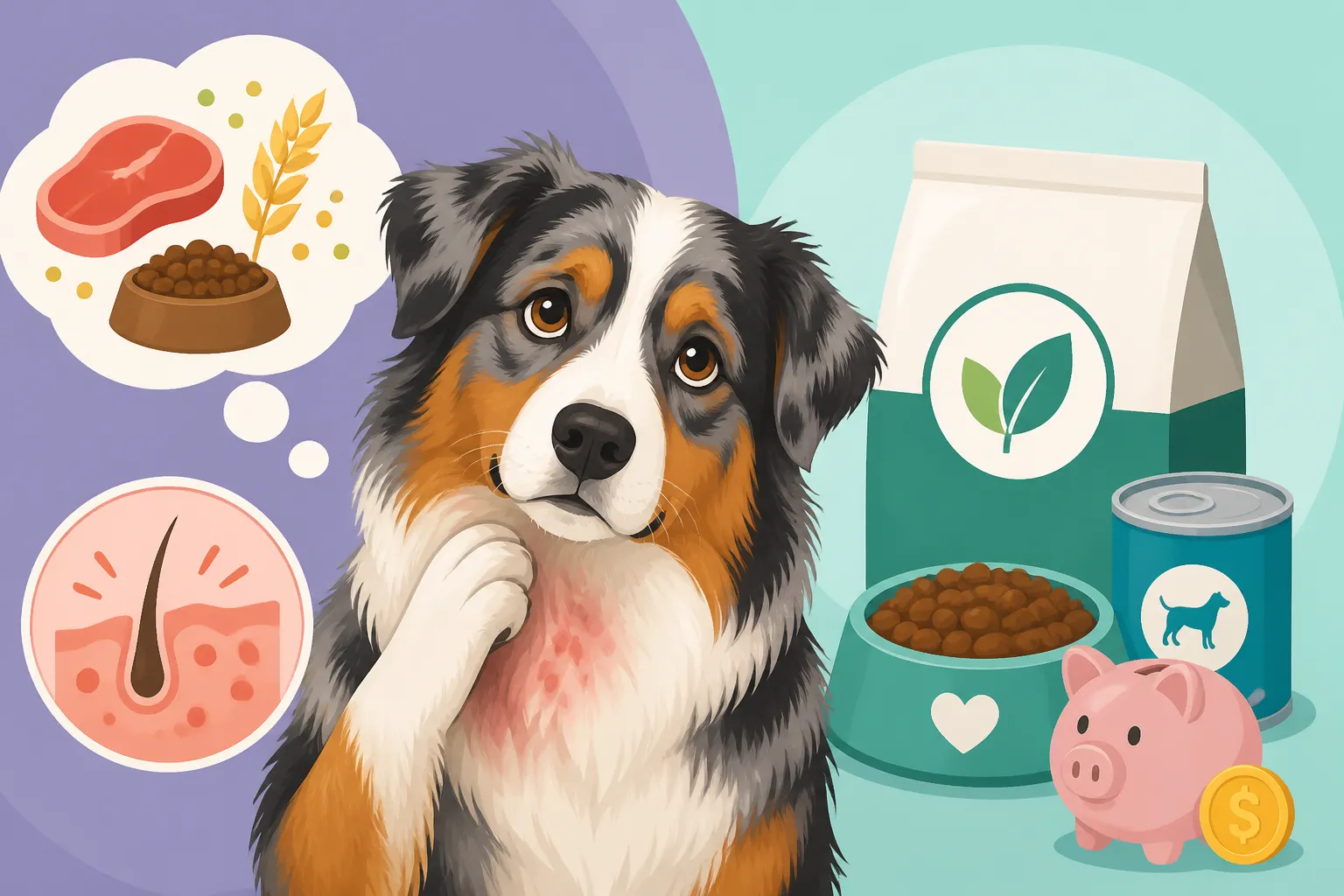
Vet Diet Costs for an Aussie With Allergies
It's absolutely heartbreaking to see your Australian Shepherd constantly itching, scratching, or suffering from a perpetually upset tummy. You try every over-the-counter "sensitive skin" or "limited ingredient" food you can find, and nothing seems to work. The frustration builds as you watch your usually vibrant Aussie become uncomfortable, and you know there has to be a better way. This guide will walk you through the world of veterinary diets for Australian Shepherd allergies, explaining why they're often the most effective solution, what they entail, and what to expect when it comes to the associated costs.
Understanding Australian Shepherd Allergies and Their Impact
Australian Shepherds are wonderful, intelligent dogs, but like many breeds, they can be prone to allergies that make life miserable for both them and their devoted humans. When you're dealing with an allergic Aussie, it's not just a minor annoyance; it's a constant battle to keep them comfortable and healthy.
The Frustration of Persistent Itching and GI Upset
Imagine watching your beloved Aussie chew incessantly at their paws until they're raw and inflamed, or scratch behind their ears until the skin is irritated. Perhaps they're suffering from recurrent ear infections, or their beautiful double coat feels greasy and looks dull. These are classic signs of allergies, and for many Australian Shepherds, the culprit can often be found in their food. Beyond the skin issues, a food allergy might manifest as chronic diarrhea, vomiting, or excessive gas, turning meal times into a guessing game of "will this one make them sick?" It's a deeply frustrating experience, not just for the dog, but for you as the owner who desperately wants to alleviate their discomfort. You might feel like you've tried everything, from special shampoos to different brands of kibble, only to be met with temporary relief or no change at all. The constant worry about your dog's well-being can be exhausting, and the journey to a diagnosis can feel long and winding. Australian Shepherd Skin, Coat and Allergy Problems often delve deeper into these common presentations.
The impact isn't just physical. A dog that's constantly uncomfortable is often less enthusiastic, less playful, and generally has a lower quality of life. They might be irritable, restless at night, or even show behavioral changes due to chronic pain and irritation. This can strain the bond you share, as you struggle to understand and address their needs. Living with a dog suffering from Food Allergy Itching in an Australian Shepherd means you're always on alert, checking their skin, sniffing their ears, and scrutinizing their stool, hoping for a sign of improvement. It becomes a significant part of your daily routine, and it can wear you down.
Why a Regular Diet Often Isn't Enough
The pet food aisle is packed with options, many touting "natural ingredients," "grain-free" formulas, or "limited ingredient diets." While these can be excellent choices for some dogs, they frequently fall short for an Australian Shepherd with true food allergies. The problem lies in the commonality of ingredients and the potential for cross-contamination in manufacturing. Even a bag labeled "chicken-free" might contain trace amounts of chicken protein due to shared equipment, which can be enough to trigger a severe reaction in a highly sensitive dog.
Many "limited ingredient" diets still rely on common protein sources like chicken, beef, or lamb, which are frequent allergens for dogs. If your Aussie is reacting to one of these, simply switching to another brand with the same protein isn't going to help. Moreover, the type of carbohydrates, fillers, and additives in regular commercial foods can also contribute to gastrointestinal upset or inflammatory responses, even if they aren't the primary allergen. What seems like a healthy, premium dog food to us might still be a minefield for an Australian Shepherd with a truly sensitive system. This is where the guidance of a veterinarian becomes absolutely crucial, as they can help navigate the complex world of pet nutrition to find a truly novel or digestible solution.
The Role and Types of Veterinary Diets for Allergies
When your veterinarian suggests a "prescription diet" or "vet diet" for your Australian Shepherd's allergies, they're not just recommending a fancy kibble. These diets are scientifically formulated tools designed to either prevent an allergic reaction by breaking down proteins or to introduce entirely new ingredients to avoid previous exposures.
Hydrolyzed Protein Diets: Breaking Down the Problem
Hydrolyzed protein diets are often the first line of defense when a food allergy is suspected in an Australian Shepherd. The concept is quite clever: the proteins in the food (often common allergens like chicken or soy) are broken down into such tiny fragments that your dog's immune system doesn't recognize them as allergens. Think of it like a puzzle where all the pieces are too small for your immune system to form the "picture" of the allergen it's trying to attack. This process makes it highly unlikely that your Aussie will have an allergic reaction, even if they were previously sensitive to the original protein source.
These diets are incredibly important for performing an "elimination diet trial." During this trial, your Aussie eats only the hydrolyzed food for a period, typically 8 to 12 weeks, with absolutely no other treats, table scraps, or flavored medications. If their allergy symptoms significantly improve or disappear during this time, it strongly indicates a food allergy. Then, under veterinary guidance, you might slowly reintroduce individual ingredients to pinpoint the exact allergen. The scientific rigor behind these diets means they are manufactured in facilities that take extreme measures to prevent cross-contamination, ensuring the purity of the hydrolyzed proteins. Brands like Royal Canin Hydrolyzed Protein or Hill's z/d are common examples your vet might recommend.
Novel Protein Diets: A Fresh Start for Sensitive Stomachs
Another powerful tool in the fight against food allergies is the novel protein diet. The idea here is to feed your Australian Shepherd a protein source they have never encountered before in their life. If your dog has spent years eating chicken and beef, their immune system has likely developed antibodies to those proteins if they are indeed allergic. By switching to something completely new, like venison, rabbit, kangaroo, or even alligator, you essentially give their immune system a "fresh start."
For this to be effective, it's crucial that the protein truly is novel to your particular Aussie. This often requires a detailed dietary history from you, tracing every food, treat, and chew your dog has ever had. Like hydrolyzed diets, novel protein diets used for elimination trials are specifically formulated to be complete and balanced, ensuring your dog gets all the necessary nutrients while avoiding potential allergens. They also adhere to strict manufacturing guidelines to minimize cross-contamination. While sometimes more palatable than hydrolyzed diets for picky eaters, the novelty factor can be tricky to maintain, especially if your Aussie has had a varied diet in the past. Your vet will help you determine the best novel protein for your dog's unique history.
Prescription Diets for Specific GI Sensitivities
Beyond general food allergies, some Australian Shepherds suffer from more complex gastrointestinal sensitivities or conditions like Inflammatory Bowel Disease (IBD). For these cases, veterinarians might prescribe diets specifically formulated to address these issues. These prescription GI diets often contain highly digestible ingredients, a specific balance of fiber (prebiotic fibers to support gut flora), and sometimes added omega-3 fatty acids to help reduce inflammation in the gut. They might also be low in fat to ease digestion or contain specific probiotics to promote a healthy microbiome.
These diets are not necessarily "allergy diets" in the traditional sense, but they often play a critical role in managing dogs whose allergy symptoms primarily manifest as chronic digestive upset. Sometimes, after an elimination diet, an Aussie might do best on a hydrolyzed or novel protein diet that also has GI support properties. These specialized formulations ensure that your dog's sensitive digestive system can process the food effectively, absorbing nutrients and minimizing irritation. It's about calming the gut and ensuring overall digestive health, which in turn can resolve many allergy-like symptoms. Australian Shepherd Autoimmune Disease can sometimes have GI manifestations that benefit from these specialized diets.
The Financial Reality of Vet Diet Costs
Let's be real: when your vet hands you that prescription for a special diet, the first thought that often crosses your mind (after immense relief, hopefully!) is, "How much is this going to cost?" There's no sugarcoating it; vet diets generally come with a higher price tag than your average bag of kibble from the grocery store.
Initial Outlay vs. Long-Term Management
The sticker shock can be real. A bag of hydrolyzed or novel protein kibble for your Australian Shepherd will typically cost significantly more than what you might be used to paying for a premium non-prescription brand. Canned versions, if available, are often even pricier per serving. This initial outlay can feel like a heavy burden, especially if you're already stretched thin by previous vet visits, tests, and medications in your quest for a diagnosis. It’s important to remember that this isn't just "expensive dog food"; it's a critical part of a medical treatment plan.
However, many owners find that this initial higher cost is an investment that pays off in the long run. Think about it: if your Aussie's chronic itching, ear infections, or diarrhea are resolved by the diet, you could see a significant reduction in other veterinary expenses. Fewer trips to the vet for ear cleaning, skin medications, antibiotics, or expensive diagnostics like biopsies or ultrasounds. This shift from treating symptoms to addressing the root cause can, over time, balance out the overall Aussie Vet Bills Between $15,000 and $40,000 you might incur. The goal is to improve your dog's quality of life and reduce the need for constant medical interventions, which ultimately can lead to savings, both financially and emotionally.
Where to Purchase and Potential Savings
Once you have that vet prescription, you'll find a few avenues for purchasing these specialized diets. Your veterinary clinic is almost always the most direct source. They stock the most common brands and formulations, and their staff can provide immediate guidance on feeding instructions. However, many owners find more competitive pricing and convenience through online retailers. Sites like Chewy have dedicated sections for prescription diets, often requiring vet verification before purchase. This can be a great way to have large bags delivered directly to your door, sometimes with the option for auto-ship discounts. Other large online pet supply stores also offer similar services.
When considering costs, always look into loyalty programs or subscription services offered by your vet or online retailers. Buying in larger bag sizes, if your Aussie will consume it before it expires, can sometimes offer a better per-pound price. You might also ask your vet about available manufacturer coupons or rebate programs. For specific, highly customized fresh food options sometimes explored for complex allergy cases (always under strict vet nutritionist guidance, as these are not standard "vet diets"), services like Ollie offer human-grade, precisely portioned meals. While these are often at a premium price point, they provide a very controlled ingredient list that might be considered in extreme elimination diet scenarios, though usually after traditional vet diets have been explored. Remember, the key is always to ensure the food is appropriate and balanced for your Aussie's needs, as advised by your vet.
Comparing Costs: Vet Diet vs. "Regular" Premium Food
To help visualize the difference, let's break down the general cost characteristics and features you might find across various dog food types. Keep in mind that specific prices vary wildly by brand, region, and bag size, but this table illustrates the typical relative cost and purpose.
| Diet Type | Primary Purpose | Typical Cost (Relative) | Key Features | Considerations |
|---|---|---|---|---|
| Standard Commercial Kibble | General nutrition for healthy dogs | Low to Moderate | Wide variety of ingredients, common proteins, fillers | May contain common allergens; not suitable for allergy diagnosis/management |
| Premium Limited Ingredient | General nutrition for dogs with mild sensitivities | Moderate | Fewer ingredients, often single protein/carb source (e.g., salmon & potato) | May still contain common allergens or cross-contamination; not vet-prescribed for diagnosis |
| Vet-Prescribed Hydrolyzed | Elimination diet, severe allergies, IBD | Higher | Proteins broken down to microscopic size; rigorously controlled manufacturing; vet-approved | Essential for accurate allergy diagnosis; highly digestible; typically requires prescription. Example: Royal Canin Hydrolyzed Protein. |
| Vet-Prescribed Novel Protein | Elimination diet, specific protein allergies | Higher | Single, unusual protein source (e.g., venison, rabbit); rigorously controlled; vet-approved | Requires careful dietary history; may be more palatable; typically requires prescription. Example: Hill's d/d (duck & potato). |
| Vet-Prescribed GI Support | Digestive issues, IBD, sensitive stomachs | Higher | Highly digestible, balanced fibers, prebiotics/probiotics; low fat; vet-approved | Addresses gut health primarily; often overlaps with allergy management; typically requires prescription. Example: Purina Pro Plan EN. |
| Home-Prepared (Vet-Formulated) | Highly individualized for extreme cases/picky eaters | Variable (often Higher) | Specific ingredients, precise nutrient balance, cooked at home; requires vet nutritionist input | Very time-consuming; risk of nutritional deficiencies if not precisely balanced; requires strict adherence. Services like Ollie could be explored for very specific ingredients but require vet sign-off for allergy purposes due to specific formulation. |
This table shows that while veterinary diets are indeed a higher investment upfront, their specialized formulation and strict manufacturing make them invaluable tools for managing your Australian Shepherd's allergies and improving their overall health.
Beyond the Bowl: Holistic Allergy Management Costs
Switching to a vet diet is a huge step, but it’s often just one piece of the puzzle when managing an Australian Shepherd with allergies. There are other ongoing costs and considerations that contribute to the overall financial picture, all aimed at providing your beloved companion with the most comfortable life possible.
The Interplay of Diet with Medications and Supplements
For many Australian Shepherds, especially at the beginning of their allergy journey or during flare-ups, diet alone might not be enough to fully control symptoms. Your vet might prescribe medications to provide immediate relief from itching, inflammation, or secondary infections. These can include antihistamines, corticosteroids (for short-term use), or newer, more targeted drugs like Apoquel (oclacitinib) or Cytopoint (lokivetmab injections). Each of these comes with its own cost, ranging from affordable generics to more premium brand-name options or specialized injections. For instance, Australian Shepherd Vaccination and MDR1 Concerns reminds us that some Aussies have sensitivities to certain drugs, meaning specific, often more expensive, alternatives might be necessary.
Beyond pharmaceuticals, many vets also recommend supplements to support skin and coat health, and to reduce inflammation. High-quality omega-3 fatty acid supplements (fish oil), probiotics for gut health, or even specialized dermatology supplements can be beneficial. These are additional monthly costs that, while not as dramatic as the vet diet itself, certainly add up over time. It's about finding the right combination of diet, medication, and supplements that works best for your individual Australian Shepherd, and this often involves some trial and error, which in itself can incur costs.
Regular Vet Check-ups and Monitoring
Implementing a vet diet isn't a "set it and forget it" solution. Regular veterinary check-ups are crucial, especially during the initial elimination diet phase and then periodically for long-term management. These visits allow your vet to assess your Australian Shepherd's progress, monitor their weight and overall health, and make any necessary adjustments to their treatment plan. For example, if your Aussie is on certain medications, your vet might recommend routine blood work to ensure those medications aren't impacting organ function, such as liver monitoring on Australian Shepherd seizure drugs, even if seizures aren't the primary concern.
These follow-up appointments, diagnostic tests (like further skin scrapings, ear cytology, or even re-challenging foods if you're trying to pinpoint specific allergens), all contribute to the ongoing cost of allergy management. It’s an essential investment, however, as vigilant monitoring helps catch any new issues early and ensures your Aussie remains on the most effective and safest path. Your vet is your partner in this journey, and their expertise is invaluable in navigating the complexities of your Australian Shepherd's health. You may also need to consider other routine care like Australian Shepherd Dental Care, which also adds to overall vet costs.
Strategies to Manage the Cost of Vet Diets
Managing the ongoing costs of a prescription diet for your Australian Shepherd can feel overwhelming, but there are proactive steps you can take to make it more manageable. It's all about being informed and strategic.
Pet Insurance Considerations for Prescription Diets
Pet insurance can be a lifesaver for Australian Shepherd owners facing chronic health issues like allergies. However, understanding what a policy covers is critical. Many comprehensive pet insurance plans, like those offered by Healthy Paws, will cover the cost of a prescription diet if it's deemed medically necessary to treat a covered condition. This means your vet must specifically prescribe the diet as part of the treatment for a diagnosed illness, rather than just as a general "wellness" food. It's usually not enough for the diet to simply be a preventative measure or a personal preference; it must be directly linked to a medical condition.
Crucially, pre-existing conditions are almost universally excluded from coverage. This means if your Australian Shepherd already had allergy symptoms or was diagnosed with allergies before you enrolled them in pet insurance, the costs associated with their prescription diet might not be covered. It's vital to read the fine print of any policy before purchasing and to ask specific questions about prescription food coverage for chronic conditions. Enrolling your Aussie early, before any health issues arise, offers the best chance for comprehensive coverage. Even with insurance, you'll still be responsible for your deductible and copay, but it can significantly reduce your out-of-pocket expenses for what can be a lifetime commitment. For more information, you can always check out Australian Shepherd Insurance at $35 to $55 a Month.
DIY vs. Commercial: The Balanced Approach
When faced with the cost of commercial vet diets, some owners naturally wonder about home-cooked options. While a home-prepared diet can be a highly controlled way to conduct an elimination trial, it comes with significant challenges and risks. The biggest concern is ensuring nutritional completeness and balance. It's incredibly difficult to formulate a home-cooked diet that meets all of your Australian Shepherd's essential nutrient requirements without the guidance of a board-certified veterinary nutritionist. Imbalances can lead to serious health problems over time, often more severe than the allergies themselves.
If you are considering a home-cooked diet for allergy management, it must be done under the strict supervision and formulation of a veterinary nutritionist. They can design a balanced recipe using novel ingredients specific to your Aussie's needs, and guide you through the cooking and feeding process safely. This initial consultation and formulation fee is an added cost, but it's essential to prevent deficiencies. Without professional guidance, sticking to a commercially available, vet-prescribed hydrolyzed or novel protein diet is almost always the safer, more convenient, and ultimately healthier option for your Australian Shepherd. While companies like Ollie offer fresh, human-grade food, they are generally not formulated as medically precise "vet diets" for allergy elimination unless a veterinary nutritionist has specifically approved and guided the use of a particular formulation from them for your dog's unique needs. For more details on the diagnostic process, you might find Eight Weeks of Elimination Diet on an Aussie helpful.
Investing in a vet-prescribed diet for your Australian Shepherd's allergies is a significant commitment, both in terms of daily routine and financial outlay. However, for many dogs, it is the clearest path to alleviating chronic discomfort and drastically improving their quality of life. The initial higher cost is often offset by a reduction in other vet bills as symptoms resolve, and the peace of mind knowing your beloved Aussie is comfortable and thriving is truly priceless. Always work closely with your veterinarian to find the best dietary and overall management plan for your unique Australian Shepherd, ensuring their health and happiness for years to come. Remember that genetic factors can play a role in predispositions, so understanding The Genetic Panel Every Australian Shepherd Needs can also be beneficial for a holistic view of your dog's health.
Disclaimer
This article is for general informational purposes only and does not constitute professional advice. Laws, prices and regulations vary by location and change over time. Consult a qualified professional for guidance on your specific situation.