Why Aussies Land in Rescue at Eighteen Months
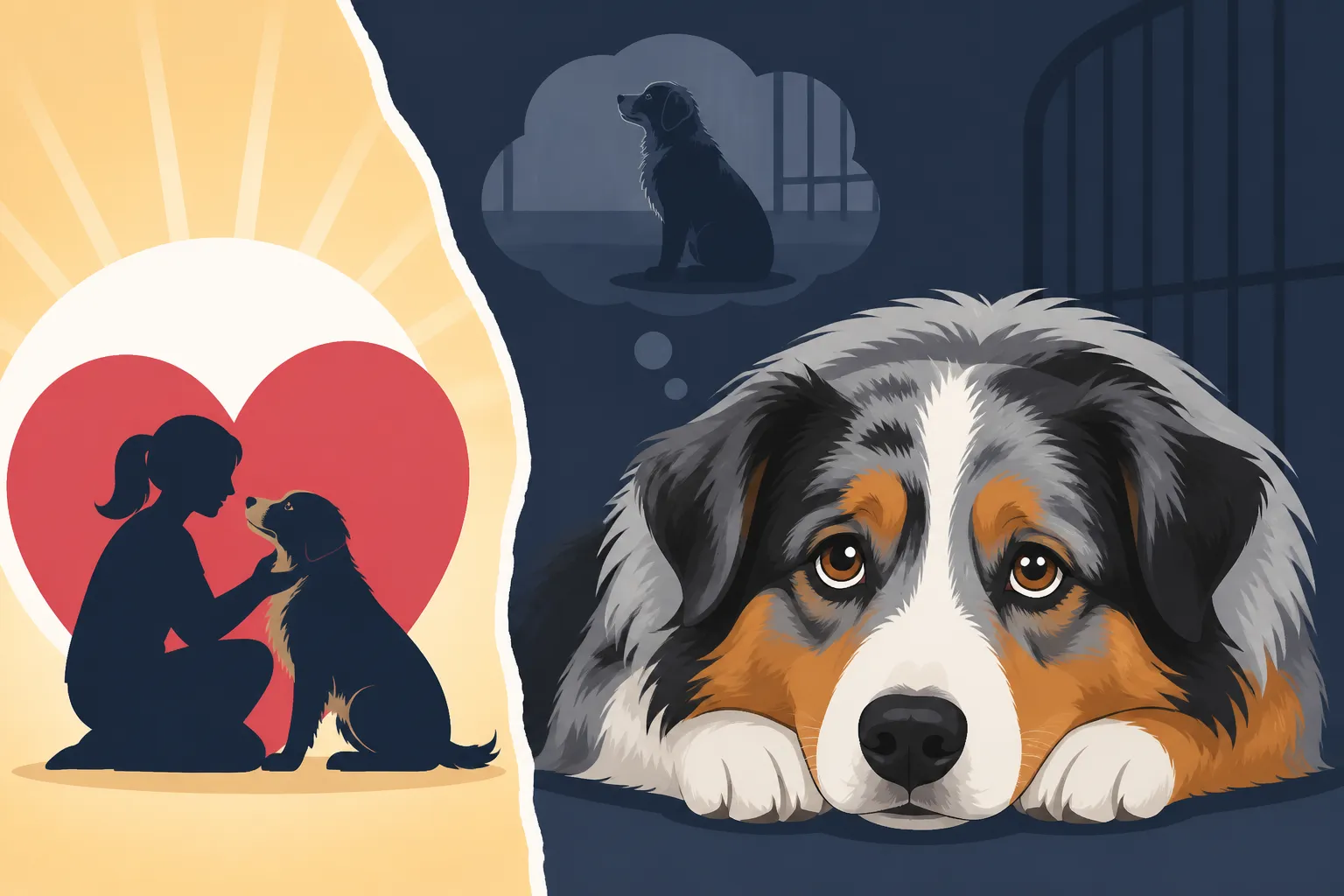
It’s a heartbreaking sight to see a beautiful, intelligent Australian Shepherd, barely out of puppyhood, suddenly listed on a rescue website. Many well-meaning owners fall in love with the adorable Aussie puppy, only to find themselves completely overwhelmed when their dog hits that challenging 18-month mark. This guide will explore the common reasons why so many Australian Shepherds end up in rescue around this crucial age and offer insights into preventing such an unfortunate outcome.
The Adolescent Aussie: Understanding the 18-Month Mark
Eighteen months is a fascinating, often frustrating, age for an Australian Shepherd. They are no longer tiny, cuddly puppies, nor are they fully mature, settled adults. This is a critical transition period where their innate breed characteristics truly come to the forefront, sometimes to the surprise of unprepared owners. Understanding this developmental stage is key to navigating it successfully.
When Puppy Charm Fades and Real Drive Emerges
When an Australian Shepherd is a fluffy, wiggly puppy, most owners are willing to overlook a lot of mischief. A playful nip, a quick burst of zoomies, or a mischievous chew on a slipper might be met with an indulgent chuckle. But by 18 months, that "puppy pass" has well and truly expired. Your Australian Shepherd is now a physically capable, strong, and incredibly intelligent young adult, but mentally, they're still often in a teenage phase. This is when their true, deep-seated working dog instincts really begin to flourish, and what was cute in a puppy can become a significant challenge in a strong, persistent adolescent.
The sheer intensity of the Australian Shepherd herding drive you cannot train out becomes undeniable. This isn't just a dog that likes to chase; it's a dog with an ancient genetic blueprint to organize, move, and control things. For an owner in a suburban home, this might translate to relentless attempts to "herd" children, nip at the heels of joggers, or fixate on bicycles and cars passing by the window. This isn't defiance; it's instinct. Owners who adopted their Aussie primarily for their beautiful eyes or striking merle coat, without a full grasp of their working heritage, often find themselves completely out of their depth when this powerful drive manifests.
The "Teenage" Phase: Pushing Boundaries and Peak Energy
Much like human teenagers, adolescent Aussies test limits and boundaries. They might suddenly seem to "forget" commands they knew perfectly just weeks before, experiment with new, undesirable behaviors, or develop selective hearing, especially when a tempting distraction is nearby. This isn't because they're being spiteful; it’s a natural part of brain development where impulse control is still maturing, and their curiosity about the world peaks. Their understanding of cause and effect is deepening, and they are constantly learning what they can get away with.
Compounding this mental shift is the fact that their energy levels are often at their absolute peak around this age. A short walk around the block that might have sufficiently tired a younger puppy simply won't cut it for an 18-month-old Australian Shepherd. They possess an incredible stamina bred for a full day's work, and if that energy isn't channeled appropriately, it becomes restless, destructive, or anxious. This requires significant physical exercise, certainly, but even more critically, it demands intense mental engagement to satisfy their intelligent minds. Without appropriate outlets, this combination of boundless energy, intellectual capacity, and boundary-testing behavior can quickly overwhelm even the most patient owner, leading to a breakdown in the human-animal bond.
The Mismatch: Unmet Needs and Overwhelmed Owners
The primary reason so many young Australian Shepherds end up in rescue is a fundamental mismatch between the dog's inherent needs and the owner's expectations or capacity to meet those needs. These aren't low-maintenance dogs; they are sophisticated working animals disguised as beautiful pets. When their core requirements for mental and physical stimulation are not consistently met, problems inevitably arise.
More Than Just Walks: The Need for Mental Engagement
Many people mistakenly believe that simply running their dog in a yard or taking them for a long walk will create a "good dog." While physical exercise is crucial for an Australian Shepherd, for this highly intelligent breed, physical exhaustion alone is rarely enough. Their minds are constantly active, craving puzzles, problem-solving, and tasks to complete. Without appropriate mental stimulation, an Aussie will get bored, and a bored Australian Shepherd is a creative, often destructive, force of nature. They will find their own "jobs," which might include redecorating your couch with their teeth, chewing through drywall, or systematically dismantling household items.
Imagine giving a highly intelligent person an endless supply of physical chores but never letting them read a book or solve a riddle. They would quickly become frustrated, anxious, and likely invent their own, perhaps less desirable, forms of entertainment. It’s the same for an Aussie. Investing in puzzle toys, engaging in scent work, teaching complex tricks, or practicing advanced obedience can make a profound difference. These activities not only tire them out in a more profound way but also strengthen the bond between dog and owner. Stores like Chewy offer a vast selection of brain games and interactive toys that can help satisfy this critical need, proving that mental work that actually tires an Australian Shepherd is paramount.
The Unrelenting Herding Drive and Heel Nipping
At the heart of an Australian Shepherd's being is an intense herding instinct. This powerful, inborn drive is not something you can simply train away; it's literally the operating system of their brains. By 18 months, this drive can be incredibly strong and pervasive. They might start "herding" anything that moves – children, other pets, visitors, or even inanimate objects like the vacuum cleaner. A common manifestation is nipping at heels, a natural behavior used to move livestock that can be painful and frightening for humans, especially small children.
Owners who haven't learned how to channel or redirect this powerful instinct onto appropriate outlets often find it incredibly challenging. This might mean introducing a flirt pole, a large herding ball, or structured games that allow them to use their natural talents in a controlled environment. Without this redirection, the constant nipping, circling, and perceived "controlling" behavior can lead to fear, frustration, and eventually, the heartbreaking decision to rehome. This often makes Australian Shepherd heel nipping and how to redirect it a top priority for new owners, or a major factor in surrenders.
The Exercise Gap That Sends Aussies to Rescue
Perhaps the most common misconception about owning an Australian Shepherd revolves around their exercise requirements. Many owners believe that daily walks or a fenced backyard are sufficient for this energetic breed. However, for an 18-month-old Aussie, this is rarely the case. These dogs were selectively bred to work long hours, covering vast distances and making independent decisions in challenging environments. Two hours of structured, engaging exercise per day is often considered a minimum, and even then, the type of exercise is arguably more important than just the duration.
Mindless running in a yard, while burning some calories, doesn't engage their clever minds or satisfy their need for a purpose. Activities like agility, flyball, disc dog, or actual herding practice are ideal because they combine physical exertion with mental problem-solving and partnership with their owner. Without this crucial outlet, the dog becomes restless, anxious, and prone to developing destructive behaviors, constantly seeking an outlet for their pent-up energy. The stark reality is that the exercise gap that sends Aussies to rescue is a primary driver behind many surrenders, as families often underestimate the sheer daily commitment required to keep these magnificent dogs happy and well-adjusted.
Escalating Behavioral Problems and Owner Frustration
When an Australian Shepherd's fundamental needs for mental stimulation, appropriate exercise, and outlet for their instincts are consistently unmet, a range of behavioral issues can quickly escalate. These problems often become too much for owners to handle, leading to significant stress and, ultimately, the difficult decision to seek a new home for their dog.
The Destructive Aussie: Chewing, Digging, and Escapism
A bored, anxious, or under-exercised Australian Shepherd will find ways to entertain itself, and those ways are rarely compatible with harmonious household living. This often manifests as destructive chewing – furniture, shoes, carpets, door frames, or even walls can fall victim to their powerful jaws. They might also develop an insatiable urge to dig craters in the yard, not just out of boredom, but sometimes in an attempt to escape their confined, under-stimulated environment in search of more engaging activities. This kind of persistent damage takes a massive toll, both financially for repairs and emotionally for the owner, who feels their home is being systematically destroyed.
Beyond the frustration, there are significant safety risks involved. A destructive Aussie might ingest foreign objects, leading to expensive emergency vet visits for blockages or poisoning. While pet insurance from providers like Healthy Paws can help mitigate the financial shock of such incidents, preventing them through proper management and enrichment is always the better solution. The constant need for supervision and the relentless cycle of destruction can push even the most dedicated owners to their breaking point, illustrating perfectly that an Australian Shepherd that cannot be left with nothing to do will inevitably make its own, often unwelcome, fun.
Reactivity and Overarousal on Walks
Australian Shepherds are often sensitive and highly observant, traits that make them exceptional working dogs but can also predispose them to reactivity in busy, overstimulating environments. An 18-month-old Aussie, if not thoroughly socialized and trained, can easily develop issues like Australian Shepherd reactivity and overarousal. This might manifest as lunging, barking, or growling at other dogs, people, bicycles, or cars encountered during walks. What might start as excitement or uncertainty can quickly escalate into a genuine problem that makes walks a nightmare for the owner.
The stress of managing a reactive dog is immense. Owners often feel embarrassed, judged by others, and physically drained from constantly managing their dog's outbursts. This can lead to a vicious cycle where walks become so unpleasant that they are shortened or avoided altogether, which only exacerbates the dog's pent-up energy and frustration, worsening the reactivity. The feeling of being trapped by a dog that cannot safely navigate public spaces is a significant factor in many rehoming decisions.
Barking, Anxiety, and Noise Sensitivity
Aussies are vocal communicators by nature, and if not managed, their barking can become excessive. An 18-month-old Aussie might develop Australian Shepherd barking and noise sensitivity, reacting to every leaf blowing past the window, every person walking by, or every distant sound with an alarm bark. This constant noise can lead to strained neighbor relations, sleep deprivation for the owners, and a general feeling of chaos and stress in the home. It’s hard to relax when your dog is constantly on alert.
Furthermore, unmet needs for mental and physical stimulation, combined with inconsistent training, can lead to chronic anxiety, including separation anxiety. Anxious Australian Shepherds may bark, howl, or engage in destructive behaviors when left alone, further intensifying the owner's despair and sense of being overwhelmed. While a high-quality, balanced diet from providers like Ollie can contribute to a dog's overall wellbeing, behavioral issues stemming from anxiety and lack of stimulation require direct training and environmental management. Owners often reach a point where they simply cannot cope with the relentless barking and the associated stress it brings to their lives.
Preventing Surrender: Proactive Steps and Support for Struggling Owners
The good news is that many of these heartbreaking situations can be prevented with proper preparation, realistic expectations, and a commitment to understanding and meeting an Australian Shepherd's unique needs. For those already struggling, there are resources and strategies available that can help.
Research and Realistic Expectations Before Bringing an Aussie Home
The single most crucial step in preventing an Aussie from ending up in rescue is thorough research before you even consider bringing one home. Don't just fall for the stunning looks; delve deep into the breed's historical purpose, temperament, energy levels, and common health challenges. Understand topics such as The Health Tests Every Australian Shepherd Parent Needs and The Australian Shepherd Standard and What Judges Want. Be brutally honest with yourself about your lifestyle and capacity. Do you genuinely have 1-2+ hours daily for dedicated, engaging physical exercise and mental stimulation? Are you prepared for consistent, ongoing training, not just for a few months, but for the dog's entire life?
Consider your home environment realistically. While some incredibly dedicated owners make apartment living work, a home with a secure yard that allows for active play and training sessions is often more suitable. Many owners acquire Aussies because of their perceived "smartness," without fully grasping that "smart" in a working breed context means they need a job. If you can't provide one, they will invent one you almost certainly won't appreciate. This pre-adoption homework, which should also include reviewing Aussie Puppy Prices Between $1,000 and $2,500 to ensure you're budgeting appropriately for a well-bred pup, is paramount.
Early Intervention and Consistent Training
Once you bring your Australian Shepherd puppy home, early intervention and consistent training are non-negotiable. Start positive reinforcement training and thorough socialization the moment they arrive. Puppy classes are invaluable, not just for basic obedience, but for exposing your pup to novel sights, sounds, people, and other well-socialized dogs in a controlled environment. Addressing issues like Australian Shepherd puppy biting and herding nips from the outset is crucial.
Consistency is key. Australian Shepherds thrive on routine, clear boundaries, and predictable expectations. If training lapses, particularly during the challenging adolescent period, they will quickly revert to instinctual behaviors. Enroll in advanced obedience, agility, herding, or scent work classes. The mantra for success with this breed is Giving an Australian Shepherd a job instead of a walk. These activities not only burn off excess energy but also strengthen your bond, build impulse control, and provide the mental stimulation an Aussie craves. Remember, resources like Chewy offer a wide range of training aids and enrichment toys to support continuous learning at home.
When to Seek Professional Help and Resources
If you find yourself struggling, do not wait until problems are deeply entrenched. Reach out to a certified professional dog trainer or a veterinary behaviorist immediately. These professionals can help diagnose underlying issues, such as Australian Shepherd behavior problems from under-exercise, and develop a tailored training and management plan. Seeking help is not a sign of failure; it’s a sign of a responsible, dedicated owner willing to do what it takes for their dog. Sometimes, behavioral changes can even stem from underlying health conditions, so a visit to your veterinarian for a check-up should always be a first step.
The emotional toll of living with a challenging dog can be immense, often leaving owners feeling isolated, guilty, and overwhelmed. Understand that you are not alone, and there are many people who have navigated similar difficulties successfully. Consider obtaining pet insurance from providers like Healthy Paws. While it won't cover pre-existing conditions, enrolling early can help with future unexpected vet bills related to injuries from destructive behavior or even behavioral consultations if they fall under covered conditions. Many breed-specific rescue organizations are also fantastic resources, not just for rehoming but often for providing expert advice and support to owners who are considering Australian Shepherd Rescue and Why Dogs Arrive. Recognizing that The Exercise Gap That Sends Aussies to Rescue is often a solvable problem with the right guidance can make all the difference.
Owner Expectation vs. Australian Shepherd Reality
| Owner Expectation | Australian Shepherd Reality (around 18 months) | Potential Outcome if Unmet |
|---|---|---|
| A daily walk around the block will suffice | Needs 1-2+ hours of engaging physical and mental exercise daily, often beyond just walking. | Destructive chewing, hyperactive indoor behavior, zoomies, anxiety. |
| Smart dog, learns quickly and then knows it | Smart dog, needs constant mental challenges, ongoing training, and a sense of purpose ("a job"). | Invents own destructive "jobs," excessive barking, nuisance behaviors, apathy. |
| Cute puppy nips will grow out of it | Strong herding instinct means nipping can escalate to painful ankle grabs or attempts to control movement. | Fear of the dog, injury to children/others, strained relationships, rehoming. |
| Will be friendly with everyone | Often reserved with strangers; can develop reactivity or suspicion without proper socialization and confidence. | Lunging/barking at guests or other dogs, walks become stressful, isolation. |
| Good family dog, fits into any household | Requires firm, consistent leadership and clear boundaries; can try to "herd" children or other pets. | Anxious, insecure dog; family conflict; feeling of being overwhelmed and chaos. |
| Just needs a yard to run in and play | Needs interaction, training, and purpose with their human; a yard alone is not sufficient engagement. | Digging, escaping, boredom barking, lack of bond with owner, destructive habits. |
Disclaimer
This article is for general informational purposes only and does not constitute professional advice. Laws, prices and regulations vary by location and change over time. Consult a qualified professional for guidance on your specific situation.