Where an Aussie Premium Lands Each Month
It’s a common worry for any Australian Shepherd parent: that sudden, unexpected vet bill that drops like a bombshell, leaving you scrambling to figure out how to cover it. We all want to give our beloved Aussies the best care possible, but the reality is, medical emergencies and ongoing health issues can quickly become incredibly expensive. This guide is here to demystify pet insurance premiums for your Australian Shepherd, helping you understand exactly where your money goes each month, what influences those costs, and how to find a plan that truly protects your furry family member without breaking the bank.
Factors Influencing Your Australian Shepherd's Insurance Premium
When you’re looking into pet insurance for your active, intelligent Australian Shepherd, it’s not just a flat fee. Several key factors come into play that significantly influence the monthly premium you’ll pay. Understanding these can help you make more informed decisions and avoid surprises down the line.
Age and Location of Your Aussie
One of the biggest drivers of your Australian Shepherd’s monthly insurance premium is their age. Puppies, especially those under a year old, generally have lower premiums because they are typically seen as lower risk for major health issues, aside from the occasional puppy mischief. However, as your Aussie matures, especially past the age of five or six, those premiums tend to creep up. This is because older dogs are, unfortunately, more prone to developing age-related conditions, much like humans. Insurers are factoring in a higher likelihood of claims for things like arthritis or even cancer. This becomes particularly noticeable as you approach Senior Australian Shepherd Care After Ten, where regular vet visits often become more frequent.
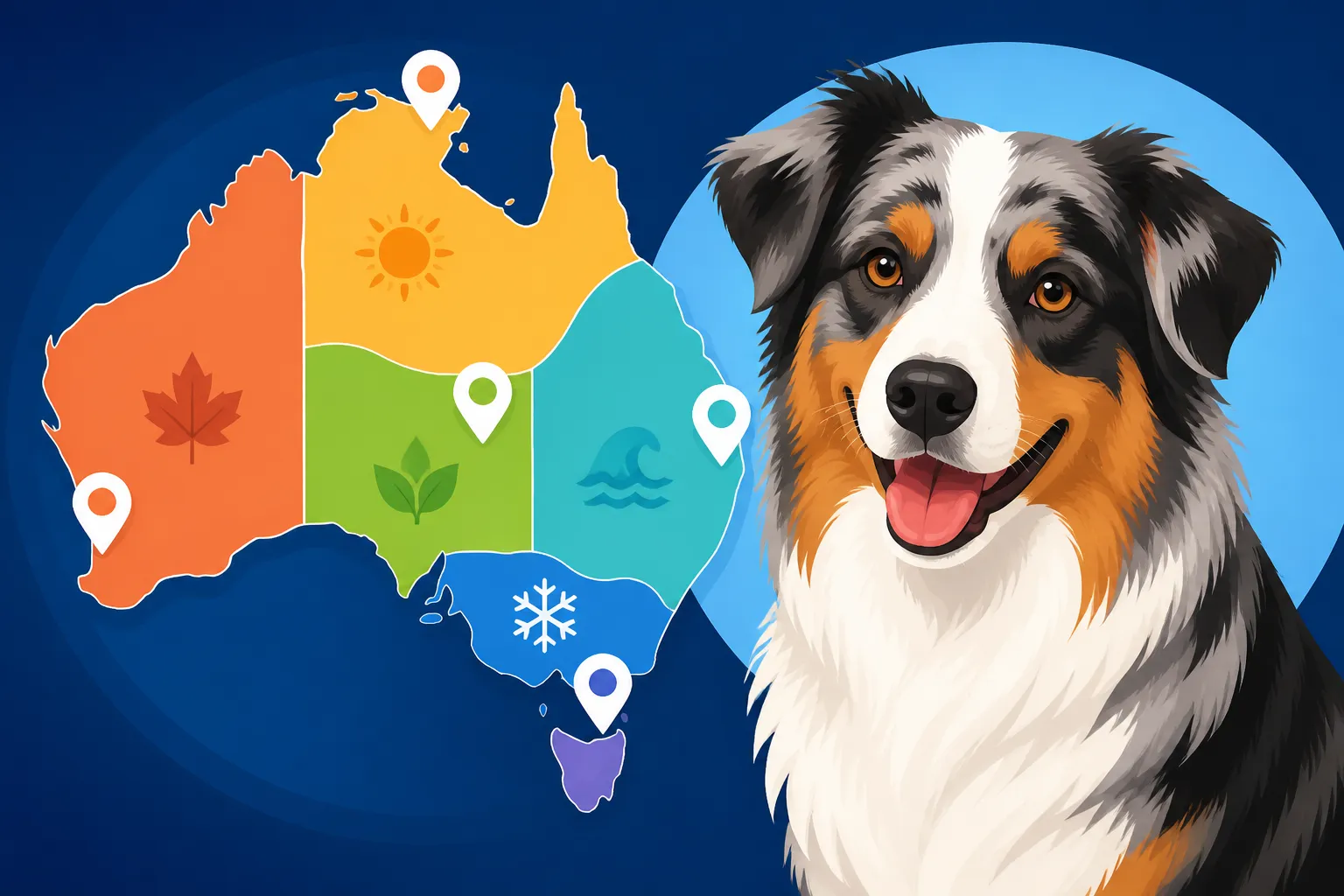
Beyond age, where you live plays a surprisingly large role. Veterinary costs aren't universal; they vary significantly by region, state, and even within different cities. If you're in a metropolitan area with higher costs of living, chances are your local vets charge more, and consequently, your pet insurance premiums will reflect that. An insurer in New York City or Los Angeles will likely charge more for the same coverage than one in a rural town in Kansas, simply because the potential cost of claims for them is higher. This regional variation is why you’ll often see differences in quotes when comparing Australian Shepherd Insurance by Age and State.
Breed-Specific Health Concerns
Australian Shepherds are wonderful dogs, but like all breeds, they come with certain predispositions to particular health conditions. Insurers are very aware of these genetic tendencies and factor them into their risk assessments, which directly impacts your premium. For instance, Aussies are unfortunately known for conditions like Australian Shepherd Hip Dysplasia and Working Joints and Australian Shepherd Epilepsy Starting Between One and Five. If your breed is statistically more likely to develop expensive, chronic conditions, your premiums will naturally be higher than for a breed with fewer such predispositions.
This isn't to say your Aussie will get these conditions, but the risk is there. A reputable breeder will provide you with extensive health clearances for your puppy’s parents, often including results from The Genetic Panel Every Australian Shepherd Needs, which can help you understand potential risks. However, insurance companies still calculate based on the overall breed statistics. They know that treating hip dysplasia or managing epilepsy can involve costly surgeries, medications, and ongoing specialist care, and they price their policies accordingly to cover these potential expenses.
Your Chosen Coverage Level and Deductibles
The type of plan you select and the financial structure of that plan — namely your deductible, reimbursement percentage, and annual limit — will also heavily dictate your monthly premium.
- Coverage Type: An "accident-only" plan, which covers things like broken bones or ingesting a foreign object, will be the cheapest option. However, most Aussie parents opt for "accident and illness" plans, which also cover conditions like allergies, infections, and chronic diseases. Comprehensive plans, sometimes including wellness add-ons for routine care like vaccinations and dental cleanings, will be the most expensive, but also offer the broadest coverage.
- Deductible: This is the amount you pay out of pocket before your insurance starts to reimburse you. A higher deductible (e.g., $1,000) means a lower monthly premium, but you’ll pay more upfront if your Aussie needs care. A lower deductible (e.g., $100 or $250) means a higher monthly premium, but less out of your pocket for each claim.
- Reimbursement Percentage: This is the percentage of eligible vet bills the insurance company will pay back after your deductible is met. Common options are 70%, 80%, or 90%. Opting for 90% reimbursement will lead to a higher premium than 70%, as the insurer will be paying a larger portion of each claim.
- Annual Limit: This is the maximum amount the insurance company will pay out in a policy year. Some plans offer unlimited annual benefits, which typically come with a higher premium. Plans with lower annual limits (e.g., $5,000 or $10,000) will be cheaper but might not cover the full cost of a major illness or accident.
It's a delicate balance: you can lower your monthly premium by choosing a higher deductible, a lower reimbursement rate, or a lower annual limit, but you need to be prepared for potentially higher out-of-pocket costs when a claim arises.
Understanding the Average Monthly Costs for Aussie Pet Insurance
So, what does this all boil down to in terms of actual numbers? Giving a precise average monthly cost for an Australian Shepherd’s pet insurance is tricky because of all the variables we just discussed. However, based on industry averages and considering the breed’s specific health profile, you can generally expect a certain range.
For a healthy, young Australian Shepherd on an accident and illness plan, you might see premiums ranging anywhere from $35 to $75 per month. This is a broad range, reflecting the differences in location, specific plan choices, and the various providers in the market. As your Aussie ages, or if you opt for more comprehensive coverage with a low deductible and high reimbursement, that monthly figure can climb, sometimes reaching well over $100 for an older dog or a plan with extensive benefits.
Let’s put that into perspective. If you’re paying $50 a month, that’s $600 a year. Over Australian Shepherd Lifespan Across Twelve to Fifteen Years, that adds up significantly. But when you consider that a single emergency surgery for something like bloat (a risk for deep-chested breeds like Aussies) can cost $3,000-$7,000, or ongoing care for epilepsy might involve hundreds of dollars in medication and diagnostics monthly, that $50-$75 starts to look like a wise investment.
It's also crucial to remember that pre-existing conditions are almost universally excluded from pet insurance coverage. This means if your Australian Shepherd is diagnosed with a condition before you enroll in a policy or during the waiting period, that specific condition will not be covered. This highlights the importance of getting coverage while your Aussie is young and healthy. Waiting until after the first seizure or until hip issues become apparent will mean those conditions are considered pre-existing, and you'll be footing those bills entirely on your own. This is why getting Insuring an Australian Shepherd Before Its First Seizure is so critical.
When you start to look at different providers, you'll find offerings from companies like Healthy Paws and options available through major pet retailers like Chewy, which often partner with insurance carriers. While the core coverage might seem similar, the fine print, customer service reputation, and ease of making claims can vary. It’s always a good idea to get quotes from multiple providers to compare not just the premium, but also the overall value and what truly is covered under their The Aussie Conditions Insurers Exclude clause.
Here’s a simplified look at how some common plan choices might affect your estimated monthly premium for a young, healthy Australian Shepherd (these are illustrative figures and will vary by provider and location):
| Plan Feature | Lower Monthly Premium (Example) | Higher Monthly Premium (Example) |
|---|---|---|
| Deductible | $750 – $1,000 | $100 – $250 |
| Reimbursement Percentage | 70% | 90% |
| Annual Limit | $5,000 – $10,000 | Unlimited |
| Estimated Monthly Premium | $35 – $55 | $60 – $90+ |
This table demonstrates the typical trade-offs: the more financial risk you’re willing to take on with a higher deductible or lower reimbursement, the less you’ll pay monthly.
Navigating Different Insurance Providers and Plans
Choosing the right pet insurance for your Australian Shepherd can feel like navigating a maze, with so many providers, plan types, and jargon to decipher. It’s essential to approach this with a clear understanding of what you need and what each plan truly offers.
Types of Pet Insurance Plans
As mentioned, there are generally three main categories of pet insurance plans:
- Accident-Only Plans: These are the most basic and least expensive. They cover injuries from accidents such as broken bones, swallowed objects, snake bites, or cuts. They do not cover illnesses, chronic conditions, or routine care. While better than nothing, for an Aussie prone to various breed-specific issues, this type of plan often leaves significant gaps in coverage.
- Accident and Illness Plans: This is the most popular type of plan and what most Aussie owners consider. It covers both accidental injuries and a wide range of illnesses, including common issues like ear infections, skin allergies, and more serious conditions like cancer, diabetes, and those pesky hip and elbow problems or epilepsy that Aussies are known for. These plans typically include diagnostic tests, surgeries, medications, and specialist visits. This is usually the sweet spot for balancing cost and comprehensive protection for your Australian Shepherd.
- Comprehensive Plans (Accident, Illness & Wellness): These plans combine accident and illness coverage with a wellness add-on or rider. The wellness portion covers routine and preventive care, such as annual exams, vaccinations, heartworm prevention, and even Australian Shepherd Dental Care. While these plans offer the most complete coverage, they also come with the highest monthly premiums. Sometimes, it can be more cost-effective to self-fund routine wellness visits and opt for a robust accident and illness plan, especially if you have an idea of your annual Australian Shepherd Dental Cleaning Cost.
When comparing plans, don't just look at the monthly premium. Dive into the policy details to understand what's covered, what's excluded, and what the reimbursement process looks like. For example, some plans might have specific limits on behavioral therapy or alternative treatments, which could be important for an active breed like an Aussie.
Reading the Fine Print: Waiting Periods and Exclusions
Every pet insurance policy comes with waiting periods, which are specific lengths of time you must wait after enrolling before certain coverages kick in. These are standard across the industry to prevent people from buying insurance only after their pet gets sick or injured.
- Accident Waiting Periods: Usually short, often 2-14 days.
- Illness Waiting Periods: Typically longer, often 14-30 days.
- Orthopedic Waiting Periods: For conditions like hip or elbow dysplasia, these can be even longer, sometimes 6 months or even a year, to ensure the condition wasn't pre-existing. This is particularly relevant for Australian Shepherds given their propensity for joint issues.
Pre-existing conditions are a major exclusion. If your Aussie shows symptoms or is diagnosed with a condition before your policy starts or during the waiting period, that condition will not be covered. This is why early enrollment is highly recommended. It’s also worth noting that some conditions, like certain bilateral ones (e.g., hip dysplasia affecting both hips), might be excluded on the second side if the first side showed symptoms before coverage.
When you’re comparing providers like Healthy Paws, you’ll notice they might have different waiting periods or ways they handle certain exclusions. It's crucial to understand these nuances. Some plans also exclude specific hereditary or congenital conditions, though many of the better plans will cover these as long as they aren't pre-existing. Always ask for a sample policy and read it carefully before committing.
Consider too, how other ongoing monthly expenses like the fresh food from Ollie factor into your overall pet budget. While not an insurance cost, it’s another regular outlay that you’ll need to balance with your insurance premium.
Strategies to Manage or Reduce Your Aussie's Insurance Costs
While pet insurance is a fantastic safety net, it's also a significant ongoing expense. Thankfully, there are several smart strategies you can employ to manage or even reduce the monthly premium for your Australian Shepherd without compromising essential coverage.
Enroll Early and Choose Wisely
The single best piece of advice for managing pet insurance costs is to enroll your Australian Shepherd as early as possible. As soon as you bring your puppy home and they've had their initial vet check-ups, start looking into insurance. As discussed, premiums are typically lowest for young, healthy animals, and more importantly, enrolling early ensures that any future conditions aren't deemed "pre-existing." This means conditions like Australian Shepherd Epilepsy Starting Between One and Five or Australian Shepherd Hip Dysplasia and Working Joints would be covered if they develop later, provided they weren't evident during the waiting period. Waiting until your Aussie is older or starts showing health issues will severely limit your coverage options and drive up your premiums significantly.
When you're comparing plans, consciously play with the deductible and reimbursement percentage. Can you comfortably afford a slightly higher deductible (e.g., $500 instead of $250) if it means a significantly lower monthly premium? If you have an emergency fund set aside for vet bills, a higher deductible might be a smart financial move. Similarly, consider if you truly need 90% reimbursement, or if 80% or even 70% would still provide enough relief for large bills. The difference of even 10% in reimbursement can shave a good chunk off your monthly cost. It’s a matter of assessing your own financial comfort level with potential out-of-pocket expenses versus your monthly budget.
Focus on Preventive Care and Health Maintenance
This might seem counterintuitive since we're talking about insurance for unexpected costs, but proactive health management can indirectly lead to lower insurance costs in the long run. A healthy Aussie is a less costly Aussie.
- Regular Vet Check-ups: Keeping up with annual exams allows your vet to catch potential issues early, before they become major, expensive problems. Many insurers, including those that partner with Chewy, emphasize the importance of regular veterinary care for maintaining your pet's health.
- Proper Nutrition and Exercise: Feeding a high-quality, balanced diet and providing the ample exercise an Australian Shepherd needs can prevent obesity and related health issues, and support joint health. This ties into the general Lifetime Vet Costs for an Australian Shepherd.
- Dental Health: Don't underestimate the importance of Australian Shepherd Dental Care. Dental disease can lead to serious systemic infections that affect the heart, kidneys, and other organs, resulting in very expensive treatments. Regular brushing and professional cleanings can prevent these complications.
- Genetic Screening: If you're acquiring a puppy, ensuring the parents underwent comprehensive health testing, like The Health Tests Every Australian Shepherd Parent Needs, can give you peace of mind and potentially reduce the likelihood of inherited conditions that lead to high claims.
While preventive care itself might not be directly covered by an accident & illness policy (unless you have a wellness add-on), it reduces the frequency and severity of conditions that would necessitate claims, ultimately making your pet a lower risk over time.
Explore Discounts and Alternative Options
Many pet insurance providers offer discounts that can help trim your monthly premium:
- Multi-Pet Discounts: If you have more than one Australian Shepherd, or other pets, inquire about discounts for insuring multiple animals under the same policy.
- Annual Payment Discount: Some companies offer a small discount if you pay your premium annually rather than monthly.
- Employer or Association Discounts: Check if your employer, alumni association, or any clubs you belong to offer discounts on pet insurance.
- Temporary Promotional Rates: Keep an eye out for special offers or limited-time promotions from providers.
It's also worth revisiting your policy periodically. As your Aussie ages, their needs and your financial situation might change. What was the best plan for a puppy might not be the most cost-effective or comprehensive for a senior dog. Re-evaluate your deductible and reimbursement levels to ensure they still align with your budget and risk tolerance. For instance, if you're Budgeting for an Australian Shepherd With Epilepsy, you might need a plan with higher reimbursement to offset the ongoing medication costs.
Remember, the goal is to find a balance where your monthly premium is manageable, but you still have a robust safety net in place for when the unexpected happens. Pet insurance is an investment in your Australian Shepherd’s health and your peace of mind.
Disclaimer
This article is for general informational purposes only and does not constitute professional advice. Laws, prices and regulations vary by location and change over time. Consult a qualified professional for guidance on your specific situation.