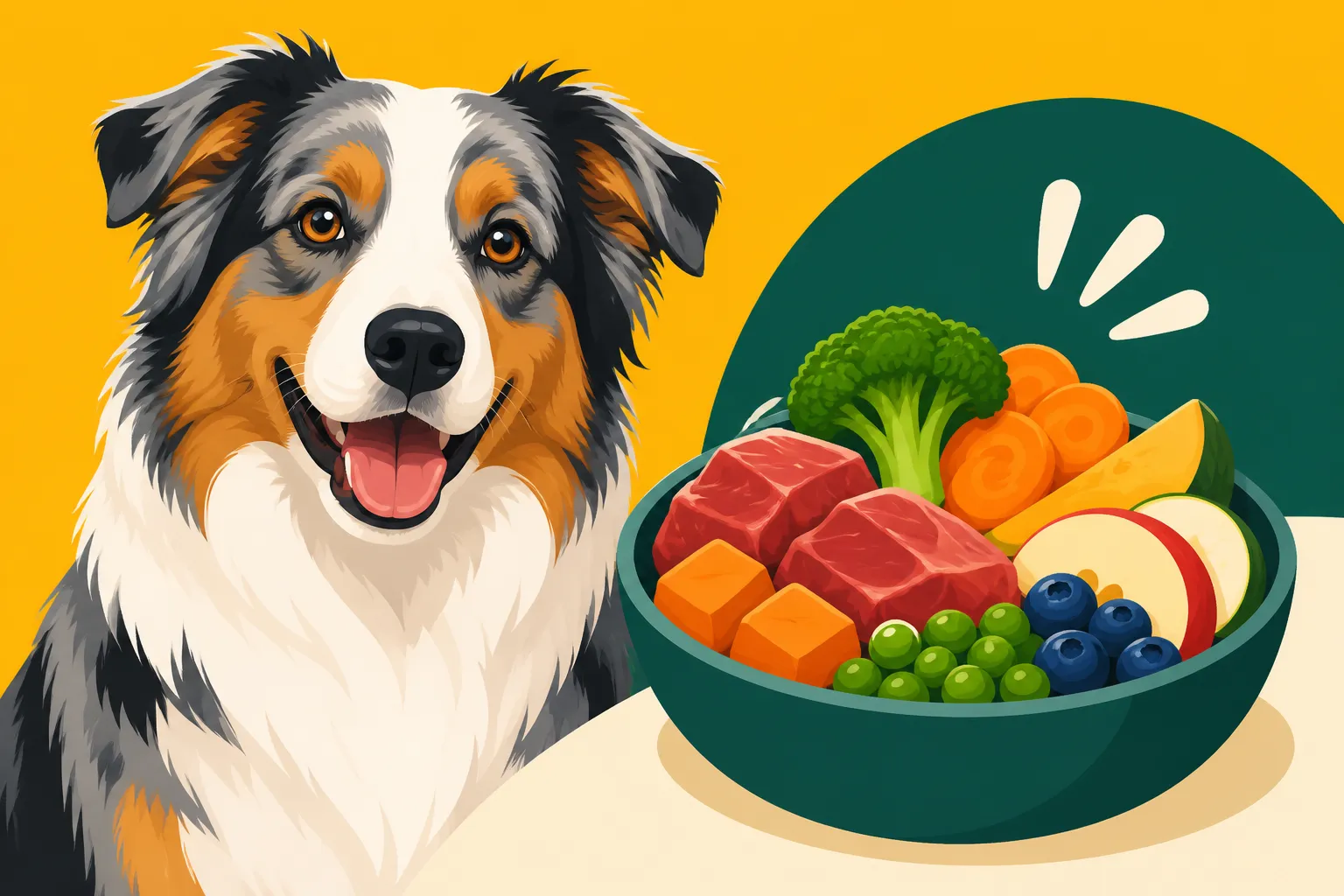
Fresh Food in Working Aussie Portions
It’s a common scenario: you’ve got this incredibly active Australian Shepherd, a dog bred for work, constantly on the go, whether it's herding livestock, excelling in agility, or simply keeping up with your adventurous lifestyle. You pour your heart and soul into their training and exercise, but then you look at their food bowl and wonder, are they really getting everything they need? Especially with the rising popularity of fresh food diets, it can feel overwhelming trying to figure out how to properly fuel that boundless energy without breaking the bank or missing critical nutrients. This guide is all about cutting through that confusion, helping you understand how to precisely portion fresh food for your working Australian Shepherd, ensuring they thrive, not just survive.
Fueling the Fire: Why Your Working Aussie Needs Specific Nutrition
Our Australian Shepherds aren't just pets; they're athletes, thinkers, and companions with an incredible amount of drive. This high-octane lifestyle means their nutritional needs are fundamentally different from a lazier, less active breed, or even a more sedentary Aussie. Getting their diet right, especially when considering fresh food options, is paramount to their overall health, performance, and longevity.
The Energy Demands of an Active Australian Shepherd
Imagine trying to run a marathon on a diet of potato chips. Sounds ridiculous, right? Yet, many active dogs are inadvertently fueled with diets that don't quite match their output. A working Australian Shepherd, whether they're moving sheep, weaving through agility courses, or spending hours hiking alongside you, expends a tremendous amount of energy. This isn't just about physical exertion; their brains are often working overtime too, processing commands, making decisions, and staying alert. All this activity means a higher caloric need than the average dog. We're talking about sustaining muscle mass, supporting rapid recovery after intense sessions, and maintaining optimal brain function. Without adequate, high-quality fuel, you might notice a dip in their stamina, a slower recovery time, or even a dullness in their coat. It’s a direct reflection of what goes into their bowl.
Macronutrients for Sustained Performance
Just like human athletes, Australian Shepherds need a carefully balanced intake of macronutrients: proteins, fats, and carbohydrates. But the ratio and quality matter immensely, particularly for a working dog.
- Protein is King: For an active Aussie, protein isn't just important; it's vital. It's the building block for muscle repair and growth, crucial for those powerful legs that propel them through their work. High-quality animal proteins like lean meats, poultry, and fish provide the essential amino acids they can't synthesize themselves. Without enough protein, a working Aussie might struggle with muscle recovery, potentially leading to injuries or a loss of strength. Aim for readily digestible sources that support their active lifestyle.
- Fats for Fuel and Function: While protein builds, fat fuels. Healthy fats are a concentrated source of energy, perfect for long bursts of activity without adding bulk. They also play a critical role in nutrient absorption, skin and coat health, and even brain function. Think omega-3s from fish oil or healthy animal fats. A common misconception is that all fat is bad, but for an active dog, appropriate fat levels are necessary for sustained energy and overall vitality. However, it's a fine line; too much unhealthy fat can lead to weight gain, which puts undue stress on their hard-working joints. If you're looking into ways to support their joint health, consider checking out our article on Starting Joint Support on a Young Working Aussie.
- Carbohydrates for Quick Energy: While dogs don't have a specific dietary requirement for carbohydrates, they provide a readily available source of glucose for energy. Complex carbohydrates from sources like sweet potatoes, pumpkin, and certain grains (if tolerated) can offer sustained energy and fiber for digestive health. For a working dog, these can be especially useful for quick bursts of energy during a session. However, the emphasis should always be on quality and digestibility.
Why Fresh Food is Gaining Traction for Active Dogs
The move towards fresh food, whether raw or gently cooked, isn't just a fad; it's a recognition that dogs, like us, often benefit from less processed, more natural ingredients. For an active Australian Shepherd, fresh food can offer several compelling advantages:
- Higher Bioavailability: Fresh ingredients, minimally processed, often retain more of their natural vitamins, minerals, and enzymes. This means your dog's body can more efficiently absorb and utilize these nutrients, leading to better overall health and performance. It’s like the difference between eating a fresh apple and an apple-flavored candy.
- Improved Hydration: Many fresh food diets, especially raw, have a much higher moisture content than dry kibble. This increased hydration is crucial for active dogs, supporting kidney function and overall cellular health. It can also be a game-changer for Aussies who aren't enthusiastic water drinkers, ensuring they stay adequately hydrated, especially during intense exercise.
- Digestive Health: Anecdotal evidence from many owners suggests that fresh food can lead to improved digestion, smaller and firmer stools, and a reduction in issues like gas or stomach upset. This is often attributed to the simpler, more natural ingredient list, devoid of common fillers and artificial additives that can be hard for some dogs to process. If your Aussie suffers from digestive upset, transitioning to a fresh diet under vet guidance might make a noticeable difference.
- Better Weight Management: With precise control over ingredients and portion sizes, fresh food can make it easier to maintain your Aussie’s ideal body condition. This is critical for preventing issues like Australian Shepherd Hip Dysplasia and Working Joints, where excess weight can exacerbate problems.
Calculating and Crafting: Designing Your Aussie's Fresh Food Portions
Moving to fresh food for your working Australian Shepherd isn't just about throwing some meat in a bowl. It requires thoughtful calculation and careful crafting to ensure a complete and balanced diet. This might seem daunting at first, but with a bit of guidance, you can become a master chef for your furry athlete.
Calculating Caloric Needs Based on Activity Level
The first and most critical step is understanding how many calories your Aussie truly needs. This isn't a one-size-fits-all number. A retired Aussie who enjoys leisurely strolls will need far fewer calories than one actively herding sheep daily or competing in advanced agility.
Here’s a simplified approach to estimating daily caloric needs:
- Determine Resting Energy Requirement (RER): This is the energy needed for basic bodily functions at rest.
- RER = 70 x (body weight in kg)^0.75
- To convert pounds to kilograms: weight in lbs / 2.2 = weight in kg
- Determine Daily Energy Requirement (DER): This accounts for activity level. Multiply RER by an activity factor.
| Activity Level | Activity Factor | Example Aussie |
|---|---|---|
| Sedentary/Neutered Adult | 1.4 – 1.6 | Older, less active Aussie, lives mostly indoors |
| Intact Adult | 1.6 – 1.8 | Healthy adult, moderate daily walks |
| Active Adult | 2.0 – 3.0 | Daily long walks/hikes, regular training, weekend agility/herding |
| Working Dog | 3.0 – 5.0+ | Daily competitive sports, ranch work, high-intensity training sessions |
| Puppy (4-12 months) | 2.0 – 3.0 | Growing, active puppy |
For example, a 50lb (22.7kg) active Australian Shepherd:
- RER = 70 x (22.7)^0.75 = 70 x 9.8 = ~686 calories
- If active, multiply by 2.5: DER = 686 x 2.5 = ~1715 calories/day
- If working (e.g., herding daily), multiply by 4.0: DER = 686 x 4.0 = ~2744 calories/day
These are estimates! Always monitor your dog’s body condition. You should be able to easily feel their ribs, but not see them prominently. Adjust portions based on their weight, energy levels, and overall health. Don't forget to track the calories from any treats, especially if you're doing a lot of Treat Costs for Daily Aussie Training. For a deeper dive into calorie requirements, you can check out our article on Daily Calories for a Fifty Pound Australian Shepherd.
Balancing the Plate: Components of a Balanced Fresh Diet
Once you know the caloric target, you need to fill it with nutritious ingredients. A balanced fresh diet typically follows a "prey model" or a "BARF" (Biologically Appropriate Raw Food) model, aiming to mimic what a dog might eat in the wild or incorporating plant matter.
- Muscle Meat (70-80%): This is the bulk of the diet. Opt for a variety of lean meats like chicken, beef, turkey, lamb, or fish. Ensure it's human-grade and preferably from responsible sources. Don't shy away from different cuts, including those with a bit of natural fat.
- Organs (10-15%): These are nutritional powerhouses! Liver is particularly important, but also include kidney, spleen, and heart (which is technically a muscle meat but often grouped with organs due to its nutrient density). Be mindful not to overfeed liver, as too much Vitamin A can be harmful.
- Edible Bone (10%): For raw feeders, edible bones (like chicken necks, wings, or lamb ribs) provide essential calcium and phosphorus, vital for strong bones and teeth. Never feed cooked bones, as they can splinter and cause internal damage. If you're not comfortable feeding raw bones, a high-quality bone meal supplement can be used, but always consult with a vet or canine nutritionist. This is a critical component for Australian Shepherd Dental Care.
- Vegetables and Fruits (0-10%): If following a BARF model, finely puréed or lightly steamed vegetables (like carrots, green beans, spinach, pumpkin) and small amounts of fruit (berries, apple slices) can provide fiber, antioxidants, and additional vitamins. Avoid grapes, raisins, onions, and garlic, which are toxic.
- Supplements: Even with a well-planned fresh diet, some supplements can be beneficial, especially for a working Aussie. Fish oil for omega-3s, joint supplements (glucosamine, chondroitin) for active dogs, and a good multivitamin can fill any potential gaps. These can contribute significantly to Joint Support in a Working Aussie Diet.
Remember, variety is key! Don't feed the same protein source every single day. Rotate meats, organs, and even the types of vegetables to ensure a broad spectrum of nutrients.
Portioning and Feeding Schedules
Once you’ve calculated calories and chosen ingredients, it's time to put it into practice.
- Weighing is Essential: Eyeballing portions is a recipe for imbalance. Invest in a digital kitchen scale and weigh out each component. This ensures consistency and accuracy, especially if you're balancing multiple nutrients. You can learn more about this in Why an Aussie Ration Should Be Weighed.
- Dividing Meals: Most adult Australian Shepherds do well with two meals a day, split evenly. This helps with digestion and keeps their energy levels stable. For an extremely high-energy working day, some owners might offer a smaller, easily digestible snack mid-day. Be cautious about feeding a large meal right before or immediately after strenuous exercise, as this can increase the risk of bloat. You can read more about this in Splitting an Australian Shepherd's Ration Into Two Meals and Bloat Warning Signs in an Australian Shepherd.
- Pre- and Post-Exercise Meals: On intense working days, adjust your feeding schedule. A lighter, easily digestible meal a few hours before activity can provide sustained energy. After intense work, wait for your Aussie to cool down and settle before offering their main meal to aid recovery. This proactive approach helps prevent digestive upset and ensures optimal nutrient absorption. For deeper insights, our post Feeding an Australian Shepherd on a Working Day offers excellent advice.
Beyond the Bowl: Sourcing, Safety, and Sustainability for Fresh Feeding
Embarking on a fresh food journey for your Australian Shepherd is a commitment that extends beyond just mixing ingredients. It involves conscious sourcing, diligent preparation, and a keen eye on safety and nutritional completeness.
Where to Find Quality Ingredients
The quality of your ingredients directly impacts the quality of your Aussie's diet. Don't cut corners here.
- Local Butcher Shops and Farmers Markets: These are often fantastic resources for high-quality, human-grade meats, organs, and bones. Building a relationship with a local butcher can give you access to cuts specifically for pets, often at a better price. You can discuss your dog's needs and get advice on what's fresh and available.
- Reputable Online Retailers and Pet Food Services: If local options are limited, many online retailers specialize in raw or fresh pet food ingredients. Companies like Chewy offer a wide range of frozen raw and gently cooked options, often with detailed nutritional information. Subscription services like Ollie deliver pre-portioned, human-grade fresh meals directly to your door, making the process incredibly convenient, especially if you have a demanding schedule with your working Aussie. These services often formulate their meals to be complete and balanced, which can be a huge relief for owners new to fresh feeding.
- Bulk Co-ops: Some communities have raw feeding co-ops where members pool orders to buy large quantities of meat, often from local farms, at wholesale prices. This can be a cost-effective way to get quality ingredients if you have freezer space.
Always ask questions about the origin of the meat and how it's handled. For raw feeding, quality and safety are paramount.
Home Preparation vs. Commercial Fresh Food Services
There are two main routes to fresh feeding: doing it all yourself or relying on commercial services. Each has its pros and cons.
- Home Preparation (DIY Fresh Food):
- Pros: Maximum control over ingredients, potentially more cost-effective if buying in bulk, allows for complete customization to your Aussie’s specific needs or allergies. You know exactly what's in every meal.
- Cons: Requires significant time for research, sourcing, preparation, and storage. There's a higher risk of creating an unbalanced diet if you're not knowledgeable about canine nutrition, leading to deficiencies or excesses. Strict hygiene is crucial to prevent bacterial contamination.
- Commercial Fresh Food Services (e.g., Ollie, local raw food suppliers):
- Pros: Convenience is key – meals are often pre-portioned and nutritionally balanced by experts. Less time spent on shopping and preparation. Often use human-grade ingredients and follow strict safety protocols.
- Cons: Can be significantly more expensive than DIY, especially for a large, active Australian Shepherd who eats a lot. Less flexibility for ingredient customization beyond what the company offers.
For many busy Aussie owners, a hybrid approach works best: using a commercial service for the majority of meals and supplementing with occasional DIY additions for variety or specific needs.
Ensuring Nutritional Completeness and Safety
This is the most critical aspect of fresh feeding. An unbalanced diet, over time, can lead to serious health issues.
- Consult a Veterinary Nutritionist: This cannot be stressed enough, especially if you're going the DIY route. A board-certified veterinary nutritionist can formulate a balanced diet specifically for your Australian Shepherd, considering their age, activity level, health conditions, and any allergies. They can also help ensure you're providing all necessary micronutrients. Many vets now understand the interest in fresh feeding and can guide you, or refer you to a specialist.
- Strict Hygiene Protocols: If you're handling raw meat, impeccable hygiene is non-negotiable.
- Use separate cutting boards and utensils for raw meat.
- Wash hands thoroughly with soap and water after handling raw food.
- Clean and disinfect all surfaces that come into contact with raw meat immediately.
- Store raw food in airtight containers in the coldest part of your refrigerator or freezer.
- Thaw frozen raw food safely in the refrigerator, not on the counter.
- Monitoring Your Aussie's Health: Pay close attention to changes in your dog's weight, coat condition, energy levels, and stool quality. These are all indicators of how well their diet is serving them. Regular vet check-ups are also crucial to catch any potential issues early. While a healthy diet can promote well-being, unexpected health challenges can still arise. Having pet insurance like Healthy Paws can provide peace of mind, helping to cover unexpected vet bills for illnesses or accidents, regardless of your chosen diet. This allows you to focus on providing the best care without financial stress.
Feeding your working Australian Shepherd fresh, properly portioned food can be a deeply rewarding experience, contributing to their vibrant health and energetic spirit for years to come.
Disclaimer
The information provided in this article is for educational purposes only and is not intended as a substitute for professional veterinary advice. Always consult with a qualified veterinarian or a certified veterinary nutritionist before making any significant changes to your dog's diet, especially for working dogs or those with underlying health conditions. Individual dietary needs can vary greatly.