Aussie Deshedding Tools and What They Save
If you share your home with an Australian Shepherd, you know the absolute joy and unwavering loyalty they bring. But you also know the fur. Oh, the fur! It clings to everything, forms tumbleweeds in corners, and seems to multiply overnight, especially during those infamous "coat blow" seasons. The constant battle against shedding can be exhausting, leading to frustration and endless vacuuming. This guide is here to walk you through the world of Aussie deshedding tools, revealing not just what they are, but how mastering their use at home can save you significant time, money, and sanity in the long run.
Understanding the Australian Shepherd Double Coat and Why They Shed
The majestic coat of an Australian Shepherd is one of their most striking features, but it's also the root cause of all that shedding. To truly tackle the fur problem, we first need to understand what we're working with.
The Structure of an Aussie's Coat
An Australian Shepherd's coat isn't just one layer; it's a sophisticated, functional double coat designed for protection. They have a softer, dense undercoat that provides insulation against both cold and heat, acting like a natural thermostat. This undercoat is incredibly efficient at trapping air, keeping them warm in winter and surprisingly cool in summer. On top of this is the coarser, longer outer coat, often called guard hairs. These guard hairs repel water and dirt, protecting the delicate undercoat and skin beneath.
Imagine trying to groom a sheepdog that needed to work in varied climates – that’s essentially what an Aussie's coat evolved for. It's a marvel of natural engineering, but it means that when dead hair needs to go, there's a lot of it, particularly from that dense undercoat. Proper grooming is crucial not just for cleanliness, but for the health and integrity of this protective layer.
The Seasonal "Coat Blow" Phenomenon
While Aussies shed year-round, there are specific times when the shedding kicks into overdrive, a period affectionately (or perhaps exasperatedly) known as "coat blow." This typically happens twice a year, usually in spring to shed the thick winter undercoat for lighter summer fur, and again in the fall to prepare for winter. During these weeks, you might feel like your dog is actively disintegrating into a pile of fur.
This isn't just normal; it's essential for your Australian Shepherd's health and comfort. If the dead undercoat isn't removed, it can mat, trap moisture, and lead to skin irritation or hot spots. It can also interfere with their natural insulation, making them hotter in warm weather and potentially less insulated in extreme cold. Recognizing when your Aussie is going through a coat blow means you need to step up your grooming game significantly. For more details on this intense period, you might want to read about the Twice-Yearly Coat Blow in an Australian Shepherd.
Daily Shedding vs. Seasonal Shedding
It's important to distinguish between the constant, daily shedding and the dramatic seasonal coat blow. Daily shedding is a routine process where individual hairs reach the end of their life cycle and fall out, much like human hair. This creates the regular "dust bunnies" you find around your home. Regular brushing, even just a few times a week, can manage this baseline shedding, keeping loose hairs from accumulating on your furniture and floors. You can learn more about this routine in Brushing an Australian Shepherd Twice a Week.
However, seasonal shedding is an entirely different beast. During a coat blow, vast quantities of undercoat detach all at once. This requires more intensive, specialized deshedding techniques and tools to efficiently remove the copious amounts of loose fur. Trying to tackle a coat blow with just a regular slicker brush would be like trying to empty a swimming pool with a teacup – utterly ineffective and frustrating for both you and your Aussie. This is when investing in the right tools and knowing how to use them really pays off. During these periods, you'll be Brushing Every Day While an Aussie Sheds.
Essential Deshedding Tools Every Aussie Owner Needs
Navigating the world of dog grooming tools can feel overwhelming, but for an Australian Shepherd, a few key items are truly indispensable for managing their double coat. Having the right arsenal makes all the difference.
Undercoat Rakes for Deep Shedding
An undercoat rake is arguably the most important tool for an Australian Shepherd owner. These rakes are designed with long, blunt teeth that can penetrate through the guard hairs of the topcoat and reach deep into the dense undercoat. Their primary purpose is to gently pull out loose, dead undercoat without cutting or damaging the healthy outer coat.
There are various types, from single-row rakes with rotating teeth that help prevent snagging, to wider double-row rakes that cover more surface area. Brands like Furminator offer popular deshedding tools that are technically blades but function similarly by getting deep into the undercoat. While effective, some prefer traditional rakes as they are less likely to over-strip the coat if used incorrectly. A good undercoat rake should feel comfortable in your hand and allow you to work in sections, systematically clearing the dead fur. It's truly the workhorse of your deshedding routine, especially during those heavy shedding seasons. For a deeper dive into this essential tool, check out The Rake That Reaches an Aussie Undercoat.
Slicker Brushes for Topcoat and Mat Prevention
While the undercoat rake targets the deep stuff, a good quality slicker brush is vital for general grooming, detangling, and preventing mats in the topcoat. Slicker brushes feature fine, short wires packed closely together on a flat or curved surface. They're excellent for removing surface tangles, loose guard hairs, and for smoothing out the coat after using an undercoat rake.
For an Australian Shepherd, a large slicker brush with sturdy pins is best. They help to fluff up the coat, making it easier to see and work through any smaller tangles or beginning mats. Regular use of a slicker brush, especially on areas prone to matting like behind the ears, armpits, and along the "feathering" on their legs and tail, can prevent painful knots from forming. These brushes are also useful for stimulating blood flow to the skin, which can promote a healthier coat.
Deshedding Blades and Specialty Tools
Beyond rakes and slickers, several specialty tools can enhance your deshedding efforts. Deshedding blades, often confused with undercoat rakes (like some versions of the Furminator tool), feature a curved edge with tiny teeth that effectively "grab" and pull out loose undercoat. They can be incredibly efficient, but require a light touch and careful use to avoid irritating the skin or damaging the healthy coat. Overuse can strip too much of the undercoat, which your Aussie needs for protection.
Other specialty tools include grooming gloves, which are fantastic for massaging your dog and removing loose hair on the surface, especially for dogs who are sensitive to brushes. Rubber curry brushes are also great for stimulating the skin and removing dead hair from shorter-coated areas or during bath time. Finally, a high-velocity dog dryer, while a larger investment, can be a game-changer. The powerful air stream not only dries the coat quickly but also blasts out an incredible amount of loose undercoat after a bath, significantly reducing brushing time. When looking for these tools, consider brands like Chewy, which offers a wide selection of grooming essentials from various reputable manufacturers.
Mastering the Art of Home Deshedding
Taking on your Australian Shepherd's grooming at home can seem daunting, but with the right technique and a little practice, you can become a pro. It’s not just about removing hair; it’s about making it a comfortable, positive experience for your dog.
Setting Up Your Grooming Space
Before you even pick up a brush, creating the right environment is key. Choose a well-lit area where you and your Aussie will be comfortable. Many owners find success grooming outdoors, especially during heavy shedding, as the fur can really fly. If you're indoors, a non-slip mat or grooming table can make things easier on your back and keep your dog steady. Lay down an old sheet or blanket to catch the flying fur, which will make cleanup much simpler.
Gather all your tools beforehand: your undercoat rake, slicker brush, perhaps some detangling spray, and plenty of high-value treats. Make sure your dog has had a chance to relieve themselves and has burned off some energy beforehand; a tired Aussie is a more cooperative Aussie. The goal is to make this a calm, routine activity, so speaking in a soothing voice and offering praise generously will go a long way.
The Step-by-Step Deshedding Process
A systematic approach will ensure you don't miss any spots and make the process more efficient.
-
Initial Brushing with a Slicker: Start by going over your Aussie's entire coat with a slicker brush. This helps to remove any surface tangles and loose topcoat hairs, essentially preparing the canvas for the deeper work. It also gets your dog used to being brushed.
-
Working in Sections with the Undercoat Rake: Now, it’s time for the undercoat rake. Divide your dog's body into manageable sections – flank, back, chest, shoulders, legs, and tail. Start at one end and work your way across. Using gentle, long strokes, pull the rake in the direction of hair growth. You'll see piles of fluffy undercoat emerge. Be careful not to press too hard or rake too aggressively, as this can cause skin irritation. When the rake starts pulling less fur and glides more smoothly, you've likely cleared that section.
-
Detail Work and Mat Checking: After raking, go back over with your slicker brush to smooth the coat and check for any remaining tangles or small mats. Pay extra attention to areas like behind the ears, the "armpits," and the feathery fur on the legs and tail, as these are common problem spots for mats.
-
Reward and Repeat: Keep your sessions positive and don't try to do it all at once if your dog is getting antsy. Shorter, more frequent sessions are often better than one long, stressful one. Always end with praise and a special treat. During heavy shedding, you might need to repeat this process every few days.
Dealing with Mats and Tangled Fur
Mats are a common headache for Aussie owners and are much easier to prevent than to remove. Neglected mats can become tight, pulling on the skin and causing pain, discomfort, and even skin infections. If you encounter a mat:
- Don't Pull: Never try to rip or forcefully brush out a mat. This will hurt your dog and make them dread future grooming sessions.
- Use a Dematting Tool or Scissors: For stubborn mats, a dematting comb with sharp, curved blades can help break apart the mat. Always use extreme caution with any sharp tools near your dog's skin. If the mat is very tight and close to the skin, it's often safer to carefully snip it out with blunt-nosed scissors, always pointing the tips away from the skin and getting a finger between the mat and the skin if possible. When in doubt, a professional groomer can safely handle severe matting. For preventing mats in sensitive areas, refer to managing Mats in an Aussie Ruff and Trousers.
- Detangling Sprays: A good quality detangling spray can help lubricate the fur, making it easier to work through minor tangles. Spray directly on the mat, let it sit for a minute, then gently work at the edges of the mat with your fingers or the slicker brush.
Consistent grooming is your best defense against mats. A little effort each week can save you a lot of trouble and expense down the road.
Comparing Professional Grooming vs. Home Deshedding Costs
The decision between professional grooming and home deshedding often comes down to balancing time, skill, and budget. While professional services offer convenience, taking on the grooming yourself can lead to significant long-term savings.
The Price Tag of Professional Deshedding Services
Professional grooming for an Australian Shepherd, especially for a full deshedding treatment, can range anywhere from $70 to $150 or more per session, depending on your location, the groomer's experience, and the condition of your dog's coat. During heavy shedding seasons, you might need these services every 4-6 weeks to stay on top of the fur, quickly adding up to hundreds of dollars a year.
Many owners opt for professional grooming because it's convenient and ensures a thorough job. Groomers have specialized tools, high-velocity dryers, and the expertise to handle even the most challenging coats. However, these costs are ongoing. If your Aussie has specific needs, such as anxiety around grooming or particularly dense coat issues, these services can even run higher. Understanding your Monthly Grooming Budgets for an Australian Shepherd can help you decide if professional services are sustainable.
The Upfront Investment in Home Grooming Tools
The initial outlay for quality home deshedding tools is a one-time cost that pales in comparison to repeated professional grooming fees. Here’s a typical breakdown:
| Tool Category | Estimated Cost Range | Purpose |
|---|---|---|
| Undercoat Rake | $20 – $50 | Essential for removing dense undercoat |
| Slicker Brush | $15 – $40 | For detangling, smoothing topcoat, and general brushing |
| Deshedding Blade/Tool | $30 – $70 | For intensive undercoat removal (e.g., Furminator) |
| Dematting Comb/Rake | $10 – $30 | For carefully breaking apart mats |
| Nail Clippers/Grinder | $15 – $40 | Routine nail care |
| Dog Shampoo & Conditioner | $10 – $30 per bottle | For baths, crucial for releasing loose undercoat |
| High-Velocity Dryer | $100 – $300 (optional) | Speeds drying, blasts out loose fur (significant investment, huge payoff) |
| Total Initial Investment | $100 – $560 | (Excluding optional high-velocity dryer, closer to $100-$200) |
Even if you splurge on a high-velocity dryer, your total initial investment is likely less than the cost of just a few professional grooming sessions. Remember, investing in durable, high-quality tools means they’ll last for years, making the savings even more substantial. You can find a wide range of these products on sites like Chewy, offering choices that fit different budgets and needs.
Long-Term Savings and Hidden Costs
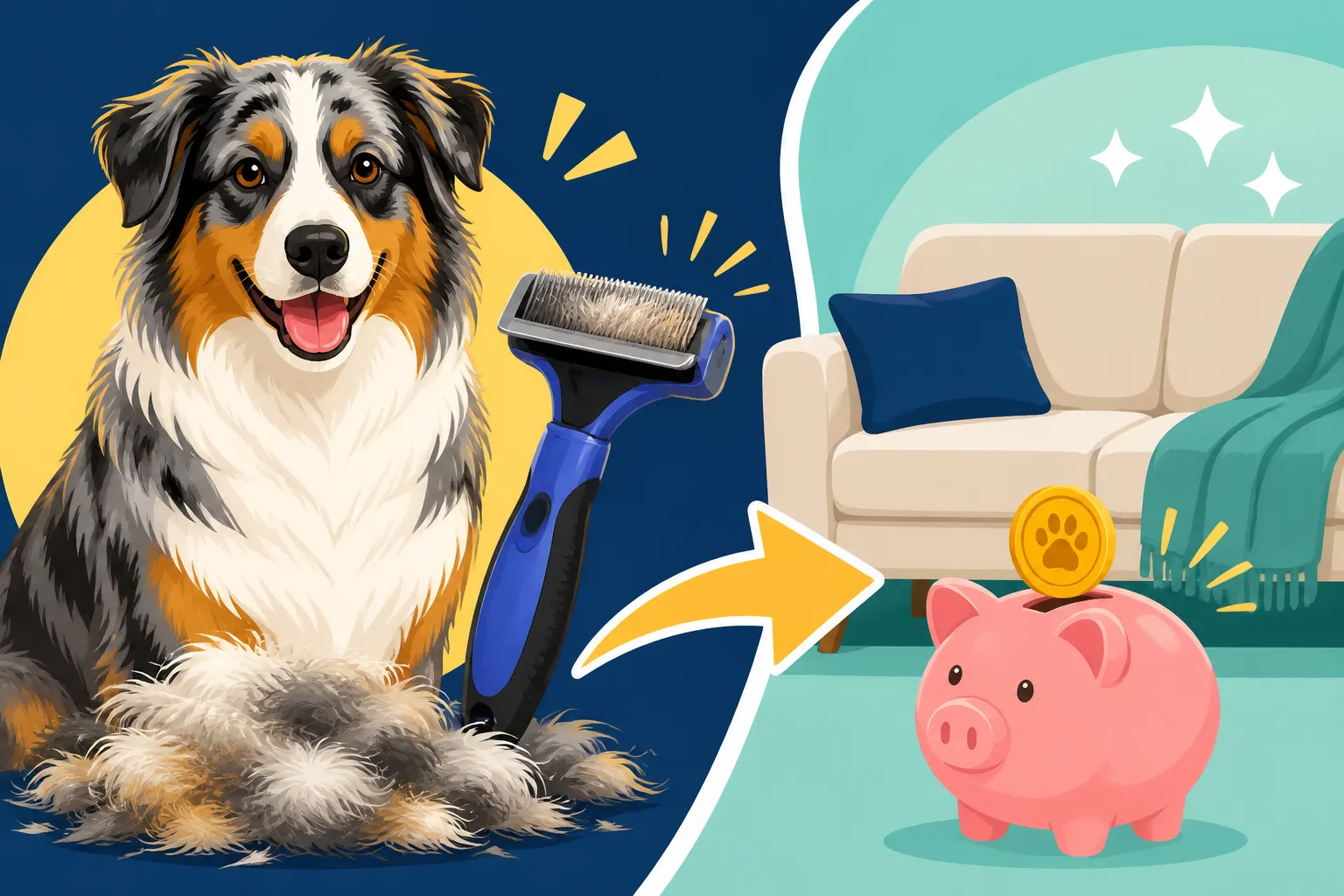
The long-term savings from home deshedding are undeniable. By performing regular maintenance yourself, you could save hundreds, if not thousands, of dollars over your Aussie's lifetime. Think about it: a quality undercoat rake costs about $30-$50, but if it prevents even one professional grooming session a month, it pays for itself in just a few weeks. If you do most of the work yourself, you'll find that Whether Home Grooming Saves an Aussie Owner Money is a resounding yes.
However, there are "hidden costs" to consider:
- Your Time: Home grooming takes time and effort. A thorough deshedding session can easily take an hour or two, especially during coat blow.
- Cleanup: Prepare for a significant amount of dog hair floating around. While sheets and vacuums help, it’s a constant battle.
- Learning Curve: There's a knack to using these tools effectively without causing discomfort or coat damage. It takes practice.
- The "Unexpected": If a mat gets too severe, or your dog develops a skin issue from improper grooming, you might still need a professional groomer or even a vet visit, which could incur costs.
Despite these considerations, the financial savings are substantial. Moreover, grooming your Aussie at home can strengthen your bond, as long as you make it a positive experience. It also allows you to regularly check for skin issues, lumps, or parasites that might otherwise go unnoticed.
Beyond Brushing: Comprehensive Coat Care for Your Aussie
Deshedding is just one piece of the puzzle when it comes to maintaining your Australian Shepherd's magnificent coat. Holistic care, including diet and proper bathing, plays a crucial role in minimizing shedding and ensuring overall coat health.
The Role of Diet and Supplements in Coat Health
What goes into your Australian Shepherd profoundly impacts the quality and health of their coat. A high-quality diet, rich in essential fatty acids, vitamins, and minerals, is fundamental for a healthy, vibrant coat and can even help reduce excessive shedding. Look for dog foods that list real meat as the first ingredient and contain omega-3 and omega-6 fatty acids. These nutrients are vital for skin elasticity and coat luster.
Many Aussie owners find success with premium kibbles, while others opt for fresh food diets from brands like Ollie, which are often specifically formulated for optimal nutrition. If your dog's diet isn't providing enough of these beneficial fats, supplements can bridge the gap. Fish oil supplements, for example, are a popular choice for improving coat shine and reducing dryness and flakiness, which can exacerbate shedding. A healthy skin barrier means less irritation and healthier hair follicles. Before adding any supplements to your dog's diet, it’s always wise to consult with your veterinarian to ensure they are appropriate for your specific Aussie. You can find more information about Fish Oil for an Aussie Double Coat.
Bathing Techniques for a Double Coat
Bathing an Australian Shepherd isn't just about getting them clean; it's a critical step in the deshedding process, especially during a coat blow. A proper bath can loosen and release a huge amount of dead undercoat, making subsequent brushing much more effective.
- Pre-Bath Brush: Always give your Aussie a thorough brush before bathing. Water can tighten existing mats, making them nearly impossible to remove without cutting.
- Use Quality Shampoo and Conditioner: Opt for a deshedding shampoo and conditioner specifically designed for double-coated breeds. These products often contain ingredients that help release undercoat. Lather thoroughly, making sure the shampoo penetrates all the way to the skin. Let the conditioner sit for a few minutes to help loosen the fur.
- Rinse, Rinse, Rinse: Rinsing is paramount. Any shampoo residue left in the dense undercoat can cause skin irritation and flakiness. Rinse until the water runs completely clear and you can feel no slickness on the coat.
- The Power of the High-Velocity Dryer: This is where a high-velocity dryer truly shines. After a bath, towel-dry your Aussie as much as possible. Then, use the high-velocity dryer on a cool or low-heat setting. The powerful airflow blasts out an astonishing amount of loose undercoat, often more than you can get with brushing alone. This step significantly cuts down on shedding and drying time. If you don't have one, blot dry thoroughly and finish with a forced-air pet dryer or even a powerful human hairdryer on a cool setting, constantly moving it to prevent hot spots.
Why Shaving an Australian Shepherd is a Bad Idea
Despite the temptation to shave your Aussie down during hot weather or heavy shedding, it's almost universally discouraged by veterinarians and groomers. An Australian Shepherd's double coat is designed to protect them, not just from cold, but also from heat and sun.
- Loss of Insulation: Shaving removes their natural insulation, making them less able to regulate their body temperature. They can overheat more easily and are more susceptible to sunburn.
- Coat Damage: Shaving can permanently damage the growth cycle of the double coat, leading to "clipper alopecia." The guard hairs may grow back coarser or not at all, while the undercoat might grow back thicker and more unruly, leading to even more matting and shedding issues in the future. The coat might also grow back patchy or with an altered color or texture.
- Sunburn and Skin Cancer Risk: Without the protective outer layer, their skin is exposed to harmful UV rays, increasing the risk of sunburn and skin cancer.
Instead of shaving, focus on effective deshedding to remove the dead undercoat, which allows for better air circulation and actually helps keep them cool. You can read more about this crucial aspect of care in Why Shaving an Australian Shepherd Ruins the Coat. Regular bathing and proper brushing are far superior methods for managing their coat in any season.
Common Deshedding Mistakes and How to Avoid Them
Even with the best intentions, it's easy to fall into common deshedding traps that can either harm your Australian Shepherd's coat or make the process less effective. Being aware of these pitfalls can help you avoid them and ensure a happier, healthier grooming routine for your furry friend.
Using the Wrong Tools for the Job
One of the biggest mistakes is trying to use a one-size-fits-all approach to Aussie grooming. A simple pin brush or human hairbrush simply won't cut it for a dense double coat. Similarly, using a tool designed for surface grooming (like a soft bristle brush) when you need to tackle deep undercoat shedding will lead to frustration and leave most of the dead fur behind.
- Avoid inappropriate brushes: Tools like a Zoom Groom or soft bristle brush are great for massaging or surface-level loose hair, but they won't penetrate the thick undercoat.
- Don't over-rely on a single tool: While an undercoat rake is fantastic, it shouldn't be your only tool. Combine it with a slicker brush for detangling and smoothing, and perhaps a dematting comb for specific knots.
- Beware of dull tools: Just like human hair tools, dog grooming tools can become dull over time. Dull blades or bent slicker pins can snag, pull, and cause pain, making your dog resent grooming. Regularly check your tools and replace them when they're no longer effective. This investment is small compared to the comfort of your pet.
Over-Brushing and Skin Irritation
While the mantra for Aussies often feels like "brush more," there is such a thing as over-brushing, especially with certain tools. Aggressive or excessive use of deshedding blades or even undercoat rakes can lead to skin irritation, brush burn, or even strip too much of the protective undercoat.
- Gentle, controlled strokes: Always use gentle, even strokes in the direction of hair growth. Avoid pressing down too hard or repeatedly brushing the same spot until the skin looks red or irritated.
- Monitor your dog's reaction: Your Australian Shepherd will tell you if you're being too rough. Watch for signs of discomfort like flinching, trying to move away, or vocalizing. If they show these signs, ease up or take a break.
- Give the skin a break: If you notice any redness or tenderness, give that area a rest for a day or two. Focus on other areas, or simply provide a light, soothing stroke with a soft brush. Consistent, gentle grooming is far more effective than infrequent, harsh sessions. Your Aussie's skin, just like ours, needs to be treated with care, and issues like skin irritation could result in vet bills, which is something you might have to cover, though pet insurance like Healthy Paws can help with unexpected health costs.
Neglecting Regular Grooming
Perhaps the most common mistake, and the one that leads to the biggest problems, is neglecting regular grooming. Australian Shepherds are not a low-maintenance breed when it comes to their coat. Skipping a week of brushing, especially during shedding season, can turn a minor tangle into a painful mat overnight.
- Consistency is key: Establish a regular grooming schedule and stick to it. For most Aussies, a good brush out 2-3 times a week is sufficient, with daily sessions during heavy coat blows.
- Don't wait for mats: Proactive grooming prevents mats and deep shedding. It’s far easier to remove loose fur than to detangle a matted mess.
- Short, frequent sessions: If your dog dislikes long grooming sessions, break it down. Five to ten minutes a day can be more effective and less stressful than one grueling hour once a week. This also turns grooming into a positive, routine interaction rather than a dreaded event.
By understanding your Aussie's coat, using the right tools, and committing to a consistent, gentle grooming routine, you can keep the fur under control, maintain your dog's health and comfort, and significantly reduce your visits to the professional groomer, saving both time and money.
Disclaimer
As a veteran lifestyle blogger, I share information based on extensive experience and research. However, this guide is for informational purposes only and is not a substitute for professional veterinary or grooming advice. Always consult with your veterinarian for any health concerns or before making significant changes to your dog's diet or care routine.