Whether an Australian Shepherd Suits a Working Budget
It's incredibly exciting to consider bringing an Australian Shepherd into your life, but before you dive headfirst into puppy cuddles and herding dreams, it's wise to pause and really think about the financial commitment. Many prospective owners focus solely on the initial purchase price, only to be blindsided by the ongoing, substantial costs of caring for such an intelligent, high-energy breed. This comprehensive guide is here to give you a realistic breakdown of whether an Australian Shepherd truly suits your working budget, covering everything from initial expenses to long-term care and unexpected bills.
Understanding the Initial Investment in an Australian Shepherd
It’s easy to get swept up in the adorable puppy pictures or the impressive prowess of an adult Australian Shepherd, but the first hurdle is always that initial financial outlay. This isn't just the sticker price; it's everything you need to bring them home and get them settled. Many folks budget for the puppy itself and forget about the immediate needs that follow, which can quickly add hundreds, if not thousands, to the upfront cost.
Puppy Purchase Versus Adoption Costs
The cost of an Australian Shepherd puppy can swing wildly, often depending on whether you're looking for a working line dog with champion parents, a show-quality pup, or a companion animal. Reputable breeders often charge anywhere from $1,000 to $2,500, and sometimes even more, for a well-bred puppy with appropriate health clearances and genetic testing. This price reflects the breeder's investment in health screenings for the parents, quality nutrition, veterinary care for the litter, and proper socialization. Expect a higher price tag for a puppy from proven working lines or those with strong pedigrees in conformation or performance sports, as these command a premium for their genetics and potential.
On the other hand, adopting an Australian Shepherd from a breed-specific rescue can be a more budget-friendly option, with fees typically ranging from $250 to $600. These fees usually cover spaying or neutering, vaccinations, microchipping, and any immediate veterinary care the dog needed. Rescues often have Aussies of all ages, from puppies to seniors, and sometimes even mixes that share many Aussie traits. While the initial fee is lower, remember that rescued dogs might come with unknown histories or require additional training or medical care down the line, so it's essential to be prepared for those possibilities too. It's a different kind of investment, often trading upfront cost for potential future care needs. You can learn more about this in Aussie Puppy Prices Between $1,000 and $2,500 and Aussie Rescue Fees Between $250 and $600.
The Essential Gear for Homecoming
Beyond the dog itself, there's a significant initial cost for all the "stuff" they need. Think about it: a crate large enough for an adult Aussie, food and water bowls, a collar, leash, ID tags, and an initial supply of high-quality food. Many first-time owners are surprised by how quickly these items add up. A sturdy crate alone can be well over $100, and you’ll want a good quality one that stands up to a growing, active puppy, as it will be a critical tool for training and safety. Investing in a durable crate from the start saves you money on replacements later.
Then there are toys – and with an Australian Shepherd, you can't just buy any cheap plush toy. You'll need durable chew toys, puzzle toys to engage their brilliant minds, and perhaps a flirt pole or herding ball to tap into their instincts in a constructive way. Aussies are notorious for destroying flimsy toys in minutes, so quality here is an investment. Don't forget training supplies like a long line for recall practice, appropriate harnesses that don't restrict movement, and plenty of high-value treats for positive reinforcement. Setting up a puppy-proof space, perhaps with an exercise pen, also adds to the bill. Consider checking online retailers like Chewy for bulk discounts on these initial supplies, as they often have starter kits or sales that can ease the burden of outfitting your new family member. You'll find more details on what you need in Australian Shepherd Crates, Long Lines and Gear.
Ongoing Monthly and Annual Expenses
Once the initial "new puppy" phase settles, the consistent, recurring costs of Australian Shepherd ownership truly begin to reveal themselves. These are the expenses that will be a part of your budget every single month, year after year, for the entire Australian Shepherd Lifespan Across Twelve to Fifteen Years. This long-term commitment is where many budgets get stretched thin.
Food and Nutrition Choices
Feeding an Australian Shepherd is no small feat, especially if you have a working line dog burning through calories like a furnace. These are active dogs, and they need high-quality nutrition to sustain their energy levels, maintain a healthy, vibrant coat, and support strong joints throughout their active lives. Depending on the brand and type of food, you could spend anywhere from $60 to $120+ a month on dog food alone. Premium kibble, fresh food diets, or raw feeding options will naturally fall on the higher end of that spectrum, but often offer superior health benefits.
Many owners opt for subscription services for fresh food, such as Ollie, which can be incredibly convenient, delivering perfectly portioned meals right to your door, but they also carry a higher price point. It’s not just about the cost, though; it’s about investing in their health. Cheaper foods often contain fillers and lower-quality ingredients that don't provide adequate nutrition, potentially leading to health issues down the line that cost even more to treat. So, while it might seem like a big chunk of your budget, quality food is foundational to your Aussie's overall well-being and can help prevent future vet bills. For a detailed breakdown of what to expect, see Feeding a Fifty Pound Australian Shepherd.
Grooming Needs and Costs
That beautiful double coat of an Australian Shepherd doesn't maintain itself! Aussies are moderate to heavy shedder, especially during their twice-yearly "coat blow" seasons when they shed their undercoat to prepare for changing temperatures. Regular brushing, at least a few times a week, is absolutely essential to prevent painful mats and tangles, remove dead hair, and keep their skin healthy and free from irritation. You'll need quality brushes, durable undercoat rakes, and possibly a specialized deshedding tool to manage the volume of hair.
While you can do a lot of grooming at home, most Aussie owners will need professional help periodically, especially during major shedding cycles. A full professional groom, including bathing, thorough drying (critical for a double coat), deshedding, and trimming of paw pads and sanitary areas, can cost $50 to $100 or more per session, depending on your location and the groomer's expertise. If you can't commit to regular home grooming, these costs can add up quickly, especially if your dog develops mats that require extra time or even shaving, which can permanently damage their coat. Beyond the coat, don't forget routine nail trims, ear cleaning, and occasional baths, all of which incur either a cost in supplies or a fee for a professional service. You can learn more about what to expect in Australian Shepherd Grooming at $50 to $100 a Session.
Regular Vet Care and Preventive Medicine
Routine veterinary care is a non-negotiable part of responsible Australian Shepherd ownership, and it represents a consistent annual expense. This includes annual check-ups to monitor overall health, vaccinations to protect against common diseases, and regular parasite prevention (heartworm, flea, and tick medication). These preventive measures are critical for keeping your Aussie healthy and can cost hundreds of dollars each year. For instance, heartworm medication alone can be $10-$20 a month, and quality flea/tick prevention similarly.
Puppies require a series of initial vaccinations and deworming, adding significantly to the first year's vet bills. Even seemingly minor issues like an occasional ear infection, a bout of kennel cough, or seasonal allergies can lead to unexpected vet visits, medication, and follow-up appointments, pushing your budget beyond the routine. It's vital to choose parasite prevention products that are safe for your specific Australian Shepherd, especially if they carry The MDR1 Mutation Half of Australian Shepherds Carry, as certain common drugs can be dangerous for them. Discussing safe options with your vet is paramount. You can delve deeper into this in Australian Shepherd Preventive Medication and MDR1.
The True Cost of Keeping a High-Energy Aussie Busy
Many people underestimate the sheer energy and intelligence of an Australian Shepherd. These aren't dogs content with a quick walk around the block and an occasional belly rub. They are bred to work, think, and move, and if those needs aren't met consistently, you'll pay for it – either in destroyed furniture, nuisance barking, or other challenging behavioral issues that are far more expensive to fix than proactive enrichment. This is where a "working budget" truly gets tested, as meeting an Aussie's needs is a continuous investment of both time and money.
Training Classes and Behavioral Support
Australian Shepherds are incredibly smart and eager to please, but that intelligence needs to be channeled constructively. Basic obedience classes are a must for any puppy, helping to lay the foundation for good manners, socialization with other dogs and people, and a strong communication bond between you and your dog. These group classes can range from $150 to $300 for a multi-week session. However, many Aussies, with their strong herding instincts, sensitive natures, and potential for reactivity, benefit significantly from more advanced training, workshops, or even private lessons.
If your Aussie develops specific behavioral challenges, such as reactivity towards other dogs on leash, resource guarding of toys or food, or excessive barking at perceived threats, you might need to invest in private training sessions or specialized behavior modification programs. These interventions can be significantly more expensive, with private trainers charging anywhere from $75 to $200+ per hour for their specialized expertise. Early and consistent training is an invaluable investment that can save you a lot of money, stress, and frustration in the long run by preventing serious behavioral problems from escalating. For those starting out, consider Class and Trainer Costs for an Aussie Puppy.
Dog Sports and Enrichment Activities
To truly satisfy an Australian Shepherd's physical and mental needs, you often need to look beyond basic walks. Dog sports like agility, flyball, disc dog, or even herding can be fantastic outlets for their boundless energy and sharp minds, allowing them to use their natural talents. However, participation in these sports comes with its own set of costs. Training fees for these specialized classes can range from $100 to $300 per class session, and if you get competitive, there are often additional entry fees for trials and events, along with travel expenses.
Beyond organized sports, simply providing adequate daily mental enrichment requires resources. This means stocking up on a rotating selection of puzzle toys, snuffle mats for scent work, and engaging, durable chews that provide mental stimulation. Investing in a Flirt Poles and Herding Balls for an Australian Shepherd can be a great, cost-effective way to tap into their prey drive and herding instinct without needing actual sheep. Even seemingly simple activities like long sniff walks in varied environments or teaching new tricks require dedicated time and sometimes specialized gear. These activities are not optional; they prevent boredom, which can quickly lead to destructive behaviors like chewing furniture or digging, essentially costing you money in repairs or replacement items.
Daycare, Walkers, and Boarding Solutions
For owners who work long hours, have demanding schedules, or travel frequently, ensuring an Aussie gets enough exercise and mental stimulation can be a significant challenge. This often leads to relying on professional services to help meet their needs. Doggy daycare can be a lifesaver, providing supervised play and socialization with other dogs, but it typically costs $25 to $50 per day. Sending your Aussie a few times a week to burn off energy can easily add $200-$400 to your monthly budget, which is a considerable recurring expense.
Similarly, if you can't commit to daily, robust walks, a professional dog walker might be necessary. Expect to pay $15 to $30 for a 30-minute walk, and more for longer or specialized outings. When you go on vacation, boarding an active Australian Shepherd at a reputable facility can run $40 to $80 per night, depending on the amenities and exercise provided, with holiday rates often being even higher. These services are often crucial for many Aussie owners to maintain their dog's well-being and their own sanity, but they certainly impact the budget significantly and must be factored into your financial planning. More on this can be found in Daycare and Dog Walkers for a High-Energy Australian Shepherd.
Planning for Unexpected Health Costs
This is arguably the most unpredictable and potentially most expensive aspect of Australian Shepherd ownership. Even with the best breeding, high-quality nutrition, and diligent care, accidents and illnesses happen. Ignoring this possibility is a recipe for financial strain and potentially heartbreaking decisions when your beloved companion needs urgent or long-term medical attention.
Major Illnesses and Accidents
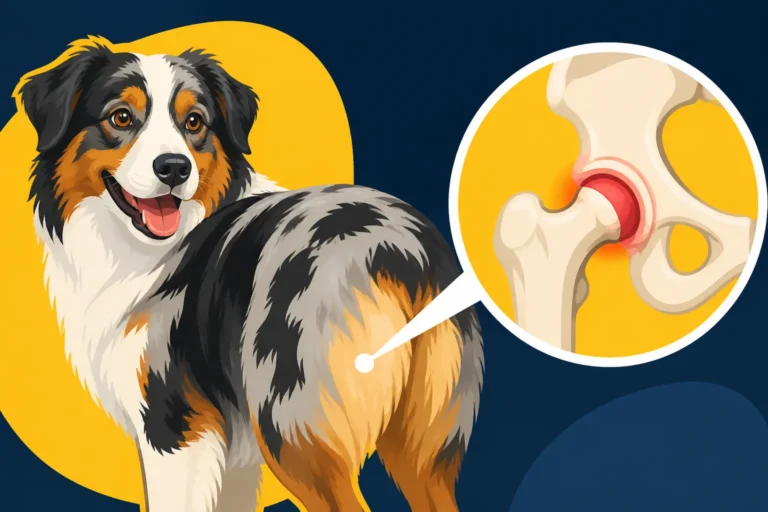
Australian Shepherds are generally robust dogs, but like all breeds, they are prone to certain genetic conditions and can experience unexpected accidents. Conditions like Australian Shepherd Hip Dysplasia and Working Joints, Australian Shepherd Epilepsy Starting Between One and Five, or even a sudden cruciate ligament tear from an enthusiastic game of fetch can lead to veterinary bills in the thousands of dollars. Hip surgery alone can cost Australian Shepherd Hip Surgery at $4,000 a Side, and some dogs may need surgery on both hips, doubling that expense.
Emergency vet visits for things like bloat (a serious and life-threatening condition common in deep-chested breeds), accidental ingestions of toxic substances, or sudden injuries from falls or altercations can easily run into the thousands, with overnight stays, diagnostics, and surgery quickly escalating the bill. It’s not uncommon for an Australian Shepherd owner to face vet bills ranging between $15,000 and $40,000 over their dog’s lifetime, especially if they experience a major illness or multiple health issues. This isn't meant to scare you, but to provide a realistic picture of the immense financial commitment required. Preparing for these potential costs is just as important as budgeting for food and routine care. For a broader look at potential costs, see Aussie Vet Bills Between $15,000 and $40,000.
The Role of Pet Insurance
Given the potential for incredibly high veterinary costs, pet insurance has become an increasingly popular and often essential tool for Australian Shepherd owners looking to protect their "working budget." Monthly premiums for an Aussie can range from $35 to $55 a month, depending on factors like your dog's age, your specific location, the deductible you choose, and the reimbursement level of the policy. While it's an added monthly expense, it can be an absolute lifesaver when a major illness or accident strikes, turning a $5,000 bill into a manageable deductible and a percentage of the remaining cost.
It’s crucial to enroll your Aussie when they are young and healthy, ideally as a puppy, before any conditions arise. This is because most policies have waiting periods and won't cover pre-existing conditions, which means if your dog develops a condition before you're insured or during the waiting period, it won't be covered. Companies like Healthy Paws offer comprehensive plans that cover accidents, illnesses, surgeries, diagnostic tests, and more. Always read the fine print to thoroughly understand what is covered and what isn't, especially concerning breed-specific conditions or hereditary issues. This type of proactive financial planning can make the difference between being able to afford life-saving treatment and facing an impossible, heartbreaking choice. More on this topic is available in Australian Shepherd Insurance at $35 to $55 a Month.
Managing Chronic Conditions
Some Australian Shepherds may, unfortunately, develop chronic conditions that require ongoing medication, specialized diets, or regular veterinary monitoring for the remainder of their lives. For example, if your Aussie is diagnosed with epilepsy, they might need daily anti-seizure medication, which can cost hundreds of dollars a month, plus regular blood tests to monitor drug levels and liver function. You can find more specific information on Epilepsy Coverage on an Australian Shepherd Policy. Other chronic issues like severe allergies (requiring special injections or daily medication), autoimmune diseases, or even arthritis in their senior years can also lead to continuous expenses for medications, prescription foods, mobility aids, or supplements.
These ongoing costs can significantly impact a working budget, transforming a once-manageable monthly expense into a substantial financial drain that continues for years. It's not just the medication; it's the frequent vet visits for re-checks, the specialized tests, and the adaptations you might need to make to their lifestyle. Having a clear understanding of these possibilities and a robust financial cushion or comprehensive insurance plan in place is key to providing your Aussie with the best possible care throughout their life, even when faced with long-term health challenges.
Long-Term Financial Commitments
Owning an Australian Shepherd is a commitment that spans over a decade, and the financial landscape will naturally shift over those years. It’s not a static budget; it evolves as your dog moves from rambunctious puppy to active adult to wise senior. Understanding this long-term progression of costs is critical for responsible ownership.
Shifting Needs as Your Aussie Ages
As your Australian Shepherd transitions from puppyhood to adulthood, and then into their senior years (typically after age 7-8), their needs and associated costs will change significantly. Puppy expenses are heavy on initial gear, vaccinations, and basic training, while adult years might focus on maintaining peak physical condition through sports and high-quality food. However, it's the senior years that often bring the most significant financial shifts and can be the most expensive phase of their lives.
Older Aussies are more prone to a range of age-related conditions, such as Australian Shepherd Arthritis After Years of Work, dental disease (which often requires professional cleanings and extractions), thyroid disease, kidney issues, or even cancer. This can lead to a substantial increase in vet visits, multiple daily medications, joint supplements, specialized prescription diets, and potentially more frequent grooming if they struggle with mobility to stand for brushing. Adapting your budget to these changing needs is crucial; you might find yourself investing in orthopedic beds, ramps to help them access furniture or cars, or other mobility aids to keep your senior Aussie comfortable and improve their quality of life. Planning for these later-life expenses is a mark of a truly committed owner.
Emergency Funds and Financial Planning
Beyond pet insurance, having a dedicated emergency fund specifically for your Australian Shepherd is an incredibly smart financial move. Think of it as a personal buffer for anything insurance might not cover, or for those immediate deductibles and co-pays that arise when a major issue occurs. Aim to have at least $1,000 to $5,000 set aside, if possible, for immediate care or to cover the deductible on a major insurance claim. This fund provides immense peace of mind and allows you to make quick, informed decisions in a crisis without financial stress dictating medical choices that could impact your dog's life.
A realistic working budget for an Australian Shepherd should meticulously account for all these variables over their entire lifespan. It's not just about affording the puppy today, but ensuring you can provide for them tomorrow and for the next 10-15 years. This includes budgeting for routine annual costs, potential large one-off expenses for training or medical emergencies, and the changing needs that come with age and potential health challenges. This long-term perspective and commitment to financial preparedness is what truly defines whether an Australian Shepherd suits your working budget, allowing you to provide a rich, healthy, and happy life for your beloved companion. For a comprehensive overview of expenses over time, consider reading Fifteen Years of Australian Shepherd Costs.
Is an Australian Shepherd a Good Fit for Your Working Budget?
So, after laying out all these considerations, does an Australian Shepherd truly fit your working budget? The honest answer is: it depends. If you're looking for a low-cost, low-maintenance companion, an Aussie is probably not the right fit. They require significant financial investment in high-quality food, consistent training, abundant mental stimulation, and proactive health care throughout their lives. Their energy and intelligence demand more than just basic care, which translates directly into higher costs for quality food, enrichment, and potentially specialized training.
However, if your "working budget" implies you have a stable income, are diligent about financial planning, and are willing to prioritize your dog's needs by allocating resources accordingly, then absolutely, an Aussie can thrive in your care. It's about being realistic, proactive, and understanding that the joy, loyalty, and companionship an Australian Shepherd brings are truly priceless, but they do come with a tangible price tag. Many of the perceived "high costs" are actually smart investments in their health and happiness, preventing more expensive and heartbreaking problems down the line. It's about making informed choices every step of the way, being prepared for both the expected and the unexpected, and embracing the full financial journey of Australian Shepherd ownership.
Comparative Cost Table for Australian Shepherd Ownership
To help visualize the potential expenses, here's a general breakdown of average costs. Remember, these are estimates and can vary widely based on location, brand choices, individual dog needs, and whether you opt for professional services or DIY.
| Category | Initial Cost (Estimate) | Monthly Cost (Estimate) | Annual Cost (Estimate) | Long-Term (10-15 Years) (Estimate) |
|---|---|---|---|---|
| Dog Acquisition | $250 – $2,500 | N/A | N/A | Included in initial |
| Initial Supplies (Crate, Bowls, Leash, etc.) | $300 – $800 | N/A | N/A | Included in initial |
| Food & Treats | N/A | $60 – $120 | $720 – $1,440 | $7,200 – $21,600 |
| Routine Vet Care (Exams, Vaccines, Preventives) | $100 – $300 (puppy shots) | $20 – $40 (preventive) | $240 – $480 | $2,400 – $7,200 |
| Grooming (DIY & Professional) | $50 – $150 (brushes) | $0 – $100 (professional) | $0 – $1,200 | $0 – $18,000 |
| Training & Enrichment (Classes, Toys, Sports) | $150 – $300 (classes) | $20 – $100 (toys, advanced) | $240 – $1,200 | $2,400 – $18,000 |
| Pet Insurance (Optional but Recommended) | N/A | $35 – $55 | $420 – $660 | $4,200 – $9,900 |
| Daycare/Boarding (Optional, if needed) | N/A | $0 – $400+ | $0 – $4,800+ | $0 – $72,000+ |
| Emergency Fund/Miscellaneous (Saving Annually) | N/A | $50 – $100 (saving) | $600 – $1,200 | $6,000 – $18,000 |
| Potential Major Illness/Accident | N/A | N/A | N/A | $0 – $40,000+ (highly variable, hopefully less with insurance) |
| Estimated TOTAL (Annual) | (First Year: $1,600 – $6,000+) | N/A | $2,220 – $9,000+ | $22,200 – $134,700+ (highly variable) |
Note: This table provides general estimates. The "Long-Term Total" is a cumulative estimate over 10-15 years and highlights the potential range of lifetime costs. Costs for unforeseen major illnesses/accidents can add significantly, even with insurance, due to deductibles and co-pays.
Disclaimer
The information provided in this article is for general informational purposes only and does not constitute professional veterinary or financial advice. Always consult with a qualified veterinarian for any health concerns regarding your Australian Shepherd and a financial advisor for personal financial planning. Costs are estimates and can vary significantly based on individual circumstances, geographic location, and specific product/service choices.