Mats in an Aussie Ruff and Trousers
Anyone who shares their home with an Australian Shepherd knows the frustration: you run your fingers through that gorgeous, flowing coat, only to hit a snag. And not just any snag, but a solid, unforgiving mat, often tucked right in the lush ruff around their neck or deep within those magnificent "trousers" on their hind legs. These aren't just cosmetic issues; they can quickly become painful, causing discomfort and even severe skin problems if left unchecked. This guide is here to walk you through why these troublesome mats form, the very real problems they create, and how you can equip yourself to prevent and gently tackle them, ensuring your Aussie's coat stays healthy and happy.
Why Your Aussie's Ruff and Trousers Are Mat Magnets
It's not just bad luck that mats seem to gravitate to these particular areas; there are very specific reasons rooted in the Australian Shepherd's unique coat structure and how they move through the world. Understanding these factors is the first step in winning the battle against the dreaded mat.
The Unique Texture of the Aussie Coat
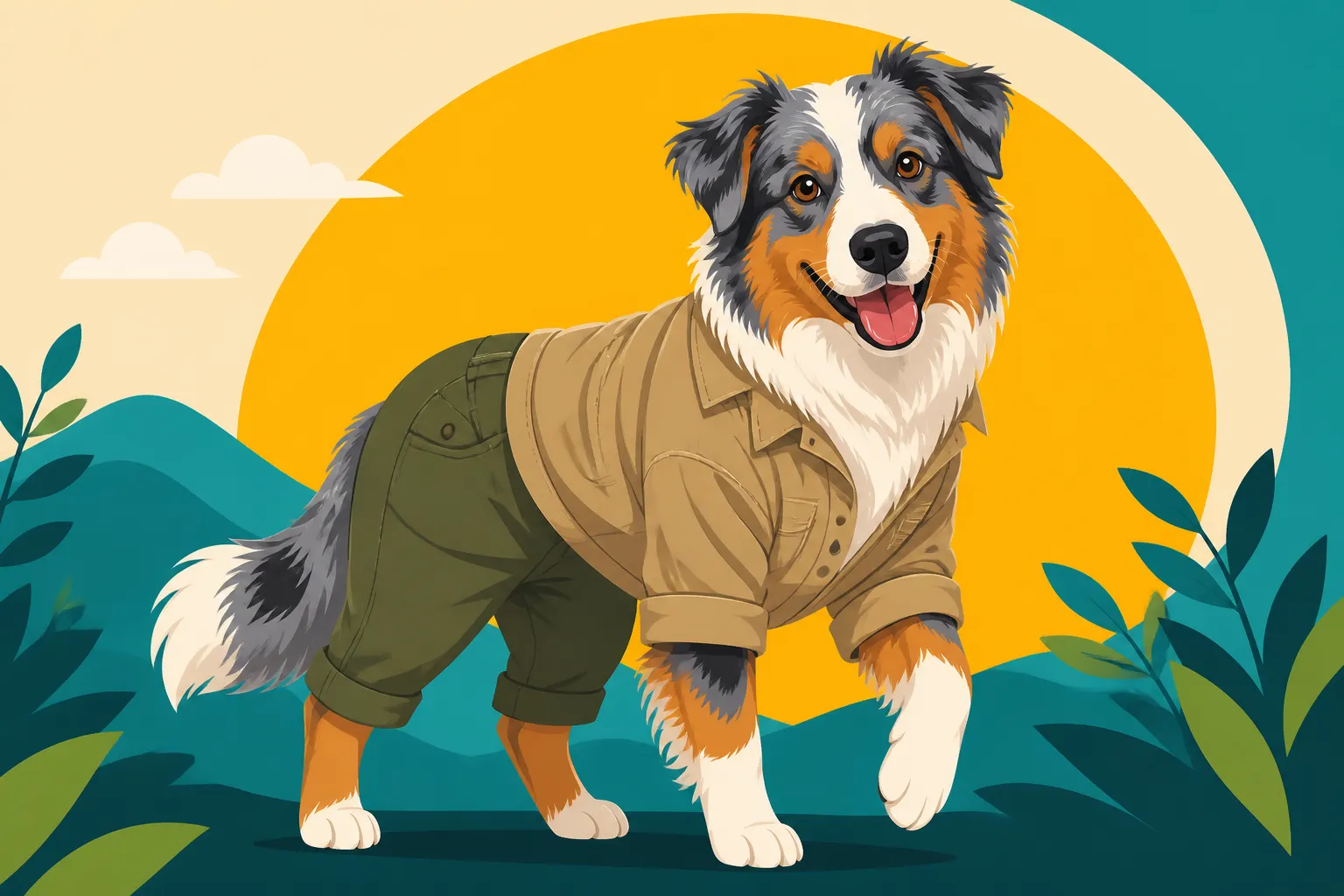
Australian Shepherds boast a stunning double coat, which is truly a marvel of natural engineering. You have that coarse, water-resistant outer coat, designed to protect them from the elements, and then beneath it, a soft, dense undercoat that provides insulation. It's this combination, especially the fine, woolly nature of the undercoat, that makes them prone to matting. The hair in the ruff, around the ears, and in the "trousers" tends to be longer and even finer than on other parts of their body. When these fine hairs get tangled, they compact quickly, especially when they catch shedding undercoat that hasn't been properly removed. This isn't just fluffy hair; it's a tight weave of old and new coat just waiting for an opportunity to bind together.
Friction Points and Constant Movement
Think about how your Aussie moves. Every time they shake their head, lie down, sit, or get up, those areas of their coat are experiencing friction. The ruff constantly rubs against their collar, harnesses, or even their own neck skin. The "trousers" rub against their body, the ground when they sit, or against bushes and furniture as they move. This constant rubbing creates friction, which is a prime catalyst for tangles. Add to that the vigorous activity Aussies are known for – running, jumping, spinning – and you have a recipe for microscopic hairs twisting and knotting together into larger, more formidable mats. It's like taking a handful of fine yarn and rubbing it between your palms; eventually, it's going to knot up.
Environmental Factors and Outdoor Life
Aussies are active dogs, and they love being outdoors. This is wonderful for their mental and physical health, but it also means their coats are exposed to a myriad of mat-forming elements. Burrs, twigs, grass seeds, and general debris from romps in the park or field can easily get caught in their long hair, especially in the feathery "trousers" and bushy ruff. Mud, snow, and rain also play a huge role. When an Aussie's double coat gets wet and then dries without proper brushing, the hairs shrink and compact, making matting much worse. Imagine your Aussie dashing through a muddy field, then air-drying on the couch – that mud acts like a natural glue, cementing loose hairs together. Checking an Australian Shepherd for Burrs and Foxtails is a vital post-adventure routine.
The Real Dangers of Untreated Mats
It's easy to dismiss a small mat as just a bit of tangled hair, but these seemingly minor issues can quickly escalate into serious health and welfare concerns for your Australian Shepherd. Ignoring them isn't just about aesthetics; it's about your dog's comfort and well-being.
Skin Irritation and Infections
Mats don't just sit on the surface; they pull at the skin. As they tighten, they restrict air circulation to the skin underneath, trapping moisture and creating a warm, damp environment that is a perfect breeding ground for bacteria and yeast. This can lead to painful hot spots, skin rashes, and even severe infections. You might notice your Aussie scratching or chewing at a particular area, which only makes the irritation worse, creating a vicious cycle. What started as a small knot can turn into a weeping, infected lesion that requires veterinary intervention and antibiotics. It’s a common component of Australian Shepherd Skin, Coat and Allergy Problems.
Pain and Restricted Movement
Imagine having a tight knot pulling at your skin constantly. That's what mats do to your Aussie. As mats grow and tighten, they become incredibly painful, especially in sensitive areas like behind the ears, in the armpits, or around the legs. Severe mats can act like a tight cast, restricting your dog's natural movement. They might struggle to walk, run, or even lie down comfortably. This pain can lead to changes in gait, muscle atrophy from disuse, and a general reluctance to engage in activities they once loved. A mat around a joint, for instance, can prevent full extension or flexion, causing chronic discomfort and lameness.
Hiding Other Health Issues
Thick, dense mats can effectively create a barrier, making it impossible for you or your vet to properly inspect your Aussie's skin. This means that skin lumps, bumps, parasites like fleas or ticks, or even wounds can go unnoticed for weeks or months. By the time they are discovered, they may have grown significantly or become severely infected, complicating treatment. A matted coat essentially creates a blind spot on your dog's body, preventing early detection of potentially serious underlying health problems. Regular grooming, including thorough mat checks, is crucial for comprehensive health monitoring.
Your Arsenal for Mat Prevention and Removal
Dealing with Australian Shepherd mats effectively requires a combination of proactive prevention and having the right tools and techniques for safe removal. You don't need to be a professional groomer, but you do need consistency and the proper gear.
Daily Brushing: Your First Line of Defense
Seriously, this cannot be stressed enough: daily brushing is the single most effective way to prevent mats from forming. This isn't just a quick once-over; it needs to be a thorough session where you work through their entire coat, section by section, down to the skin. Pay particular attention to those high-friction areas: behind the ears, under the collar, in the armpits, and especially the long feathering on their legs and tail, known as the "trousers."
During coat blow seasons, typically twice a year when they shed their undercoat, you'll need to step up your game even more. This is when the old undercoat gets trapped, weaving into mats with incredible speed. Consider Brushing Every Day While an Aussie Sheds to keep ahead of the shedding tsunami. Regular brushing helps remove loose hair before it has a chance to tangle, distribute natural oils, and allows you to catch small tangles before they become big, painful mats. It also serves as a wonderful bonding experience for you and your Aussie.
Tools of the Trade for Tough Spots
While a good pin brush and slicker brush are essential for general grooming, tackling mats requires specialized tools. A sturdy undercoat rake, like those you can find on Amazon or Chewy, is invaluable for reaching deep into that dense undercoat and pulling out shed hair. For actual mats, a mat splitter or a good pair of blunt-nosed scissors are crucial. Always use extreme caution with scissors, getting them under the mat and cutting away from the skin, parallel to the body. Never try to snip through a mat blindly. A detangling spray can also be a godsend; a spritz can help lubricate the hair, making it easier to work knots out with a metal comb.
Here's a quick rundown of essential grooming tools:
| Tool Type | Primary Use | Key Benefit |
|---|---|---|
| Slicker Brush | Removing loose hair, detangling surface mats | Fluffy coat, reaches many hairs, good for finishing |
| Pin Brush | General brushing, untangling long hair | Gentle for longer coats, good for daily maintenance |
| Undercoat Rake | Removing dense undercoat, preventing mats | Penetrates double coat, reduces shedding significantly |
| Metal Comb | Fine detangling, checking for hidden mats | Finds small tangles, essential for ruff and trousers |
| Mat Splitter | Breaking up large, tight mats | Safely cuts through mats without pulling hair too much |
| Blunt-Nose Scissors | Carefully cutting out small, stubborn mats | Precision, but requires extreme caution to avoid skin injury |
| Detangling Spray | Lubricating hair for easier mat removal | Reduces friction, helps loosen knots |
You can often find these specialized tools at local pet supply stores or online retailers like Chewy and Amazon, which offer a wide variety of brands and price points. Having the right tools makes the job much less stressful for both you and your dog. Remember, The Rake That Reaches an Aussie Undercoat is key for that dense underlayer.
When to Call in the Professionals
Sometimes, a mat is just too big, too tight, or too close to the skin for you to safely remove at home. Don't be a hero and risk injuring your dog. Professional groomers are experts at handling matted coats and have specialized equipment, including high-velocity dryers and various clippers, that can remove even the most severe mats safely. They can assess the extent of the matting and choose the least stressful method. Often, if mats are severe and extensive, the kindest solution is a full shave-down by a professional. While it might look drastic, it relieves your dog of pain and allows their skin to breathe and heal. This is far better than causing pain or injury trying to do it yourself. Don't hesitate to budget for Australian Shepherd Grooming at $50 to $100 a Session if matting becomes a recurring challenge.
A Step-by-Step Guide to Safely Removing Smaller Mats
For those smaller, more manageable mats that you feel confident tackling at home, a systematic approach is key. Patience and gentleness are your best friends here. Rushing can lead to pain for your Aussie and a more stressful experience for both of you.
Gathering Your Supplies
Before you even touch your Aussie, make sure you have everything you need laid out. This prevents you from fumbling around mid-process and potentially losing your dog's cooperation. You'll want:
- A slicker brush: For general brushing around the mat and fluffing the coat afterward.
- A metal comb: Essential for working through small tangles and checking your work. Look for one with both wide and fine teeth.
- A mat splitter or blunt-nosed scissors: Use whichever you're more comfortable with and have been trained on. Remember, extreme caution with scissors.
- Detangling spray: A good quality spray can make a huge difference in lubricating the hair.
- Treats: Plenty of high-value treats to reward patience and make the experience positive.
- A non-slip surface: A grooming table with a non-slip mat or even a bath mat on the floor can help keep your Aussie stable and comfortable.
- Good lighting: You need to clearly see what you're doing.
Having everything within reach minimizes stress and makes the process more efficient.
Gentle Detangling Techniques
Once you're ready, approach your Aussie in a calm, reassuring manner. Find a comfortable position for both of you.
- Isolate the Mat: Gently part the hair around the mat so you can clearly see its size and how close it is to the skin. You might need to hold the skin taut at the base of the mat to prevent pulling.
- Apply Detangling Spray: Liberally spray the mat with your detangling product. Let it sit for a minute or two to penetrate the hair.
- "Pik" the Mat Apart (If small and loose): If the mat isn't too tight, start by using the wide-toothed end of your metal comb or even just your fingers to gently pull apart the very edges of the mat. Work slowly, from the outside in, never trying to yank through the middle. You want to unravel it, not rip it.
- Splitting Larger Mats (If necessary): For tighter mats, you'll need your mat splitter or scissors.
- With a mat splitter: Carefully insert the blade under the mat, parallel to the skin, with the teeth facing away from the skin. Make short, gentle strokes to cut through the mat in sections, effectively "slicing" it into smaller pieces.
- With blunt-nosed scissors: This is for smaller, more isolated mats. Insert the closed blades under the mat, then open them slightly and pull away from the skin to create a cut. Repeat a few times to break the mat into smaller strips. Never point the scissors directly at the skin. Think of it as carefully dissecting the mat, not just hacking at it.
- Comb Through: Once the mat is broken into smaller sections, use your metal comb to gently work through each section, starting from the ends of the hair and working your way towards the skin. Take small amounts of hair at a time. If you encounter resistance, stop, apply more spray, and try to pick it apart again.
- Reward and Break: Throughout the process, offer praise and treats generously. If your Aussie gets stressed or impatient, take a break. It's better to do it in multiple short sessions than to force a long, unpleasant one.
Remember that Slicker Brushes and Line Brushing an Aussie techniques are very helpful for general coat maintenance that prevents these issues.
Post-Mat Care and Prevention Tips
After successfully removing a mat, it's not quite over. The skin underneath might be red or irritated. Gently clean the area with a mild, dog-safe antiseptic wipe if necessary, and monitor it for any signs of infection.
To prevent future matting, establish a consistent grooming routine. This means regular brushing, paying special attention to those ruff and trouser areas. Consider investing in a good quality leave-in conditioner or anti-static spray, which can help prevent tangles. During muddy or snowy weather, make sure to thoroughly dry and brush your Aussie after outdoor adventures. Regular professional grooming appointments, even just for a bath and brush-out between full grooms, can be a huge help, especially during seasonal sheds. Building a Monthly Grooming Budgets for an Australian Shepherd helps make this a regular part of their care. Consistency is truly the secret weapon against mats.
Disclaimer
This article is for general informational purposes only and does not constitute professional advice. Laws, prices and regulations vary by location and change over time. Consult a qualified professional for guidance on your specific situation.