The Test Results an Aussie Breeder Must Produce
Bringing home a new Australian Shepherd puppy or even considering an adult rescue can be filled with excitement, but also a fair bit of anxiety. One of the biggest worries, and rightfully so, is the long-term health of your furry family member. Navigating the world of genetic testing, health clearances, and breeder claims can feel like trying to solve a puzzle with half the pieces missing. This guide will cut through the confusion, clearly detailing the essential test results and health certifications that any truly reputable Australian Shepherd breeder must be able to produce for their breeding dogs.
Understanding the Importance of Health Testing Before You Buy
The joy an Australian Shepherd brings into your life is immeasurable, but so can be the heartbreak and financial strain if they develop preventable genetic health issues. Many common ailments in Aussies aren't just bad luck; they're inherited conditions passed down through generations. A responsible breeder understands this deeply and takes proactive steps to minimize the risk of their puppies inheriting these predispositions. It's not just about getting a healthy puppy today, but ensuring you have the best possible chance at a long, healthy life together.
The Ethical Breeder's Commitment to Transparency
An ethical breeder isn't just selling puppies; they're safeguarding the future of the breed. This means being utterly transparent about the health history of their breeding dogs and their pedigrees. They invest significant time, effort, and money into comprehensive health testing, not just because it's "the right thing to do," but because it's a foundational pillar of responsible breeding. When you ask to see health clearances, a good breeder won't hesitate; they'll be proud to share them and explain what each one means. They understand that a well-informed buyer is a good buyer. They want you to feel confident in the health of your future companion, and that confidence comes directly from the verifiable results they provide.
Peace of Mind Versus Future Heartache
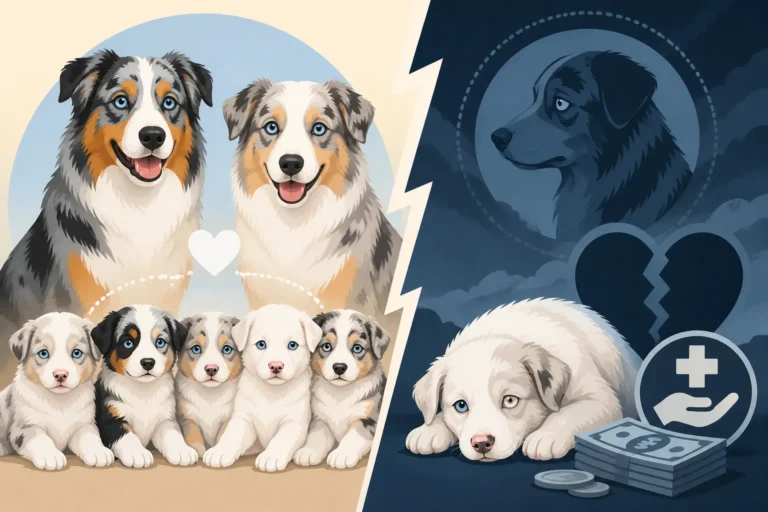
Imagine the scenario: you fall head over heels for an adorable Australian Shepherd puppy. You bring them home, and for the first few months, everything is wonderful. Then, as they grow, subtle signs of a genetic condition begin to emerge. Maybe it's a slight limp that progresses to full-blown hip dysplasia, or perhaps their eyes start to cloud prematurely with cataracts. Suddenly, that initial euphoria is replaced with worry, countless vet visits, and potentially expensive treatments or surgeries. This isn't just about money; it's about the emotional toll of watching your beloved dog suffer. By insisting on seeing proper health clearances from a breeder, you're not guaranteeing a dog will never have a health issue – no living creature comes with a lifetime warranty – but you are dramatically reducing the risk of known, preventable genetic diseases. It's an investment in your peace of mind and your Aussie's potential for a vibrant life. If you do find yourself facing unexpected vet bills, even with the best testing, pet insurance options like those offered by Healthy Paws can provide a crucial financial safety net.
Core Genetic Tests Every Australian Shepherd Needs
Australian Shepherds are prone to certain inherited conditions, making genetic screening not just recommended, but absolutely essential. Think of these tests as the absolute baseline for any breeding pair. Without these clearances, you're essentially gambling with your future puppy's health. Understanding what each test screens for, and the implications of the results, empowers you to make an informed decision when choosing a breeder.
MDR1 Gene Testing and Drug Sensitivity
One of the most critical genetic tests for an Australian Shepherd is the Multidrug Resistance 1 (MDR1) gene mutation. This mutation affects how a dog's body processes certain medications, leading to potentially severe neurological reactions, even at standard doses. For an Australian Shepherd, an MDR1 test is non-negotiable. You need to know if your future puppy is Normal/Normal (no mutation), Carrier (one copy of the mutation), or Affected (two copies of the mutation). The implications of this test are profound, influencing everything from routine dewormers to emergency anesthesia. A responsible breeder will be able to show you The MDR1 Mutation Half of Australian Shepherds Carry in their breeding dogs and ideally, aim to breed away from affected individuals. They should also provide you with documentation for Reading an Aussie MDR1 Result Line by Line. This knowledge is literally life-saving, guiding your vet on safe drug choices throughout your dog's life.
Eye Health: CEA, HC, and PRA Screenings
Eye health is another significant concern in Australian Shepherds. Several genetic conditions can lead to vision impairment or blindness, some of which are progressive and devastating.
- Collie Eye Anomaly (CEA): Despite the name, Aussies can carry this gene. CEA is a developmental defect of the eye that can range from mild (and barely noticeable) to severe (causing blindness or retinal detachment). A breeder should have their dogs tested for CEA, with results indicating either clear, carrier, or affected. You can learn more about Collie Eye Anomaly in an Australian Shepherd and what it means for vision.
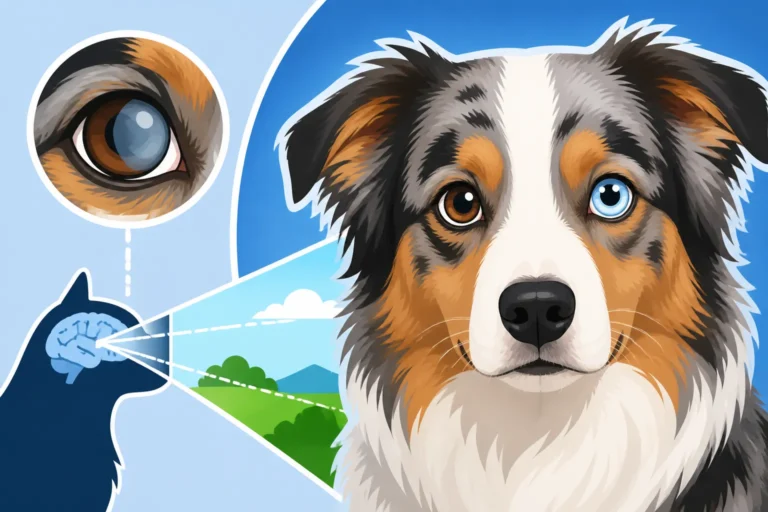
- Hereditary Cataracts (HC): Australian Shepherds are prone to a specific type of hereditary cataract, often linked to the HSF4 gene. These cataracts can develop early in life, significantly impairing vision. Again, DNA testing can identify clear, carrier, or affected status. Breeders should share results for Hereditary Cataracts Clouding an Aussie Eye.
- Progressive Retinal Atrophy (PRA): This is a group of degenerative eye diseases that affect the retina, eventually leading to blindness. While multiple genes can cause PRA in different breeds, breeders should be screening for those relevant to Australian Shepherds.
Beyond genetic DNA tests, breeding Aussies should also undergo regular Ophthalmologist Examinations (often referred to as CERF or CAER exams, now typically registered with the Orthopedic Foundation for Animals, or OFA). These examinations, performed by a board-certified veterinary ophthalmologist, check for observable eye diseases not always detectable by DNA tests alone, or to confirm genetic test results. Ideally, these exams should be performed annually on breeding stock. A breeder should provide documentation of these eye exams, especially for young puppies at around six to eight weeks of age, known as The Aussie Puppy Eye Check at Six Weeks.
Hip and Elbow Evaluations for Structural Soundness
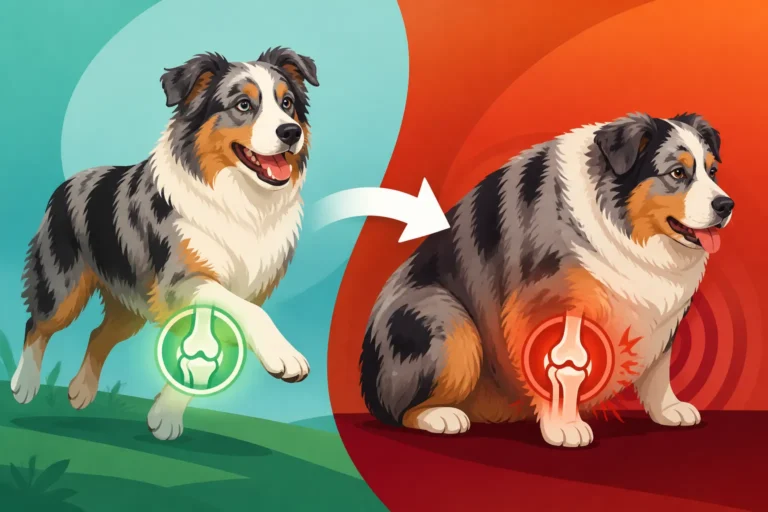
Active, athletic breeds like Australian Shepherds are particularly susceptible to orthopedic issues such as hip and elbow dysplasia. These conditions are polygenic, meaning multiple genes contribute to their development, along with environmental factors. While genetic testing for hip and elbow dysplasia isn't as straightforward as for single-gene disorders, screening breeding dogs through organizations like the Orthopedic Foundation for Animals (OFA) or PennHIP is absolutely critical.
OFA certifications involve taking X-rays of a dog's hips and elbows, which are then evaluated by a panel of veterinary radiologists. For hips, dogs receive ratings like Excellent, Good, Fair (all considered passing), Borderline, or Dysplastic. For elbows, they are rated Normal or Dysplastic (Grade I, II, or III). A reputable breeder will only breed dogs with passing hip and elbow scores (e.g., Fair, Good, or Excellent for hips; Normal for elbows). They should be able to show you the official OFA certificates for both parents, demonstrating good joint health. Understanding Australian Shepherd Hip Dysplasia and Working Joints is key to appreciating the importance of these evaluations. They should also readily explain Australian Shepherd Hip Dysplasia and OFA Scoring and other relevant joint clearances.
Deciphering OFA and CERF/CAER Results
Seeing a stack of certificates can be impressive, but if you don't know what you're looking at, it's hard to verify the information. Reputable breeders will not only provide these documents but also take the time to walk you through them, ensuring you understand the significance of each clearance. It's not just about a "pass" or "fail" mark; it's about the nuances of what those results indicate for the health outlook of your potential puppy.
What OFA Hip and Elbow Scores Really Mean
The Orthopedic Foundation for Animals (OFA) provides standardized evaluations for hip and elbow health. For hips, the ratings are "Excellent," "Good," and "Fair," all of which are considered passing clearances for breeding purposes. "Excellent" is the best possible score, indicating nearly perfect joint conformation. "Good" is also highly desirable, showing well-formed joints. "Fair" means the joints are still within acceptable limits, but with some minor irregularities that don't predispose to dysplasia. Ratings like "Borderline" or "Dysplastic" mean the dog should not be bred.
| OFA Hip Rating | Interpretation | Breeding Suitability |
|---|---|---|
| Excellent | Superior conformation, tightest hips | Yes, ideal |
| Good | Well-formed, healthy joints | Yes |
| Fair | Minor irregularities, acceptable | Yes, but not ideal |
| Borderline | Some incongruity, questionable | No, not recommended |
| Mild Dysplasia | Evidence of dysplasia | No |
| Moderate Dysplasia | Significant dysplasia | No |
| Severe Dysplasia | Marked dysplasia | No |
For elbows, the OFA ratings are simpler: "Normal" (no evidence of elbow dysplasia) or grades of dysplasia (Grade I, II, or III). Any grade of dysplasia means the dog should not be used for breeding. Remember, these evaluations are typically done when a dog is two years old or older, ensuring their skeletal maturity for an accurate assessment. Always ask to see the physical certificates, not just a breeder stating "they're cleared."
Understanding Eye Certifications from ACVO
Previously, eye certifications were often referred to as "CERF" (Canine Eye Registration Foundation). Now, these comprehensive eye exams by board-certified veterinary ophthalmologists are primarily registered with the OFA under their Eye Certification Registry (CAER). These annual examinations check for a wide array of inherited and acquired eye diseases, including those not covered by DNA tests alone.
The ophthalmologist conducts a thorough examination of the entire eye, looking for conditions such as cataracts, progressive retinal atrophy, glaucoma, iris coloboma, distichiasis (extra eyelashes), and, of course, Collie Eye Anomaly. A passing result indicates the dog is "Normal" for observable eye diseases at the time of the exam. If any abnormalities are found, they are noted, and the ophthalmologist will often advise whether the dog is still suitable for breeding or if the condition is likely to be inherited. For Australian Shepherds, ensuring these exams are current – ideally within the last 12 months for breeding dogs – is crucial. A breeder should easily provide these certificates, confirming their commitment to healthy vision in their lines. This is a critical component of The Genetic Panel Every Australian Shepherd Needs.
Beyond the Basics: Other Important Screenings
While MDR1, eye clearances (CEA, HC, PRA, and ACVO exams), and orthopedic evaluations are the bedrock of Australian Shepherd health testing, a truly exceptional and thorough breeder will often go above and beyond. These additional screenings demonstrate an even deeper commitment to producing the healthiest puppies possible, addressing other predispositions within the breed. These extra layers of testing can further reduce risks and provide an even clearer picture of a puppy's genetic health.
Thyroid and Autoimmune Disease Markers
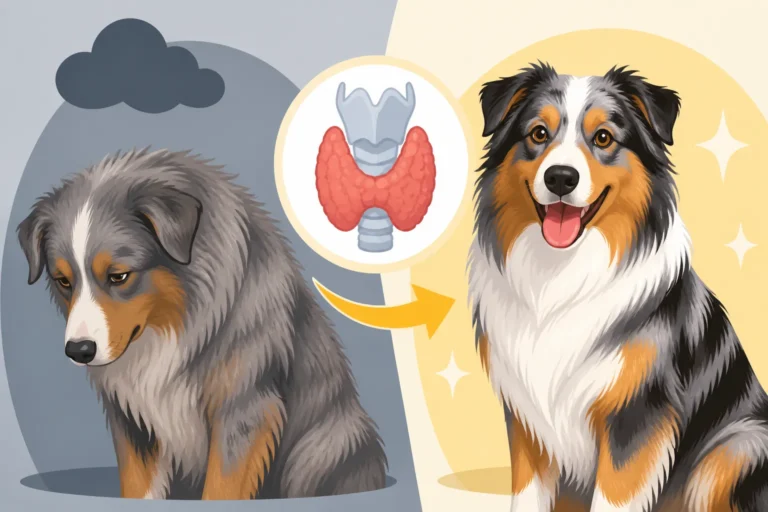
Australian Shepherds, like many breeds, can be predisposed to autoimmune diseases, with hypothyroidism (underactive thyroid) being one of the more common concerns. Hypothyroidism can lead to a range of symptoms, including coat problems, weight gain, lethargy, and even behavioral changes. While not always directly genetic in a simple Mendelian fashion, breeders committed to overall health often include thyroid panels in their routine health clearances for breeding dogs. These tests measure hormone levels to ensure healthy thyroid function. Identifying and managing thyroid issues in breeding stock can help prevent the spread of a predisposition within a line. For a deeper dive, you can explore Australian Shepherd Autoimmune Disease and understand why these tests matter.
The Value of a Comprehensive Genetic Panel
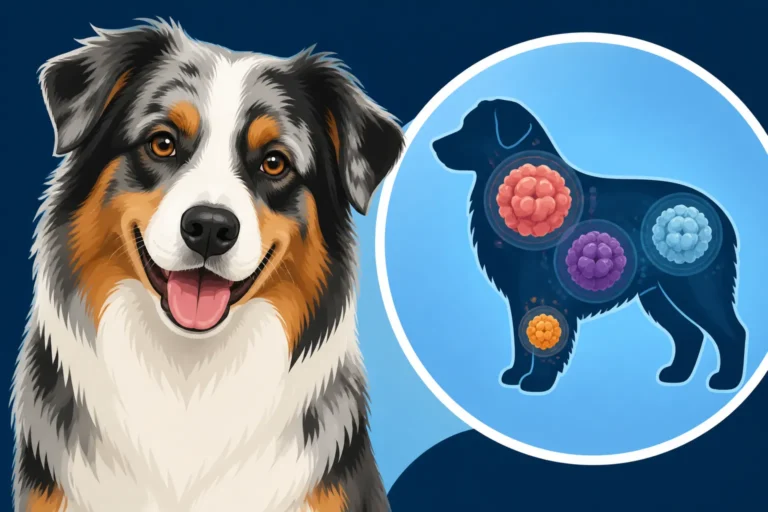
In today's age of advanced genetic science, many companies offer comprehensive genetic panels that screen for dozens, sometimes hundreds, of genetic conditions relevant to specific breeds. These panels go beyond the absolute basics and can include tests for conditions like:
- Hereditary Retinal Degeneration (HRD): Another form of PRA.
- Degenerative Myelopathy (DM): A progressive neurological disease affecting the spinal cord.
- Hyperuricosuria (HUU): A genetic mutation that can lead to bladder stones.
- Cone-Rod Dystrophy 1 (cord1-PRA): Yet another form of PRA.
- Von Willebrand's Disease Type I (vWD Type I): A bleeding disorder.
Companies like Embark Veterinary, Optimal Selection, and GenSol Diagnostics provide such extensive panels. A breeder who voluntarily screens their dogs using one of these comprehensive panels is showing a truly proactive and dedicated approach to genetic health. They should be able to provide you with a full report, clearly indicating "clear" status for their breeding dogs on all relevant conditions. This level of detail offers the highest possible assurance regarding your puppy's genetic predispositions and aligns with What ASHGI Recommends Testing in an Aussie. Always ask about the full scope of testing performed, not just a few headline conditions. This kind of thoroughness is a testament to their dedication to the breed's well-being and a major factor in ensuring you're bringing home a puppy with the best possible genetic start.
The Full Picture of Aussie Health Certifications
When seeking an Australian Shepherd, remember that a truly responsible breeder views health testing as an ongoing process, not a one-time checkmark. They understand that transparency and education are key to placing their puppies in loving, prepared homes. Don't be shy about asking questions and requesting to see all official documentation. These documents are proof of their commitment and your best defense against potential health issues down the line. It's about protecting your emotional and financial investment, and most importantly, giving your future Australian Shepherd the best chance at a long, healthy, and happy life.
| Test/Certification | What it Screens For | Ideal Result for Breeding | Registering Body (Common) | Frequency (Breeding Stock) |
|---|---|---|---|---|
| MDR1 | Drug Sensitivity (Multidrug Resistance 1 gene) | Normal/Normal | Various DNA Labs | Once |
| HSF4 | Hereditary Cataracts (specific gene) | Clear | Various DNA Labs | Once |
| CEA | Collie Eye Anomaly (ocular defects) | Clear | Various DNA Labs | Once |
| PRA-PRCD | Progressive Retinal Atrophy (vision degeneration) | Clear | Various DNA Labs | Once |
| OFA Hips | Hip Dysplasia (joint conformation) | Fair, Good, or Excellent | OFA | After 24 months |
| OFA Elbows | Elbow Dysplasia (joint conformation) | Normal | OFA | After 24 months |
| CAER/OFA Eyes | General Ocular Health (observable diseases) | Normal (no defects found) | ACVO/OFA | Annually |
| Comprehensive Panel | Multiple genetic conditions (e.g., DM, HUU, vWD) | Clear for all relevant | Embark, Optimal Selection | Once |
| Thyroid Panel | Hypothyroidism | Normal levels | Vet Lab | Annually/Bi-annually |
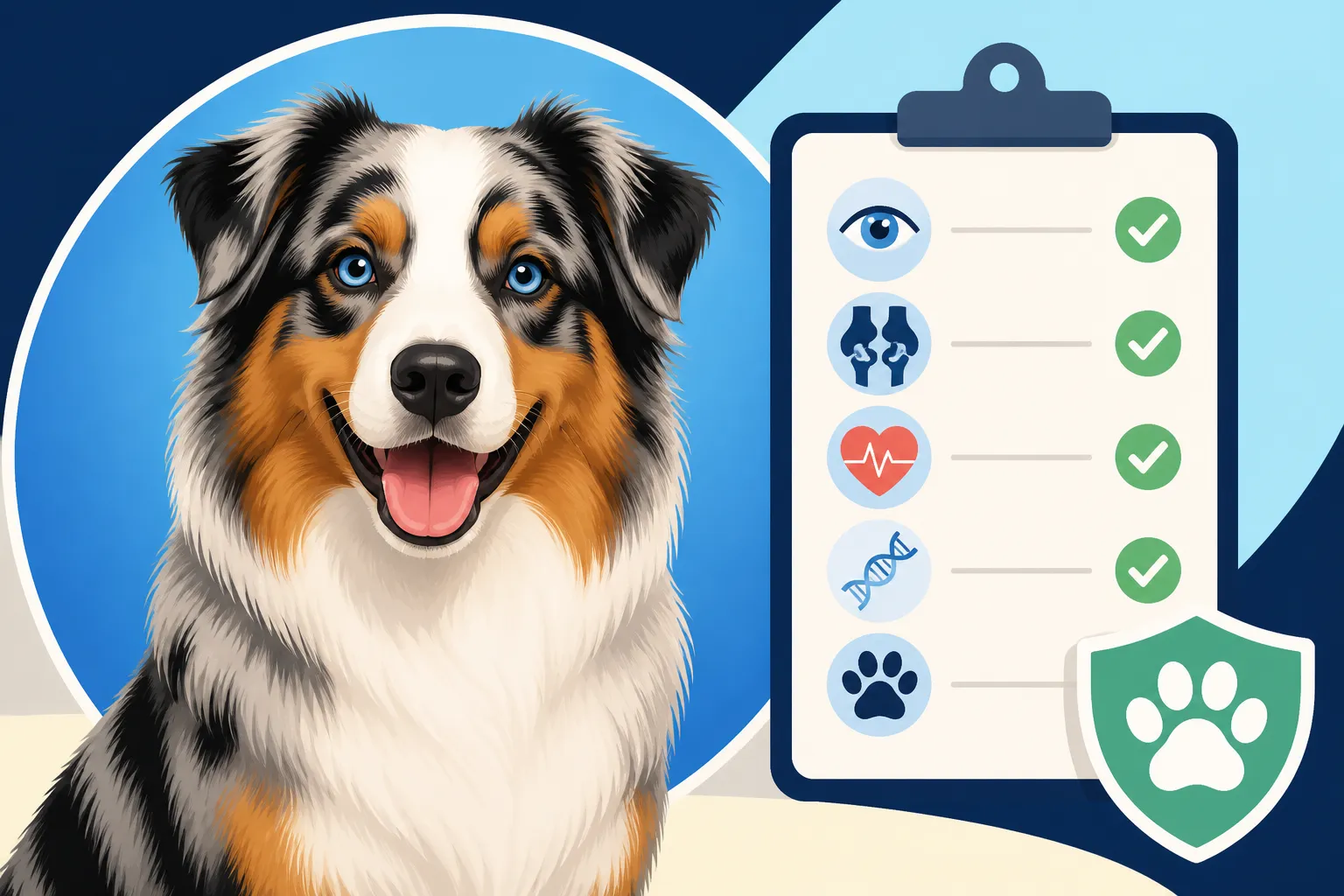
This table provides a clear overview of The Health Tests Every Australian Shepherd Parent Needs to have. It is your benchmark for finding a responsible breeder.
Disclaimer
The information provided in this article is for general informational purposes only and does not constitute veterinary advice. Always consult with a qualified veterinarian for any health concerns or before making any decisions about your Australian Shepherd's care.