Aussie Puppies Bred With No Genetic Testing
Oh, the excitement of bringing home a new Australian Shepherd puppy! It's a feeling like no other, full of dreams about long walks, endless games of fetch, and that undeniable puppy love. But amidst all that joy, a crucial detail often gets overlooked: the genetic health testing of the parents. Many hopeful owners, perhaps swayed by a lower price or immediate availability, find themselves considering a puppy whose parents haven't undergone these vital screenings, unknowingly opening the door to a lifetime of heartache and unexpected expenses. This guide is here to shed light on why skipping those genetic tests is a gamble you absolutely shouldn't take and how to protect yourself and your future furry family member.
The Allure and Peril of Untested Aussie Puppies
It's a scene played out far too often: you're browsing online, maybe on a classifieds site or social media, and you stumble upon adorable Australian Shepherd puppies for sale. They’re often listed at a price that seems almost too good to be true, especially compared to what you’ve seen from more established breeders. The seller might have a litter ready to go right now, no waiting list required. It’s incredibly tempting, especially when your heart is set on welcoming an Aussie into your home. The appeal is understandable – instant gratification and a lighter hit to the wallet upfront.
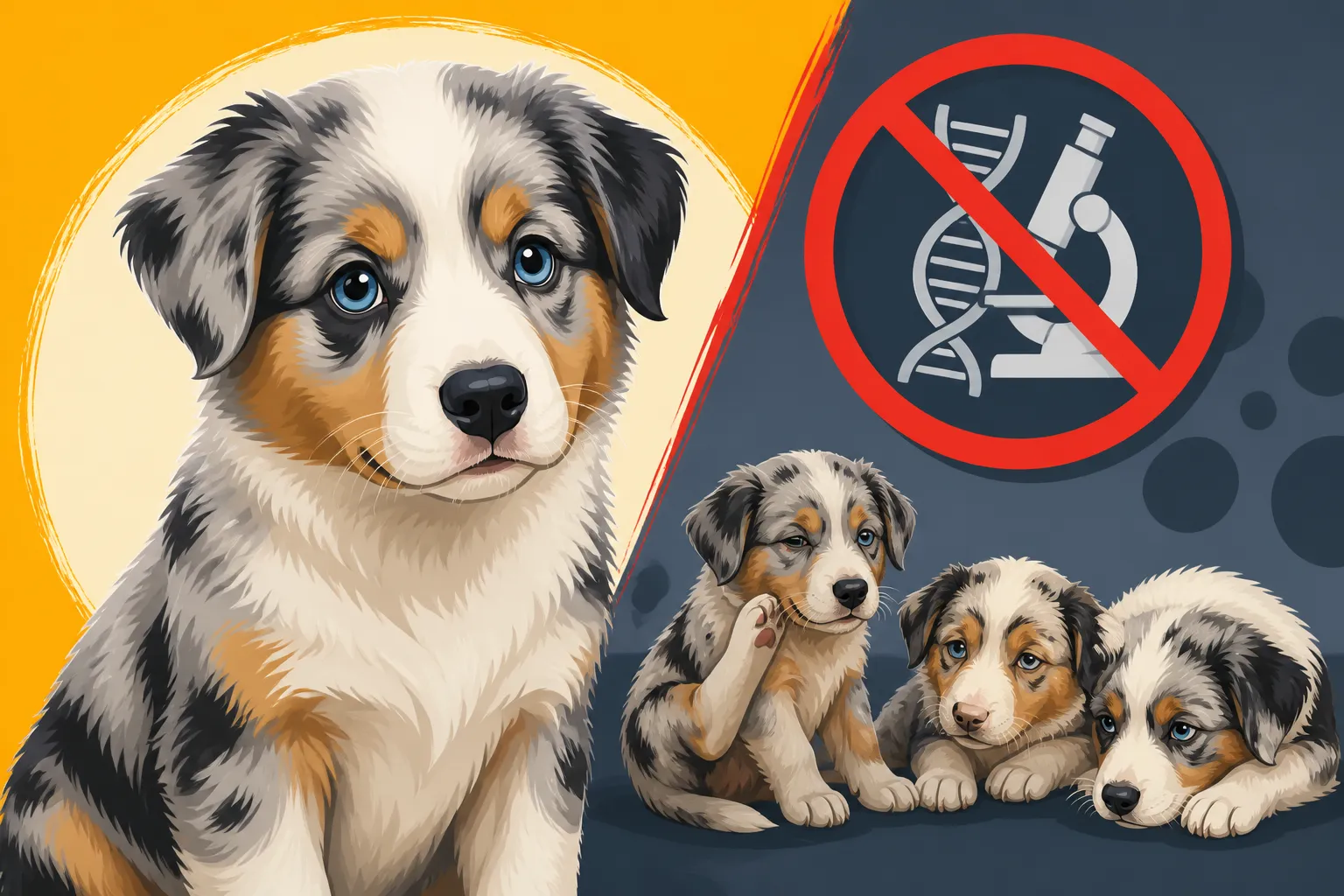
However, this perceived bargain often comes with a steep, hidden cost. When a breeder chooses not to perform genetic testing on their breeding stock, it's usually for one of two reasons: either they're unaware of the importance (which is a red flag in itself for responsible breeding), or they're actively trying to cut costs. In either scenario, you, the prospective puppy owner, are taking on an enormous risk. You're essentially buying a lottery ticket, where the prize might be a healthy, vibrant dog, or it might be a lifetime of managing debilitating, heartbreaking, and expensive genetic diseases that could have been avoided.
The "Bargain" That Isn't
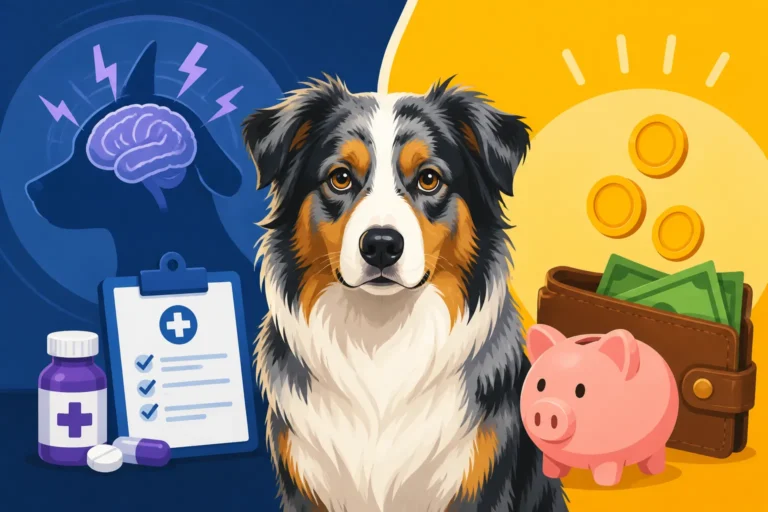
Imagine finding an Aussie puppy for $500 when most reputable breeders are asking $1,500 to $2,500. It feels like a steal, right? But what if that $500 puppy later develops a severe genetic condition that requires thousands of dollars in vet bills, specialized care, and brings immense emotional distress? That initial "saving" quickly vanishes, replaced by a financial and emotional burden that can last for years. This isn't just about money; it's about the deep bond you'll form with your dog and the pain of watching them suffer needlessly. A truly ethical breeder invests in health clearances, knowing that these costs contribute to a healthier, happier puppy for you and a more secure future for the breed.
The Unseen Hand of Genetics
Every living creature carries a unique genetic blueprint, and with it, the potential for certain inherited conditions. For Australian Shepherds, a breed known for its vitality and intelligence, there's also a known list of genetic predispositions that responsible breeders actively test for. When parents aren't tested, there's no way to know if they are carriers or are affected by these conditions themselves. It means that innocent-looking puppy might be carrying a ticking time bomb, destined to develop a severe disease, or even pass it on to future generations if they are ever bred. This lack of transparency means you're flying blind, relying purely on luck, and that's not a position any responsible dog owner wants to be in.
Unmasking the Hidden Health Time Bombs
Australian Shepherds are generally robust dogs, but like many purebreds, they are predisposed to certain genetic conditions. When breeders skip genetic testing, they are effectively rolling the dice with the health and future of every puppy in their litter. Let's delve into some of the most common and serious genetic issues that can arise when parents haven't been screened.
MDR1 Mutation and Drug Sensitivity
One of the most critical genetic tests for Australian Shepherds is for the MDR1 (Multi-Drug Resistance 1) mutation. This gene, when mutated, affects how certain drugs are processed in the dog's body. Dogs with two copies of the mutated gene (MDR1 affected) can have severe, even fatal, reactions to common medications. These include drugs often found in veterinary use, such as Ivermectin (a common dewormer), Loperamide (an anti-diarrhea medication), and certain chemotherapy agents and anesthetics.
Imagine your beautiful Aussie needing a routine deworming or, heaven forbid, an emergency surgery. If you don't know their MDR1 status, administering standard doses of these medications could lead to neurological symptoms like seizures, disorientation, blindness, coma, or even death. This isn't just a slight side effect; it's a profound, life-threatening sensitivity. A reputable breeder will always provide you with documentation showing the parents' MDR1 status, usually from a laboratory like Paw Print Genetics or Embark, and ideally, both parents will be clear or at least one clear and one a carrier, ensuring no affected puppies. You can learn more about The MDR1 Mutation Half of Australian Shepherds Carry to understand its prevalence.
Hereditary Cataracts HSF4
Another major concern in Australian Shepherds is Hereditary Cataracts, specifically linked to the HSF4 gene. Cataracts cause clouding of the eye's lens, leading to impaired vision and, if severe enough, blindness. While some cataracts are age-related or caused by injury, hereditary cataracts can manifest early in a dog's life, sometimes even before their first birthday. Seeing your vibrant, active Aussie puppy slowly lose their sight due to a preventable genetic condition is truly devastating.
Genetic testing can identify if a dog is clear, a carrier, or affected by the HSF4 mutation. Breeders who test can make informed decisions to avoid breeding two carriers together, which significantly reduces the risk of producing affected puppies. Without this test, you might adopt a puppy who, despite having seemingly clear eyes as a youngster, is destined for a life with severely compromised vision. We talk more about this in Hereditary Cataracts Clouding an Aussie Eye.
Collie Eye Anomaly CEA
Collie Eye Anomaly (CEA) is another inherited eye disorder that can affect Australian Shepherds. It's a developmental condition of the eye that can range from mild (with no significant impact on vision) to severe (causing blindness or retinal detachment). The severity can vary even within the same litter. Like MDR1 and HSF4, CEA is a recessive genetic trait, meaning a puppy needs two copies of the mutated gene (one from each parent) to be affected.
A DNA test can identify carriers and affected dogs. Responsible breeders use this information to ensure they don't pair two carriers, thereby eliminating the risk of affected puppies. If a puppy comes from untested parents, there’s no way to know if they carry or are affected by CEA until a veterinary ophthalmologist performs a thorough eye exam, often when the puppy is very young. Even then, mild cases might be missed or progress later. Understanding Collie Eye Anomaly in an Australian Shepherd is vital for prospective owners.
Here's a quick overview of some key genetic concerns:
| Condition | Genetic Test Available? | Potential Impact on Dog |
|---|---|---|
| MDR1 Mutation | Yes (DNA Test) | Severe drug sensitivities, neurological issues, death from common meds |
| Hereditary Cataracts (HSF4) | Yes (DNA Test) | Early-onset cataracts, progressive vision loss, blindness |
| Collie Eye Anomaly (CEA) | Yes (DNA Test) | Vision impairment, retinal detachment, blindness |
| Progressive Retinal Atrophy (PRA) | Yes (DNA Test – multiple forms) | Progressive degeneration of the retina, leading to blindness |
| Degenerative Myelopathy (DM) | Yes (DNA Test) | Progressive paralysis, similar to ALS in humans |
| Hereditary Deafness (linked to Merle) | No (BAER Test for puppies) | Congenital deafness, especially in double merles |
| Hip Dysplasia | No (OFA/PennHIP Evaluation) | Arthritis, pain, lameness, costly surgeries |
| Elbow Dysplasia | No (OFA/PennHIP Evaluation) | Arthritis, pain, lameness, costly surgeries |
Note: While Hip and Elbow Dysplasia are not directly DNA tests, they are crucial health clearances that ethical breeders perform on breeding stock to reduce the risk of passing on structural issues.
As you can see, the list is extensive, and this table only scratches the surface. Knowing that a breeder has done The Genetic Panel Every Australian Shepherd Needs provides immense peace of mind.
The True Toll: Beyond the Initial Price Tag
Opting for an Australian Shepherd puppy from untested parents might seem like a smart financial move at first glance. You save a few hundred, maybe even a thousand dollars, on the initial purchase price. But this short-term gain is almost always overshadowed by the long-term emotional and financial burden that can arise. The true cost of a "bargain" Aussie often includes years of heartache, stress, and vet bills that dwarf the original puppy price.
The Financial Drain of Unforeseen Illness
Let's be realistic: vet bills can be astronomical, especially for chronic or complex conditions. If your untested Aussie puppy develops a severe case of Hereditary Cataracts, for example, the cost of specialized eye exams, potential surgeries, and follow-up care can quickly climb into thousands of dollars. A single cataract surgery can easily run anywhere from $2,000 to $4,000 per eye. And that's just for one condition. If your dog has a severe MDR1 reaction, emergency vet visits, hospitalization, and intensive care can lead to bills reaching into the high hundreds or even thousands in a matter of hours.
These aren't hypothetical scenarios; they are the unfortunate reality for many who unwittingly purchase puppies from breeders who cut corners. While pet insurance from providers like Healthy Paws can certainly help mitigate some of these costs, most policies have waiting periods or won't cover pre-existing conditions. If your puppy starts showing symptoms before coverage kicks in, or if the condition is deemed "pre-existing" even if undiagnosed, you could be on the hook for everything. This is part of The Aussie Bills Nobody Warns You About.
The Emotional Heartbreak
Beyond the financial stress, there's the profound emotional toll. Imagine falling deeply in love with your vibrant Aussie puppy, only to watch them slowly lose their sight, suffer from debilitating neurological episodes, or live with chronic pain that requires constant medication and management. It's heartbreaking. The guilt, the worry, the endless trips to specialists, and the fear of what tomorrow might bring can weigh heavily on any pet owner.
These are not easy choices to make, and they put an immense strain on families. The joy of a new puppy can turn into a constant source of anxiety. Responsible breeders work tirelessly to minimize these risks precisely because they understand the deep bond people form with their dogs and the devastation that preventable diseases can cause.
The Lifetime Commitment You Didn't Bargain For
Bringing a dog into your life is a significant commitment. When that dog comes with hidden genetic conditions, that commitment becomes even more demanding. You might find yourself dedicating hours each week to special care, administering medications, managing specific diets (which can sometimes be found on platforms like Chewy for specialized needs or even through subscription services like Ollie for fresh, custom meals), or coordinating complex veterinary appointments.
This isn't to say that dogs with special needs can't live full, happy lives—many do, thanks to dedicated owners. But these are choices that should be made consciously, with full awareness and preparation, not as a shocking revelation years down the line. When you choose a puppy from parents who haven't been genetically tested, you're signing up for a potential lifetime commitment to managing preventable illness, a commitment that you had no way of anticipating or preparing for.
Arming Yourself: Finding a Breeder Who Does It Right
The good news is you don't have to navigate this blind. By taking proactive steps and knowing what questions to ask, you can significantly reduce your risk of bringing home an Australian Shepherd puppy predisposed to serious genetic conditions. Finding a reputable, ethical breeder is paramount, and they will welcome your scrutiny because they have nothing to hide.
The Breeder's Transparency is Key
A responsible Australian Shepherd breeder is passionate about the health and longevity of their lines. They will openly discuss the health testing they conduct on their breeding dogs, not just for the immediate parents but often going back several generations. They will not only tell you about the tests but will provide verifiable proof.
Look for breeders who:
- Voluntarily provide documentation: They should offer to show you the genetic test results (MDR1, HSF4, CEA, PRA, etc.) for both the mother and father of the litter. These results should come from recognized laboratories.
- Perform physical clearances: Beyond DNA tests, responsible breeders also ensure their dogs have orthopedic clearances for hips and elbows (OFA or PennHIP evaluations) and regular eye exams by a veterinary ophthalmologist (CERF/OFA Eye Certifications). You can look up public results on the Orthopedic Foundation for Animals (OFA) website using the registered names of the parent dogs.
- Are upfront about potential issues: An honest breeder will discuss any known health concerns in their lines, even if their dogs are clear of the common genetic issues. They'll explain how they're working to mitigate these risks.
- Educate prospective buyers: They should be a resource, eager to educate you about the breed's needs, potential health issues, and how to care for your puppy.
Don't fall for excuses like, "My vet says my dogs are healthy," or "I've never had a problem before." Health screenings are a standard practice for ethical breeders. It's crucial to know The Test Results an Aussie Breeder Must Produce.
Asking the Right Questions
When you contact a breeder, don't be afraid to ask detailed questions about their health testing protocols. Here’s a checklist:
- "Can you provide copies of the genetic test results for both parents (MDR1, HSF4, CEA, etc.)?"
- "What are the OFA/PennHIP scores for the parents' hips and elbows?"
- "When was the last CERF/OFA eye exam performed on the parents, and can I see the results?"
- "Are there any known health issues in the pedigree of either parent?"
- "What guarantees do you offer regarding genetic health?" (Many reputable breeders will have a health guarantee in their contract).
- "What is your process for screening potential puppy buyers?" (A good breeder will screen you as much as you screen them, ensuring their puppies go to suitable homes).
A breeder who is evasive, defensive, or unwilling to provide this information is a red flag. Move on. The welfare of the puppy, and your peace of mind, are not worth compromising. For more specific questions to ask, check out Questions an Aussie Breeder Should Answer. Remember that Why a Cheap Merle Aussie Puppy Is a Warning often points to corners being cut on health testing.
Understanding the Contract
A reputable breeder will always have a comprehensive contract. This document should outline the health guarantees, spay/neuter clauses, expectations for returning a dog if circumstances change, and clearly state that the puppy is sold as a companion animal (unless it's a specific working or show prospect). A strong contract protects both you and the puppy and is a sign of a professional, ethical breeder.
It may feel like a lot of homework, but investing this time upfront will save you immeasurable stress, heartbreak, and expense down the road. Your future Australian Shepherd companion deserves the best possible start in life, and that begins with responsible breeding practices, backed by comprehensive genetic and health testing.
Disclaimer
The information provided in this guide is for educational and informational purposes only and does not constitute veterinary advice. Always consult with a qualified veterinarian for any health concerns or before making any decisions about your Australian Shepherd's care.