Vacuum and Cleaning Costs in an Aussie Household
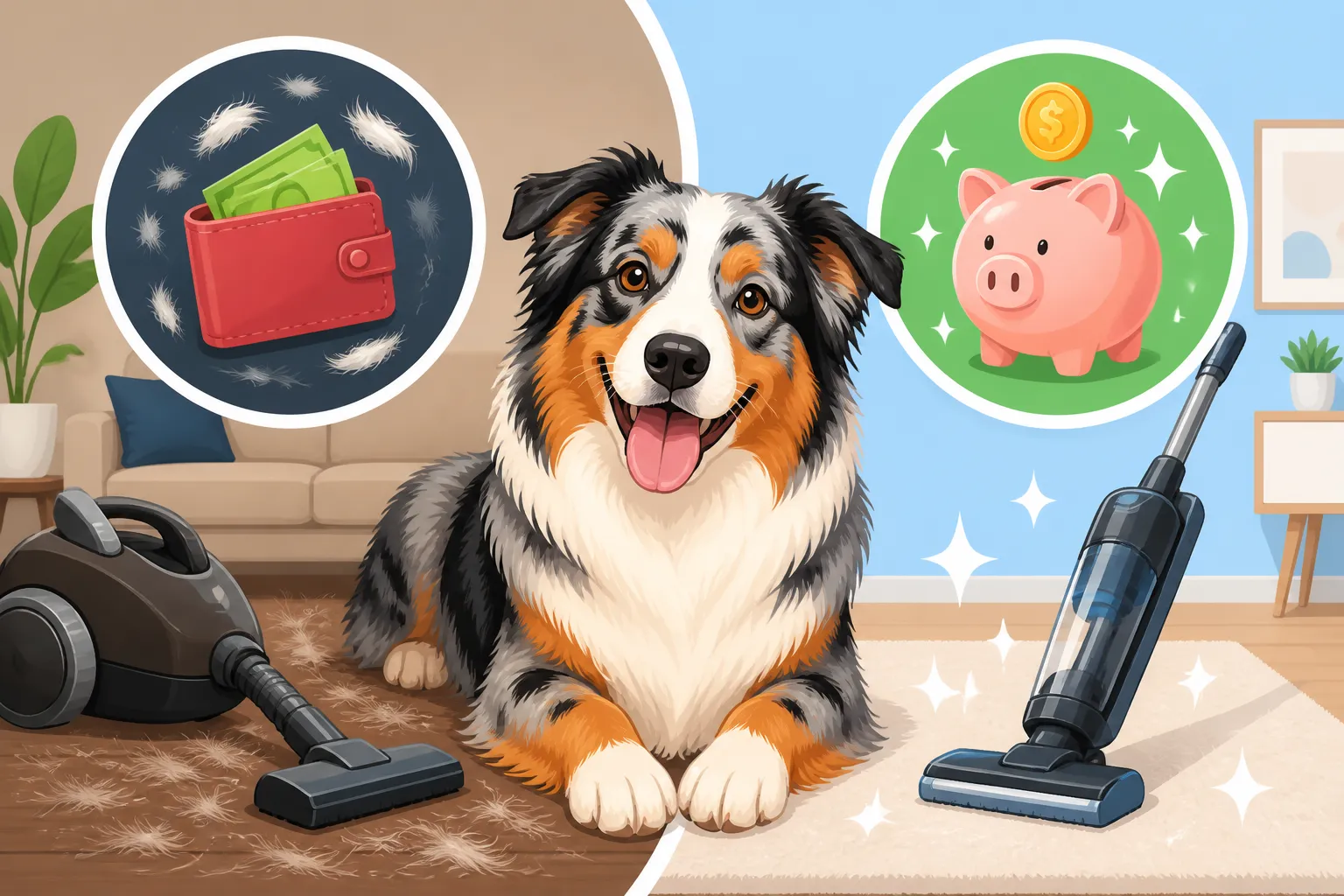
If you’re living with an Australian Shepherd, you’re no stranger to the omnipresent layer of fur that seems to magically appear on every surface, no matter how often you clean. It’s a constant battle against the fluffy tumbleweeds and embedded hairs in carpets, upholstery, and even your morning coffee. This guide dives deep into the often-underestimated vacuum and cleaning costs associated with owning one of these magnificent, yet shedding-prone, dogs, helping you prepare for the financial reality of keeping a clean home.
The Relentless Reality of Aussie Shedding
Let's be real: owning an Australian Shepherd means embracing a certain level of fur in your life. It's not a "sometimes" thing; it's an "all the time" thing. While their beautiful double coats are part of their charm, they also present a unique cleaning challenge that many new owners simply aren't prepared for. It's more than just a little bit of hair; it's a significant, ongoing commitment.
Understanding the Double Coat's Challenge
Australian Shepherds boast a dense, weather-resistant double coat designed to protect them from the elements while they work tirelessly herding livestock. This coat consists of two distinct layers: a soft, downy undercoat that provides insulation, and a coarser, longer outer coat (often called guard hairs) that repels water and dirt. Both layers contribute to the shedding, but it's the undercoat that really creates the bulk of the "fur-nado" in your home. This protective layer is constantly renewing itself, meaning hair is always falling out, even outside of seasonal changes. It’s an evolutionary marvel for a working dog, but for the average pet owner, it means your vacuum cleaner becomes your most trusted companion. Imagine the amount of hair needed to keep a dog warm in a mountain pasture or cool under a harsh sun – that's the amount of hair your Aussie is packing, and occasionally, sharing with your furniture.
The Seasonal Shedding Avalanche
Beyond the daily shedding, Australian Shepherds experience what's known as "coat blow" twice a year, typically in spring and fall. During these periods, often lasting several weeks, they shed their entire undercoat to prepare for the upcoming season – a heavier coat for winter, a lighter one for summer. This isn't just increased shedding; it's an absolute explosion of fur. You can brush your dog for an hour and still pull out enough hair to make another small dog. If you’ve ever wondered, "how can one dog produce so much hair?" during these times, you're not alone. We've all been there, staring at a giant mound of fluff on the floor after a brushing session. This intense period demands even more diligent brushing and cleaning, turning what might be a weekly vacuuming routine into a daily, sometimes twice-daily, chore. Proper grooming techniques are essential, and if you want to dive deeper into managing this period, take a look at our guide on Twice-Yearly Coat Blow in an Australian Shepherd.
Essential Cleaning Tools and Their Costs
Conquering the constant influx of Aussie fur requires an arsenal of effective cleaning tools. Skimping on these items often leads to frustration, inefficiency, and ultimately, a less clean home. Investing wisely upfront can save you headaches and recurring costs down the line.
Choosing the Right Vacuum for Pet Hair
This is arguably the most critical purchase for any Australian Shepherd owner. A standard household vacuum often won't cut it. You need a model specifically designed to handle pet hair, which means strong suction, effective brush rolls, and excellent filtration. The market offers a wide range of options, each with its pros and cons:
- Upright Vacuums: These are often powerful and good for whole-house carpet cleaning. Many come with specialized pet hair attachments and robust brush rolls to dig deep into carpet fibers. They can be a bit heavy and cumbersome for stairs or tight spaces.
- Canister Vacuums: Offering more versatility, canister vacuums usually have a separate canister unit on wheels and a long hose with various attachments. They are excellent for hard floors, upholstery, and reaching difficult areas, making them a strong contender for homes with mixed flooring or lots of furniture.
- Stick Vacuums (Cordless): These lightweight and convenient options are perfect for quick daily clean-ups, especially in busy households. Their cordless nature makes them easy to grab and go. However, their battery life and dustbin capacity might limit their effectiveness for deep cleaning an entire Aussie-filled home.
- Robot Vacuums: While tempting for hands-off cleaning, robot vacuums vary widely in effectiveness. Some high-end models can be surprisingly good at maintaining daily fur levels on both hard floors and low-pile carpets, learning your home's layout. However, they usually can't replace the deep cleaning power of a traditional vacuum and might struggle with larger clumps of hair or higher pile carpets. They also require frequent emptying of their smaller dustbins in an Aussie household.
When selecting, look for features like tangle-free brush rolls (a lifesaver for long Aussie hair), multi-surface capability, and a HEPA filter to capture dander and allergens. Brands like Dyson, Shark, and Bissell offer popular pet-specific models, with prices ranging from $150 for a decent stick vacuum to $700+ for high-end upright or canister models. You'll want something durable that can withstand daily use, so factor in long-term reliability over initial low cost. For deep dives into managing your Aussie's coat to reduce shedding, our post on The Australian Shepherd Double Coat Explained offers great insights.
Here’s a quick overview of common vacuum types and their suitability for an Aussie home:
| Vacuum Type | Pros | Cons | Estimated Cost Range |
|---|---|---|---|
| Upright | Powerful suction, excellent for carpets, often good filtration | Heavy, less maneuverable, can be loud | $150 – $500 |
| Canister | Versatile for hard floors & carpets, good for attachments, quieter | Can be bulky to store, requires assembly/disassembly of parts | $200 – $600 |
| Stick (Cordless) | Lightweight, highly maneuverable, great for quick clean-ups | Limited battery life, smaller dustbin, less powerful for deep cleans | $150 – $700+ |
| Robot | Autonomous daily cleaning, good for maintenance, schedules | Can miss spots, small dustbin needs frequent emptying, struggles with high pile carpets | $100 – $1,000+ |
Beyond the Vacuum: Everyday Cleaning Arsenal
A good vacuum is your cornerstone, but it's far from the only tool you'll need. Living with an Australian Shepherd means a constant battle against hair on clothing, furniture, and hard-to-reach corners.
- Lint Rollers: These are indispensable. Keep them by the door, in your car, and in every room. While seemingly inexpensive individually, you'll go through refills quickly. Expect to spend $20-$50 annually on lint roller supplies, depending on how meticulous you are about removing fur from your clothes before leaving the house. Many owners find themselves regularly browsing online retailers like Chewy for multipacks of lint rollers and other pet-specific cleaning supplies.
- Rubber Brushes/Gloves: Tools like the ChomChom roller or rubber gloves are surprisingly effective at lifting embedded hair from upholstery, car interiors, and even carpets where your vacuum might struggle. These are typically a one-time purchase of $15-$30 and can last for years.
- Pet-Safe Cleaning Sprays: Accidents happen, especially with puppies or older dogs. You’ll need enzyme cleaners to neutralize urine odors and stains from carpets and hard floors. Standard cleaners might mask the smell, but only enzyme cleaners break down the uric acid crystals that cause lingering odors. A good quality enzyme cleaner can cost $15-$30 per bottle, and you'll want to keep several on hand. For specific concerns about your Aussie's skin or potential allergies that might lead to more cleanups, our article on Australian Shepherd Skin, Coat and Allergy Problems provides helpful context.
- Microfiber Mops and Cloths: For hard floors, a good microfiber mop picks up loose hair and dust effectively. Microfiber cloths are excellent for wiping down surfaces, catching fur, and preventing dust from resettling. These are relatively inexpensive ($20-$50 for a mop kit, $10-$20 for a pack of cloths), but you'll appreciate their efficiency.
- Air Purifiers: While not strictly a "cleaning" tool, an air purifier can significantly reduce pet dander and airborne fur, especially for those with allergies. These range from $100 for smaller units to $500+ for whole-house systems, with ongoing filter replacement costs ($30-$100 per filter, annually or semi-annually). This can improve overall air quality and reduce the amount of visible fur floating around.
Professional Cleaning Services and Recurring Expenses
Sometimes, your home cleaning efforts just aren't enough to combat the deep-seated fur and potential odors that an Australian Shepherd can introduce. This is where professional services come into play, adding another layer to your overall cleaning budget.
Deep Cleaning Carpets and Upholstery
Even with the best pet hair vacuum, carpets and upholstered furniture will eventually accumulate deeply embedded fur, dander, and general pet odors. Professional carpet and upholstery cleaning services use powerful equipment and specialized solutions to extract these deeply lodged particles, leaving your home much fresher. The frequency depends on your dog's activity level, coat type, and how much time they spend on furniture, but many Aussie owners find an annual or bi-annual professional cleaning necessary.
- Carpet Cleaning: For a standard 3-bedroom home, professional carpet cleaning can range from $150 to $400, depending on the number of rooms, square footage, and the level of soiling. If you have significant pet stains or odors, specialized treatments might add to the cost. For example, some companies offer specific pet odor removal treatments that penetrate deep into the padding.
- Upholstery Cleaning: Cleaning a sofa can cost anywhere from $75 to $200, with additional chairs or ottomans adding to the total. If your Aussie has claimed a favorite spot on the couch, this can be a crucial investment to extend the life of your furniture and keep your living spaces fresh. While it might seem expensive, it's often far cheaper than replacing furniture prematurely.
Tackling Accidents and Odors
Let's face it, even the best-trained Australian Shepherds can have an accident. Puppies are still learning, older dogs might have incontinence issues, or sometimes, a sudden stomach upset strikes. Dealing with these swiftly and effectively is key to preventing lasting odors and stains.
- Enzyme Cleaners and Odor Eliminators: As mentioned earlier, enzyme cleaners are a must-have. When an accident occurs, thoroughly saturating the area with an enzyme cleaner and allowing it to air dry will help break down the odor-causing bacteria. Repeat applications may be necessary for older, set-in stains. Keep a good supply on hand, as you'll likely use it more than you think. Brands like Nature's Miracle or Rocco & Roxie offer popular and effective options, with prices typically ranging from $15-$30 per bottle.
- Ozone Generators or Foggers: For severe, pervasive odors that have seeped into walls and fabrics (perhaps from an un-house-trained rescue dog), you might consider renting an ozone generator or hiring a professional service to use one. These devices produce ozone gas, which neutralizes odors. However, they must be used with extreme caution, as ozone is an irritant and harmful to pets and people when present at high levels. Rental costs can be $50-$100 per day, plus the cost of cleaning solutions. This is usually a last resort for very tough odors.
- Odor-Absorbing Products: For general pet smells, sprinkling baking soda or specialized pet odor-absorbing powders on carpets and upholstery before vacuuming can make a noticeable difference. These are relatively inexpensive ($5-$15 per box/container) and can be part of your regular cleaning routine. Keeping your dog healthy can also reduce certain cleanup demands; regular Australian Shepherd Dental Cleaning Cost and other preventative care help avoid issues that might lead to unexpected messes.
Long-Term Budgeting for a Clean Aussie Home
Owning an Australian Shepherd is a long-term commitment, and so is maintaining a clean home with one. It's not just about the initial purchases; it's about the ongoing costs of replacement, maintenance, and proactive measures to minimize the mess. Thinking ahead can save you money and stress.
The Lifespan and Replacement of Cleaning Equipment
Your cleaning tools, especially your vacuum, will endure significant wear and tear in an Aussie household. Unlike homes without large, double-coated dogs, your vacuum will be working overtime, picking up vast quantities of fur, dirt, and debris.
- Vacuum Lifespan: A good quality pet hair vacuum might last 5-10 years, but its effectiveness will slowly degrade over time. Filters need regular cleaning or replacement (every 3-6 months, costing $10-$30), and brush rolls can get tangled or worn out. You might also need to replace belts or hoses periodically. Factor in a new major vacuum purchase every 5-7 years, which means setting aside $50-$100 annually for vacuum replacement or maintenance.
- Other Tools: Lint rollers are consumable. Mop heads and microfiber cloths will need replacing as they wear out. Even rubber brushes and grooming tools like undercoat rakes (which help pull out loose fur before it hits your floor) will eventually need replacing. While these are smaller costs, they add up. Consider the advice in Undercoat Rakes and Brushes for an Aussie for choosing durable tools.
- Unexpected Breakdowns: Just like any appliance, your vacuum can break down unexpectedly. Repair costs can sometimes rival the price of a new, mid-range vacuum, forcing an unplanned expense into your budget. It's wise to have an emergency fund for such scenarios.
Proactive Measures to Reduce Cleaning Demands
The best offense is a good defense. Proactive measures can significantly reduce the amount of actual cleaning you need to do, thus indirectly saving you money and effort.
- Regular Grooming: This is perhaps the most impactful way to control shedding indoors. Daily or bi-weekly brushing, especially during coat blow season, will remove vast amounts of loose fur before it has a chance to settle on your furniture and floors. Investing in quality brushes – like a good undercoat rake and a slicker brush – and establishing a consistent routine can make a huge difference. While grooming does have its own costs, whether you do it yourself or opt for professional services like those mentioned in Aussie Grooming at $50 to $100 a Session, it directly reduces your indoor cleaning burden.
- Designated Dog Zones: If possible, consider designating certain areas of your home as "dog zones" where a stricter cleaning regimen can be applied or where furniture is more durable and easier to clean. Using washable slipcovers on couches or washable rugs in high-traffic areas can be a lifesaver.
- Outdoor Routines: Before bringing your Aussie inside, especially after fieldwork or muddy adventures, take the time to clean their paws and brush off loose dirt. A doormat is essential, but a quick wipe-down with a towel can prevent a lot of indoor mess. Our guide on Australian Shepherd Paw and Coat Care After Fieldwork offers great tips for this.
- Training for Cleanliness: Teaching your Aussie good house manners, like waiting at the door to be wiped down or staying off certain furniture, can also help. For instance, if you have an Aussie that loves to jump into the car and claim the back seat, consider a good car seat cover to keep the fur confined, as discussed in An Aussie That Guards the Car. While training itself has costs, it’s an investment that pays off in many aspects, including reducing your cleaning efforts.
- Pet-Friendly Home Furnishings: When it's time to replace furniture or flooring, consider options that are easier to clean and resist pet hair. Leather or tightly woven fabrics are often better than plush, textured materials for resisting embedded fur. Hardwood, laminate, or tile floors are generally easier to sweep or vacuum than wall-to-wall carpeting. These are long-term investments that significantly cut down on the daily cleaning grind.
Living with an Australian Shepherd is a joy, but it definitely comes with its fair share of fur. By understanding the causes of shedding, investing in the right tools, budgeting for professional services, and implementing proactive cleaning strategies, you can maintain a comfortable and relatively clean home without feeling overwhelmed.
Disclaimer
The information provided in this article is for general informational purposes only and does not constitute professional advice. Always consult with a qualified veterinarian, professional dog groomer, or cleaning specialist for specific advice tailored to your Australian Shepherd's needs and your home environment. Costs mentioned are estimates and can vary widely based on location, service provider, and product quality.