Collie Eye Anomaly in an Australian Shepherd
It's absolutely gut-wrenching to witness your spirited Australian Shepherd puppy, full of life and boundless energy, suddenly struggle with something as fundamental as their vision. Many of us have been there, watching a beloved companion bump into furniture or seem confused in unfamiliar surroundings, and the fear of the unknown can be overwhelming. This comprehensive guide will walk you through everything you need to know about Collie Eye Anomaly (CEA) in Australian Shepherds, from understanding its genetic roots to managing its effects and making responsible breeding choices.
Understanding Collie Eye Anomaly in Australian Shepherds
Collie Eye Anomaly, often simply called CEA, is a congenital, inherited eye disease that affects several breeds, with Australian Shepherds being prominent among them. It's a condition that can range from barely noticeable to severely vision-impairing, and it's something every Aussie owner, or prospective owner, needs to be aware of. The thought of your vibrant, intelligent companion facing vision challenges is daunting, but understanding the condition is the first step toward proactive care.
What is CEA and How Does It Affect Aussies?
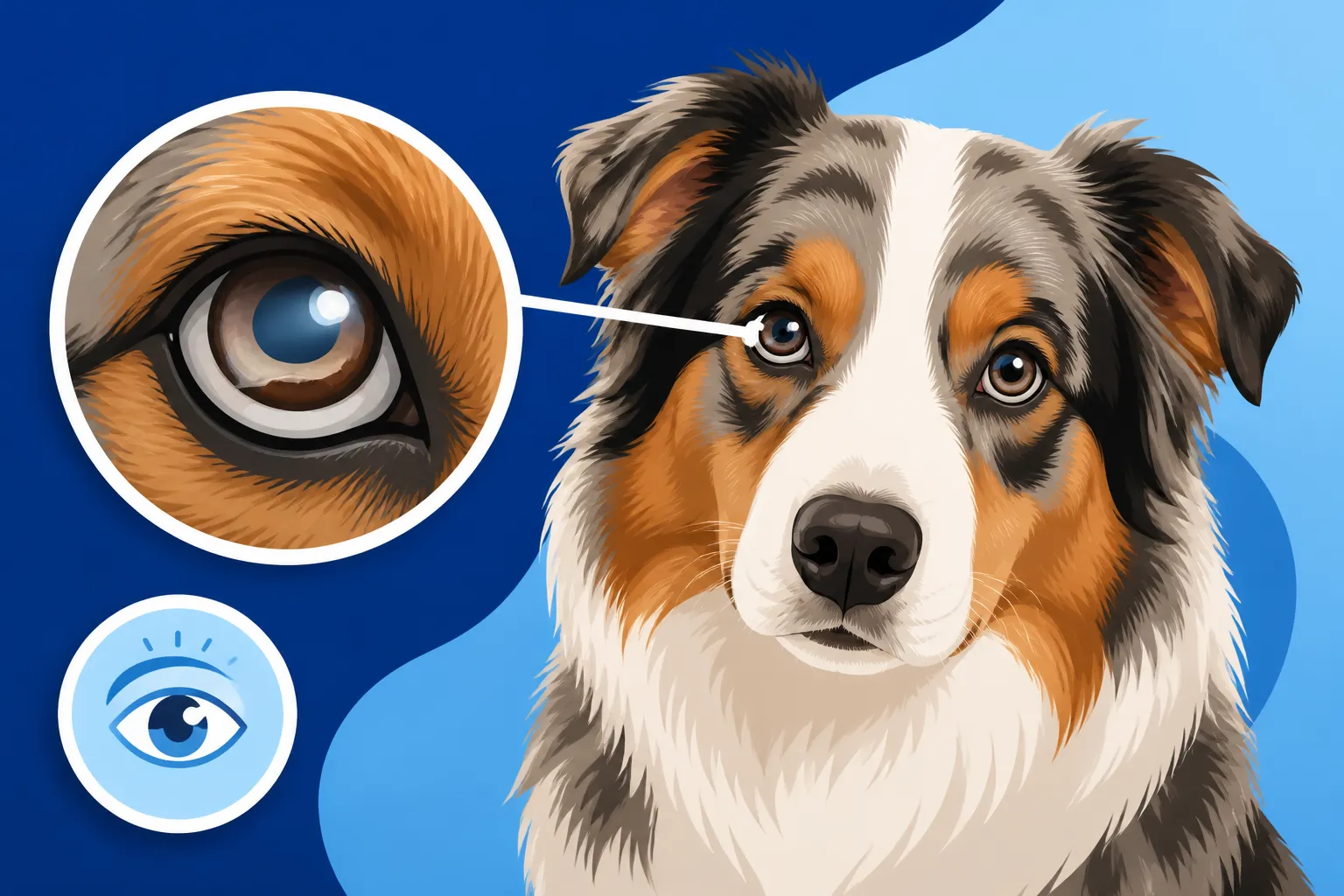
At its core, CEA is a developmental defect of the eye that occurs when the puppy is still in the womb. The primary defect in most affected dogs is called choroidal hypoplasia (CH), sometimes referred to as chorioretinal hypoplasia. This means that the choroid, a layer of tissue rich in blood vessels that nourishes the retina, is abnormally thin or underdeveloped. Imagine the blood supply to a vital organ not quite forming correctly – that's essentially what's happening in the choroid. This underdevelopment can affect how well the retina receives nutrients and oxygen, potentially impacting vision.
Beyond choroidal hypoplasia, more severe manifestations of CEA can include colobomas. A coloboma is essentially a hole or defect in one of the structures of the eye, often the optic nerve head, which is where all the nerve fibers from the retina converge to form the optic nerve. Think of it as a crucial connection point having a structural flaw. This defect can impact the transmission of visual information to the brain, leading to blind spots or more significant vision loss. In the most severe cases, CEA can also lead to retinal detachment, where the retina pulls away from its underlying support tissues, or intraocular hemorrhage, which is bleeding inside the eye. These complications are, understandably, the most devastating, often resulting in partial or total blindness.
The Genetic Roots: Why CEA is so Prevalent in Herding Breeds
The reason CEA is so common in Australian Shepherds, along with other herding breeds like Collies, Shetland Sheepdogs, and Border Collies, lies in its genetic inheritance. CEA is caused by a specific gene mutation, and it's inherited in an autosomal recessive pattern. What does this mean for our beloved Aussies? It means that a puppy must inherit two copies of the defective gene – one from each parent – to actually develop the disease. If a dog inherits only one copy of the defective gene and one normal gene, they are considered a "carrier." Carriers don't typically show symptoms of CEA themselves, but they can pass the mutated gene on to their offspring.
This recessive inheritance pattern is precisely why the condition has become so widespread. For generations, dogs that were carriers or even mildly affected might have been bred without anyone realizing they carried the gene. The visual symptoms aren't always immediately obvious, particularly in milder forms, allowing the gene to silently propagate through breeding lines. Modern genetic testing has been a game-changer, giving breeders the tools to identify carriers and affected dogs, but the legacy of past breeding practices means the gene is still quite common in the Aussie population. It’s a stark reminder of how deeply genetic health ties into responsible breeding.
Degrees of Severity: From Mild to Blinding Conditions
One of the most challenging aspects of CEA is its wide spectrum of severity. It’s not a one-size-fits-all condition, and two dogs with CEA might experience vastly different impacts on their vision. At the mildest end, a dog might have only choroidal hypoplasia that is so minor it doesn't affect their vision at all. These dogs might go through their entire lives seeing perfectly fine, and their CEA might only be discovered during a routine eye exam or a specific screening for breeding purposes. You might never even know your dog has it unless a vet specifically looks for it.
Then there are moderate cases. These Aussies might have more pronounced CH, or small colobomas that result in subtle vision deficits. Perhaps they struggle slightly with depth perception, or they might be a little hesitant in low-light conditions or unfamiliar environments. Owners might notice their dog is a bit clumsier than average, or seems to "miss" things they should have seen. These subtle signs are easily attributed to other causes, making diagnosis tricky without specialized testing. Finally, at the severe end of the spectrum, dogs can suffer from large colobomas, retinal detachment, or intraocular hemorrhage, leading to significant vision loss or even complete blindness. These cases are heartbreaking and often require extensive veterinary intervention and lifelong adjustments for both the dog and their human family.
Identifying the Signs of CEA in Your Australian Shepherd
Recognizing the signs of Collie Eye Anomaly in your Australian Shepherd can be tricky, particularly because of the wide range of severity. Sometimes, there are no outward signs at all, making early veterinary screening absolutely critical. However, in more pronounced cases, paying close attention to your dog's behavior and how they navigate their environment can offer clues. It's a situation where vigilance and professional insight truly make a difference in your Aussie's quality of life.
The Early Puppy Eye Exam: When and What Vets Look For
For Australian Shepherd puppies, the most reliable way to diagnose CEA, especially its milder forms, is through a specialized eye examination performed by a board-certified veterinary ophthalmologist. This examination is typically known as an ACVO (American College of Veterinary Ophthalmologists) eye exam, or sometimes just a "CERF exam" (Canine Eye Registration Foundation, though the organization is now known as the Orthopedic Foundation for Animals (OFA) Eye Certification Registry). This critical check-up should happen when puppies are between 6 and 8 weeks old. Why so early? Because at this age, the fundus (the back of the eye, including the retina and choroid) is not yet fully pigmented, which allows the ophthalmologist to clearly see the choroid and identify any thinning or defects.
During the exam, the ophthalmologist will dilate the puppy's pupils using eye drops, which allows for a comprehensive view of the entire fundus. They use a special instrument called an ophthalmoscope to carefully examine all the structures, looking for characteristic signs of CEA, such as the choroidal hypoplasia and any colobomas. It's an incredibly detailed examination, and a good breeder will always ensure their puppies undergo this crucial screening before they go to their new homes. This early check, often referred to as The Aussie Puppy Eye Check at Six Weeks, is vital for detecting conditions before they become obvious problems.
Subtle Clues in Mild Cases: What an Owner Might Miss
In dogs with mild forms of CEA, the symptoms can be incredibly subtle, often so much so that an owner might not even realize anything is amiss. Your Aussie might simply seem a little more cautious in dimly lit areas or when navigating new spaces. Perhaps they hesitate slightly before jumping off a porch they know well, or they might seem to misjudge the distance to a toy when playing fetch. These aren't overt signs of blindness; rather, they are small indications that their depth perception or peripheral vision might not be quite perfect.
You might notice that your usually confident dog occasionally bumps into a familiar piece of furniture when running quickly, or they seem a little more easily startled when approached from the side. Sometimes, dogs with mild CEA might have difficulty locating a treat dropped on the floor in a low-contrast environment. These behaviors are often dismissed as clumsiness or a momentary lapse in attention, especially in a young, boisterous Australian Shepherd. This is precisely why the professional eye exam is so important—it can catch these mild forms of CEA that often go unnoticed by even the most attentive owner. Without a definitive diagnosis, you might be left wondering, "Is my dog just a bit awkward, or is something else going on?"
Obvious Symptoms of Severe CEA: When Vision is Clearly Impaired
When CEA is severe, the signs become much more apparent and concerning. You might start noticing that your Australian Shepherd is frequently bumping into objects, even in familiar surroundings. They might struggle significantly to navigate new environments, appearing disoriented or hesitant to move. Their once confident gait might become slower, more deliberate, and tentative. Playing fetch might become a challenge, as they might miss catching toys or struggle to follow their trajectory. In the worst cases, dogs might appear completely blind, especially if retinal detachment or hemorrhage has occurred.
An Aussie with severe CEA might show signs of anxiety or fear in new situations, as their impaired vision makes them feel vulnerable. They might become more clingy or rely heavily on their hearing and sense of smell to interpret their surroundings. You might notice their eyes moving unusually, or appearing cloudy, though these are less common with CEA itself and more indicative of secondary complications. If you observe any of these pronounced symptoms, it's crucial to seek immediate veterinary attention. While some visual impairments like Progressive Retinal Atrophy in an Aussie can progress slowly, severe CEA signs can be sudden and dramatic, demanding swift professional assessment to determine the best course of action for your companion.
The Diagnostic Process for Australian Shepherd CEA
When you suspect your Australian Shepherd might have Collie Eye Anomaly, or if you're a responsible breeder, understanding the diagnostic process is key. It's not always as simple as a quick look at the eyes; a precise diagnosis often involves specialized examinations and genetic testing to fully understand the scope of the condition and its inheritance pattern. This multi-pronged approach helps ensure accuracy and informs future care or breeding decisions.
The Vital ACVO Eye Exam: What Happens During the Check
The gold standard for diagnosing CEA, particularly choroidal hypoplasia, is a thorough eye examination by a board-certified veterinary ophthalmologist. This specialized exam, usually performed when puppies are between 6 to 8 weeks old, is crucial because the characteristic changes of CEA can become obscured by normal retinal pigmentation as the dog matures. This temporary window is sometimes referred to as "go-normal" by breeders, meaning mild cases of choroidal hypoplasia may no longer be detectable later in life, even though the dog still carries the gene and is truly affected.
During the ACVO exam, your vet ophthalmologist will use special eye drops to dilate your Aussie’s pupils. This allows them to get a full and clear view of the retina, choroid, and optic nerve. Using an ophthalmoscope, they will carefully inspect the fundus (the back of the eye) for signs of choroidal hypoplasia, which appears as a pale, thinned area in the choroid, often in the temporal region of the eye. They'll also look for colobomas, which are depressions or holes, typically in the optic disc, and assess for any signs of retinal detachment or hemorrhage. This detailed examination is critical for documenting the presence and severity of CEA. It’s the definitive way to confirm choroidal hypoplasia, a primary component of CEA, and rule out other potential eye issues.
Genetic Testing: Confirming the CEA Gene
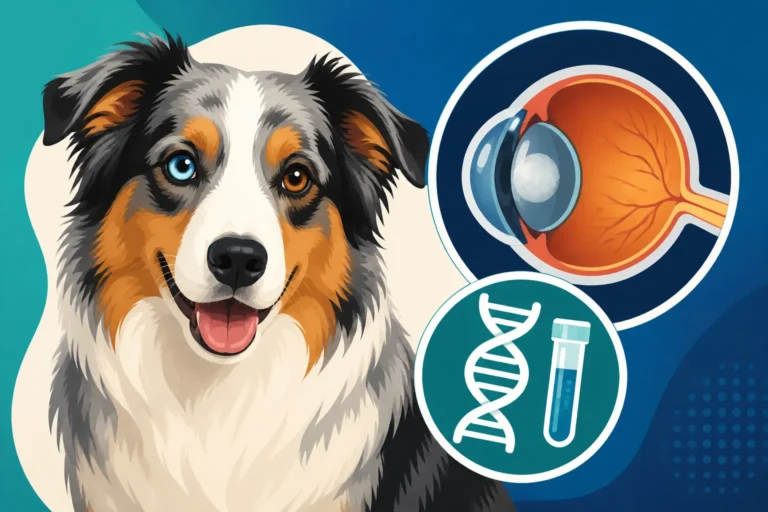
While the ACVO eye exam is excellent for detecting the physical manifestations of CEA, especially in young puppies, genetic testing offers a different, equally vital piece of the puzzle. A DNA test can definitively identify whether your Australian Shepherd carries the specific gene mutation responsible for CEA. This test can be performed at any age, and it’s especially useful for adult dogs where the "go-normal" phenomenon might have made mild cases of CEA visually undetectable. The results of a DNA test will typically classify your dog as one of three genotypes: Clear, Carrier, or Affected.
A "Clear" result means the dog does not have the CEA mutation and cannot pass it on to offspring. A "Carrier" means the dog has one copy of the mutated gene and one normal gene; they are unlikely to show clinical signs of CEA but can pass the gene to their puppies. An "Affected" result means the dog has two copies of the mutated gene and will express the disease to some degree, even if the visual signs are mild or have "gone normal." Labs like Optigen, Animal Genetics, and Embark offer reliable CEA DNA testing. The process usually involves a simple cheek swab that you can often collect at home and send to the lab. This DNA test, such as The CEA DNA Test for Australian Shepherds, provides invaluable information for breeders to make informed decisions about mating pairs and for owners to understand their dog's genetic predisposition.
Differentiating CEA from Other Eye Conditions
It’s important to remember that not all eye problems in Australian Shepherds are CEA. There are several other conditions that can affect an Aussie’s vision, and an accurate diagnosis is crucial for appropriate management. For example, Hereditary Cataracts in an Australian Shepherd can cause clouding of the lens, leading to vision loss, but this is a distinct condition with different genetic markers and progression. Similarly, Progressive Retinal Atrophy in an Aussie causes a gradual degeneration of the retina, often leading to night blindness initially and then complete blindness.
Other issues like entropion or ectropion (eyelid abnormalities), distichiasis (extra eyelashes), or even generalized retinal dysplasia can present with varying degrees of visual impairment. An experienced veterinary ophthalmologist will carefully evaluate all symptoms, perform a thorough examination, and often recommend genetic testing to rule out or confirm specific conditions. This careful differentiation ensures that your Australian Shepherd receives the correct diagnosis and, if possible, the most effective treatment or management plan. For breeders, this also reinforces the importance of running The Genetic Panel Every Australian Shepherd Needs to get a full picture of their dogs' genetic health.
Living with an Australian Shepherd Affected by CEA
Discovering your Australian Shepherd has CEA can feel overwhelming, but it doesn't have to define their life, or yours. Many Aussies with CEA lead incredibly fulfilling lives with thoughtful management and adjustments. The key is to understand the severity of their condition and proactively create an environment that supports their visual needs, allowing their intelligence and spirit to shine through.
Managing Mild CEA: Everyday Adjustments and Monitoring
For Australian Shepherds with mild choroidal hypoplasia or very small colobomas that don't significantly impair vision, everyday life might not change drastically. However, proactive adjustments and careful monitoring are still beneficial. For instance, maintaining a consistent home environment can help. Avoid frequently rearranging furniture, especially in areas where your Aussie spends a lot of time. This consistency helps them build a mental map of their space, making navigation easier, even if their depth perception is slightly off.
When you're out and about, always keep your Aussie on a leash, especially in unfamiliar or busy areas. While their vision might be "good enough," an unexpected visual anomaly or a subtle difference in terrain could lead to a misstep or a moment of disorientation. It's also wise to use clear, consistent verbal cues for directions and obstacles, like "step up" for stairs or "watch out" for approaching objects. Regular follow-up appointments with your veterinary ophthalmologist are crucial to monitor the condition. Even mild CEA can sometimes lead to complications later in life, such as late-onset retinal detachments, so staying on top of check-ups is paramount for early detection and intervention. Remember, even if a mildly affected CEA Aussie sees normally, it's important to be prepared for potential changes.
Caring for an Aussie with Vision Loss: Creating a Safe Home
If your Australian Shepherd experiences more significant vision loss due to CEA, creating a safe, predictable home environment becomes a top priority. Establishing a consistent routine is incredibly important. Feed them at the same time and in the same spot, take them for walks on the same routes, and keep their bed and toys in designated locations. Predictability reduces anxiety and helps your dog feel secure in their world. You’ll want to ensure pathways through your home are always clear of clutter. Consider baby gates to block off stairs or hazardous areas if your dog is particularly prone to falls or getting disoriented. Placing scented markers, like a few drops of essential oil on a cotton ball, near important areas like their water bowl, dog bed, or the back door, can help them locate these spots using their heightened sense of smell.
A "halo" harness or bumper collar, such as those made by Muffin's Halo Guide for Blind Dogs or The Blind Dog Halo, can be a fantastic tool to protect your dog from bumping into walls and furniture, giving them confidence to move freely. These devices act as a physical buffer, alerting the dog to obstacles before they make contact. When interacting with your vision-impaired Aussie, always speak to them before touching them to avoid startling them. Use consistent verbal commands for directions ("left," "right," "stop") and praise them enthusiastically when they navigate correctly. For dogs with significant vision impairment, consistent voice cues and a clear path forward are their world.
Coping with Blindness: Support and Resources for Owners
For Australian Shepherds that become fully or severely blind due to CEA, the adjustment can be profound for both the dog and their family. It’s a huge emotional and practical shift. However, Aussies are incredibly resilient and adaptable dogs. With patience and dedication, many blind Aussies continue to lead joyful and active lives. One of the best things you can do is maintain a positive attitude; your dog will pick up on your emotions. Continue to engage them with activities that don't rely on sight, such as scent work games, puzzle toys that dispense treats, and auditory toys. Daily walks are still important for exercise and mental stimulation, but you'll be their eyes, guiding them with a leash and verbal cues.
Connecting with support groups for owners of blind dogs can be an invaluable resource. Organizations like the Blind Dog Support Group on Facebook or local meet-ups offer a community where you can share experiences, ask for advice, and feel understood. Veterinary behaviorists can also provide guidance on managing anxiety or new behavioral issues that might arise from vision loss. Remember that your blind Aussie relies on you for safety and guidance, so be their confident leader. Just as with Living With a Deaf Australian Shepherd, adapting your communication and home environment is paramount to their well-being and happiness.
Breeding Responsibly: Preventing CEA in Future Generations
For dedicated Australian Shepherd breeders, the fight against Collie Eye Anomaly is a serious ethical responsibility. With the understanding of its genetic basis and the availability of testing, there's no excuse for knowingly breeding dogs that will produce affected puppies. Responsible breeding practices are the cornerstone of reducing the prevalence of CEA and ensuring the health of future generations of this wonderful breed.
The Ethical Breeder's Role: Genetic Testing Before Mating
The most crucial step an ethical Australian Shepherd breeder takes to prevent CEA is comprehensive genetic testing of all their breeding stock before any mating occurs. This isn't just a suggestion; it's a fundamental obligation. Reputable breeders will utilize DNA tests from reputable laboratories to determine the CEA status of every dog they intend to breed. As mentioned earlier, these tests identify whether a dog is Clear (no copies of the mutation), a Carrier (one copy), or Affected (two copies). This information is non-negotiable for making informed breeding decisions.
Beyond DNA testing, ethical breeders also ensure that their puppies undergo an ACVO eye exam between 6 to 8 weeks of age. Even if the parents are genetically clear, this early eye check can sometimes catch other congenital eye anomalies or confirm the absence of CEA in the puppies, providing an extra layer of assurance for new owners. A breeder who doesn't provide documented proof of both parental genetic testing and puppy eye exams for CEA should raise significant red flags. Their commitment to the health of their line, and by extension your future puppy, is paramount.
Understanding Carrier Status: What a 'Carrier' Result Means
When it comes to CEA, the term "carrier" can sometimes cause confusion or unnecessary alarm. A carrier Australian Shepherd has one copy of the mutated CEA gene and one normal copy. Critically, these dogs do not typically show symptoms of CEA themselves because the normal gene copy usually compensates. They have normal vision and can lead full, healthy lives. The significance of a carrier status lies solely in its implications for breeding.
An ethical breeder understands that a carrier dog can still be a valuable part of a breeding program, provided they are mated responsibly. The rule of thumb for CEA is "Clear to Carrier." This means a carrier dog can be safely bred to a dog that has tested "Clear" for the CEA gene. In such a pairing, statistically, half of the puppies will be clear, and half will be carriers. However, none of the puppies will be genetically affected with CEA, meaning none will develop the condition. What's absolutely forbidden in responsible breeding is breeding two carriers together, or an affected dog to a carrier, as these pairings guarantee the production of affected puppies. By carefully managing carrier dogs, breeders can preserve desirable traits within a bloodline without perpetuating the disease.
Making Informed Decisions: The Impact of CEA on Breeding Programs
The presence of CEA within a breeding line requires transparent and informed decision-making from breeders. It’s not just about getting tests done; it’s about understanding the results and acting on them. If a breeder discovers they have an affected dog or a high number of carriers in their line, they must critically evaluate their breeding program. This might involve choosing different mates, carefully selecting which offspring to retain for breeding, or in some cases, retiring certain dogs from breeding altogether. The goal is always to reduce the frequency of the CEA gene in the population while maintaining overall genetic diversity and health.
Open communication about CEA status between breeders and prospective puppy buyers is also essential. A buyer has the right to know the genetic health clearances of both parents and the puppy. A responsible breeder will readily provide these documents and explain what they mean. The long-term impact of CEA, if not managed, can be devastating for the breed, potentially leading to more widespread vision problems and suffering. Therefore, commitment to eradicating CEA through careful, educated breeding practices is not just a choice, but a moral imperative for anyone dedicated to the Australian Shepherd breed. This commitment includes understanding and utilizing comprehensive health testing that might also identify other conditions like Australian Shepherd Hip Dysplasia and OFA Scoring or Australian Shepherd Epilepsy Starting Between One and Five.
The Financial Realities of Australian Shepherd CEA
Beyond the emotional toll, managing Collie Eye Anomaly in an Australian Shepherd can also present significant financial considerations. From initial diagnostic tests to potential ongoing care, the costs can add up. Understanding these potential expenses is crucial for prospective owners and for budgeting as an existing Aussie parent, especially when considering preventive measures or future treatments.
Diagnostic and Monitoring Costs: What to Expect at the Vet
The initial diagnostic process for CEA primarily involves the specialized ACVO eye exam. The cost for a puppy eye exam can vary, but typically ranges from $50 to $150 per puppy. This is a one-time cost for puppies in a litter. For individual adult dogs, a full ACVO exam might be slightly more, sometimes between $100 and $250, depending on your geographic location and the specific veterinary ophthalmologist's fees. These exams are often annual recommendations for breeding dogs to screen for various hereditary eye conditions, not just CEA.
Genetic DNA testing for CEA is another cost factor. A standalone CEA DNA test usually costs between $50 and $100, but many breeders opt for comprehensive genetic panels that test for multiple conditions, including CEA, MDR1, and others. These full panels can range from $150 to $300 or more, depending on the lab and the number of tests included. While these are initial costs, for a dog with mild CEA, ongoing monitoring might involve annual or bi-annual check-ups with an ophthalmologist, adding recurring expenses over their lifetime. These visits ensure that the condition hasn't progressed or led to secondary complications.
Long-Term Care Expenses: Special Needs and Equipment
For Australian Shepherds with more severe forms of CEA leading to significant vision impairment or blindness, long-term care can involve additional expenses. While there's no cure for CEA itself, surgical intervention might be necessary if complications like retinal detachment or severe intraocular hemorrhage occur. Retinal reattachment surgery is highly specialized and can be very costly, ranging from $3,000 to $10,000 or more per eye, with no guarantee of success. Medication might also be prescribed to manage secondary issues like glaucoma, if it develops, or to address pain if there are severe hemorrhages.
Beyond medical treatments, you might invest in specialized equipment to help your blind or visually impaired Aussie navigate their world. This could include a halo vest or bumper collar (ranging from $70 to $200), textured mats for specific areas, or specialized puzzle toys that engage other senses (costing $20-$50 each). There might also be costs associated with modifying your home, such as adding baby gates ($30-$80 each) or ramp access ($100-$300). While these might seem like small individual expenses, they can add up over the years, contributing to the overall cost of providing a fulfilling life for your special needs Aussie.
Pet Insurance and CEA: Coverage Considerations
When considering the financial aspects of CEA, pet insurance can be a valuable tool, but understanding its limitations, particularly regarding pre-existing conditions, is critical. Most pet insurance policies, including those from providers like Healthy Paws, will not cover conditions that are deemed "pre-existing." This means if your Australian Shepherd is diagnosed with CEA before you enroll them in a policy or before the waiting period ends, any costs related to CEA will likely not be covered. This is why it’s often advised to enroll puppies in pet insurance as early as possible.
However, if your Australian Shepherd is enrolled in pet insurance before any signs of CEA appear and before a diagnosis is made, and the condition is not noted as a pre-existing condition, then diagnostic tests, specialist visits, and potentially even surgical interventions for severe complications could be covered, depending on your specific policy's terms, deductible, and reimbursement rates. Some policies might also have specific exclusions for hereditary or congenital conditions, so always read the fine print carefully. For an understanding of general costs, you might want to review what Australian Shepherd Insurance at $35 to $55 a Month entails, but always check the specifics regarding hereditary eye conditions with any insurer.
| CEA Severity | Symptoms Typically Observed | Potential Impact on Vision | Estimated Annual Vet Costs (Excluding Major Surgery) |
|---|---|---|---|
| Mild | None to very subtle clumsiness in low light | Negligible to slight reduction in depth perception | $50 – $150 (Annual/biannual ophthalmologist check) |
| Moderate | Noticeable clumsiness, hesitation in new places, bumping into objects | Mild to moderate vision impairment, blind spots | $150 – $300 (More frequent specialist check-ups) |
| Severe | Frequent bumping, disorientation, reluctance to move, complete blindness | Significant to total vision loss | $300 – $600+ (Regular specialist care, medication if complications arise) |
| Complicated (e.g., Retinal Detachment) | Sudden and severe vision loss, pain, secondary glaucoma | Permanent vision loss, potential for eye removal | $500 – $1,000+ (Acute care, emergency vet, medication) |
Note: Costs are estimates and can vary significantly based on location, specialist fees, and specific medical needs.
Support and Community for CEA-Affected Australian Shepherds
Navigating life with an Australian Shepherd affected by CEA, especially in its more severe forms, can feel isolating. However, you're not alone. A robust community of owners, breeders, and veterinary professionals exists, offering a wealth of knowledge, empathy, and practical advice. Tapping into these resources can make all the difference in providing the best possible care for your companion and finding support for yourself.
Connecting with Other Owners: Online Forums and Groups
One of the most powerful tools for any pet owner dealing with a health challenge is connecting with others who understand. Online forums and social media groups dedicated to Australian Shepherds with special needs, or specifically to blind and visually impaired dogs, are invaluable. Groups on platforms like Facebook, such as "Blind Dog Support Group" or "Australian Shepherd Health & Genetics Institute (ASHGI) Discussion Group," offer a safe space to share experiences, ask practical questions (e.g., "What kind of toys do your visually impaired Aussies enjoy?"), and receive emotional support.
These communities are often filled with seasoned owners who have learned countless tips and tricks for modifying their homes, training their dogs, and enriching their lives despite vision challenges. You can find recommendations for specific products, share your frustrations, and celebrate your dog's triumphs. The collective wisdom and empathy found in these groups can provide a tremendous boost, helping you feel empowered rather than overwhelmed. Many owners who have learned to communicate effectively with their dogs, even those who need to An Aussie That Stops Reading the Room or are dealing with Hearing Loss in an Aging Australian Shepherd, are happy to share their journey.
Working with Veterinary Specialists: Ophthalmic Experts
While your primary veterinarian is an essential partner in your Australian Shepherd's overall health, working with a board-certified veterinary ophthalmologist is crucial for managing CEA. These specialists have advanced training and equipment to diagnose, monitor, and, if possible, treat eye conditions. They can provide the most accurate assessment of your dog's specific CEA presentation, discuss prognosis, and recommend the best course of action. They can help differentiate CEA from other eye conditions and provide the expertise needed for potential surgical interventions or ongoing medication.
Don't hesitate to seek a second opinion from another ophthalmologist if you feel unsure or want more clarity on your Aussie's condition. Building a strong relationship with a trusted specialist is key to long-term care. They can offer advice on diet, lifestyle adjustments, and even help you anticipate future challenges. Many ophthalmologists are also connected to local resources and support networks, which they can recommend to help you and your Aussie thrive.
Advocacy and Education: Raising Awareness for CEA
For those passionate about the Australian Shepherd breed, becoming an advocate for CEA awareness and education is a powerful way to make a difference. This can involve supporting organizations like the Australian Shepherd Health & Genetics Institute (ASHGI), which is dedicated to collecting and disseminating information about genetic diseases in Aussies, including CEA. ASHGI provides resources for breeders and owners, champions responsible breeding practices, and sometimes supports research into canine health issues.
You can contribute by sharing your own experiences with CEA responsibly, educating new Aussie owners about the importance of genetic testing and puppy eye exams, and promoting ethical breeding practices. Participating in local breed club events, even just by having conversations, can help spread knowledge. By raising awareness, you help future Australian Shepherd puppies avoid the challenges of severe CEA, contributing to a healthier and happier breed overall. It's a commitment that helps ensure the future of this incredible breed, aligning with the broader goals of promoting Australian Shepherd Lifespan Across Twelve to Fifteen Years through diligent health management.
Disclaimer
This article is intended for informational purposes only and does not constitute veterinary advice. Always consult with a qualified veterinarian or a board-certified veterinary ophthalmologist for any health concerns or before making any decisions about your Australian Shepherd's care, diagnosis, or treatment. Genetic conditions can be complex, and only a professional can provide tailored advice for your specific situation.