Thyroid Disease Behind a Flat Aussie Coat
It's incredibly frustrating when you notice changes in your beloved Australian Shepherd's coat – perhaps it's losing its luster, feeling thin, or even falling out in patches. You brush, you bathe, you try different foods, but nothing seems to bring back that vibrant, thick double coat you adore. This guide is here to help you understand if these perplexing coat changes might be more than just a seasonal shed, exploring the connection to thyroid disease and what you can do about it.
Understanding Hypothyroidism in Australian Shepherds
When we talk about hypothyroidism in dogs, we're primarily referring to an underactive thyroid gland, meaning it's not producing enough thyroid hormones. These hormones are absolutely crucial for regulating metabolism across virtually every cell in your Aussie's body. If the thyroid isn't pulling its weight, it can throw a lot of systems out of whack, often starting with those noticeable changes in the coat.
What is Hypothyroidism and Why Aussies Are Susceptible
Hypothyroidism is one of the most common endocrine disorders in dogs, and unfortunately, certain breeds, including our smart, energetic Australian Shepherds, seem to have a higher predisposition to it. While it can occur at any age, it's most frequently diagnosed in middle-aged dogs, typically between four and ten years old. The most common cause, making up over 95% of cases, is what vets call primary hypothyroidism. This generally falls into two categories: lymphocytic thyroiditis or idiopathic thyroid atrophy.
Lymphocytic thyroiditis is an autoimmune disease where the dog's own immune system mistakenly attacks and destroys the thyroid gland. It's essentially the body seeing its own thyroid tissue as a foreign invader. This is particularly relevant for Aussies, given their genetic predispositions to various autoimmune conditions. Understanding if your Aussie is predisposed to issues like Australian Shepherd Autoimmune Thyroiditis can sometimes give you a heads-up, though symptoms often don't appear until enough of the gland is damaged. Idiopathic thyroid atrophy, on the other hand, is a fancy way of saying the thyroid gland just wastes away for unknown reasons, gradually shrinking and losing its function. Both processes lead to the same outcome: insufficient thyroid hormone production. It's not something you could have prevented by feeding a special diet or exercising more; it's an internal issue with the gland itself.
The Role of the Thyroid Gland in Overall Health
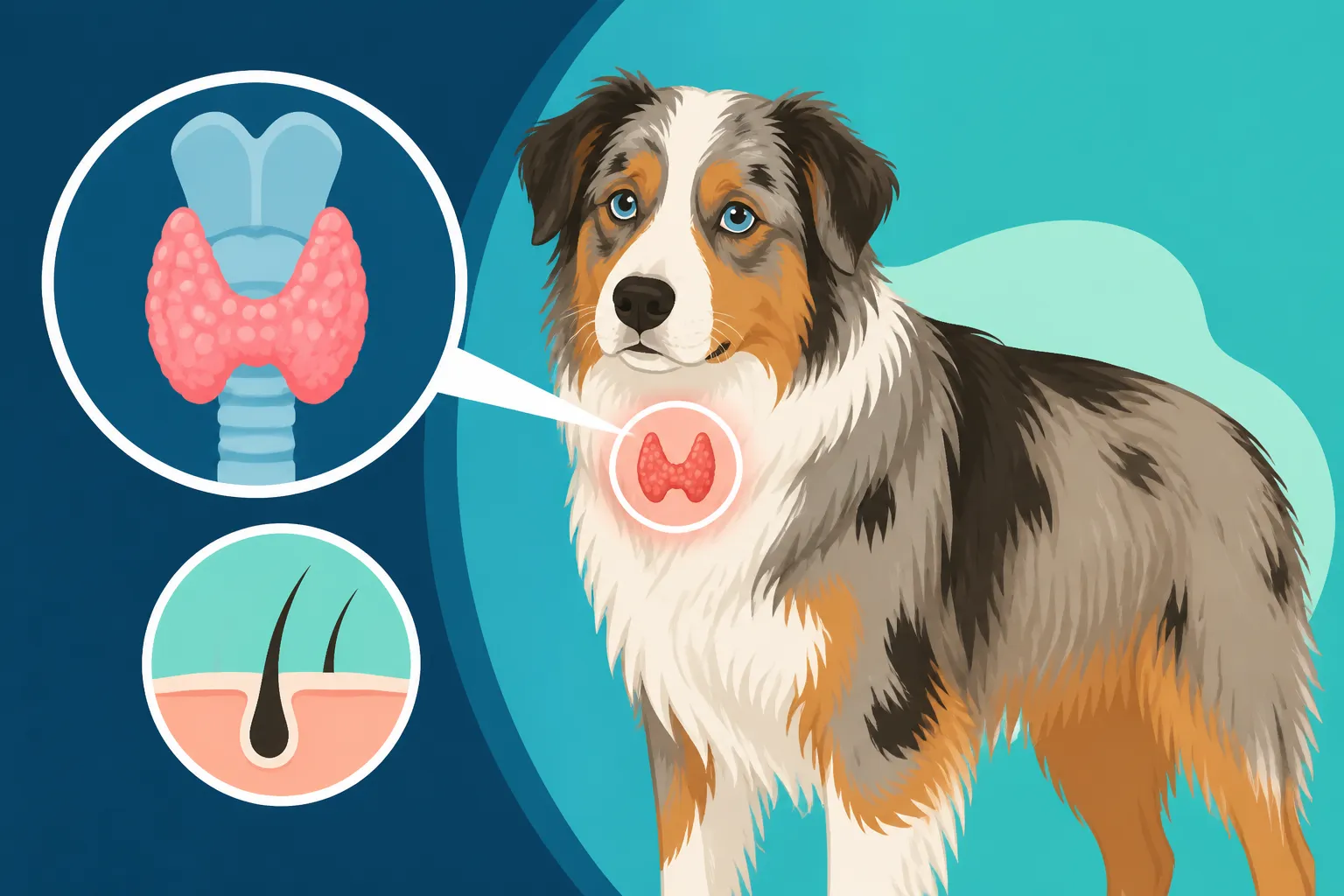
Imagine your thyroid gland as the master conductor of your Aussie's metabolic orchestra. Located in the neck, this small, butterfly-shaped gland produces two main hormones: thyroxine (T4) and triiodothyronine (T3). These hormones are like the gas pedal for every cell, influencing everything from how fast your dog burns calories to the rate at which their hair grows and even their cognitive function.
When these hormones are in short supply, everything slows down. This can manifest in a myriad of ways beyond just skin and coat issues. For instance, a hypothyroid Aussie might start gaining weight despite no changes in their diet or activity level, simply because their metabolism isn't running efficiently. Their energy levels might plummet, turning a once enthusiastic, always-on-the-go companion into a couch potato. They might even develop a dull, listless demeanor, or become sensitive to cold, seeking out warm spots in the house. This broad impact is why diagnosing hypothyroidism can sometimes be tricky – its symptoms often mimic other conditions, making it a real head-scratcher for owners and vets alike until specific testing is done.
Recognizing the Subtle Signs Beyond Just Coat Changes
While a lackluster coat is often the first visual cue for many Aussie owners, hypothyroidism can present with a wide array of other, sometimes vague, symptoms that can easily be mistaken for normal aging or other health problems. It's crucial to be a diligent observer of your dog's overall well-being, noting any shifts, no matter how small they seem.
Behavioral Shifts and Energy Levels
One of the most disheartening changes to witness in a hypothyroid Australian Shepherd is a noticeable drop in their characteristic zest for life. Aussies are renowned for their boundless energy, their quick minds, and their eager-to-please attitudes. When they start to become lethargic, sluggish, or generally less engaged, it’s a red flag. You might notice your dog is no longer as excited for their daily walks, preferring to nap instead of chasing a ball, or perhaps they're slower to react to commands they once knew instantly. Their usual spirited greeting might be replaced by a more subdued wag of the tail, or they might seem less interested in interactive play.
This decrease in energy isn't just about physical tiredness; it can also affect their cognitive function. Some owners report their hypothyroid Aussies seem a bit "off," perhaps An Aussie That Stops Reading the Room, appearing less alert, less responsive, or even showing mild signs of disorientation. This mental dullness is a direct result of the slowed metabolism affecting brain function. It’s not uncommon for these changes to be gradual, making them hard to pinpoint until they become quite pronounced, leading owners to wonder if their dog is just getting old prematurely.
Weight Gain and Temperature Sensitivity
Another common and often frustrating symptom is unexplained weight gain. You might be meticulous about your Aussie’s diet and exercise, yet the pounds creep on. This isn’t a matter of overeating; it’s a metabolic slowdown. The body simply isn't burning calories as efficiently as it should be, leading to fat accumulation. Your dog might look rounder, less agile, and just generally heavier, despite your best efforts to maintain their ideal working weight. This can be particularly concerning for an active breed like the Australian Shepherd, as extra weight puts undue strain on their joints.
Along with weight gain, many hypothyroid dogs develop an intolerance to cold. Their internal thermostat is essentially broken. You might see your Aussie, even with their thick double coat, shivering on a cool day, seeking out sunny spots, or burrowing under blankets more than usual. Conversely, some dogs with hypothyroidism struggle to regulate their body temperature in general, leading to them being uncomfortable in mild weather too. It’s an interesting paradox, as their dense coat would usually make them quite resilient to cooler temperatures, making this sensitivity a clear deviation from the norm.
Other Less Obvious Physical Indicators
Beyond the more common signs, hypothyroidism can manifest in a variety of other physical ways that might not immediately scream "thyroid problem." For example, some Aussies might develop chronic ear infections that recur despite treatment, or recurrent skin infections that don't seem to clear up completely. These are often linked to the compromised immune system and reduced skin health associated with low thyroid hormone levels.
You might also observe changes in their reproductive cycles if your Aussie is intact. Females might experience irregular heat cycles or even infertility, while males might show decreased libido or sperm count. Another subtle sign can be the thickening of the skin, particularly on the face, which can give them a somewhat tragic or "puffy" expression. This is due to the accumulation of mucopolysaccharides in the skin, a condition sometimes referred to as "myxedema." Rarely, very severe, untreated hypothyroidism can lead to a condition called myxedema coma, which is a life-threatening emergency. While these less common signs might not be the first things you notice, they are important pieces of the puzzle for a vet to consider.
The Impact of Thyroid Dysfunction on an Aussie's Coat and Skin
This is often the symptom that brings Aussie owners to the vet, and for good reason. The luxurious, weather-resistant double coat of an Australian Shepherd is one of their defining features, and when it starts to falter, it's a clear signal that something is amiss internally. Thyroid hormones play a direct role in the hair growth cycle, so when they're deficient, the effects become visibly apparent.
The Classic "Flat Coat" and Hair Loss Patterns
One of the hallmark signs of hypothyroidism in an Australian Shepherd is what many owners and vets describe as a "flat coat." Instead of the thick, plush, and somewhat coarse outer guard hairs that give the Aussie their characteristic look, the coat becomes dull, dry, and brittle. It may lose its natural sheen and feel unusually soft or "puppy-like" to the touch, almost fuzzy, lacking the protective texture of a healthy adult coat. This isn't just an aesthetic issue; a compromised coat can affect their ability to regulate body temperature and protect their skin. This is distinct from regular shedding or a seasonal coat blow; it's a fundamental change in the quality and regrowth of the hair.
Hair loss, or alopecia, is also incredibly common. It often appears symmetrically on both sides of the body, particularly on the trunk, flanks, and tail, sometimes leaving a "rat tail" appearance where the hair on the tail thins dramatically. You might notice areas of thinning or complete baldness, especially where there's friction, such as on the chest or under the collar. Interestingly, the hair on the head and legs is often spared. The hair growth cycle becomes prolonged, meaning old hairs fall out but new ones don't grow back effectively, leading to patchy or diffuse hair loss. If you've ever had your Aussie’s coat feel strangely thin or observed patches of hair that just aren't growing back, this could be a major clue, directly tying into conditions like Hypothyroidism and a Dull Australian Shepherd Coat.
Secondary Skin Issues and Infections
The problems don't stop at hair loss. The skin itself becomes highly vulnerable when thyroid hormone levels are low. Due to the slowed metabolism and compromised immune function, the skin can become dry, flaky, and more prone to developing a greasy texture. This creates a perfect breeding ground for secondary bacterial and yeast infections. You might notice your Aussie developing recurrent skin infections, often presenting as redness, pustules, or scabs, particularly in the areas where hair is thinning. These infections can be intensely itchy, leading your dog to scratch, lick, and chew, which only exacerbates the problem and can lead to "hot spots" – localized areas of inflamed, infected skin.
The skin might also thicken and darken, a condition known as hyperpigmentation, especially in chronic cases. This darkening often occurs in the armpits, groin, and other areas where skin rubs together. The combination of dry, flaky skin, grease, hair loss, and recurring infections can make your Aussie quite uncomfortable and miserable. It's a vicious cycle where the underlying thyroid problem weakens the skin's defenses, leading to infections that further damage the skin and coat.
Coat Texture and Color Changes
Beyond just being flat and dull, the texture of your Australian Shepherd’s coat can change dramatically. The undercoat, which is normally soft and dense, might become sparse, while the guard hairs can feel brittle and break easily. This loss of integrity makes the coat more susceptible to matting and less effective as insulation. For Aussies with merle patterns, the colors might appear faded or muted, losing some of their vibrant contrast. On tricolor Aussies, the copper points might seem duller or less defined. Even solid-colored Aussies might appear to have a generally washed-out look.
Sometimes, you might also notice a subtle change in the actual color of the fur itself, though this is less common than the dullness and texture changes. This can be particularly noticeable in red merle or red tricolor Aussies, where the rich red tones can take on a more brownish or diluted appearance. These subtle shifts in color and texture are all part of the story the thyroid gland is telling through your dog's outer appearance, indicating an internal imbalance that needs attention.
Diagnosing Thyroid Disease: A Step-by-Step Approach
If you suspect your Australian Shepherd might be suffering from hypothyroidism, a trip to your veterinarian is the crucial first step. Diagnosing thyroid disease isn't always straightforward because many of the symptoms are vague and can overlap with other health issues. It requires a careful and systematic approach to ensure an accurate diagnosis.
Initial Veterinary Examination and Blood Work
Your vet will start with a thorough physical examination, assessing your Aussie’s overall condition, listening to their heart and lungs, palpating their abdomen, and paying close attention to their skin and coat. They’ll look for the classic signs like symmetrical hair loss, dry skin, and any evidence of secondary infections. During this visit, it's incredibly important to provide a detailed history of your dog's symptoms, including when they started, how they've progressed, and any other changes you've observed in their behavior, appetite, or energy levels. Don't forget to mention any specific concerns like Australian Shepherd Skin, Coat and Allergy Problems that might seem unrelated but could be part of the picture.
Following the physical exam, your vet will likely recommend a routine complete blood count (CBC) and a biochemistry panel. While these tests don't directly diagnose hypothyroidism, they can provide valuable insights into your dog's general health and help rule out other conditions that might be causing similar symptoms. For example, the CBC might reveal anemia, which can sometimes be associated with hypothyroidism, while the biochemistry panel could indicate elevated cholesterol levels, another common finding in hypothyroid dogs. These initial blood tests lay the groundwork, helping to narrow down the possibilities before delving into specific thyroid diagnostics.
The Comprehensive Thyroid Panel and Interpretation
The definitive diagnosis of hypothyroidism requires specific thyroid hormone testing. Historically, vets might have just run a total T4 (TT4) test. However, a single TT4 measurement can be influenced by many non-thyroidal illnesses, certain medications (like steroids or NSAIDs), and even stress, leading to false low results. This is often called "euthyroid sick syndrome," where the body temporarily lowers thyroid hormones due to other systemic illness, even if the thyroid gland itself is healthy.
Therefore, your vet will likely recommend a more comprehensive thyroid panel. This usually includes:
- Total T4 (TT4): Measures all T4 in the blood (bound and unbound).
- Free T4 (fT4): Measures only the unbound, biologically active form of T4. This is generally less affected by non-thyroidal illnesses.
- Total T3 (TT3) and Free T3 (fT3): Less useful for diagnosis as T3 levels can fluctuate more.
- Canine Thyroid Stimulating Hormone (cTSH): Produced by the pituitary gland, TSH tells the thyroid to make more hormones. In primary hypothyroidism, the pituitary senses low T4/T3 and tries to compensate by producing more TSH. So, a high cTSH with a low fT4 is highly indicative of hypothyroidism.
- Thyroglobulin Autoantibodies (TgAA): These antibodies indicate an autoimmune attack on the thyroid gland (Australian Shepherd Autoimmune Thyroiditis), which is the most common cause of hypothyroidism in Aussies.
Interpreting these results requires expertise. A classic hypothyroid profile in an Aussie would show low fT4, low TT4, and high cTSH. The presence of TgAA further supports an autoimmune cause. Your vet might recommend specialized labs for these tests, and some breeders even do baseline Testing an Australian Shepherd Thyroid at Two Years as part of routine health checks. This full panel gives the most accurate picture, helping to avoid misdiagnosis and ensuring your dog gets the right treatment.
Ruling Out Other Conditions with Similar Symptoms
Because hypothyroidism can be a great mimic, your vet will also work to rule out other conditions that present with similar symptoms. For example, hair loss can be caused by allergies, flea infestations, Cushing's disease (another endocrine disorder), skin mites (like demodex), or even nutritional deficiencies. If your Aussie is dealing with Australian Shepherd Skin, Coat and Allergy Problems, these could easily mask or mimic thyroid issues.
Weight gain can be due to overfeeding, lack of exercise, or other metabolic conditions. Lethargy can be a sign of many illnesses, from heart disease to joint pain or even depression. This is why the comprehensive thyroid panel is so vital, as it helps differentiate true hypothyroidism from these other possibilities. Your vet might suggest additional diagnostic tests, such as skin scrapings to check for mites, allergy testing, or imaging studies, depending on the symptoms. It’s a process of elimination to ensure that when a diagnosis of hypothyroidism is made, it’s truly the correct one, allowing for effective treatment to begin.
| Symptom Category | Hypothyroidism Indicators (Common) | Other Conditions to Rule Out |
|---|---|---|
| Coat/Skin | Dry, brittle, "flat" coat, symmetrical hair loss | Allergies, parasites (mites, fleas), Cushing's, diet |
| Secondary skin infections, hyperpigmentation | Bacterial/yeast infections, hot spots | |
| Energy/Behavior | Lethargy, decreased activity, mental dullness | Aging, arthritis, heart disease, depression |
| Weight/Metabolism | Unexplained weight gain, cold intolerance | Overfeeding, insufficient exercise, other endocrine |
| Other | Chronic ear infections, "tragic" expression | Allergies, specific ear conditions |
Managing Hypothyroidism: Treatment and Long-Term Care
Once your Australian Shepherd has received a confirmed diagnosis of hypothyroidism, the good news is that it's a very manageable condition. While it requires a lifelong commitment, the treatment is relatively straightforward, and the vast majority of dogs respond incredibly well, often showing dramatic improvement in their symptoms.
The Lifelong Commitment to Medication
The cornerstone of treating canine hypothyroidism is hormone replacement therapy, specifically with synthetic L-thyroxine (levothyroxine). This medication is essentially a synthetic version of the T4 hormone your Aussie's body isn't producing enough of. It's usually given orally, once or twice a day, depending on your vet's recommendation and your dog's response. This isn't a temporary fix; it's a lifelong medication, much like a human with an underactive thyroid would take.
It's important to administer the medication consistently at the same time each day, ideally on an empty stomach, or at least two hours before or after food, as food can interfere with absorption. Your vet will prescribe an initial dosage based on your Aussie’s weight and the severity of their symptoms. It's crucial not to adjust the dosage yourself, even if you feel your dog is doing better or worse; any changes must be made under veterinary guidance. The cost of this medication varies depending on the size of your dog and the brand, but it's generally quite affordable, though it does become a regular monthly expense to factor into your budget. This is where pet insurance, like a plan from Healthy Paws, can sometimes help cover the ongoing costs of a chronic condition once diagnosed and enrolled.
Monitoring Treatment Effectiveness and Adjusting Dosages
Starting your Aussie on L-thyroxine isn't a "set it and forget it" situation. Regular monitoring is absolutely essential to ensure the medication is working correctly and that your dog is receiving the optimal dose. Typically, your vet will schedule follow-up blood tests about 4-8 weeks after starting treatment or after any dosage adjustment. These blood tests, often a TT4 and cTSH, are usually taken 4-6 hours after the morning dose of medication. This timing is important because it reflects the peak blood concentration of the hormone, giving your vet the best picture of how the body is utilizing the medication.
What your vet is looking for is for your Aussie's thyroid hormone levels (specifically TT4) to fall within the upper half of the normal reference range, and for the cTSH level to decrease back into the normal range. If the levels are still too low, the dosage will be increased. If they're too high, indicating your dog is over-supplemented, the dosage will be reduced. Over-supplementation, though rare, can lead to symptoms similar to hyperthyroidism, such as restlessness, increased appetite, and excessive thirst. Once stable, most Aussies require monitoring every 6-12 months, or sooner if new symptoms arise. Consistent follow-ups are key to maintaining your Aussie's quality of life. For a deeper understanding of ongoing blood work, consider discussions on topics like Bloodwork Worth Running on a Senior Aussie.
Dietary Considerations and Nutritional Support
While L-thyroxine is the primary treatment, supporting your Aussie's overall health through diet can also play a role, especially in addressing some of the secondary symptoms. There isn't a specific "hypothyroidism diet," but a high-quality, balanced diet is always recommended. For Aussies who have gained weight due to their condition, working with your vet to implement a controlled-calorie diet will be important to help them shed those extra pounds once their metabolism is normalized by the medication. Discussions around What Changes in an Aussie Bowl at Eleven are good starting points for understanding dietary adjustments over a dog's life.
Some owners explore supplements like Omega-3 fatty acids, which can support skin and coat health, helping to restore that lost luster and reduce inflammation, and zinc, which is vital for skin and immune function. However, always consult your vet before adding any supplements, as some can interfere with thyroid hormone absorption or other medications. Ensuring good dental hygiene is also important, as an Aussie with compromised immunity can be more prone to dental issues. Proper nutrition, alongside diligent medication and regular vet check-ups, forms the holistic approach to managing this chronic condition, allowing your Australian Shepherd to thrive once again.
Living with an Australian Shepherd with Thyroid Disease
Receiving a diagnosis of a chronic condition like hypothyroidism can feel overwhelming, but for Australian Shepherd owners, it's important to remember that this is a highly manageable disease. With consistent care, your Aussie can live a full, happy, and active life, often with a complete reversal of their initial symptoms.
Maintaining Quality of Life and Regular Check-ups
The goal of treatment isn't just to normalize blood test results; it's to restore your Aussie’s quality of life. Within a few weeks to a couple of months of starting medication, you should begin to see noticeable improvements. The lethargy should lift, their energy levels will increase, and they’ll likely start to lose any excess weight. The changes in their skin and coat, while slower, will also become apparent. Hair will begin to regrow, becoming thicker and healthier, and any secondary skin infections should resolve with appropriate treatment and the restored immune function. This is why regular check-ups aren't just about blood tests; they're about assessing your dog's overall well-being and symptom resolution.
Beyond medication, maintaining a regular exercise routine that matches their restored energy levels is crucial. Engage their brilliant minds with training sessions or puzzle toys to keep them sharp. Continue to provide a balanced diet. And don't forget the grooming – even with a healthy coat, regular brushing for an Australian Shepherd is vital to manage shedding and prevent matting. For breeds like Aussies, considering long-term health, understanding their Australian Shepherd Lifespan Across Twelve to Fifteen Years helps set expectations for a journey with potential health challenges. This proactive approach to care helps ensure your Aussie enjoys every day to the fullest. A robust pet insurance policy, like those offered by Healthy Paws, can provide significant peace of mind for the ongoing costs associated with managing a chronic condition such as hypothyroidism, ensuring you can always afford the best care for your furry friend.
Understanding the Prognosis and Potential Complications
The prognosis for Australian Shepherds diagnosed with primary hypothyroidism is excellent, provided they receive consistent, lifelong treatment. Most dogs return to normal health and activity levels, with no reduction in their lifespan due to the condition itself. The key is adherence to the medication schedule and regular monitoring to ensure optimal dosing.
However, there can be potential complications if the condition goes untreated or if medication is inconsistently given. These can include severe lethargy, weight gain leading to obesity and joint problems, worsening skin and coat issues, and in very rare, severe cases, myxedema coma, which is a life-threatening emergency. Over-supplementation, while less common, also carries risks, mimicking hyperthyroidism symptoms. This is why the careful balance achieved through regular veterinary oversight is so important. When considering the long-term health of your dog, especially as they enter their later years, topics like Senior Australian Shepherd Care After Ten become particularly relevant, as chronic conditions often require more vigilant management with age.
Support for Owners of Aussies with Chronic Conditions
Living with a dog that has a chronic condition, even a manageable one like hypothyroidism, can still be a journey. It requires dedication, consistency, and sometimes, a little extra patience. It's okay to feel overwhelmed initially, but remember you're not alone. Many Australian Shepherd owners navigate similar health challenges.
Seek support from your veterinary team, who can provide resources and answer any questions you have. Connect with other Aussie owners, perhaps through breed-specific online forums or local clubs, where you can share experiences and tips. Knowing that others are walking a similar path can be incredibly reassuring. Remember that while there's a medical diagnosis, your Australian Shepherd is still the loving, intelligent companion you've always known. The treatment for hypothyroidism is about bringing them back to their best self, allowing them to enjoy many more healthy years by your side. A company like Healthy Paws can truly be a lifesaver, helping families manage the financial aspect of ongoing care, so the focus can remain squarely on their Aussie's well-being.
Disclaimer
This article is intended for informational purposes only and does not constitute medical advice. Always consult with a qualified veterinarian for any health concerns or before making any decisions about your Australian Shepherd's care or treatment.