Australian Shepherd Hip Replacement Cost Per Hip
It’s a heartbreaking moment for any Australian Shepherd owner when you realize your energetic, loyal companion is in pain, especially when that pain points to something as serious as hip dysplasia. The worry isn't just for their comfort; it quickly turns to the overwhelming question of cost, particularly for something as invasive and expensive as a hip replacement. This guide is here to walk you through the realities of Australian Shepherd hip replacement costs, breaking down what you can expect, why the price tag is so high, and how you might manage this significant financial and emotional burden.
The Challenging Reality of Australian Shepherd Hip Dysplasia
Australian Shepherds are incredible dogs – full of life, whip-smart, and deeply devoted. But like many active, medium-to-large breeds, they are unfortunately predisposed to certain genetic conditions, with hip dysplasia being one of the most common and debilitating. This isn't just a minor ache; it’s a malformation of the hip joint where the ball and socket don't fit together properly, leading to grinding, pain, and eventually, crippling arthritis. Seeing your once-boundless Aussie struggle to get up, hesitate before jumping, or limp after a short walk is a truly painful experience for any owner.
Understanding the Genetic Predisposition in Aussies
Hip dysplasia is largely inherited, meaning it’s something your Aussie puppy can be born with, even if symptoms don’t show up until later in life. While good breeding practices, like careful screening of parents through Australian Shepherd Hip Dysplasia and OFA Scoring, can reduce the risk, it’s never entirely eliminated. Environmental factors, like rapid growth from overfeeding, excessive high-impact exercise at a young age, or even just general wear and tear over the years, can exacerbate the condition. It’s a cruel twist when you know your dog's boundless energy and desire to work, which are hallmarks of the breed, might contribute to developing this painful condition.
Early signs can sometimes be subtle, a slight stiffness, a bunny hop gait, or a reluctance to play as vigorously as usual. Owners might first notice Australian Shepherd Hip Dysplasia Symptoms Before Two, sometimes even younger. As the disease progresses, the cartilage and bone can wear down, leading to painful bone-on-bone friction. This chronic pain significantly impacts your Aussie's quality of life, making everyday activities a struggle. When medication, physical therapy, and lifestyle adjustments are no longer enough to manage the pain and maintain comfort, your vet might suggest a total hip replacement (THR) as the most effective solution.
When Hip Replacement Becomes the Best Option
Deciding on hip replacement surgery is a massive step, both emotionally and financially. It’s usually considered when an Australian Shepherd is suffering from severe, chronic pain that isn't controlled by less invasive methods. These methods often include anti-inflammatory medications, joint supplements, controlled exercise, weight management, and physical rehabilitation. If your Aussie is still limping, expressing pain, or significantly restricted in their movement despite these efforts, a board-certified veterinary orthopedic surgeon might recommend THR.
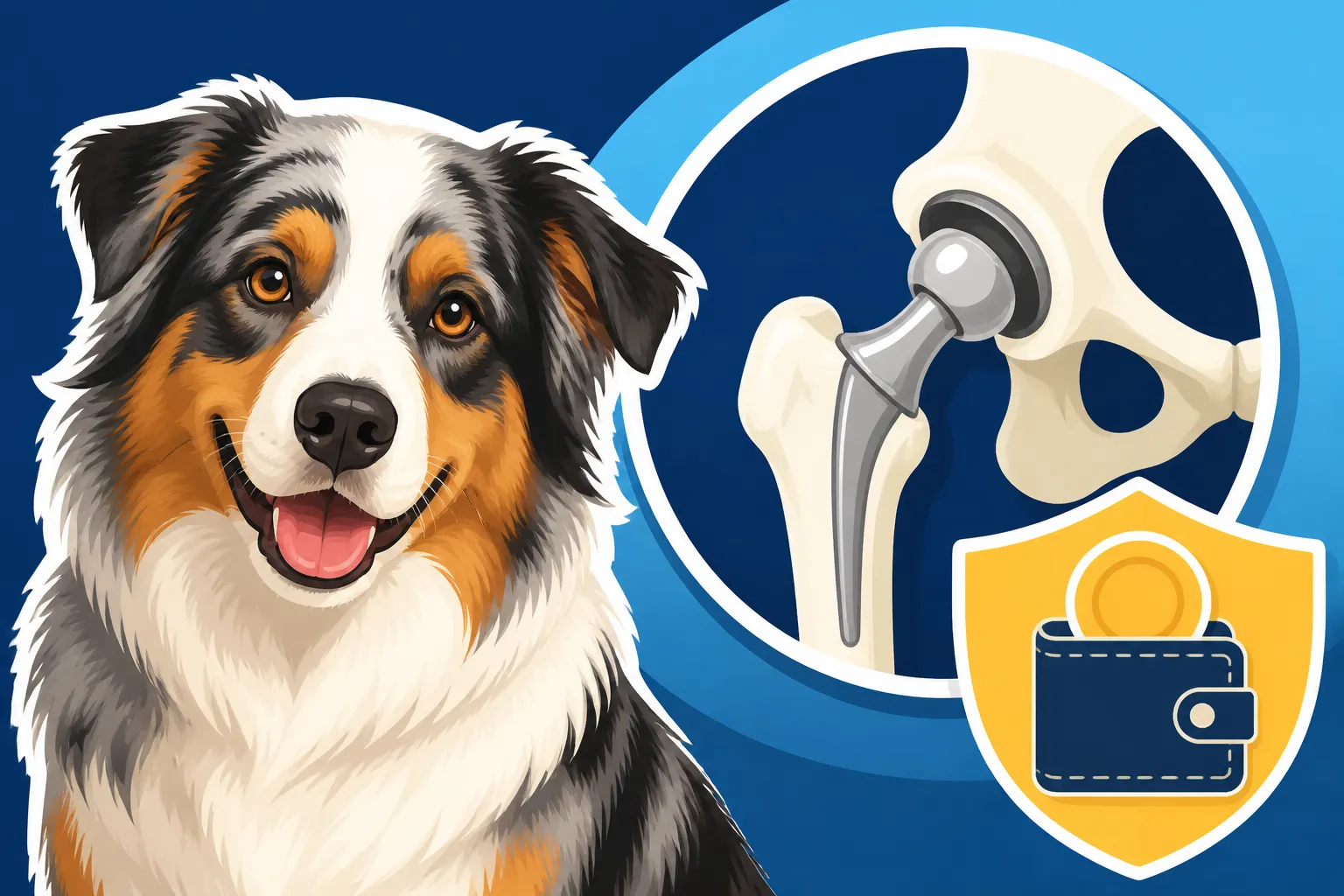
The goal of a hip replacement is to remove the diseased hip joint and replace it with artificial components, essentially giving your dog a brand-new, pain-free joint. This surgery can dramatically improve mobility and eliminate pain, allowing your Aussie to live a much more comfortable and active life. For many owners, it’s the hope of restoring their beloved companion’s zest for life that drives them to explore this option, despite the daunting cost. It’s not a decision to be taken lightly, but for dogs in severe pain, it can be life-changing.
Breaking Down the True Cost of Australian Shepherd Hip Replacement
Let’s get straight to the numbers. The cost of an Australian Shepherd hip replacement can be a real shock, ranging from $4,000 to $8,000 per hip, sometimes even more. This isn't a fixed price, and it's certainly not a budget decision you make lightly. The wide range accounts for many variables, from where you live to the specific clinic and surgeon you choose. And here’s the kicker: if one hip is bad enough to need replacement, often the other isn't far behind, potentially doubling your overall expense.
Factors Influencing the Price Tag
Several elements contribute to the final bill. Understanding these can help you prepare and ask the right questions when consulting with your vet and surgeon.
- Geographic Location: Just like human medical procedures, veterinary costs vary significantly by region. A procedure in a major metropolitan area like New York City or Los Angeles will likely be more expensive than in a rural veterinary clinic in Nebraska. This is due to overhead costs, differing labor rates, and the concentration of specialized facilities.
- Veterinary Practice and Surgeon's Expertise: A highly specialized orthopedic veterinary hospital with cutting-edge equipment and a renowned surgeon will naturally charge more than a general practice vet who occasionally performs simpler orthopedic procedures. For something as complex as a hip replacement, you absolutely want an experienced, board-certified surgeon, and their expertise comes at a premium.
- Type of Implant Used: While all artificial hip implants for dogs are designed for durability and biocompatibility, there can be slight variations in material and design. Different manufacturers and types of implants can have varying costs, which are then passed on to the client.
- Pre-Operative Diagnostics: Before surgery, a comprehensive work-up is essential. This includes advanced imaging like X-rays (often multiple views, potentially even sedation for optimal positioning), blood tests to ensure your Aussie is healthy enough for anesthesia, and potentially cardiac evaluations. These diagnostic steps are crucial for a successful outcome but add to the overall expense.
- Complexity of the Case: Sometimes, a dog’s hip dysplasia is more complicated due to severe arthritis, previous injuries, or other co-existing conditions. These complexities can prolong surgery time, require more specialized techniques, or necessitate more intensive post-operative care, all of which drive up the cost.
What’s Included in the "Per Hip" Cost
When you get a quote for a hip replacement, it’s vital to understand what that single figure encompasses. It's rarely just the surgeon's fee. Here's a typical breakdown of what you might find included:
| Cost Component | Estimated Range (Per Hip) | Notes |
|---|---|---|
| Initial Consultations/Exams | $200 – $500 | Specialist consultations, detailed physical exams. |
| Pre-surgical Diagnostics | $500 – $1,500 | X-rays, bloodwork, urinalysis, ECG, possible CT scan. |
| Surgical Fees | $2,500 – $5,000 | Surgeon's time, assistants, operating room usage, implant itself. |
| Anesthesia & Monitoring | $500 – $1,000 | Anesthesiologist, medications, continuous monitoring equipment. |
| Hospitalization (1-3 days) | $300 – $900 | Overnight stays, nursing care, pain management, IV fluids. |
| Post-operative Medications | $100 – $300 | Pain relievers, antibiotics, anti-inflammatories for home use. |
| Follow-up Visits/X-rays | $200 – $600 | Multiple checks in the weeks/months following surgery. |
| Total Estimated Cost | $4,300 – $9,800+ | This table provides general estimates. Actual costs will vary. |
As you can see, the "per hip" cost quickly adds up. This table doesn't even include the long-term rehabilitation or potential complications, which are also significant considerations. It's easy to feel overwhelmed when faced with these figures, but knowing the breakdown helps you understand where your money is going and allows you to budget more effectively. Many owners consider this a long-term investment in their Aussie's comfort and longevity.
Managing the Significant Financial Commitment for Your Aussie's Hips
The thought of a $4,000 to $8,000 bill, possibly twice, can send shivers down any pet parent's spine. It's a huge financial commitment, but there are strategies and resources available to help make it more manageable. You don't have to face this alone.
The Lifeline of Pet Insurance
This is where pet insurance truly shines. If you've been proactive and enrolled your Australian Shepherd early on, before any signs of hip dysplasia appeared, a significant portion of the hip replacement cost could be covered. Policies vary, but many cover 70-90% of eligible veterinary expenses after your deductible is met. Imagine getting a bill for $7,000 and only having to pay $700-$2,100 out of pocket (after your deductible), instead of the full amount. That’s a game-changer.
However, there’s a crucial caveat: pre-existing conditions. If your Aussie has already been diagnosed with hip dysplasia or shown symptoms before you enroll in a policy, that condition will almost certainly be excluded from coverage. This is why getting Australian Shepherd Insurance at $35 to $55 a Month early in your dog’s life is so important, ideally before they develop any major health issues. Be sure to understand Hip Dysplasia Waiting Periods on an Aussie Policy as well, as most policies have an initial waiting period before orthopedic conditions are covered. Companies like Healthy Paws are well-regarded for their comprehensive coverage, but always read the fine print.
Payment Plans and Veterinary Financing Options
Even with insurance, or if you don't have it, there are other ways to manage the cost. Many veterinary hospitals understand the financial strain of major surgeries and offer payment plans directly or through third-party services.
- CareCredit: This is a popular healthcare credit card specifically designed for medical expenses, including veterinary care. It offers various promotional financing options, often with deferred interest if the balance is paid within a certain timeframe. It can be a vital bridge to covering immediate costs.
- Scratchpay: Similar to CareCredit, Scratchpay offers simple payment plans that can be applied for quickly online. They often have higher approval rates and transparent terms, which can be a huge relief in a stressful situation.
- Clinic Payment Plans: Don't be afraid to speak openly with your veterinary clinic's financial team. They might have in-house payment options or recommendations for local organizations that offer financial aid for pet owners. Some clinics might allow you to pay off a portion of the bill over a few months, especially if you have an established relationship with them.
- Emergency Funds or Savings: This is why it’s always wise to be Saving Ahead of an Aussie Hip Surgery or any other major unexpected health event. Having a dedicated pet emergency fund can make all the difference in these situations. Think about how much of your Lifetime Vet Costs for an Australian Shepherd can be mitigated by careful planning.
Choosing Your Veterinary Team Wisely
The surgeon and the veterinary team you choose are paramount, not just for the success of the surgery but also for your peace of mind regarding costs. Seek out a board-certified veterinary orthopedic surgeon, as they have specialized training and experience. Ask for detailed quotes that break down every component of the cost. Sometimes, getting a second opinion from another specialist can provide valuable insight, both clinically and financially. While you want the best care, sometimes a reputable specialist in a slightly less expensive area might offer a more affordable option without compromising quality.
Life Beyond Surgery: Recovery and Long-Term Considerations
A successful hip replacement is just the beginning of a new chapter for your Australian Shepherd. The immediate recovery period and subsequent rehabilitation are critical for a full return to function and avoiding complications. It's a journey that requires patience, dedication, and continued financial commitment.
The Road to Recovery and Rehabilitation
Post-surgical care is just as important as the surgery itself. Your Aussie will need strict activity restrictions for several weeks to months, meaning no running, jumping, or roughhousing. This can be particularly challenging for a high-energy breed like the Australian Shepherd! They will need help getting around, often using slings or harnesses for support.
Physical therapy is almost always recommended and is a non-negotiable part of the recovery process. This can include:
- Hydrotherapy (underwater treadmill): Reduces impact on the joint while strengthening muscles.
- Therapeutic exercises: Gentle stretches, passive range of motion, controlled walks.
- Laser therapy: To reduce pain and inflammation and promote healing.
- Massage: To alleviate muscle stiffness.
These rehabilitation sessions are crucial but also add to the overall expense, typically ranging from $50-$150 per session, with multiple sessions required weekly for several months. Your vet or physical therapist might recommend specific supplements for joint health, and you might consider high-quality dog food options like those offered by Chewy or Ollie that are formulated with joint support in mind, often containing ingredients like glucosamine and chondroitin. While not directly surgery costs, these are essential for optimizing long-term outcomes and reducing the chances of Australian Shepherd Arthritis After Years of Work in other joints compensating for the new one.
Long-Term Wellness and Prevention
Even with a new hip, ongoing care is vital. Maintaining a healthy weight is absolutely critical for an Australian Shepherd, as How Weight Multiplies the Load on Aussie Joints can prematurely wear down even an artificial hip or cause issues in the remaining natural joints. Regular, controlled exercise tailored to your Aussie's abilities will help maintain muscle mass and joint flexibility. Continuing joint supplements, as recommended by your vet, can also be beneficial for the other joints and overall mobility.
It's also important to monitor your Aussie for any signs of discomfort in the other hip, as many dogs needing one hip replaced will eventually need the second one done. Being vigilant, staying in close communication with your vet, and maintaining a healthy lifestyle for your Aussie are the best ways to ensure they enjoy a long, comfortable, and active life post-surgery. Considering preventive measures early, like Starting Joint Support on a Young Working Aussie, can make a difference in the long run.
Disclaimer
The information provided in this article is for general knowledge and informational purposes only, and does not constitute medical advice for pets. Always consult with a qualified and licensed veterinarian for any medical concerns or before making any decisions about your pet's health or treatment plan. Costs mentioned are estimates and can vary widely based on location, veterinary practice, and individual circumstances.