An Aussie Standing Over Its Toys
Australian Shepherd resource guarding explains toy possession instincts and provides positive training methods to manage canine behavior.

Australian Shepherd resource guarding explains toy possession instincts and provides positive training methods to manage canine behavior.

Australian Shepherd dog park risks include herding instincts, overstimulation, physical injuries, and behavioral regression.

Australian Shepherd herding behavior involves circling and nipping playmates, stemming from their deep genetic roots as working livestock dogs.
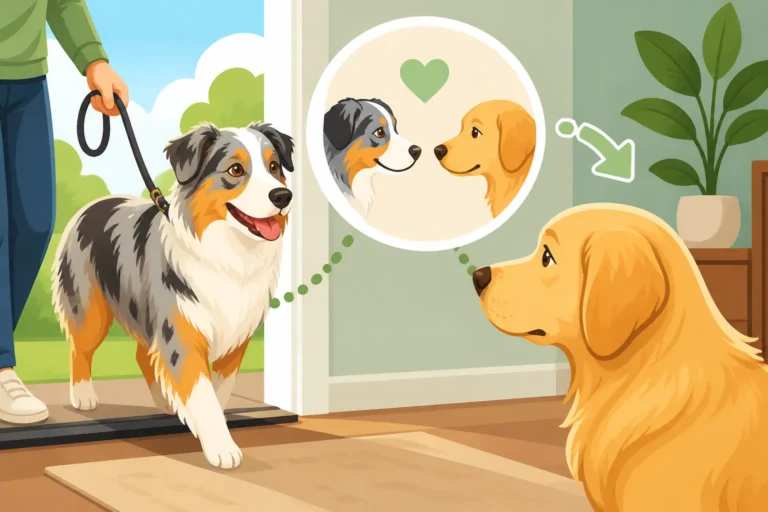
Proper home preparation, scent swapping, and neutral territory introductions help integrate an Australian Shepherd with resident dogs safely.

Australian Shepherd barking at visitors is explained, detailing natural herding instincts, territoriality, and practical management training strategies.

Australian Shepherd reactivity on walks stems from herding instincts, fear, or excitement. Learn effective techniques to manage these behaviors.
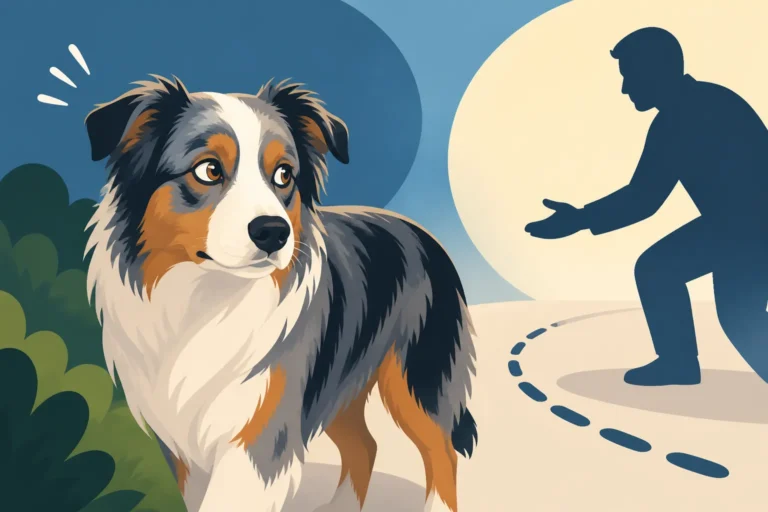
Australian Shepherd stranger wariness stems from herding instincts and genetics. Learn how to build your dog’s confidence safely.

Australian Shepherd puppy classes require small sizes, positive reinforcement, and structure to handle the breed’s intelligence and instincts.

Australian Shepherds learn to navigate busy urban environments calmly using gradual exposure, positive reinforcement, and high-value rewards.

Australian Shepherd socialization involves targeted exposure to novel people, sounds, and environments during puppyhood to build lifelong confidence.