Teaching an Aussie to Ignore People on Walks
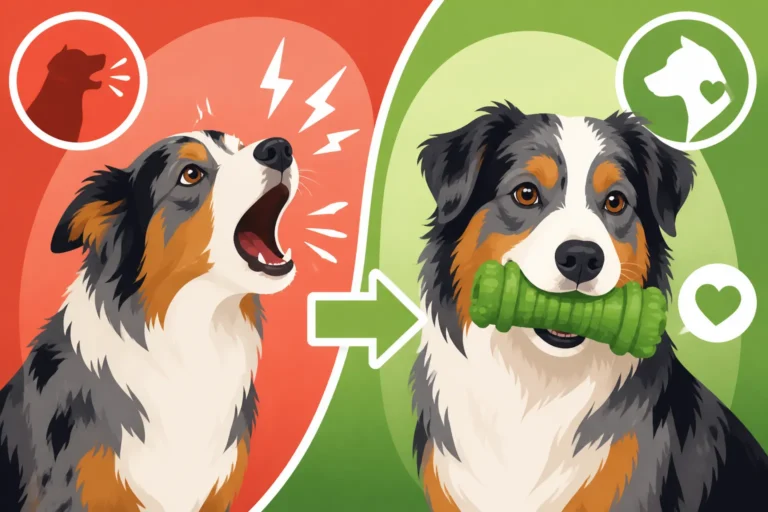
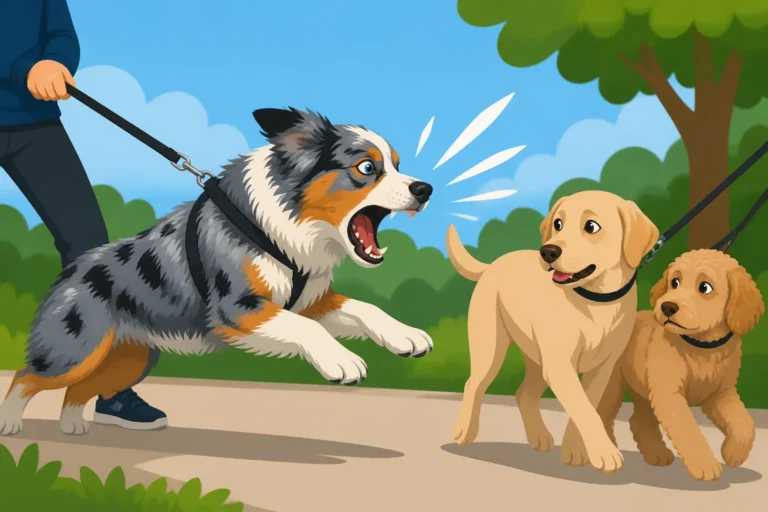
It's incredibly frustrating when you just want to enjoy a peaceful walk with your beloved Australian Shepherd, only to have it turn into a chaotic dance of barking, lunging, or intense staring every time another person appears. You love your Aussie's intelligence and energy, but sometimes that focus can feel like a laser beam pointed at every passerby, leaving you feeling embarrassed and exhausted. This guide is here to help you understand why your Australian Shepherd acts this way on walks and, more importantly, to give you practical, empathetic strategies to teach them to confidently ignore people, making your outings a joy again.
Why Your Aussie Reacts to People on Walks
Before we can even begin to tackle the "how," we need to understand the "why." Australian Shepherds are incredibly intelligent, sensitive, and observant dogs, bred to work closely with humans and livestock. Their natural instincts and sometimes their past experiences can contribute heavily to their reactions on leash. It’s rarely about malice; it’s usually about instinct, fear, or a misunderstanding of their job in a human world.
The Herding Instinct at Play
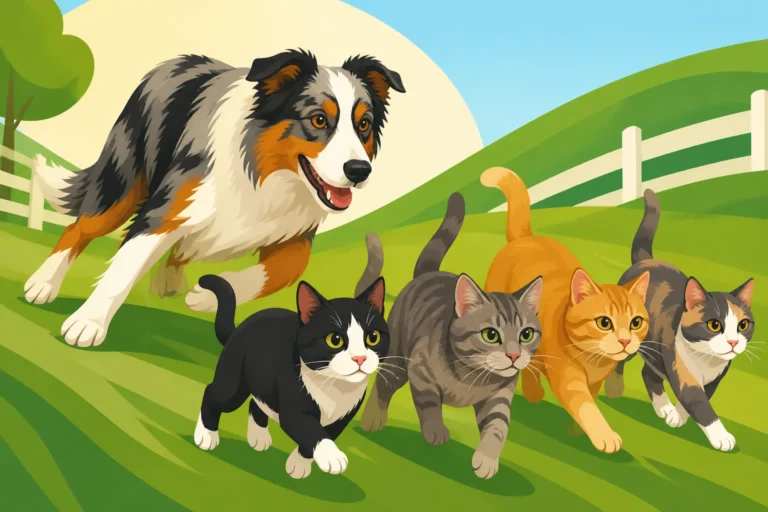
One of the most powerful drives in an Australian Shepherd is their innate herding instinct. On a ranch, this means gathering and controlling livestock. In an urban or suburban setting, with no sheep to manage, this instinct can unfortunately redirect itself to moving objects and people. A person walking by isn't just a person; it's a "thing" that needs to be moved, monitored, or kept in line.
Your Aussie might be staring intently, stiffening their body, or even trying to cut off a passerby because their brain is saying, "This person is out of position, I need to go get them!" This isn't aggression in the way we typically think of it, but rather an intense, often frustrated, desire to control their environment. Imagine having an urge so strong you can barely control it, and you start to understand what your Aussie might be feeling. This can manifest as nipping at heels, circling, or that intense, unblinking stare that makes people uncomfortable. Sometimes this can be tied back to The Australian Shepherd Herding Drive You Cannot Train Out.
Fear, Anxiety, or Over-Excitement
While herding instinct is a big piece of the puzzle, fear, anxiety, or even simple over-excitement can also drive an Aussie's reactivity. Some Australian Shepherds are naturally more reserved or sensitive to new stimuli. If they weren't properly socialized as puppies—meaning they didn't have enough positive, controlled exposure to various sights, sounds, and people—they might view strangers as a threat or something to be wary of. This can lead to barking, lunging, or trying to create distance.
On the flip side, some Aussies are simply too excited. They see a new person and want to greet them, play with them, or simply express their boundless enthusiasm. When restrained on a leash, this pent-up energy and desire to engage can boil over into frustrated barking or pulling. They might be thinking, "Look! A new friend! Why can't I go say hello right now?" What you're seeing as a "bad" behavior might just be an extreme expression of an otherwise friendly impulse that hasn't been properly channeled. This type of reaction is very close to Australian Shepherd Reactivity and Overarousal.
Lack of Early Socialization
The window for critical socialization in a puppy is relatively short, typically from around 3 to 16 weeks of age. During this time, positive exposure to a wide variety of people, environments, sounds, and experiences is crucial for developing a confident, well-adjusted adult dog. If an Australian Shepherd puppy misses out on this vital period, or if their early experiences with people were negative or overwhelming, they can grow up to be wary or reactive.
Even if an Aussie puppy received some socialization, it might not have been varied enough. Exposure only to family members or a small group of friends isn't enough to prepare them for the bustling world of strangers on a walk. They need to learn that different-looking people – men with hats, children on bikes, people with umbrellas, folks using canes – are all perfectly normal and non-threatening. Without this foundation, every new person can be a puzzle or a potential threat, leading to defensive or overzealous reactions. For a comprehensive guide on what good socialization looks like, check out The Australian Shepherd Socialization Checklist.
Setting Up for Success: Tools and Environment
Managing your Australian Shepherd's reactions on walks isn't just about training them in the moment; it's also about setting up the environment and using the right tools to give both of you the best chance of success. This involves everything from the gear you use to where and when you choose to walk.
Equipment That Helps Manage Reactivity
The right equipment can make a huge difference in your ability to manage your Australian Shepherd and keep them safe, while also preventing them from practicing unwanted behaviors. A standard flat collar might be fine for a dog that walks politely, but for an Aussie with strong herding instincts or reactivity, it often offers little control and can even put pressure on their throat, exacerbating their discomfort.
- Front-Clip Harnesses: These harnesses clip at the front of the dog's chest, rather than on their back. When your Aussie pulls, the leash redirects them to the side, turning them towards you rather than allowing them to drag you forward. This physically makes it harder for them to lunge with full force and gives you more leverage. Many popular brands are available on Amazon, and finding one that fits your Aussie's deep chest and prevents chafing is key.
- Head Halters: Devices like the Gentle Leader or Halti fit over your dog's muzzle, similar to a horse halter. They offer excellent control by steering the dog's head, and where the head goes, the body often follows. This means you can more easily direct your Aussie's attention away from a passerby. It takes time for dogs to get used to head halters, so introduce them slowly with lots of positive reinforcement.
- Long Lines: While not for direct control in a reactive situation, a long line (15-30 feet) can be invaluable for practicing recall and distance work in a safe, open area, helping your Aussie build confidence without the pressure of close encounters. You can find sturdy options for these on Amazon as well.
- High-Value Treats: These are an absolute must. Your everyday kibble likely won't cut it when your Aussie is intensely focused on a person. Think small, soft, super-tasty treats like cooked chicken, cheese, or hot dogs. These treats need to be irresistible enough to break your Aussie's focus.
It’s crucial to understand that these tools are for management and training, not quick fixes. They give you a better chance to implement the training techniques, but they don't replace the need for consistent, positive reinforcement training.
Choosing the Right Walking Locations
Where you walk your Australian Shepherd can dramatically impact their behavior. Trying to train an Aussie with strong reactivity in a bustling city center is like trying to learn to swim in a hurricane – it's just too much, too soon. You need to strategically choose environments that set your dog up for success.
Start in quiet areas with minimal distractions. This might mean walking at off-peak hours, choosing secluded paths, or even driving to a less populated park. The goal is to find a distance from people where your Aussie notices them but doesn't react. This is often referred to as walking "under threshold." If your Aussie is already barking and lunging, they are over their threshold, and training in that moment is almost impossible.
As your Aussie gets better, you can gradually increase the level of distraction. Perhaps move to a slightly busier park, or walk at a slightly busier time. The key word here is gradually. Rushing this process can lead to setbacks and reinforce unwanted behaviors. Remember, the goal is successful repetition, not quick progress at any cost.
Managing Energy Before the Walk
An under-exercised Australian Shepherd is a ticking time bomb of energy and frustration, making reactivity much harder to manage. These dogs were bred for endurance and mental engagement, and simply a quick stroll around the block won't cut it. Before you even head out for a walk where you expect to encounter people, consider giving your Aussie an energy outlet.
This could be a vigorous game of fetch in the yard, a run in a fenced area, or even a mental enrichment session with puzzle toys. Scent Games That Tire an Australian Shepherd can be particularly effective because they engage your Aussie's brain as well as their body. A dog that has burned off some initial physical and mental steam is generally more relaxed, more attentive to you, and less likely to be overstimulated by passersby. Think of it as taking the edge off their energy so they can focus better on the task at hand – which is ignoring people.
Practical Training Steps to Teach "Ignore"
Now that we've laid the groundwork with understanding your Aussie's motivations and setting up the environment, it’s time to dive into the actual training techniques. The core idea here is to change your Australian Shepherd’s emotional response to people from one of reaction (herding, fear, excitement) to one of neutrality or even positive association with you.
Engage, Treat, and Redirect
This is often the first and most crucial step in managing on-leash reactivity. The moment you spot a person in the distance, before your Aussie even has a chance to fully react, you need to become the most interesting thing in their world.
- Spot and Anticipate: Develop your observation skills. Scan ahead constantly for potential triggers (people, other dogs, cyclists). The earlier you spot them, the more time you have to act.
- Engage Early: The instant you see a person, but before your Aussie focuses on them, get your Aussie's attention. Use a happy, upbeat voice, call their name, make a silly noise, or wave a high-value treat in front of their nose. The goal is to interrupt their focus before it locks onto the person.
- Treat and Redirect: As soon as your Aussie looks at you, even for a split second, immediately mark that behavior with a verbal "Yes!" or a clicker, and then pop a high-value treat into their mouth. Keep their attention on you as the person passes. You might even walk a short distance in the opposite direction, or turn a corner, to create more space and opportunity for success. The key is to reward them for choosing to look at you instead of the distraction.
- Practice Distance: Start this exercise at a distance where your Aussie can still notice people but isn't over threshold. This might be 50 feet away, or even across the street. Gradually, over many sessions, as your Aussie becomes more comfortable ignoring people at that distance, you can decrease the space between you and the passerby.
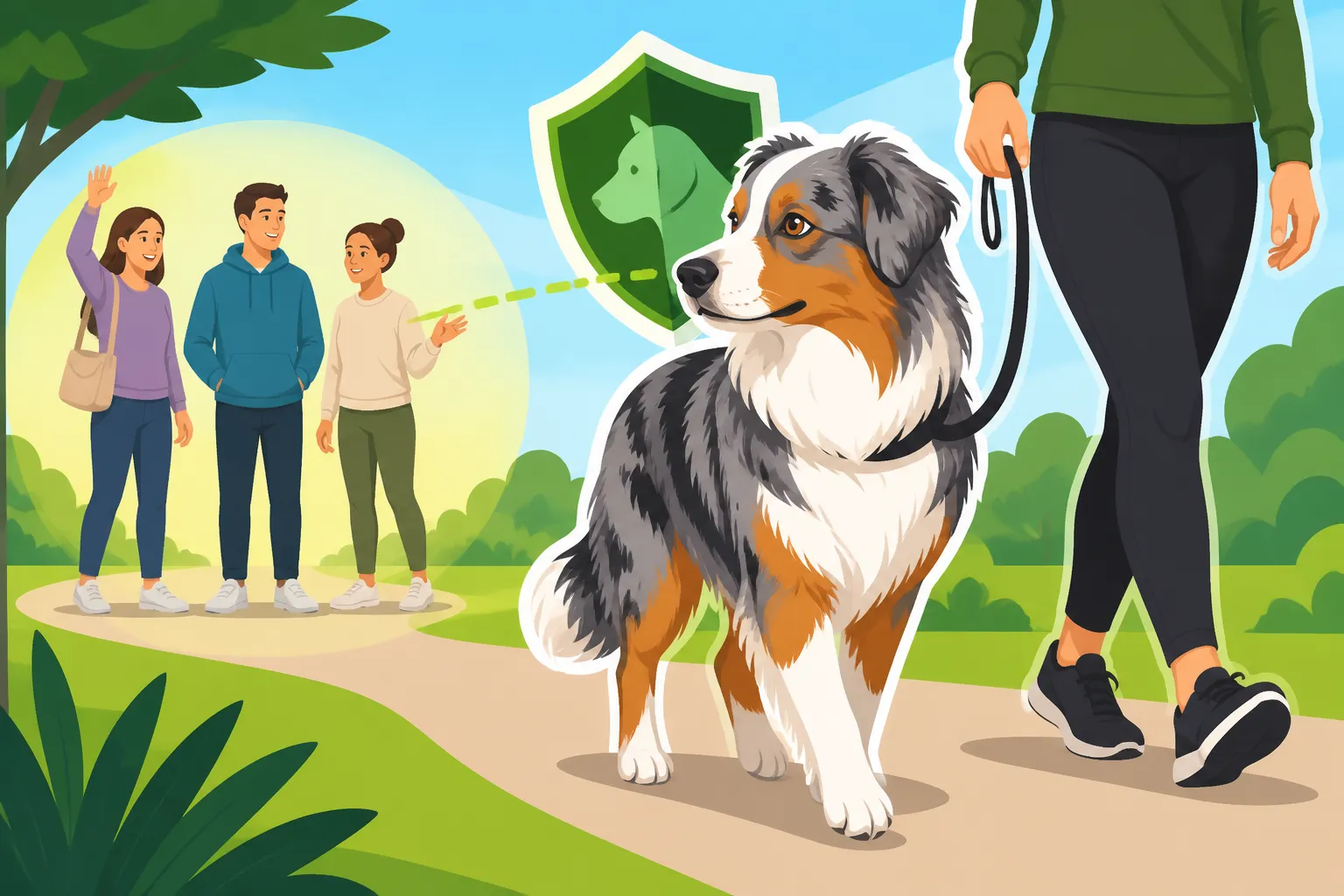
The idea is that your Aussie learns: "Person appears = great things happen from my human." This creates a positive association with the presence of a person, but also teaches them that you are the source of good things, not the stranger.
The "Look at That" Game (LAT)
The "Look at That" game is a fantastic way to proactively manage your Aussie's focus and build a positive association with perceived threats or distractions. It flips the script from "don't look at that!" to "look at that, and then look at me for a treat!"
Here's how to play:
- Spot a Trigger: As before, spot a person at a distance where your Aussie notices them but doesn't react.
- Mark the Look: The moment your Aussie looks at the person (without reacting negatively), say "Yes!" or click.
- Treat: Immediately give them a high-value treat.
- Repeat: Repeat this process. Your Aussie looks at the person, you mark and treat.
What you’re teaching is: "When I see a person, I look at them, then I automatically look back at my human because that's where the good stuff comes from." Eventually, your Aussie will start to look at the person and then voluntarily turn their head back to you, anticipating the treat. At this point, you can add a verbal cue like "Look at that!" before they spot the person, to prompt the behavior. This is a powerful technique for shifting their emotional response from alert or reactive to calm and expectant of a reward from you.
Building a Solid "Leave It"
The "Leave It" cue is indispensable for Australian Shepherds, especially those prone to fixating on things. It teaches them to disengage from a distraction, whether it's a tempting treat on the ground or, in our case, a person on a walk.
Start teaching "Leave It" in a low-distraction environment, indoors or in your yard:
- Low Value Distraction: Place a low-value treat (something your Aussie likes but isn't obsessed with) on the floor, cover it with your hand, and say "Leave it."
- Reward for Disengagement: The moment your Aussie looks away from your hand or the treat, uncover the treat, give them a different, high-value treat from your other hand, and praise them.
- Increase Difficulty: Gradually increase the difficulty:
- Place the treat on the floor uncovered.
- Step on the leash to prevent them from reaching it.
- Move further away from the treat.
- Use a higher-value treat as the "leave it" item.
- Practice with other distractions, like toys.
Once your Aussie has a strong "Leave It" indoors, start practicing it on walks with minor distractions. When you spot a person approaching, give your "Leave It" cue before they can fully engage. Reward heavily if they disengage and look at you. The key is to reward them for not engaging with the distraction, and for choosing to listen to your cue. This takes consistent practice, but a reliable "Leave It" is a game-changer for walking a reactive Aussie. This is also super helpful for preventing them from chasing after An Australian Shepherd Chasing Cars or other moving objects.
Common Pitfalls and How to Overcome Them
Training an Australian Shepherd to ignore people on walks is a journey, not a sprint. There will be good days and bad days, and it's easy to get discouraged. Understanding common challenges and how to navigate them can help you stay motivated and make steady progress.
Consistency is Key
This is perhaps the most important piece of advice for any dog training, but especially so for an intelligent and routine-oriented breed like the Australian Shepherd. If you're inconsistent – sometimes letting them react, sometimes trying to train – your Aussie will get mixed signals, and the behavior will be much harder to extinguish. Every walk needs to be a training opportunity.
This means that even if you're tired, or running late, you still need to be "on" and actively managing your Aussie. If you can't commit to a training walk, consider a decompression walk in a very secluded area where you know you won't encounter people, or a rigorous indoor play session. Avoid putting yourself and your Aussie in situations where you know they will fail, as every successful reaction simply reinforces the unwanted behavior. Consistency also means that everyone in the household who walks the dog needs to be on the same page with the training methods and cues.
Knowing Your Aussie's Threshold
We’ve touched on this before, but it bears repeating: understanding and respecting your Australian Shepherd's threshold is paramount. The threshold is that invisible line where your Aussie moves from "aware and calm" to "reactive and overstimulated." Pushing them over this line repeatedly will not help them learn; it will only strengthen their reactive responses and increase their stress.
Signs your Aussie is nearing their threshold include:
- Stiffening body language
- Ears rotating forward, fixed gaze
- Closed mouth, sometimes with a slight pant
- Subtle whale eye (showing the whites of their eyes)
- Hesitation to take treats
- Increased pace or tension on the leash
If you see these signs, you are too close to the trigger. Increase the distance, change direction, or create a barrier (like a parked car) between your Aussie and the person. The goal is to always work under threshold, where your Aussie is calm enough to think, learn, and take treats. If they are already barking or lunging, you have gone too far, and it's time to create distance and disengage. This concept is explored in more detail in Working a Reactive Aussie Under Threshold.
When to Seek Professional Help
Sometimes, despite your best efforts, you might feel like you’re not making progress, or your Australian Shepherd's reactivity might be escalating. This is not a sign of failure on your part, but rather an indication that it’s time to bring in an expert. Professional dog trainers or veterinary behaviorists specialize in these types of challenges and can offer tailored strategies.
Look for a certified professional dog trainer (CPDT-KA) or a veterinary behaviorist (DACVB) who uses positive reinforcement methods. Avoid anyone who suggests harsh corrections, punitive tools (like prong collars or shock collars), or outdated dominance theories, as these can severely damage your relationship with your Aussie and often exacerbate reactivity driven by fear or anxiety.
A good trainer will observe your Aussie's behavior, help you identify the root causes of their reactions, and develop a customized training plan. They can also provide hands-on guidance, refine your timing, and help you recognize subtle cues you might be missing. For example, if your Aussie is struggling with overarousal, a trainer can help you implement strategies from programs like BAXTER & Bella, which often focus on building calm and attention in distracting environments. Many trainers also offer online courses or resources through platforms like Amazon, providing valuable supplementary materials for your training journey. Don't hesitate to seek help; it's an investment in a happier, more peaceful life for both you and your Australian Shepherd. Finding the right professional is important, so consider Finding a Trainer Who Understands an Aussie.
| Strategy | Goal | Key Actions | Benefits for Aussie |
|---|---|---|---|
| Engage & Redirect | Shift focus from trigger to handler | Spot early, high-value treats, positive voice, change direction | Builds positive association with handler, reduces fixation |
| "Look at That" Game | Create positive association with trigger | Mark and treat when Aussie looks at trigger, then at handler | Teaches self-redirection, lowers stress around triggers |
| "Leave It" Cue | Disengage from unwanted focus | Practice indoors, generalize to walks, reward for disengagement | Builds impulse control, gives handler clear communication tool |
| Manage Environment | Prevent over-threshold reactions | Choose quiet routes, off-peak times, increase distance | Reduces stress, allows for successful training at lower arousal |
| Pre-Walk Exercise | Reduce excess energy and mental stimulation | Fetch, scent games, puzzle toys, tug before walks | Calmer, more focused dog, less prone to frustration barking |
Disclaimer
This article is for general informational purposes only and does not constitute professional advice. Laws, prices and regulations vary by location and change over time. Consult a qualified professional for guidance on your specific situation.