Dog Park Risks for an Australian Shepherd
Bringing your spirited Australian Shepherd to the dog park can feel like a great idea – a chance for them to burn off that endless energy and socialize! But if you’ve ever left a dog park feeling more stressed than relaxed, watching your Aussie nip at heels or become overwhelmed by the chaos, you know it's not always the idyllic frolic we imagine. This guide is here to help you understand the specific risks your intelligent, high-drive Australian Shepherd faces at the dog park, and how to navigate those challenges to ensure their safety and well-being.
The Unique Australian Shepherd Temperament and Dog Parks
Australian Shepherds are incredible dogs, known for their intelligence, intense loyalty, and an almost boundless drive to work. But these very qualities, which make them such fantastic companions and working partners, can sometimes make traditional dog parks a less-than-ideal environment. It’s not about them being "bad" dogs; it’s about understanding their innate wiring.
High Herding Drive Meets Unstructured Play
Your Aussie was bred to gather and control livestock, and that instinct doesn't just disappear when they're playing with other dogs. In a busy dog park, where dogs are running, chasing, and milling about without much structure, your Australian Shepherd might instinctively try to "herd" the other dogs. This can manifest as nipping at heels, circling, or even body-slamming to redirect a dog that isn't moving where your Aussie thinks it should. Other dogs, especially those not used to herding breeds, often misinterpret this behavior as aggressive or pushy, leading to misunderstandings and potential conflicts.
Imagine a group of smaller dogs playing tag, and your Aussie, feeling the urge to bring order to the chaos, starts to cut off their routes, maybe even nudging them sharply. What seems like playful correction to your Aussie can quickly escalate into a tense situation with an unamused terrier or a defensive golden retriever. This instinct is so deeply ingrained; it’s why we talk about The Australian Shepherd Herding Drive You Cannot Train Out. You can manage it, but it's always there, humming beneath the surface.
Aussie Sensitivity to Chaos and Overwhelm
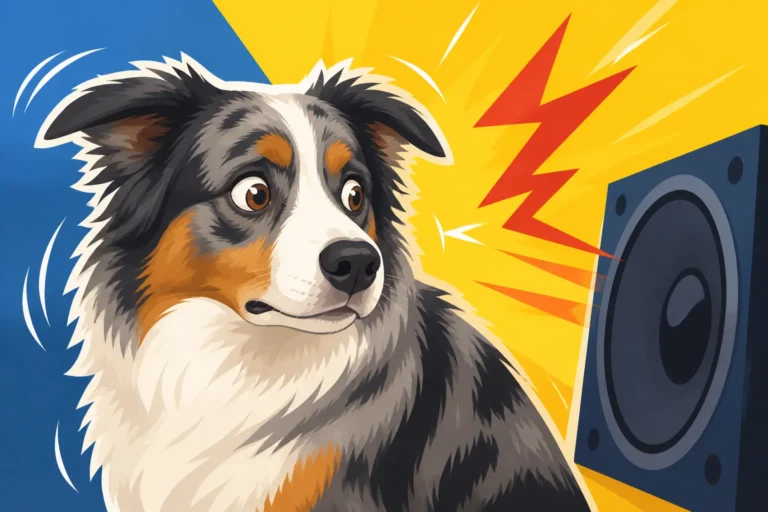
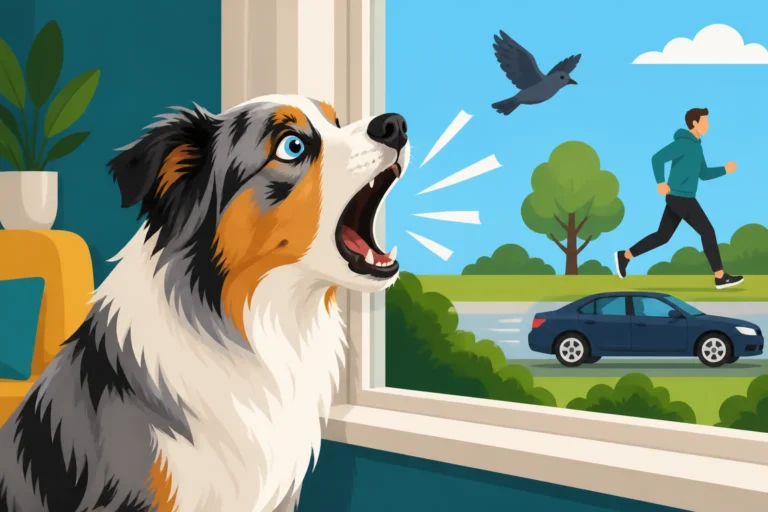
While many dogs thrive on the boisterous energy of a dog park, Australian Shepherds can be quite sensitive to intense, unstructured environments. Their keen senses, quick minds, and natural vigilance mean they absorb a lot of information – sights, sounds, movements – and a busy dog park can quickly become an overstimulating sensory overload. This isn't just about noise; it's about the constant movement, the varied body language of dozens of dogs, and the unpredictable nature of interactions.
An overstimulated Aussie might start to shut down, becoming withdrawn and anxious, or it might swing to the other extreme: becoming hyper-vigilant, reactive, or even prone to Australian Shepherd Reactivity and Overarousal. You might see them pacing the fence, constantly scanning, or reacting with sharp barks or lunges to sudden movements. This isn't fun for anyone, and it certainly isn't beneficial "socialization" if your dog is experiencing it through a lens of stress. Sometimes, an Aussie that seems fine at first might An Australian Shepherd That Gets Worse in the Evening after a park visit, because all that pent-up tension finally boils over once they're home.
Guarding Instincts in a Group Setting
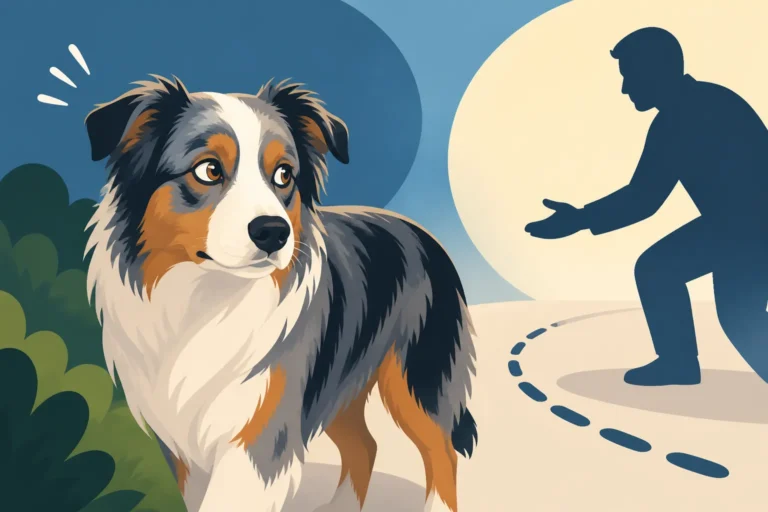
Australian Shepherds are known for their loyalty and their tendency to form strong bonds with their family. This protective instinct, while wonderful at home, can sometimes translate into resource guarding in a dog park setting. "Resources" aren't just toys or treats; they can be you, your spouse, or even a particular patch of shade. If your Aussie perceives another dog getting "too close" to you, or trying to snatch a ball they’re focused on, their guarding instincts can kick in.
This can lead to growling, stiff body language, or even snapping to communicate "back off." While natural for many dogs, in a crowded park, it's a recipe for conflict, especially if the other dog doesn't pick up on the subtle cues. We've all seen dogs who act perfectly fine until another dog sniffs their person a little too long, or tries to steal a stick. For an Aussie, that instinct can be heightened. Learning to recognize the early signs that An Aussie Standing Over Its Toys or personal space is something every Aussie owner needs to master, especially in environments where resources are shared.
Common Risks Australian Shepherds Face at Dog Parks
Beyond their unique temperament, dog parks present a range of universal challenges that can be particularly impactful for an Australian Shepherd. These risks span physical health to long-term behavioral well-being.
Physical Dangers: Injuries and Illnesses
Dog parks, by their very nature, are places where dogs run freely, often without a lot of consideration for space or safety. This free-for-all can lead to numerous physical dangers for your Aussie.
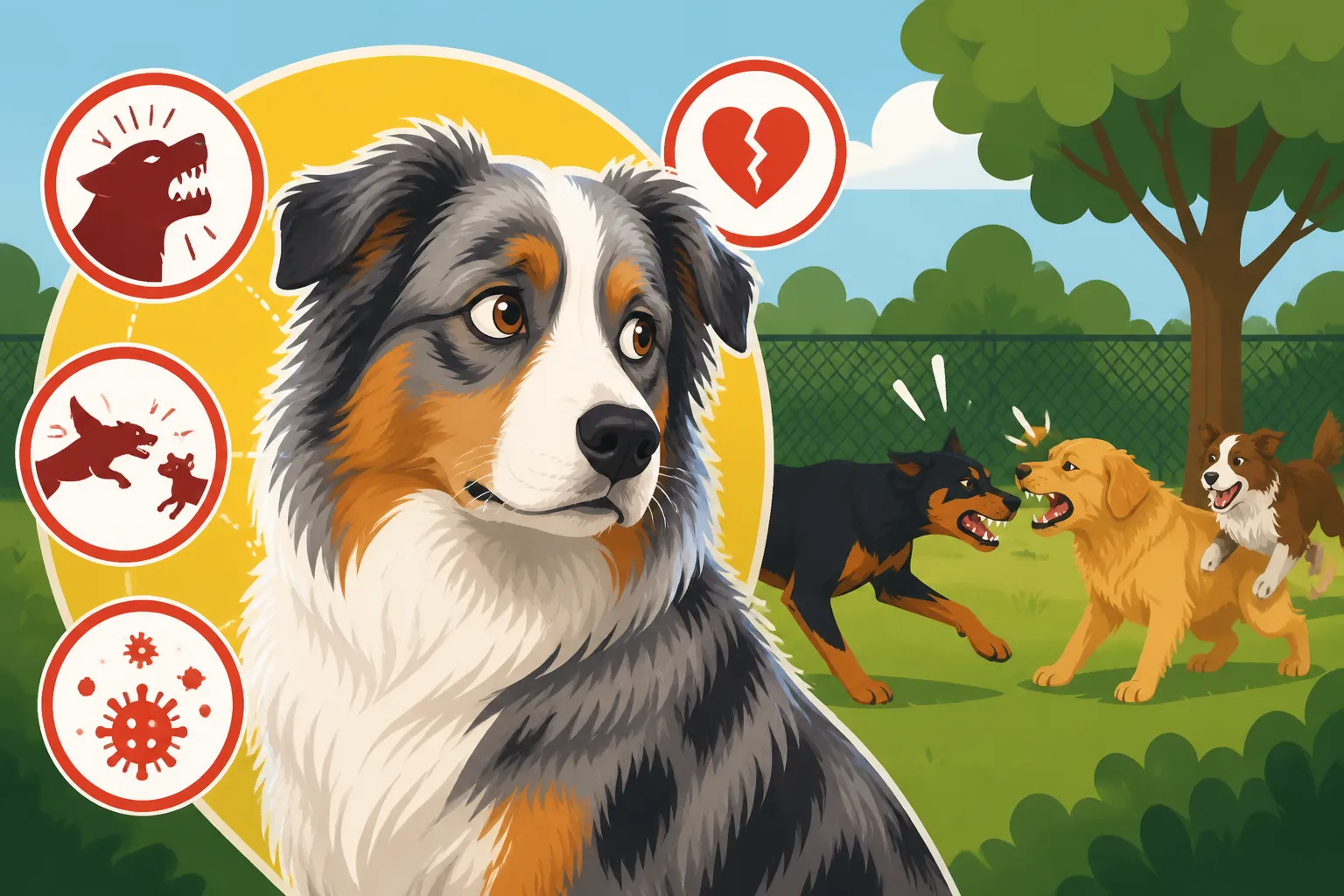
- Injuries from Rough Play: Australian Shepherds are agile and tough, but they're not invincible. Collisions with larger, faster dogs, accidental trips, or getting caught in a scuffle can result in anything from sprains and cuts to more serious injuries like torn ligaments or fractures. Even seemingly harmless play can turn dangerous quickly. Imagine your Aussie mid-turn during a game of chase, only to have a much heavier dog barrel into them from the side.
- Contagious Illnesses: Dog parks are hotbeds for infectious diseases. Even if your Aussie is fully vaccinated, they can still pick up kennel cough, parvovirus, giardia, or other parasites from shared water bowls, sniffed surfaces, or direct contact with other dogs. It’s impossible to vet every dog’s health history or vaccination status, leaving your Aussie exposed to whatever is circulating.
- Heatstroke and Overexertion: Aussies have dense double coats and intense exercise drives. In warmer weather, or if they're simply overstimulated and running non-stop without breaks, they are at risk of overheating. Many owners assume their dog will self-regulate, but an excited Aussie might push themselves far past their limit, especially if they are trying to "herd" the entire park.
Behavioral Backslides and Bad Habits
The unstructured nature of dog parks can inadvertently teach your Australian Shepherd some less-than-desirable behaviors. Good training takes consistency, and the dog park can be an environment where those efforts are undone.
- Practicing Unwanted Behaviors: If your Aussie has a tendency to jump, bark excessively, or nip at heels, a dog park can offer ample opportunities for them to practice these behaviors. Other dogs might tolerate it, or even encourage it, reinforcing habits you're trying to extinguish. For puppies, particularly, Australian Shepherd Puppy Biting and Herding Nips can become ingrained if not properly managed, and the dog park can make that management much harder.
- Ignoring Recall: One of the most critical commands for an Aussie is a solid recall. In a dog park, with so many distractions, loud noises, and other dogs to chase or herd, your Aussie might learn to "tune you out." If they realize they don't have to come when called because there are more exciting things to do, your carefully built recall can quickly erode. This can be dangerous not just at the park, but anywhere you need reliable control, like near traffic.
- Developing Fear or Reactivity: While intended for socialization, a negative experience at a dog park can actually create fear or reactivity. If your Aussie is repeatedly bullied, overwhelmed, or has a bad encounter, they might start to associate other dogs, or even just the sight of a dog park, with fear and anxiety. This can lead to Australian Shepherd Reactivity and Overarousal in other contexts, making walks or even vet visits more challenging.
The Double-Edged Sword of Socialization
Many owners take their Aussies to dog parks specifically for "socialization," believing that more exposure to dogs is always better. However, for an Australian Shepherd, true, positive socialization is about quality, not just quantity, of interaction.
- Lack of Meaningful Interactions: True socialization involves learning appropriate social cues, polite greetings, and how to disengage peacefully. In a chaotic dog park, many interactions are brief, intense, and often rude. Dogs might be "gang rushed," or engage in rough, unbalanced play. Your Aussie might learn that approaching other dogs means bracing for impact, rather than a polite sniff and move on.
- Learning Bad Dog Manners: If your Aussie spends time with dogs that have poor manners – dogs that jump, bark excessively, or play too roughly – they can easily pick up these habits. Dogs learn by observation, and an Aussie is particularly adept at picking up patterns. This can be especially detrimental if you're trying to Socializing an Aussie Puppy Off the Farm and ensure they develop into a well-mannered adult.
- Heightened Suspicion of Strangers: Australian Shepherds are often described as reserved with strangers, a trait that is part of their inherent temperament. This isn't shyness; it's a watchful, discerning nature. In a dog park, where random people are constantly entering their space, or even reaching for them, your Aussie might feel pressured and become more, rather than less, uncomfortable with new people. This can reinforce Why an Australian Shepherd Reserves Itself With Strangers instead of building positive associations.
| Aspect | Potential Benefits for an Aussie (If Managed Well) | Significant Risks for an Aussie (Unmanaged) |
|---|---|---|
| Physical Exercise | Opportunity for high-energy play in a large space. | Overexertion, heatstroke, injuries from collisions or fights. |
| Mental Stimulation | Novel sights and smells, varied interactions. | Overstimulation, anxiety, stress, leading to reactivity. |
| Socialization | Exposure to different breeds and temperaments. | Reinforcing poor manners, negative encounters, resource guarding, bullying. |
| Owner Convenience | Easy way to exercise dog, chance to meet other owners. | Stressful experience, potential for vet bills, behavioral regression. |
| Behavioral Training | Practicing recall and manners in a distracting environment. | Recall failure, practicing unwanted behaviors (herding nips, excessive barking). |
When a Dog Park Might Work (and When It Won't)
It's not to say that all dog parks are inherently bad for all Australian Shepherds. There are definitely specific scenarios and types of dog parks where an Aussie might thrive. The key is careful evaluation of your dog and the environment.
Assessing Your Aussie's Individual Personality
Every Australian Shepherd is an individual, and what works for one might be a disaster for another. Before you even consider a dog park, take a brutally honest look at your Aussie's temperament.
- Confidence Levels: Is your Aussie generally confident, or do they tend to be nervous in new situations or around unfamiliar dogs? A fearful Aussie will likely find a dog park terrifying, not fun.
- Play Style: How does your Aussie prefer to play? Are they tolerant of rough-and-tumble play, or do they prefer more structured games like fetch or working on commands? If their play style consistently clashes with the general park vibe (e.g., they only want to herd, and no one else is playing that game), it's a sign it might not be a good fit.
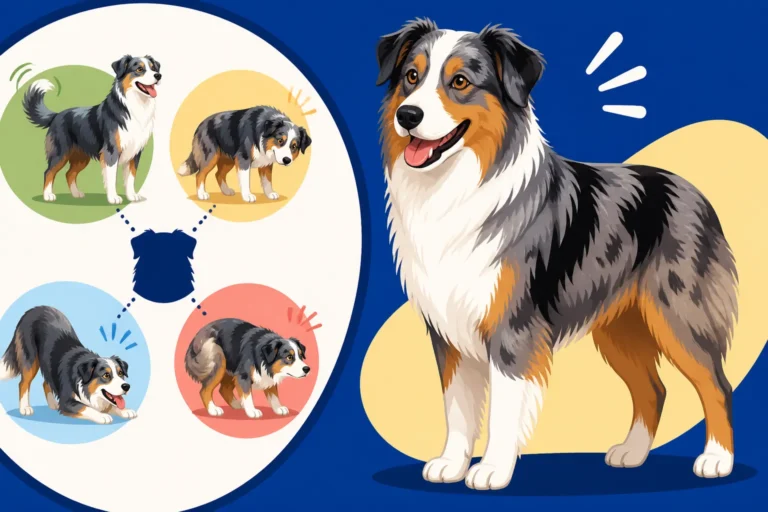
- Reaction to Other Dogs: Observe your Aussie on walks. Do they greet other dogs politely, or do they pull, lunge, or bark? Do they get overwhelmed easily by a group of dogs? Pay attention to their subtle body language: lip licking, yawning, looking away, tail tucked, stiff posture are all signs of discomfort.
- Desire for Interaction: Some Aussies genuinely love meeting and playing with new dogs. Others are dog-neutral, preferring the company of their humans, or only a select few canine friends. If your Aussie isn't actively seeking out dog-on-dog play, forcing them into a dog park won't make them happier.
Finding the Right Dog Park Environment
If you decide to try a dog park, the type of park and how you utilize it makes a huge difference. Not all dog parks are created equal.
- Size and Layout: Look for large, expansive parks where dogs can spread out. Smaller, crowded parks increase the likelihood of accidental bumps and conflicts. Separate areas for large and small dogs are a must, as well as distinct entry/exit points to avoid bottle-necking and tension.
- Time of Day: Consider visiting during off-peak hours when fewer dogs are present. Early mornings or late evenings are often less crowded, allowing for more relaxed interactions and less overstimulation. A park with just a few calm dogs is vastly different from one packed with twenty high-energy youngsters.
- Regulars and Vibe: Observe the "regulars." Is there a consistent group of calm, well-mannered dogs and attentive owners? Or is it a free-for-all where owners are glued to their phones and dogs are running unsupervised? A park with a good, consistent vibe, where owners intervene responsibly, is much safer.
- Fencing and Safety: Ensure the fencing is secure and high enough for your agile Aussie. Check for potential hazards like broken equipment, discarded trash, or unsafe terrain. A double-gated entry system is a major plus to prevent dogs from escaping.
Alternatives to Traditional Dog Parks for Aussies
For many Australian Shepherds, the best "socialization" and exercise doesn't come from a dog park at all. There are countless ways to keep your Aussie happy and healthy without the associated risks.
- Structured Play Dates: Arrange play dates with one or two known, compatible dogs whose play styles match your Aussie's. This controlled environment reduces unpredictability and allows for positive interactions. These can be friends' dogs or dogs from a reputable training class.
- Enrichment Activities: Focus on activities that tap into your Aussie's intelligence and natural drives. Scent work, puzzle toys you can find on Amazon, trick training, or even a BAXTER & Bella online obedience course can provide immense mental stimulation that actually tires them out more effectively than just running around. Remember, Why Physical Exercise Alone Never Settles an Aussie; they need to use their brains too!
- Dog Sports: Australian Shepherds excel in dog sports like agility, flyball, disc dog, or even herding (if you have access to livestock). These activities provide intense physical and mental exercise in a structured, cooperative environment, building confidence and strengthening your bond.
- Long, Varied Walks and Hikes: Explore new trails, go for long walks in quiet areas, or take your Aussie on a hike. This offers plenty of exercise, new smells, and valuable bonding time without the stress of unpredictable dog-on-dog interactions. These focused outings contribute significantly to the How Much Daily Exercise an Australian Shepherd Needs and ensure it's high-quality exercise.
- Professional Daycare (Carefully Vetted): If your Aussie thrives on dog company and you need a supervised outlet, a reputable doggie daycare can be a good option. Look for facilities with trained staff who actively supervise play, group dogs by temperament, and offer structured activities rather than just free play. Ask about their staff-to-dog ratio and their approach to managing high-energy breeds.
Strategies for a Safer and More Enjoyable Dog Park Experience
If, after careful consideration, you decide that a dog park is still something you want to explore with your Australian Shepherd, there are crucial steps you can take to minimize risks and maximize the chances of a positive experience. Remember, your active involvement is key; you are your Aussie's advocate.
Preparation and Training Before You Go
A successful dog park visit starts long before you even step through the gate. Thorough preparation and solid foundational training are non-negotiable for an Australian Shepherd.
- Master Basic Obedience: Your Aussie needs to have a rock-solid grasp of commands like "sit," "stay," "come" (especially an emergency recall), and "leave it." These aren't just polite manners; they are safety commands that allow you to intervene and redirect your dog effectively in a busy environment. Work on these commands in increasingly distracting environments before heading to the park.
- Practice Recall Extensively: This cannot be stressed enough. Your Aussie's recall needs to be instant and reliable, even when distractions are high. Practice with long lines in safe, open spaces, gradually adding distractions. A simple training collar with a clicker and high-value treats from a brand like BAXTER & Bella can work wonders to reinforce quick responses. If your Aussie won't come when called 100% of the time outside the park, they certainly won't inside it.
- Socialize Thoughtfully: Before a free-for-all dog park, ensure your Aussie has had positive, controlled interactions with a variety of dogs in low-stress settings. Puppy classes, small play groups with known dogs, and parallel walks are far more beneficial for Socializing an Aussie Puppy Off the Farm than throwing them into the deep end of a dog park. This builds confidence and teaches appropriate social cues without overwhelming them.
- Health and Preventative Care: Make sure your Aussie is up-to-date on all vaccinations and parasite prevention. This includes core vaccines, kennel cough, and anything else recommended by your vet for your area.
Active Supervision and Intervention During Visits
Once you're at the dog park, your job isn't done. You need to be fully engaged and vigilant, acting as your Aussie's protector and guide.
- Stay Present and Alert: Put away your phone. Your eyes should be on your Australian Shepherd and the dogs around them at all times. Look for changes in body language – stiffness, whale eye, growling, excessive lip licking – both from your Aussie and other dogs. Be ready to intervene at a moment's notice.
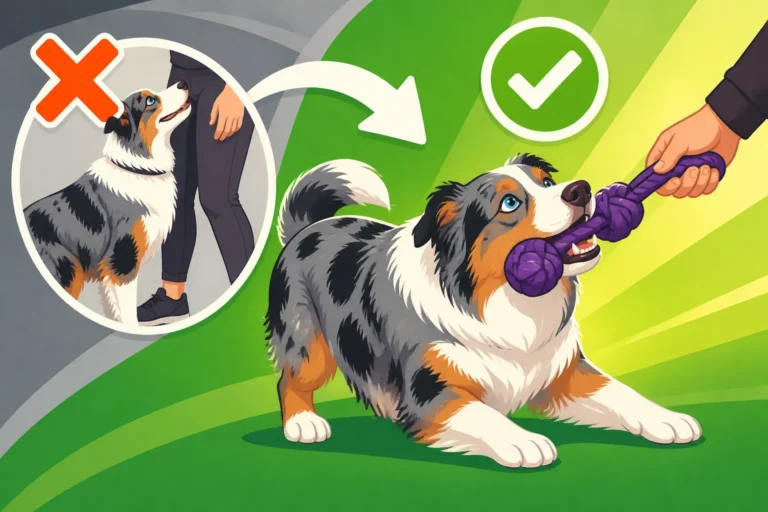
- Manage Herding Instincts: If your Aussie starts to nip at heels or herd other dogs too intensely, redirect them immediately. Call them back, put them in a brief "sit" or "down," or engage them with a toy or a short training session to break the focus. Don't let them practice these behaviors.
- Know When to Step In: Don't hesitate to remove your Aussie from a situation if you see tension brewing, or if another dog is playing too roughly or relentlessly with yours. You can often break up intense interactions by simply walking away with your dog to another area of the park, or calling them to you for a treat reward. Sometimes, a well-timed "leave it" can prevent a snatched toy or a resource guarding incident.
- Avoid Problem Areas: Steer clear of crowded choke points like gates, water bowls, or popular benches where owners congregate. These areas often create tension. If there's a particularly rowdy group of dogs, move your Aussie to a calmer spot.
- Limit Resources: Don't bring high-value toys or treats into the dog park, as these can easily trigger resource guarding in your Aussie or other dogs. If you use treats for training, keep them hidden and offer them discreetly. If your Aussie has An Aussie That Will Not Hand Things Over, a dog park is not the place to test their generosity.
Knowing When to Leave
One of the most important skills an Aussie owner can develop is knowing when a dog park visit has run its course, or simply isn't going well. Your dog's well-being is paramount.
- Signs of Stress or Overwhelm: Look for physical signs: panting (when not hot or exercising hard), yawning, lip licking, tucked tail, flattened ears, trying to hide behind you, or excessive scanning of the environment. If your Aussie is constantly checking in with you or trying to disengage, it's time to go.
- Unsafe Play: If you observe dogs playing too roughly, bullying other dogs, or showing aggression without owner intervention, it's safer to leave. You don't want your Aussie to be the victim or to learn that such play is acceptable.
- Fatigue: Even a high-energy Aussie can get tired. An overly fatigued dog is more prone to making bad decisions, getting injured, or snapping out of irritability. It's better to end a visit on a good note, leaving them wanting more, rather than pushing them past their limits.
- Your Gut Feeling: Trust your instincts. If something feels "off" about the park, the dogs, or the owners, or if you're feeling stressed and anxious, it's perfectly fine to pack up and head home. There's no shame in prioritizing your dog's safety and your peace of mind. A dog park should ideally be a fun, relaxing outing, not a source of anxiety.
Disclaimer
This article is for general informational purposes only and does not constitute professional advice. Laws, prices and regulations vary by location and change over time. Consult a qualified professional for guidance on your specific situation.