Bringing Home a Deaf Australian Shepherd Puppy
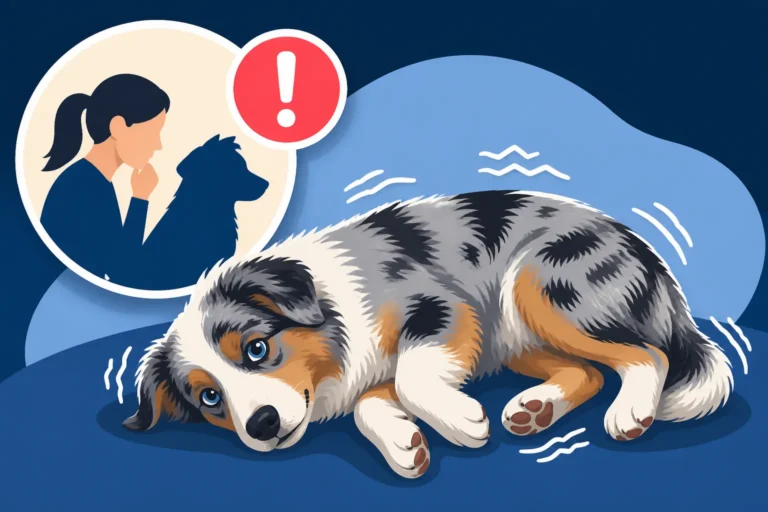
Bringing home a new puppy is always a whirlwind of excitement, adorable chaos, and a touch of anxiety. But when you discover your energetic Australian Shepherd puppy is deaf, those initial feelings can quickly morph into worry, uncertainty, and a sense of being unprepared. You might feel overwhelmed wondering how you'll communicate, how they'll learn, or if they'll ever truly be safe. This guide is here to walk you through everything you need to know about welcoming a deaf Australian Shepherd puppy into your family, from understanding their unique needs to fostering a strong, loving bond.
Understanding Deafness in Australian Shepherds
It's common for new owners to feel a pang of sadness or fear when they learn their puppy can't hear. But it's so important to remember that deafness is not a disability that limits their potential for a happy, fulfilling life. It simply means they experience the world in a different way, relying more on their other senses, and it requires a slight adjustment in how we interact with them. Understanding the 'why' behind their deafness can also help you feel more informed and prepared.
Why Deafness Occurs in Aussies
Deafness in Australian Shepherds is most frequently linked to genetics, particularly with the merle gene. The merle gene, responsible for those beautiful dappled and marbled coats Aussies are famous for, can, under certain circumstances, also affect hearing and vision development. When two merle-patterned dogs are bred together, there's a risk of producing what's known as a "double merle" or "homozygous merle" puppy. These puppies inherit two copies of the merle gene, which often leads to an excess of white markings and a higher incidence of sensory defects, including deafness and various eye anomalies.
It's a really heartbreaking situation for breeders and owners alike, as the goal is always healthy puppies, but sometimes these genetic dice rolls happen, often due to a lack of understanding or, in some unfortunate cases, irresponsible breeding practices. This is precisely why responsible breeders are so careful about never crossing merle to merle, an important consideration explored further in Double Merle Australian Shepherds and What Breeding Two Merles Costs. While it's most common in double merles, sometimes even a single merle Aussie can be born deaf, although it's far less common and often linked to other factors or specific genetic markers that affect pigment and nerve development in the inner ear. Understanding these genetic risks is a crucial part of The Genetic Panel Every Australian Shepherd Needs when considering breeding or even just bringing an Aussie into your home.
Confirming Your Puppy's Hearing
Before you even bring your puppy home, if you suspect hearing issues, or if your breeder informs you, the most reliable way to confirm deafness is through a Brainstem Auditory Evoked Response (BAER) test. This test is non-invasive and provides objective data on a dog's hearing ability. It measures the electrical activity in the brain in response to auditory clicks, essentially seeing if the sound signals are reaching the brain. For a deep dive into what this involves, you might want to read The BAER Test for Australian Shepherd Hearing.
The BAER test is usually performed by a veterinary neurologist or a specialized audiologist. It's done while the puppy is sedated to ensure they remain still, and small electrodes are placed on their head. The results will indicate whether one ear, both ears, or neither ear can detect sound. If your puppy hasn't had this test, it should be one of your first priorities once they're settled. It provides a definitive answer, allowing you to move forward with confidence in adapting your communication methods. Without a definitive test, you might be constantly second-guessing your puppy's responses, which can be frustrating for both of you.
The Emotional Impact on New Owners
It's okay to feel a whole range of emotions when you learn your Australian Shepherd puppy is deaf. Many owners report feelings of sadness, grief, or even guilt, wondering if they could have done something differently or if their puppy will truly have a good life. Others worry about judgment from friends or family, or the extra effort they perceive will be involved. These feelings are completely normal and valid.
The truth is, deaf dogs are incredibly adaptable and, with the right approach, can live lives just as rich and joyful as their hearing counterparts. They teach us patience, creativity, and a deeper level of communication. You'll find yourself observing your dog's body language and expressions with a heightened awareness that many hearing dog owners never develop. There's a thriving community of deaf dog owners who share tips, triumphs, and support, proving that living with a deaf Australian Shepherd is not a burden, but a uniquely rewarding experience. Embrace the journey; you're about to discover a connection with your dog unlike any you've imagined.
Preparing Your Home for a Deaf Aussie Puppy
When you bring a deaf Australian Shepherd puppy home, your priority is to ensure their world is safe, predictable, and clear. Since they can't rely on auditory cues like a doorbell, a warning shout, or the sound of your approaching footsteps, you need to create an environment that caters to their visual and tactile senses. This thoughtful preparation lays the groundwork for a secure and confident dog.
Creating a Safe and Predictable Environment
First and foremost, security is key. An Australian Shepherd, by nature, is often highly alert and can be prone to bolting if startled or if something catches their eye. For a deaf Aussie, this risk is amplified because they won't hear a car approaching or your urgent "Come!" command. A secure, fenced yard is non-negotiable. Check for any gaps your clever Aussie puppy might exploit, and ensure gates are always latched. If you live on a busy street, even a short lapse in attention could have dire consequences.
Inside the home, establish clear visual routines. Deaf dogs thrive on predictability because they rely on seeing what's happening. When you're leaving a room, make sure your puppy sees you go. If you need to wake them, approach gently and tap their bed or a shoulder lightly, never startling them. Think about how you signal meal times, potty breaks, and playtime. Perhaps you flash a light for a moment before serving food, or use a consistent hand gesture to indicate it's time to go outside. These consistent visual cues will help your puppy understand their daily schedule and reduce anxiety. Creating a consistent environment is also key to preventing common behavioral issues often stemming from under-exercise, which is a big topic covered in Australian Shepherd Behavior Problems From Under-Exercise.
Essential Gear and Tools
While a deaf Australian Shepherd doesn't need a ton of specialized gear, a few items can make your life easier and your puppy's life safer. A vibrating collar, for instance, can be an invaluable tool. It doesn't use static shock; instead, it provides a gentle vibration that you can use to get your dog's attention, especially when they're not looking at you. This can be fantastic for recall training in a larger, fenced area. You press a button on a remote, the collar vibrates, and when your puppy looks at you, you reward them. This teaches them to check in with you regularly.
Another useful item is a long training line, perhaps 30-50 feet, which allows your puppy to explore safely in a large, open area while still being tethered to you. This is crucial for practicing recall without the fear of them running off. Think about brightly colored toys for outdoor play so they're easy for you to spot, and toys with interesting textures or scents to engage their other senses. A comfortable, secure harness is also recommended for walks, giving you better control and reducing pressure on their neck if they pull, which is particularly important since they won't hear your verbal corrections. For a deaf Australian Shepherd puppy, ensuring these items are in place before you bring them home will make the transition smoother.
Communication Strategies
The biggest "challenge" many owners anticipate is communication, but it's often the most rewarding aspect of living with a deaf dog. Hand signals become your primary language. Start simple: a flat hand for "sit," a finger pointed down for "down," a thumbs-up for "good." Consistency is absolutely vital. Everyone in the household needs to use the same signals for the same commands, every single time. There are many resources online for universal hand signals for dogs, or you can create your own, as long as they are distinct and consistently used.
Beyond explicit commands, pay close attention to your body language. Deaf dogs are master readers of visual cues. Your posture, facial expressions, and even how you move your hands will convey a lot to them. Make eye contact a positive thing, always followed by a reward. Flash a light (a pen light or your phone's flashlight, not a harsh beam) to get their attention from a distance, then immediately follow up with a hand signal or a "come" gesture and a treat. Learning Teaching a Deaf Aussie Its First Signals is an excellent starting point and a beautiful way to build your unique bond.
| Training Method | Hearing Dog Approach | Deaf Dog Approach |
|---|---|---|
| Attention | Verbal call (name), whistling | Vibrating collar, light flash, gentle tap |
| Recall | Verbal "Come!", whistling | Hand signal (clapping hands, arm sweep), vibrating collar |
| Basic Commands | Verbal "Sit," "Stay," "Down" | Hand signals (flat hand for sit, palm out for stay) |
| Praise/Reinforcement | Verbal "Good boy/girl!", joyful tone | Thumbs up, enthusiastic body language, treats |
| Correction | Verbal "No!", firm tone | Redirect with hand signal, turning your back (mild) |
| Environmental Awareness | Sounds (doorbell, approaching car) | Visual scans, feeling vibrations, reliance on owner |
Training and Socialization for a Deaf Australian Shepherd
Training a deaf Australian Shepherd is not fundamentally different from training a hearing one; it simply relies on visual communication rather than auditory. In many ways, it can make you a more observant and consistent trainer, which benefits any dog! Socialization, too, will focus on experiences that engage their other powerful senses.
Starting with Hand Signals
The moment your deaf Aussie puppy comes home, start teaching basic hand signals. Just like with a hearing puppy, use positive reinforcement, lots of treats, and praise (in your case, enthusiastic body language and a thumbs-up). Start with simple commands like "sit" and "down." Lure your puppy into the position with a treat, give the hand signal as they perform the action, and then immediately reward them. Repetition and consistency are your best friends here. You want those signals to become as ingrained as verbal commands would be for a hearing dog.
You’ll also want to teach a "check-in" signal. This is a crucial command where your dog learns to look at you periodically for guidance. Use your vibrating collar (if you choose to use one) or a light flash to get their attention, then give a distinct hand signal (like tapping your chest) and reward them heavily when they look at you. This is vital for off-leash safety in fenced areas and building a strong partnership. Consistency with these early signals will pave the way for more complex training down the line. Remember, an Australian Shepherd is a highly intelligent breed, eager to learn and please, and they pick up on visual cues incredibly quickly.
Socialization Beyond Sound
Socializing a deaf Australian Shepherd puppy is incredibly important, just like with any puppy, but you'll need to approach it with a slightly different mindset. Since they can't hear, they won't be as easily integrated into noisy environments or learn subtle cues from other dogs' barks and growls. Focus on experiences that engage their sight, smell, and touch. Expose them to a wide variety of sights: people of different ages and appearances, other dogs (carefully, under supervision), different environments like parks, stores (where permitted), and busy streets (from a safe distance). Let them sniff everything! Their noses are incredible.
When introducing them to other dogs, inform the other owner that your puppy is deaf. This allows them to approach more gently and avoid startling your Aussie. Always supervise interactions closely. A deaf dog might miss a warning growl or yelp from another dog, so you need to be their ears and intervene if necessary. Continue to reward calm, positive interactions with treats and praise. Early socialization is key to building a confident, well-adjusted dog, and while it might take a little more conscious effort, it's incredibly rewarding. You'll want to ensure they meet many new friends, both human and canine.
Managing Potential Challenges
Living with a deaf Australian Shepherd, while rewarding, does come with a few unique challenges that, with preparation and understanding, are easily managed. One common issue is the startle reflex. Since they can't hear you approaching, a deaf dog can be easily startled if you suddenly appear in their field of vision or touch them unexpectedly. Always approach them from the front where they can see you coming, or gently tap the floor or a nearby surface to create a vibration that alerts them to your presence before you make direct contact.
Recall in unfenced areas is another major concern. Because your dog cannot hear you, off-leash privileges in open, unfenced spaces are incredibly risky. Even with a vibrating collar, there's always a chance they might get too far, get distracted, or the collar could malfunction. It’s often safest to keep them on a long line in any area that isn’t securely fenced. If your Aussie has a strong prey drive, as many do, this becomes even more critical. Addressing these behaviors early is also discussed in Australian Shepherd Recall Off a Squirrel. Another challenge can be their natural suspicion of strangers, a common trait in Aussies. Since they can't hear verbal assurances, ensure new people approach them slowly, offer treats, and allow the dog to initiate contact. Patience and consistency will help them navigate their world with confidence.
Daily Life and Long-Term Care
Once you've settled into a routine with your deaf Australian Shepherd puppy, you'll find that daily life is not so different from that of a hearing dog. The key is consistent communication, a predictable environment, and a commitment to their physical and mental well-being.
Routine and Consistency
Just like any Australian Shepherd, deaf or not, these dogs thrive on routine. Predictability reduces anxiety and builds confidence. Establish a consistent schedule for feeding, potty breaks, walks, playtime, and training sessions. Your deaf puppy will quickly learn to anticipate these events based on visual cues and the time of day. For example, if you always put their food bowl down after a specific hand signal and then walk towards the kitchen, they will soon connect those actions with mealtime.
Even small things matter, like the specific spot where you start your walks or the sequence of events before you leave the house. These seemingly minor consistencies create a roadmap for your dog in a world without sound. A well-established routine makes house training easier, helps manage their energy levels, and reinforces your communication efforts. It’s also crucial for their overall mental well-being; a secure dog is a happy dog.
Health Considerations and Vet Visits
Deafness in Australian Shepherds can sometimes be associated with other health conditions, particularly if it's due to the double merle gene, which can also cause eye defects such as Eye Defects in a Double Merle Australian Shepherd. Regular veterinary check-ups are essential to monitor their overall health and address any related issues promptly. Make sure your vet is aware of your dog's deafness. It’s helpful to teach your Aussie cooperative care signals for vet exams, like a "chin rest" signal where they learn to put their chin on your hand for examinations, which can make things like ear checks or vaccinations much less stressful.
When you consider the potential long-term care for a deaf Australian Shepherd, particularly if their deafness is linked to other genetic conditions, having good pet insurance can be a real lifesaver. Companies like Healthy Paws offer various plans that can help mitigate the financial burden of unexpected health issues, though it's important to understand what their policies cover, especially regarding pre-existing conditions. Proactive care and planning for potential future needs, including possibly Budgeting for a Deaf Australian Shepherd, will ensure your beloved companion has the best quality of life for years to come. Healthy Paws is one option to explore for peace of mind, potentially covering accidents, illnesses, and even hereditary conditions depending on the specific policy details.
Building a Strong Bond
Building a deep, loving bond with a deaf Australian Shepherd is a truly special experience. Because they rely so heavily on you for information and guidance in their silent world, the connection often feels incredibly profound. Patience, empathy, and positive reinforcement are your greatest tools. Spend quality time together, engaging in activities they enjoy, whether it's puzzle toys, long walks in a safe area, or learning new tricks with hand signals.
Celebrate every small victory and always remember to keep interactions positive. Avoid punishment-based training, as a deaf dog won't understand verbal corrections and might become fearful or confused if physically corrected without clear communication. Instead, redirect unwanted behaviors and reward good ones. Your deaf Aussie will become incredibly attuned to your emotions and intentions, reading your face and body language like an open book. This unique communication fosters an unbreakable bond of trust and mutual understanding that is incredibly rewarding for both of you. You might even find yourself communicating with them more effectively than you ever thought possible, truly Living With a Deaf Australian Shepherd.
Disclaimer
Please remember that the information provided in this guide is for general informational purposes only and is not a substitute for professional veterinary advice. Always consult with a qualified veterinarian or a certified professional dog trainer for any health concerns or specific training needs related to your Australian Shepherd.