Growing Pains in a Six Month Old Aussie
It’s a heart-stopping moment for any Australian Shepherd parent: you watch your energetic, six-month-old puppy bounding through the yard one minute, and the next, they’re limping, favoring a leg, or even refusing to put weight on it. This sudden lameness, especially in a fast-growing, active breed like an Aussie, is incredibly worrying. Often, what you’re seeing could be "growing pains," medically known as panosteitis, a common but confusing condition. This guide will help you understand what growing pains are, how to recognize them, and how to support your beloved Aussie through this often frustrating phase.
What Are Growing Pains in a Young Aussie?
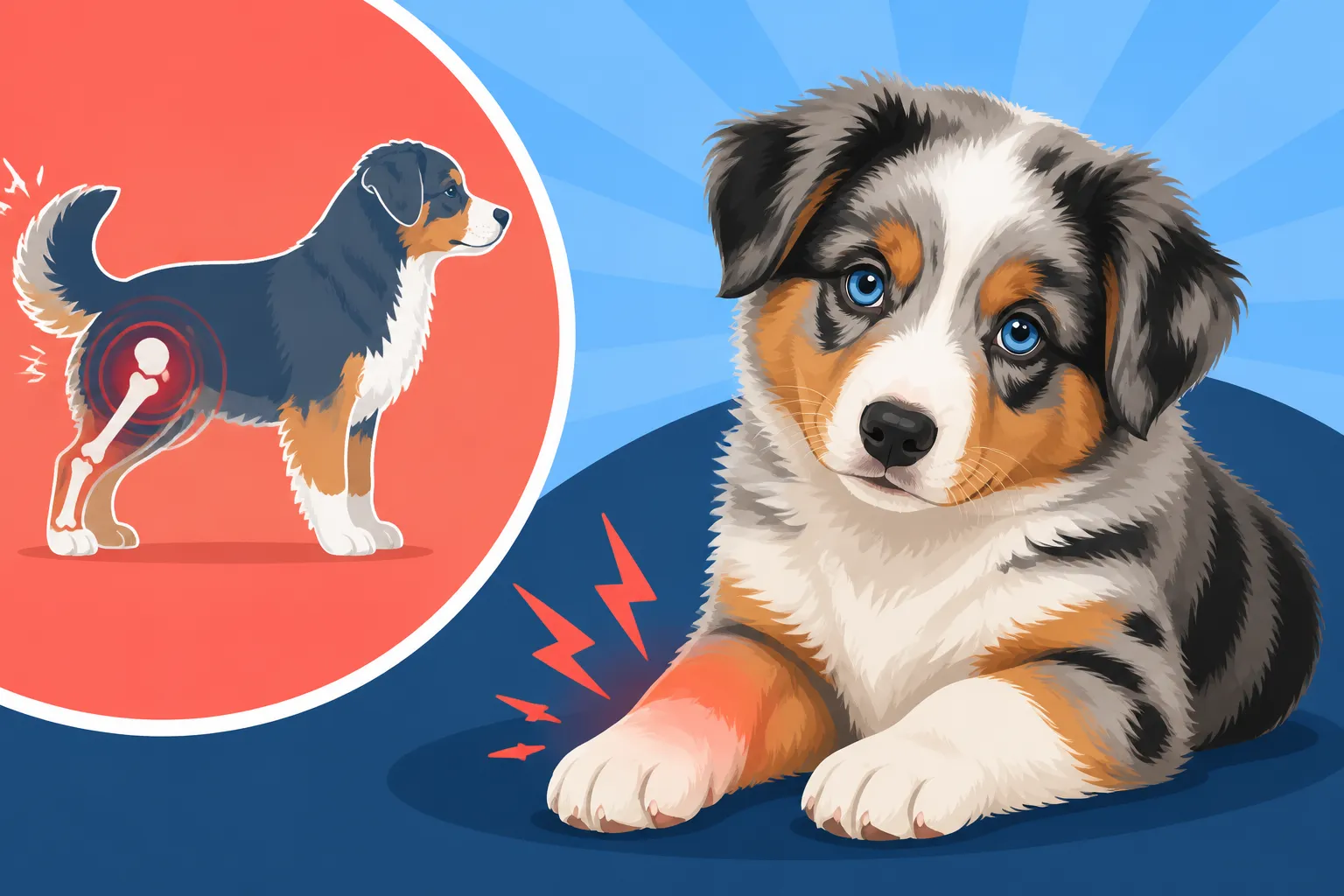
When we talk about "growing pains" in dogs, particularly in active, medium-to-large breeds like Australian Shepherds, we're usually referring to a condition called panosteitis. It sounds complicated, but essentially, it's an inflammation of the outer surface (periosteum) and marrow of the long bones – think the femur in the thigh, the tibia in the lower leg, or the humerus in the upper arm. It's a condition that primarily affects puppies and young dogs during their rapid growth phases.
Identifying Panosteitis, the "Shifting Lameness"
One of the most characteristic and often bewildering aspects of panosteitis is its unpredictable nature. Your Aussie might wake up one morning with a pronounced limp in their front right leg, making you instantly panic about a severe injury. You might rush them to the vet, only for the limp to mysteriously vanish a few days later, seemingly without treatment. Then, a week or two later, the lameness reappears, but this time in a back leg, or perhaps the other front leg. This migratory or "shifting lameness" is a classic hallmark of panosteitis, earning it the nickname "wanderer's disease."
The severity of the limp can vary wildly. Sometimes it's a subtle stiffness, almost imperceptible unless you're watching closely, especially after a period of rest or first thing in the morning. Other times, it can be so severe that your normally boisterous six-month-old Aussie is completely non-weight bearing on the affected limb, crying out if you try to touch it. This inconsistency is what makes it so baffling for owners, leaving you questioning if your dog is truly injured or just playing you for extra treats. Rest assured, the pain is very real for them, even if it seems to move around.
Why Some Aussies Are More Prone to Growing Pains
While panosteitis can affect any large breed puppy, some breeds, including Australian Shepherds, German Shepherds, Great Danes, and Basset H Hounds, seem to have a higher predisposition. The exact cause isn't fully understood, but it's generally accepted to be multifactorial, meaning a combination of things contributes to its development.
Firstly, genetics likely play a role. Certain lines or families within a breed might be more prone to the condition, suggesting an inherited component. If your Aussie's parents or siblings experienced panosteitis, your pup might be at a higher risk. This is one of the many reasons why responsible breeders prioritize health testing and transparency about their lines.
Secondly, rapid growth spurts are a major factor. Australian Shepherds are typically fast-growing dogs, often reaching a significant portion of their adult height and weight by six months of age. This accelerated development can put stress on their developing bones, leading to the inflammation seen in panosteitis. It's a bit like a construction site where the materials aren't quite keeping up with the speed of building, causing temporary instability.
Lastly, nutrition and exercise can also influence the condition. While panosteitis isn't solely caused by these factors, inappropriate diets – particularly those high in protein or calcium that promote overly rapid growth – can exacerbate the issue. Similarly, excessive, high-impact exercise during critical growth periods can contribute to bone stress. It’s a delicate balance with a breed like an Aussie, whose natural inclination is to run and work, making it challenging for owners to gauge just how much is too much when their bones are still maturing. Finding the sweet spot between adequate exercise for their mental and physical health and preventing undue stress on their growing skeleton is a constant puzzle for many Australian Shepherd owners.
Distinguishing Growing Pains from Other Serious Conditions
This is perhaps the most critical piece of information for any owner witnessing lameness in a young Australian Shepherd. While "growing pains" might sound benign, it's a diagnosis that can only be made after ruling out other, often much more serious, orthopedic conditions. It's easy to jump to the conclusion that it's "just growing pains," but that assumption can lead to delays in treating potentially debilitating issues.
Other conditions that can mimic the symptoms of panosteitis in a six-month-old Aussie include:
- Hip Dysplasia: A malformation of the hip joint, where the ball and socket don't fit together properly. While often a chronic issue, early signs can appear as lameness, reluctance to exercise, or a "bunny hopping" gait. Proper diagnosis, which often involves specific X-rays like those used for Australian Shepherd Hip Dysplasia and OFA Scoring, is vital.
- Elbow Dysplasia: Similar to hip dysplasia, but affecting the elbow joint. It can manifest as front limb lameness, stiffness, or reluctance to bend the elbow. Again, specialized X-rays are needed to confirm, as discussed in Aussie Elbow Dysplasia From Hard Turning.
- Osteochondritis Dissecans (OCD): A condition where cartilage in a joint (often shoulder, elbow, stifle, or hock) doesn't develop properly and separates from the underlying bone, creating a flap or loose body within the joint. This can cause significant pain and lameness.
- Fractures or Microfractures: A fall, twist, or even repetitive stress from intense activity can cause bone damage that presents as acute lameness. These are often obvious on X-rays.
- Soft Tissue Injuries: Sprains, strains, or tears to muscles, tendons, or ligaments can also cause limping. While less severe than bone issues, they still require rest and care. For instance, while rare in a six-month-old, older, active Aussies can experience Cruciate Tears in a Working Australian Shepherd, which cause sudden, severe lameness.
Because of the potential for these other serious conditions, a veterinary examination and diagnostic imaging (like X-rays) are absolutely essential whenever your Australian Shepherd puppy shows signs of lameness. Never self-diagnose panosteitis; always let your vet rule out everything else first. Early diagnosis and intervention for many of these conditions can significantly impact your dog's long-term health and quality of life.
Key Signs Your Six-Month-Old Aussie Might Be Hurting
Recognizing that your Australian Shepherd puppy is experiencing growing pains requires a keen eye and an understanding of their typical behavior. Since Aussies are generally stoic and eager to please, they might try to mask their discomfort, especially if they think it means less playtime. However, there are several key indicators that can help you identify if your puppy is truly experiencing panosteitis.
Spotting the Sudden Onset and Leg Switches
The most telling sign of panosteitis, as we touched on earlier, is the sudden, seemingly unprovoked onset of lameness that often shifts from one leg to another. You might put your dog to bed one night, completely fine, only for them to wake up struggling to walk the next morning. It often appears after a period of activity, but can also seem to come out of nowhere.
Imagine your six-month-old Aussie, River, who loves to chase the ball. One afternoon, after a spirited fetch session, you notice a slight stiffness in his left hind leg. By evening, it’s a full-blown limp. You rest him, maybe give him some mild pain relief approved by your vet, and within a few days, he’s back to normal. You breathe a sigh of relief. Then, a week later, the same limp appears, but this time it's his right front leg. This pattern of "now you see it, now you don't," and the limb affected changing, is highly indicative of panosteitis.
The lameness can range from a subtle skip or a slight hesitancy to put full weight on a paw, to a pronounced limp where they hold the leg up entirely. It might be worse after waking up from a nap, or after an extended period of rest, and sometimes seems to improve slightly once they've "warmed up" through gentle movement. The unpredictable nature makes it incredibly frustrating, but if you're keeping a mental note of which leg is affected and when, you'll start to see a pattern emerge.
How to Gently Check for Pain Points
While your veterinarian will perform a thorough examination, you can do some gentle checks at home to gather information for your vet and understand where your Aussie might be feeling discomfort. Remember to be very gentle and stop immediately if your dog shows signs of significant pain or aggression.
When your Aussie is relaxed, gently run your hands down each of their long bones – the humerus (upper arm), radius and ulna (forearm), femur (thigh), and tibia and fibula (shin). Start with the unaffected limbs to get a baseline for how they react. Then, move to the limb you suspect is causing trouble. Apply light, even pressure along the shaft of the bone, not directly on the joints.
If your Australian Shepherd has panosteitis, they will often react with tenderness or pain when pressure is applied to the affected bone. This reaction could be a flinch, pulling their leg away, a quick yelp, or even a subtle tightening of their muscles and a worried look. Unlike joint issues where the pain is localized to a specific joint, panosteitis pain tends to be more diffuse along the length of the bone. For example, if River is limping on his front leg, you might gently palpate his humerus and find he tenses up or pulls away, whereas touching his elbow or shoulder joint doesn't elicit the same reaction. This information can be incredibly valuable to your vet.
Behavioral Clues Your Puppy is Uncomfortable
Beyond the physical limp and tenderness, panosteitis can manifest in a range of behavioral changes. A high-energy breed like an Australian Shepherd typically has an insatiable desire to play, run, and engage. When they're in pain, this drive can diminish significantly, which is often a red flag for observant owners.
Watch for the following:
- Decreased Activity and Playfulness: Your six-month-old Aussie might be less enthusiastic about walks, games of fetch, or even wrestling with other dogs or family members. They might choose to lie down more often, seem reluctant to jump onto furniture (if allowed), or avoid stairs. This change in their usual zest for life is often one of the first signs something is wrong.
- Lethargy or Restlessness: While some dogs might become more lethargic and sleep more, others might be restless, struggling to find a comfortable position to lie down because of the aching pain. They might shift their weight constantly, sigh frequently, or get up and move around, only to lie down again almost immediately.
- Loss of Appetite: In more severe cases of pain, your Aussie might show a decrease in appetite. While not as common as with other illnesses, persistent pain can certainly impact their desire to eat.
- Irritability or Snapping: A dog in chronic or recurring pain might become more irritable, especially if touched in sensitive areas. A normally sweet-natured Aussie might growl or even snap if someone accidentally bumps their sore leg. This is not aggression; it's a pain response. It's their way of communicating that they are hurting and need space. Be particularly mindful of this if you have children in the household, and ensure everyone understands to be gentle and respectful of your dog's discomfort.
- Licking or Chewing at Legs: While less common with panosteitis compared to skin allergies, some dogs might subtly lick or chew at the affected limb as a self-soothing mechanism, attempting to alleviate the dull ache.
If you observe a combination of these behavioral changes alongside any lameness, it's a strong indicator that your Australian Shepherd puppy is experiencing discomfort and needs a vet visit to investigate the cause.
Getting a Proper Diagnosis from Your Veterinarian
When your Australian Shepherd puppy starts limping, the first and most crucial step is a trip to the veterinarian. It's tempting to think it's "just growing pains," especially if you've heard about it before, but as we discussed, many other serious conditions can present similarly. A proper veterinary diagnosis is the only way to confirm panosteitis and, more importantly, to rule out other, potentially more severe, orthopedic problems.
The Critical First Vet Visit and Examination
During your initial vet visit, your veterinarian will start by gathering a comprehensive history. Be prepared to answer questions about:
- When did the lameness start?
- Which leg is affected?
- Does it shift to other legs?
- Is it worse at certain times (e.g., after rest, after exercise)?
- Have there been any recent injuries or strenuous activities?
- What is your Aussie's diet, and how much are they exercising daily?
- Have you noticed any other changes in appetite or behavior?
Following the history, your vet will perform a thorough physical and orthopedic examination. This involves:
- Observing your Aussie's gait: They'll watch how your dog walks, trots, and turns to assess the nature of the lameness.
- Palpating all limbs and joints: Your vet will systematically feel each leg, from the toes to the shoulders and hips, checking for swelling, heat, tenderness, and range of motion. They'll pay close attention to the long bones, looking for the generalized pain characteristic of panosteitis.
- Flexion and extension tests: This helps assess joint health and stability.
If your vet suspects growing pains, or needs to rule out other issues, the next step is usually diagnostic imaging.
What X-Rays Reveal About Bone Changes
X-rays are the gold standard for diagnosing panosteitis and differentiating it from other bone or joint conditions. While a physical exam provides strong clues, X-rays offer a definitive look inside the bones.
When an Australian Shepherd has panosteitis, X-rays might show characteristic changes in the long bones. These changes typically appear as hazy, patchy, or increased density within the marrow cavity of the bone, or sometimes as thickening of the outer bone layer. It can look like little cloud-like opacities inside the bone. Your vet might take X-rays of multiple limbs, even those not currently showing lameness, because panosteitis can be migratory.
It's important to understand that X-ray changes might not be immediately apparent in the very early stages of panosteitis. Sometimes, the clinical signs (the limping and pain) appear before the radiographic changes become visible. This means your vet might recommend a re-check and repeat X-rays a few weeks later if the symptoms persist or recur, and the initial X-rays were inconclusive. However, in most cases, especially if your Aussie is six months old and has been limping for a few days, the changes should be discernible.
Ruling Out Major Orthopedic Concerns
The primary reason X-rays are so critical is to rule out those more serious orthopedic conditions that require different, and often more intensive, treatment. For instance, the X-rays for panosteitis will look distinctly different from those showing Australian Shepherd Hip Dysplasia and OFA Scoring. In hip dysplasia, your vet would be looking at the conformation of the hip joint itself, specifically how the femoral head fits into the acetabulum. With panosteitis, the joints usually appear normal, with the changes confined to the bone shafts.
Similarly, an Aussie presenting with front limb lameness could have Aussie Elbow Dysplasia From Hard Turning. On X-rays, elbow dysplasia would show abnormalities within the elbow joint, such as fragmented coronoid processes or ununited anconeal processes, not the generalized bone density changes seen with panosteitis. If there's a concern about conditions like OCD, X-rays would reveal a flap of cartilage or a loose bone fragment within the joint.
In some cases, if the lameness is particularly severe, persistent, or accompanied by other concerning signs, your vet might also suggest checking your Aussie's overall health with blood work, or even consider a The Genetic Panel Every Australian Shepherd Needs to screen for other inheritable diseases common to the breed. The goal is always to get a clear picture so the right course of action can be taken. The cost of these diagnostic tests can sometimes be a concern, but having a comprehensive pet insurance plan, such as one from Healthy Paws, can significantly ease the financial burden, allowing you to prioritize the best care for your pup without hesitation.
Supporting Your Aussie Through Growing Pains
Once your veterinarian has definitively diagnosed panosteitis and ruled out more serious conditions, the focus shifts to managing your Australian Shepherd's comfort and promoting healing. The good news is that panosteitis is a self-limiting condition, meaning it will eventually resolve on its own as your puppy matures. However, the journey can be uncomfortable for your dog, and frustrating for you, so proactive management is key.
Safe and Effective Pain Relief Options
Managing your Aussie’s pain is paramount to their comfort and well-being during a panosteitis flare-up. Your veterinarian will typically prescribe non-steroidal anti-inflammatory drugs (NSAIDs) to reduce inflammation and alleviate pain. Common NSAIDs prescribed for dogs include:
- Carprofen (Rimadyl, Novox)
- Meloxicam (Metacam)
- Firocoxib (Previcox)
- Deracoxib (Deramaxx)
These medications work wonders in reducing the aching discomfort, but they must always be used under veterinary guidance. Never give your dog human pain relievers like ibuprofen or acetaminophen, as they can be highly toxic and even fatal. Your vet will determine the correct dosage based on your Aussie’s weight and condition, and it's crucial to follow those instructions precisely. Always give NSAIDs with food to minimize the risk of stomach upset, and watch for any side effects like vomiting, diarrhea, or lethargy. If you notice anything unusual, contact your vet immediately.
Beyond prescription medication, some owners find complementary therapies helpful. Gentle, warm compresses applied to the affected areas for 10-15 minutes can provide soothing relief, similar to how we might use heat packs for muscle aches. Light, gentle massage can also improve circulation and comfort, but always check with your vet first, especially if your Aussie is very sensitive to touch. Some vets might also suggest certain supplements that support joint health, though their direct impact on panosteitis is less proven than NSAIDs.
Managing Activity Levels and Rest Periods
This is often the trickiest part for Australian Shepherd owners. Aussies are dogs bred for work, with boundless energy and a strong desire for activity. Restricting their movement can feel counter-intuitive and often leads to a frustrated, bored, and potentially destructive pup. However, controlled rest is absolutely crucial for bones to heal and for inflammation to subside.
During a flare-up of panosteitis, high-impact activities like running, jumping, intense fetch, agility training, or rough-and-tumble play with other dogs should be strictly limited or avoided. Instead, focus on:
- Leash Walks: Short, controlled walks on a leash are usually acceptable, as long as your Aussie is comfortable and not limping excessively. The goal is gentle movement, not strenuous exercise.
- Mental Enrichment: This is where you can truly tire out your smart Aussie without stressing their bones. Puzzle feeders, KONGs stuffed with frozen treats, scent games (like hiding treats around the house for them to find), and short, engaging trick training sessions can provide mental stimulation without physical exertion. This helps prevent boredom and the destructive behaviors that can arise from it.
- Crate Rest: For very active puppies or during severe flare-ups, temporary crate rest might be necessary to ensure they don't overdo it. Make sure the crate is comfortable and provides a safe, quiet den.
It's a delicate balance. You don't want to completely immobilize your Aussie, as some gentle movement is good for overall circulation and preventing stiffness. However, you also don't want to allow activities that exacerbate the inflammation. Remember that Exercise Limits for an Australian Shepherd Under a Year are generally important for healthy development, and these limits become even more critical when panosteitis is present. The duration of restricted activity will depend on the severity and frequency of the flare-ups, and your vet will provide tailored advice.
The Role of Proper Nutrition in Healing
While diet alone doesn't cause panosteitis, improper nutrition can certainly contribute to its severity and duration, or hinder healing. For a rapidly growing Australian Shepherd puppy, feeding the right food is vital for healthy bone development.
Here are some key nutritional considerations:
- Large Breed Puppy Food: Ensure you are feeding a high-quality commercial dog food specifically formulated for large breed puppies. These diets are carefully balanced to promote slower, steady growth, rather than rapid growth spurts that can exacerbate bone development issues like panosteitis. They typically have adjusted levels of calcium and phosphorus to support proper skeletal development. You can refer to a Australian Shepherd Puppy Growth Chart to ensure your pup is developing at a healthy rate.
- Avoid Overfeeding: Resist the urge to overfeed your puppy, even if they seem perpetually hungry. Excess calories lead to faster growth, which is precisely what we want to avoid with panosteitis. Follow the feeding guidelines on your dog food bag, or even better, consult your vet for personalized portion recommendations. Keeping your Aussie at a lean body condition reduces stress on their growing bones and joints. Remember, How Weight Multiplies the Load on Aussie Joints, even in a young dog.
- No Unnecessary Supplements: Unless specifically recommended by your vet, avoid giving calcium supplements or other vitamins and minerals. Excessive calcium, for example, can be detrimental to a large breed puppy's skeletal development, potentially contributing to conditions like panosteitis or OCD. A high-quality large breed puppy food should already contain all the necessary nutrients in the correct balance.
- Hydration: Ensure constant access to fresh, clean water, especially if your Aussie is on NSAIDs, as proper hydration supports kidney function.
Discuss your Aussie's diet with your vet. They can help you evaluate your current food and make recommendations if adjustments are needed to support healthy growth and recovery from panosteitis. Many pet insurance plans, like those from Healthy Paws, even offer coverage for prescribed therapeutic diets if your vet deems it medically necessary, which can be a huge help.
Living with Panosteitis: A Marathon, Not a Sprint
Discovering your active young Australian Shepherd has growing pains can be incredibly disheartening. You want them to be able to run and play without a care in the world. Unfortunately, panosteitis requires patience and consistent management, as it's a condition that typically runs its course over several months.
Patience and Realistic Expectations for Recovery
One of the hardest parts of dealing with panosteitis is its unpredictable nature and duration. It's a self-limiting condition, meaning it usually resolves completely on its own without long-term effects once your Australian Shepherd reaches skeletal maturity, typically around 18 to 24 months of age. However, during that time, you might experience weeks or even months of intermittent flare-ups.
Imagine your Aussie, Sunny. She might have a mild limp for three days, then be perfectly fine for two weeks, only for the lameness to return in a different leg for a few days. This cycle can be incredibly frustrating for owners, as it can feel like you're constantly monitoring, adjusting, and worrying. It's easy to get your hopes up when the limp disappears, only to be dashed when it reappears.
It's crucial to set realistic expectations. There isn't a quick fix or a magic pill that will make panosteitis disappear overnight. Your role is to manage the pain, provide supportive care, and ensure your puppy's well-being until they outgrow the condition. This period of fluctuating symptoms can be a true test of patience, but remember that the vast majority of dogs make a full recovery and go on to live normal, active lives.
Creating a Comfortable and Supportive Environment
While your Aussie is navigating growing pains, creating a comfortable and supportive environment at home can make a significant difference in their overall well-being. Think about how you'd want to be treated if you had aching bones.
Here are some ways to help:
- Soft Bedding: Ensure your Australian Shepherd has soft, supportive bedding where they can rest comfortably. Orthopedic beds can be particularly helpful, distributing their weight evenly and reducing pressure on sore limbs.
- Avoid Slippery Surfaces: Hardwood or tiled floors can be challenging for a dog with tender legs, as they require more effort to maintain traction. Consider using rugs or mats in high-traffic areas to provide better grip and prevent slips that could exacerbate pain.
- Ramps or Steps: If your Aussie loves to jump onto the couch or into the car, consider using ramps or pet steps to minimize the impact on their joints and bones. This small adjustment can prevent unnecessary strain.
- Consistent Routine: Dogs thrive on routine. Maintaining a consistent schedule for feeding, potty breaks, and playtime (modified for their condition) can reduce stress and anxiety, which can indirectly help with pain management.
- Monitor Mood: Be observant of your Aussie's mood. Pain can make a normally cheerful dog irritable or withdrawn. Give them space when they need it, and engage in gentle, positive interactions that don't involve physical exertion. Remember, your calm and understanding demeanor can be a huge comfort to your hurting pup.
When to Revisit the Vet for Worsening Symptoms
Even with a panosteitis diagnosis, it's vital to know when to seek further veterinary attention. While typically self-limiting, certain signs warrant a follow-up visit, as they could indicate a more severe flare-up, a new injury, or even suggest that the initial diagnosis might need re-evaluation.
You should contact your veterinarian if you observe any of the following:
- Significant Worsening of Lameness: If your Aussie's limp becomes suddenly much more severe, they become completely non-weight-bearing, or they cry out in extreme pain despite being on their prescribed pain medication.
- New or Unusual Symptoms: Look out for signs like visible swelling in a joint, excessive warmth in a limb, fever, persistent loss of appetite, lethargy, or any new lumps or bumps on their legs.
- Pain Not Responding to Medication: If the prescribed NSAIDs are not providing adequate relief, or if your Aussie seems to be in constant, unmanageable pain.
- Prolonged Lameness: While panosteitis can linger, if the lameness lasts for an unusually long period (e.g., several weeks without any improvement or shifting), it's worth a re-evaluation.
- Returning Symptoms After a Long Period of Absence: If your Aussie seemed to have completely recovered for several months and then suddenly experiences severe lameness again, it's wise to get it checked out to ensure it's still panosteitis and not a new issue.
Your vet might want to perform new X-rays, adjust pain medication, or explore other diagnostic avenues if the symptoms are atypical. Having Australian Shepherd Insurance at $35 to $55 a Month can provide immense peace of mind during this period. Knowing that unexpected vet visits, diagnostics, and ongoing medication costs are covered can alleviate a significant financial burden, allowing you to focus purely on your Australian Shepherd's comfort and recovery without added stress.
Comparing Panosteitis to Other Orthopedic Issues in Young Aussies
Understanding the differences between panosteitis and other common orthopedic issues in young Australian Shepherds is key for proper diagnosis and treatment. While symptoms can sometimes overlap, the underlying causes and typical prognoses vary significantly.
| Feature | Panosteitis (Growing Pains) | Hip Dysplasia (Early Onset) | Elbow Dysplasia (Early Onset) |
|---|---|---|---|
| Affected Area | Shafts of long bones (humerus, radius, ulna, femur, tibia) | Hip joint (ball and socket) | Elbow joint |
| Age of Onset | Typically 5-18 months (peaking around 6-10 months) | Often 5-12 months, but can show earlier or later | Often 4-12 months |
| Lameness Pattern | Shifting, intermittent lameness that moves between limbs. Acute onset. | Hind limb lameness, "bunny hopping" gait, reluctance to exercise. Can be bilateral. | Front limb lameness, stiffness, reluctance to bend elbow. Can be bilateral. |
| Pain on Palpation | Generalized pain along the shaft of the affected long bone. | Pain on hip extension or manipulation of the hip joint. | Pain on flexion or extension of the elbow joint. |
| X-Ray Findings | Increased bone density, hazy opacities in marrow cavity. Joints appear normal. | Poor hip joint conformation, shallow socket, flattened femoral head. | Fragmented coronoid process, ununited anconeal process, incongruity of joint. |
| Prognosis | Excellent; self-limiting and resolves with maturity (18-24 months). No long-term effects. | Variable; can range from mild discomfort to severe arthritis. Often requires lifelong management. | Variable; can range from mild to severe arthritis. May require surgery. |
| Treatment Approach | Pain management (NSAIDs), controlled exercise, appropriate nutrition, rest. | Pain management, weight control, controlled exercise, physical therapy. Surgery in some cases. | Pain management, weight control, controlled exercise. Surgery in many cases. |
Remember, this table is for informational purposes only. Only a qualified veterinarian can accurately diagnose your Australian Shepherd's condition through a thorough examination and diagnostic tests like X-rays.
Disclaimer
The information provided in this article is for general educational purposes only and is not intended as a substitute for professional veterinary advice, diagnosis, or treatment. Always seek the advice of your veterinarian or other qualified health provider with any questions you may have regarding a medical condition or the health and welfare of your pet. Never disregard professional veterinary advice or delay in seeking it because of something you have read in this article.