An Aussie Around Toddlers It Wants to Herd
Australian Shepherd herding behavior toward toddlers stems from genetic instincts that owners can safely manage and redirect.
Is this the right one for you?
Origins and temperament, size and coat, what living with one is actually like, and how it compares to the breeds people weigh against it.
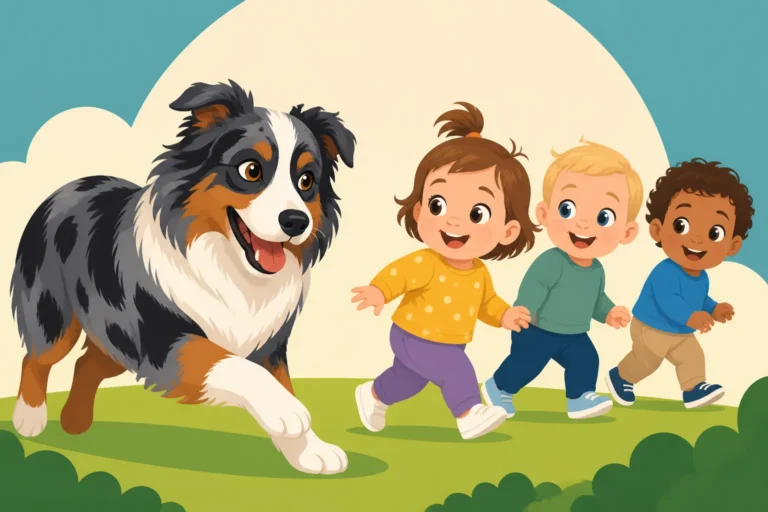
Australian Shepherd herding behavior toward toddlers stems from genetic instincts that owners can safely manage and redirect.

Australian Shepherd owners highlight relentless work drives, non-stop energy, and powerful herding instincts that define daily life.

Australian Shepherd protective instincts and herding heritage explained, detailing their watchful awareness, alert barking, and loyalty to families.

Australian Shepherd loyalty and one-person bonding habits stem from historical herding instincts and a deep need for human partnership.

Australian Shepherd reservedness stems from ranch breeding instincts and strong handler bonds, explaining stranger caution.

The official Australian Shepherd temperament standard explains the intelligence, energy levels, and working instincts of the breed.
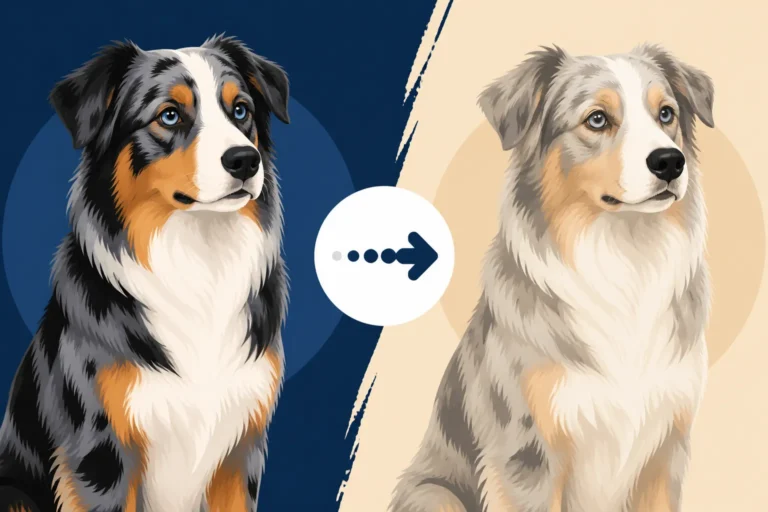
Australian Shepherd merle coats evolve as dogs age, changing from sharp puppy patterns into mature adult coats with softened contrast.
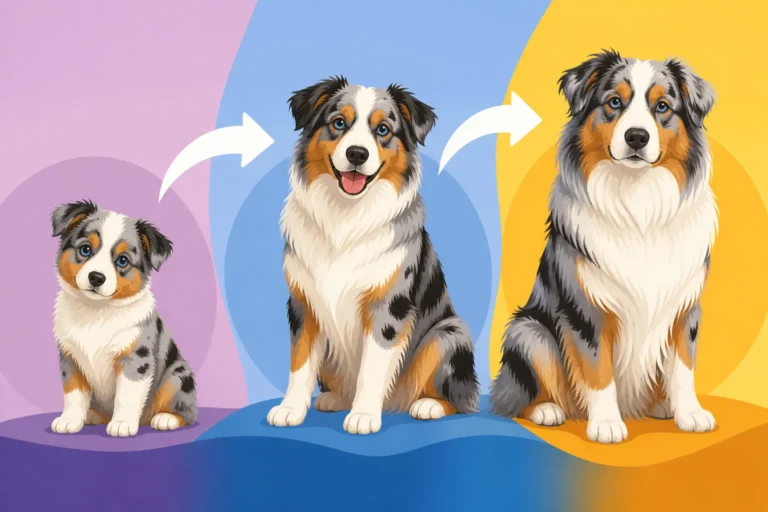
Australian Shepherd coat changes track the transition from soft puppy down through teenage shedding to the mature double coat.

Australian Shepherd eye color standards explain how judges evaluate blue, brown, amber, and mixed shades in the show ring.

Australian Shepherd heterochromia genetics explain why one blue eye and one brown eye occur through merle gene dilution.