How Many Aussie Puppies Arrive Without a Tail
Australian Shepherd tail variations and the T-box gene mutation explain why puppies are born with short nubs or full tails.
Is this the right one for you?
Origins and temperament, size and coat, what living with one is actually like, and how it compares to the breeds people weigh against it.
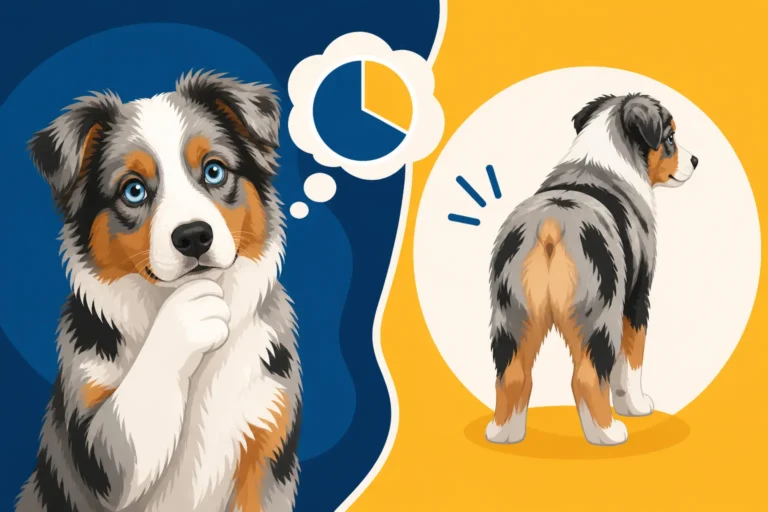
Australian Shepherd tail variations and the T-box gene mutation explain why puppies are born with short nubs or full tails.
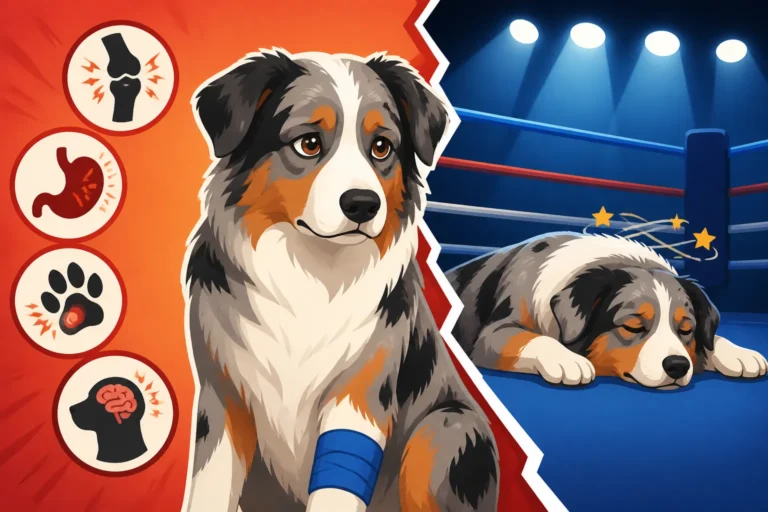
Australian Shepherd structural disqualifications and breed standard deviations explain why dogs fail in the show ring.
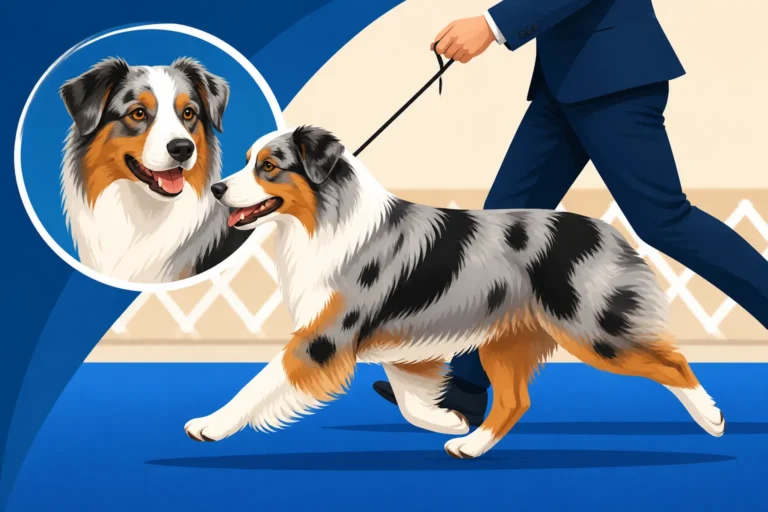
Australian Shepherd movement in the show ring reflects working heritage, demonstrating the balance, endurance, and agility required for herding.
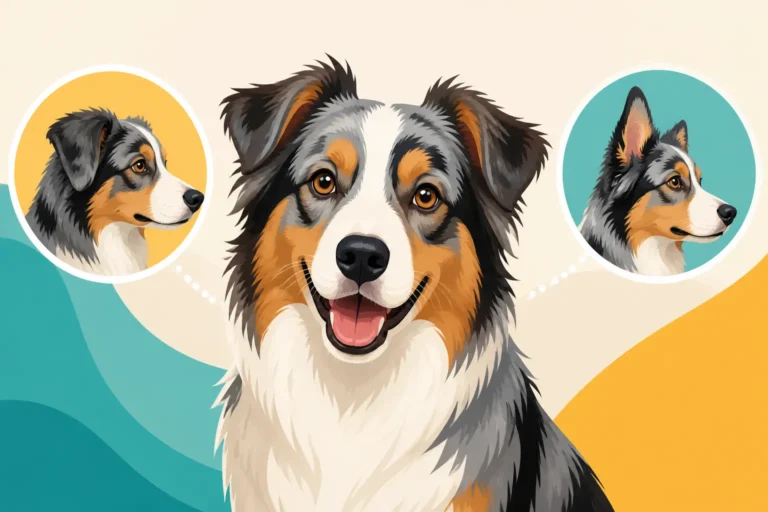
Australian Shepherd ear set and carriage details explain ASCA and AKC breed standards for rose and semi-prick types.
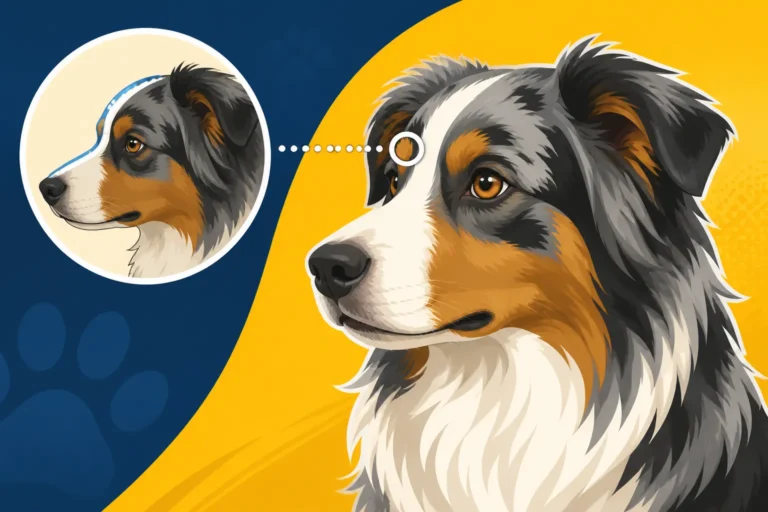
Australian Shepherd head structure and stop define the breed standard, reflecting intelligence, balance, and working capability.
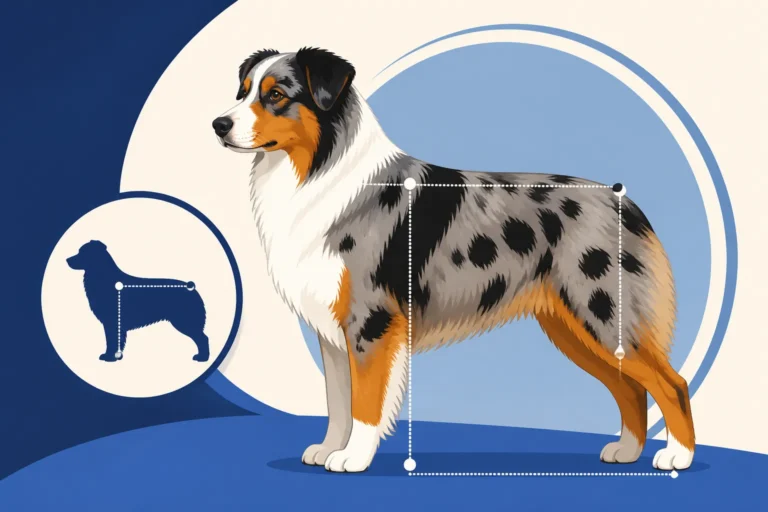
Australian Shepherd proportions explained through breed standard rules linking working ability, athletic performance, and long term health.
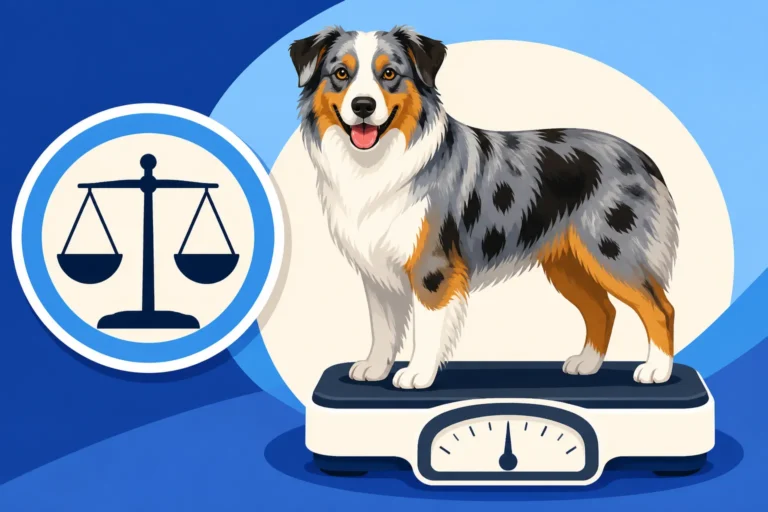
Australian Shepherd weight ranges and practical assessment methods for healthy adult males, adult females, and growing puppies.
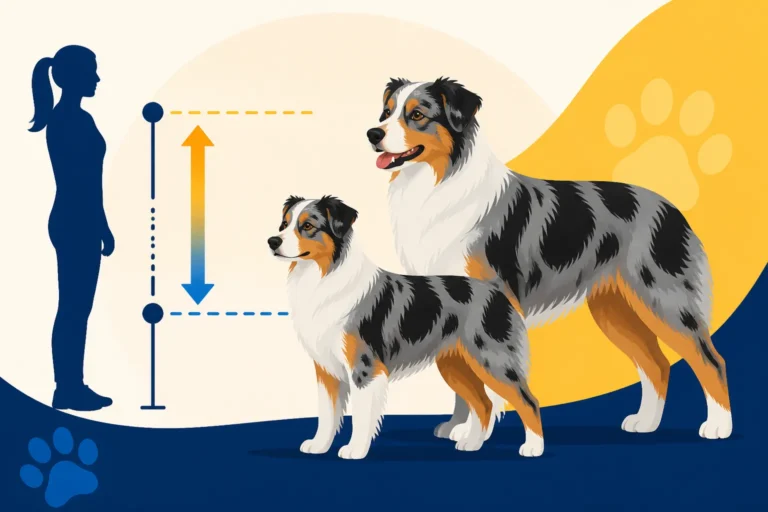
Official breed standards define the typical adult height range for a female Australian Shepherd as eighteen to twenty-one inches.
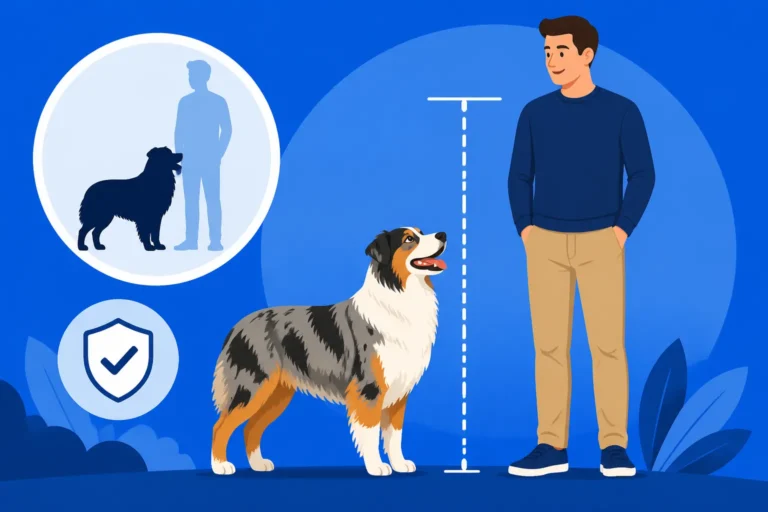
Male Australian Shepherd height ranges from 20 to 23 inches at the shoulder, with genetics shaping final growth.

ASCA and AKC Australian Shepherd standards compared, explaining how the two breed rulebooks differ regarding working abilities and conformation shows.