Putting MDR1 on an Australian Shepherd’s Collar Tag
Australian Shepherd collar tags communicating MDR1 status provide vital medical information during emergency veterinary visits.
Know what to watch for.
Breed-specific conditions, screening and DNA tests, what surgery actually costs, and the daily habits that stretch a healthy lifespan.
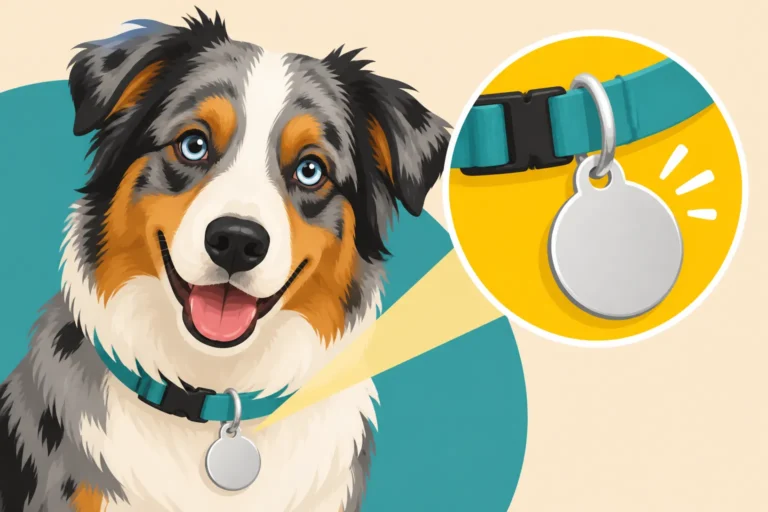
Australian Shepherd collar tags communicating MDR1 status provide vital medical information during emergency veterinary visits.
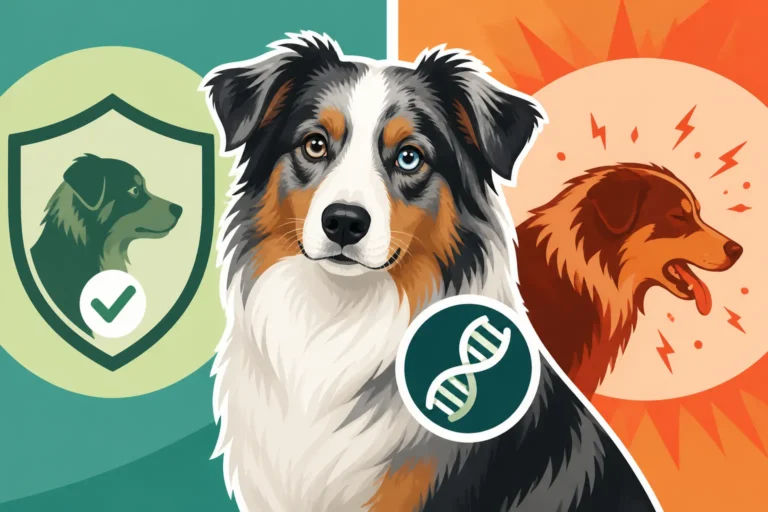
An MDR1 carrier Australian Shepherd rarely reacts to sensitive drugs because one functional gene provides sufficient protective brain proteins.
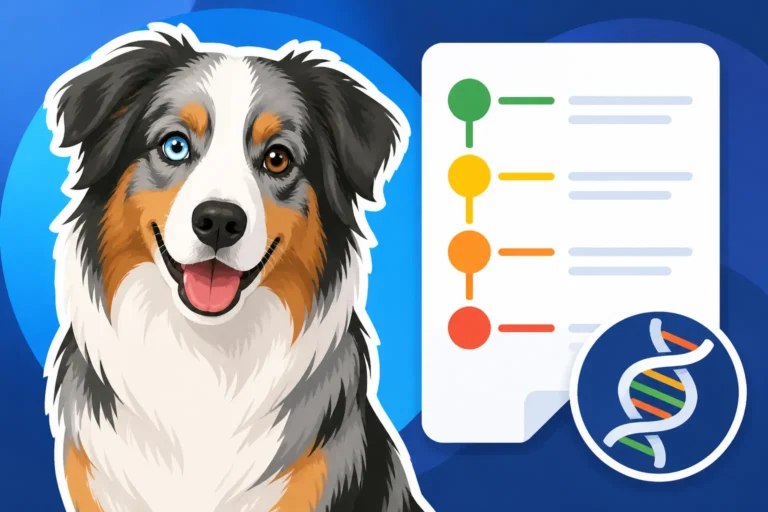
Australian Shepherd MDR1 test results explain genetic drug sensitivities, carrier statuses, and safe veterinary medication protocols for dogs.
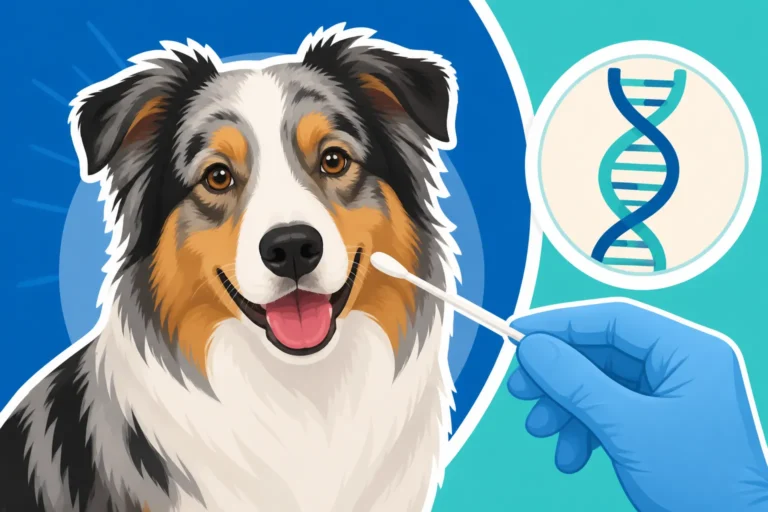
Australian Shepherd MDR1 testing using a simple cheek swab explains how to prevent life threatening adverse drug reactions.
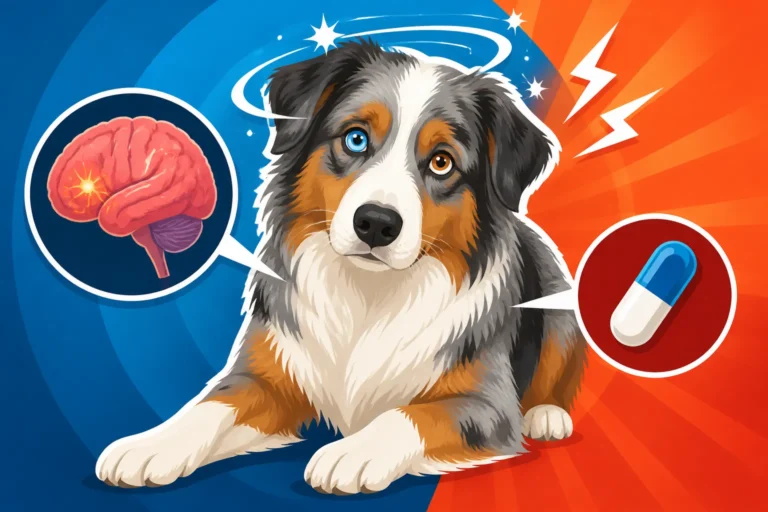
Australian Shepherd neurological signs from drug reactions, including seizures and coordination loss, require emergency veterinary care.
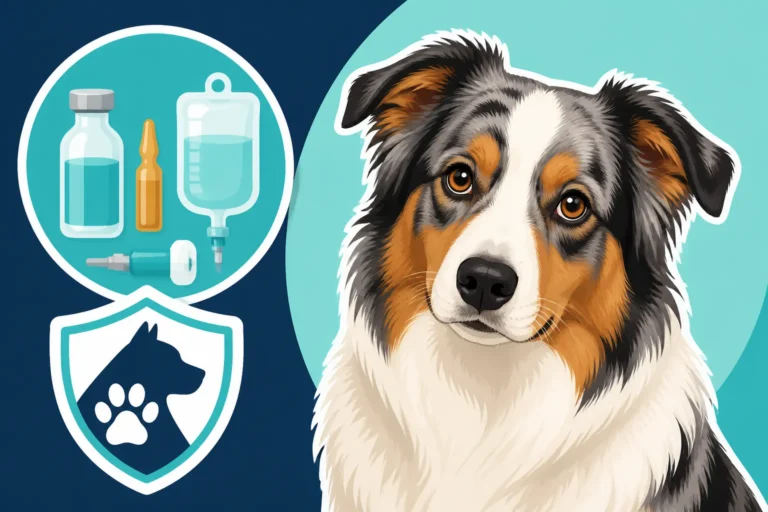
An MDR1 gene mutation in Australian Shepherds requires veterinarians to adjust anesthesia dosages and avoid specific high-risk drugs.
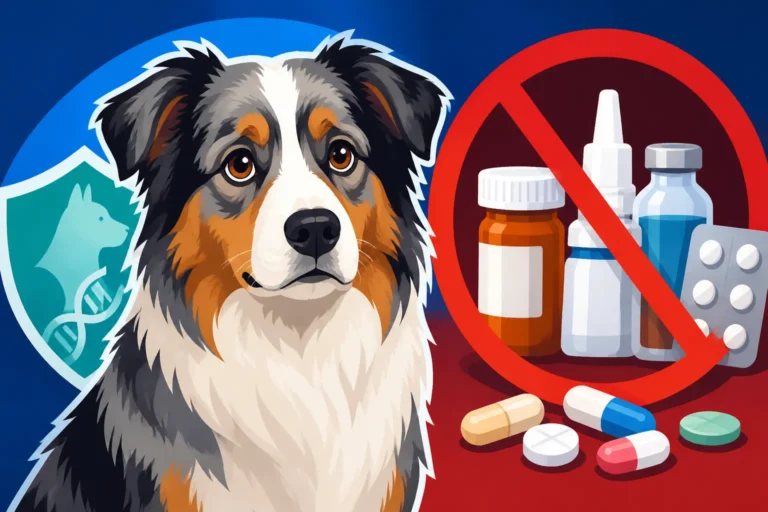
The MDR1 gene mutation causes severe drug toxicity in Australian Shepherds when given loperamide or other dangerous medications.
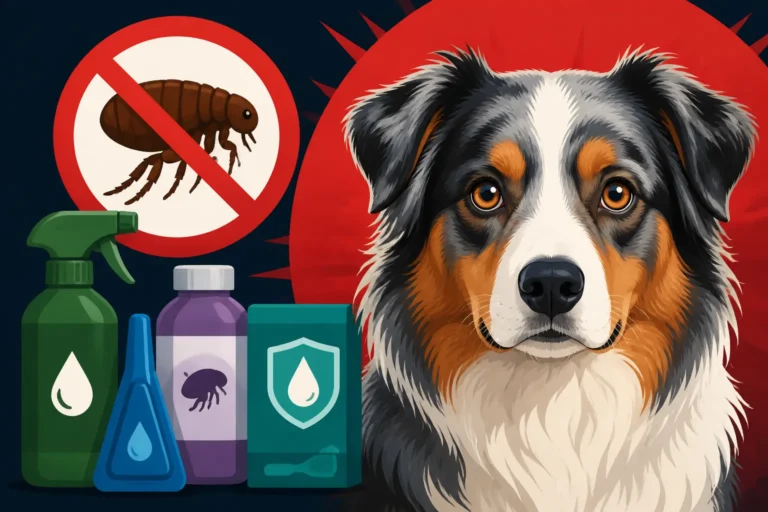
Certain flea products can harm Australian Shepherds with the MDR1 gene mutation, making safe preventative choices vital.
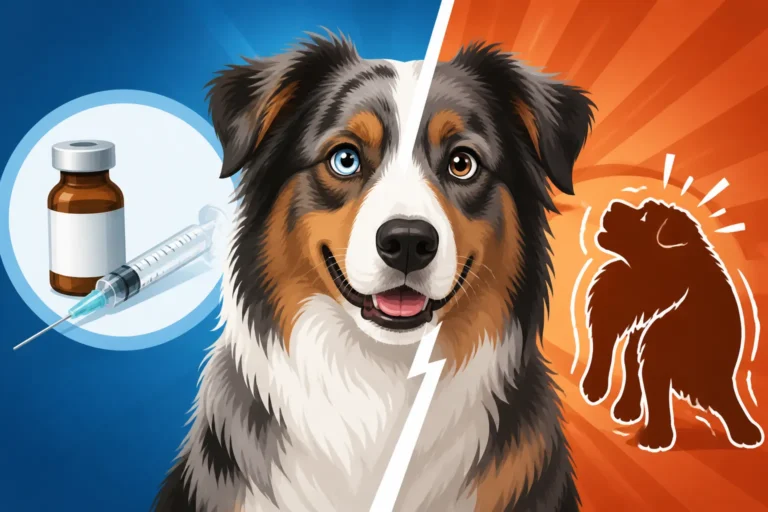
MDR1 Australian Shepherd sensitivity to ivermectin causes severe neurotoxicity and seizures, requiring immediate emergency veterinary care.
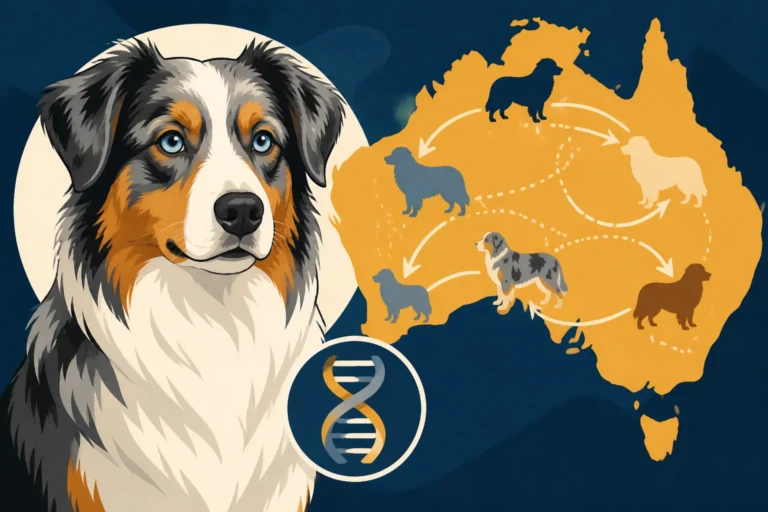
The MDR1 gene mutation spread through Australian Shepherd lines via historical breeding practices, popular sires, and shared herding ancestry.