The Cheek Swab That Tests Australian Shepherd MDR1
It's a truly gut-wrenching feeling to wonder if the medicine you're giving your beloved Australian Shepherd might actually be harming them, rather than helping. The fear of an adverse drug reaction, especially with something as common as flea prevention or a routine vet sedative, is a very real and valid concern for Aussie owners. Thankfully, we have a straightforward and incredibly important tool at our disposal: the cheek swab test for the MDR1 gene, which this guide will explore in detail.
Unpacking the MDR1 Mutation and Its Critical Impact on Your Aussie
For many Australian Shepherd parents, the term "MDR1" floats around conversations at the dog park or comes up in breed-specific forums, often with a whisper of worry. But what exactly is this Multi-Drug Resistance 1 mutation, and why does it carry such significant weight for our furry family members? Simply put, MDR1 is a genetic mutation that can affect a dog's ability to process and eliminate certain drugs from their brain and central nervous system. It's a fundamental piece of their biological makeup that dictates how they interact with specific medications.
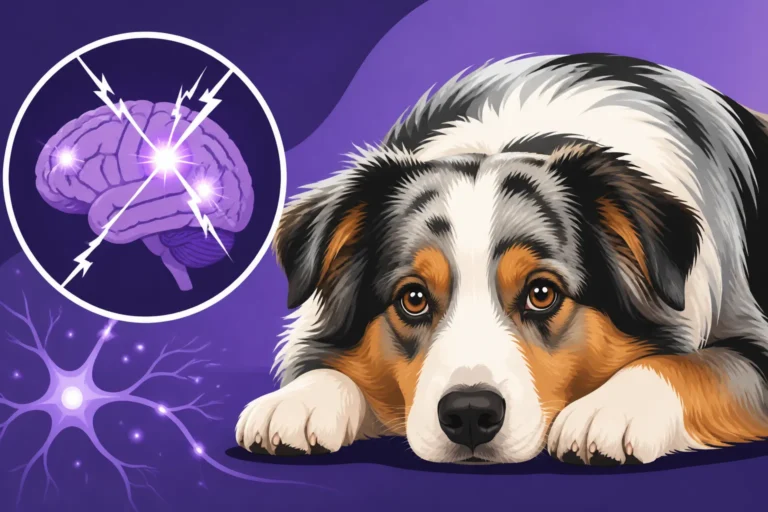
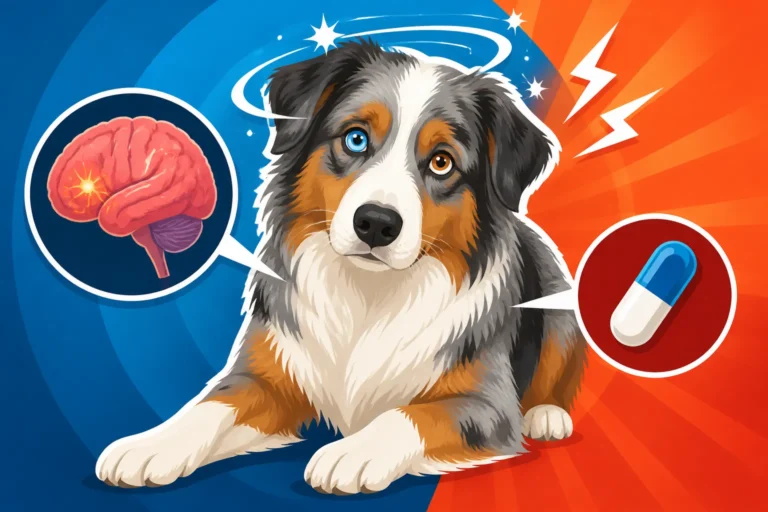
The core issue stems from a faulty protein, known as P-glycoprotein, which acts like a bouncer at the blood-brain barrier. In a dog with a normal MDR1 gene, this protein actively pumps certain toxins and drugs out of the brain, keeping it safe. When an Australian Shepherd inherits a mutated version of the MDR1 gene, this P-glycoprotein doesn't work correctly, or doesn't work at all. This means that certain medications, instead of being safely ushered out, can accumulate in the brain at toxic levels. The consequences can range from neurological issues like seizures, disorientation, and tremors, to coma and even death. It's not just a theoretical risk; it's a very real danger that has unfortunately affected countless dogs. We delve deeper into What MDR1 Does Inside an Australian Shepherd Brain in another discussion.
Australian Shepherds are one of the breeds with a notably high prevalence of the MDR1 mutation, with studies showing that nearly half of the breed population can carry at least one copy of the faulty gene. This isn't a problem unique to show dogs or working lines; it's widespread throughout the breed. This high prevalence is why genetic testing is not just recommended, but truly essential for every Aussie, regardless of their lineage or apparent health. It’s a proactive step that protects your dog from potential harm. Understanding The MDR1 Mutation Half of Australian Shepherds Carry provides more context on why this is so common. Knowing your dog's MDR1 status isn't just about avoiding a few obscure drugs; it impacts how your veterinarian approaches everything from routine parasite prevention to anesthesia for surgery. It’s about ensuring that critical medical decisions are made with your dog’s unique genetic makeup in mind, preventing a crisis before it even begins.
Understanding the Cheek Swab Test for MDR1
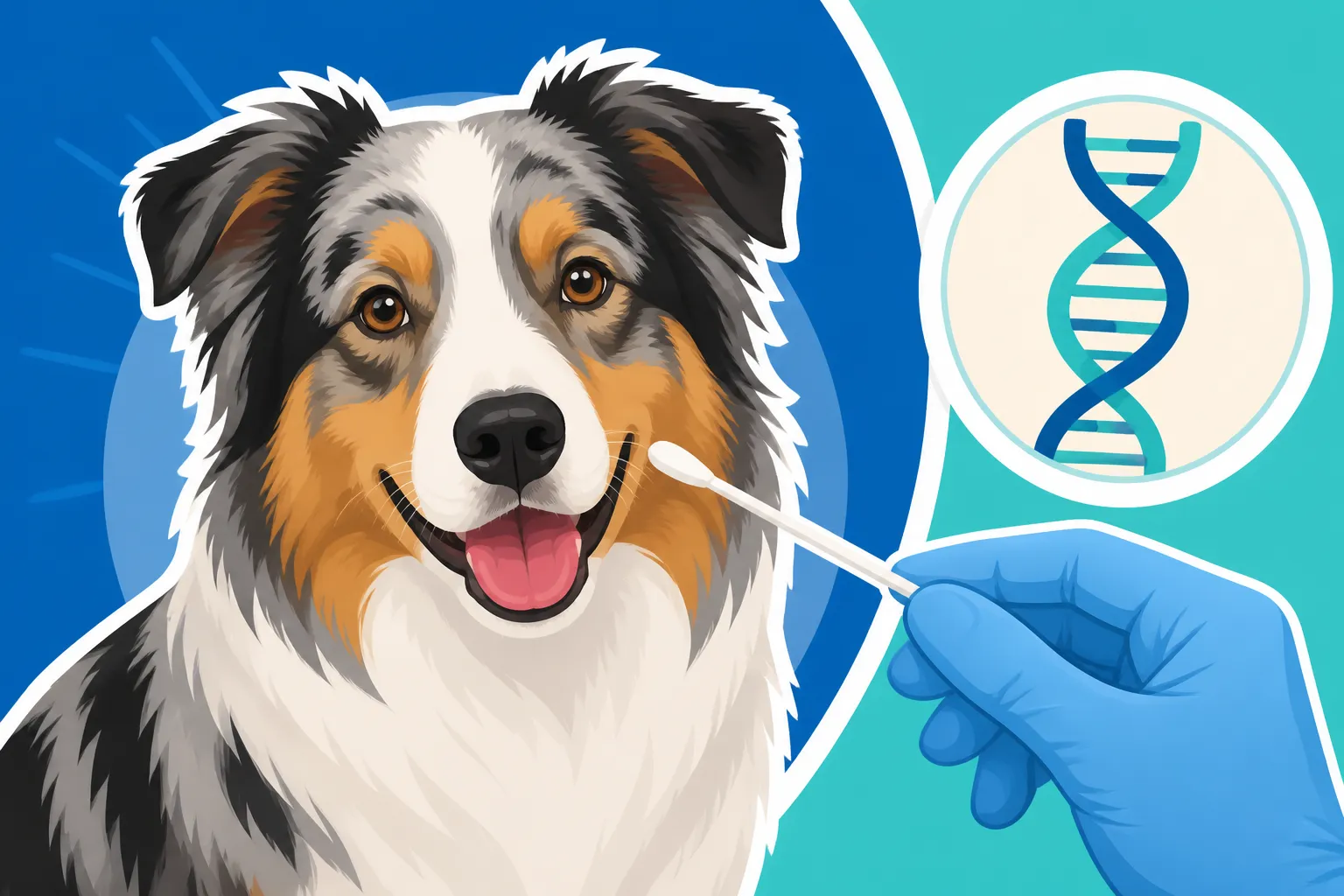
The good news amidst the serious nature of MDR1 is that identifying your Australian Shepherd's status is incredibly easy, non-invasive, and can be done right in the comfort of your own home. Forget stressful vet visits for blood draws; the MDR1 test typically relies on a simple cheek swab. This method makes it accessible for even the most anxious dogs and busy owners.
The process usually begins by ordering a test kit from a reputable genetic testing laboratory. Companies like Optimal Selection (part of Wisdom Panel) or Paw Print Genetics are well-known for offering comprehensive genetic panels that include MDR1 testing. Once your kit arrives, you'll find everything you need: usually a few sterile swabs, instructions, and a return envelope. The instructions will guide you through collecting a sample from inside your dog's mouth. The goal is to collect cells from the inner cheek and gum line. You'll typically be asked to rub the swab firmly but gently against these areas for about 10-15 seconds per swab, making sure to get a good amount of cellular material. It’s important to avoid feeding your dog for at least an hour before swabbing to ensure the sample isn't contaminated with food particles, which can interfere with the analysis. Many kits come with multiple swabs, allowing you to get a robust sample.
After collection, the swabs need to air dry according to the kit's instructions, usually for a few minutes, to prevent mold growth during shipping. Then, you simply package them back into the provided envelope or tube, fill out any necessary forms, and mail them back to the lab. The turnaround time for results can vary, often ranging from a few weeks to a couple of months, depending on the lab and the demand. While the cost of this genetic test is an out-of-pocket expense, it's a small price to pay for such critical health information. Thinking about the long-term health of your Aussie, just as you'd plan for regular vet check-ups or unexpected illnesses with providers like Healthy Paws, this preventative test is a foundational piece of their overall well-being. It helps you avoid potential costly and life-threatening emergencies down the road. Comprehensive genetic testing, often including MDR1, is a key component of The Genetic Panel Every Australian Shepherd Needs to ensure their health is managed proactively.
Interpreting Your Australian Shepherd's MDR1 Test Results
Once the anticipation is over and your lab results arrive, it's crucial to understand what those letters and slashes actually mean for your Australian Shepherd's health. The MDR1 test will typically report one of three possible genotypes, each with distinct implications for drug sensitivity and, if applicable, breeding. These genotypes are usually presented as N/N, M/N, or M/M. Don't worry, we'll break down each one.
The 'N' stands for a "normal" or non-mutated gene, while 'M' signifies the "mutated" MDR1 gene.
-
N/N (Homozygous Normal or "Clear"): This is the best-case scenario. An Australian Shepherd with an N/N result has two normal copies of the MDR1 gene. Their P-glycoprotein pump works perfectly, effectively removing drugs from the brain. This means your dog is not expected to have adverse reactions to MDR1-sensitive drugs at normal dosages. You still, of course, follow your vet's instructions for any medication, but this particular genetic risk is off the table.
-
M/N (Heterozygous or "Carrier"): A dog with an M/N result has one normal copy and one mutated copy of the MDR1 gene. They are considered a "carrier" of the mutation. While they possess some functioning P-glycoprotein, their system isn't as efficient as an N/N dog's. This means they can be sensitive to certain drugs, though often less severely than an M/M dog. It's absolutely critical for vets to be aware of an M/N status, as drug dosages may still need to be adjusted, or alternative medications chosen, to prevent adverse reactions. You can explore Whether an MDR1 Carrier Australian Shepherd Ever Reacts for more detailed insights.
-
M/M (Homozygous Mutated or "Affected"): This result indicates that your Australian Shepherd has two copies of the mutated MDR1 gene. Their P-glycoprotein pump is severely compromised or non-functional. Dogs with an M/M genotype are highly sensitive to drugs affected by the MDR1 mutation and are at the highest risk for severe, life-threatening reactions if given these medications at standard doses. For these dogs, strict avoidance or significant dosage adjustments under strict veterinary guidance is absolutely paramount. Understanding Reading an Aussie MDR1 Result Line by Line can help you demystify the report further.
Here’s a helpful table summarizing these genotypes:
| Genotype | Description | Drug Sensitivity | Breeding Implications |
|---|---|---|---|
| N/N | Homozygous Normal | No expected sensitivity to MDR1 drugs | Can be bred with any dog without passing on the mutation. |
| M/N | Heterozygous Carrier | May show sensitivity; dose adjustment needed | Should only be bred with N/N dogs to avoid producing M/M offspring. 50% chance of passing M. |
| M/M | Homozygous Affected | Highly sensitive; drugs generally avoided | Should ideally not be bred, as all offspring will inherit at least one mutated gene copy (M/N or M/M). |
Regardless of the result, knowing your Aussie’s MDR1 status provides invaluable information that empowers you and your veterinarian to make the safest and most informed treatment decisions throughout your dog's life.
Living with an MDR1 Positive or Carrier Australian Shepherd
Discovering your Australian Shepherd is an MDR1 carrier (M/N) or affected (M/M) might feel a bit daunting at first, but it's important to remember that this knowledge is a superpower. It allows you to take proactive steps to ensure your dog lives a long, healthy life free from preventable drug reactions. The most critical first step is to immediately inform your veterinarian. Provide them with a copy of the test results and discuss it thoroughly. Having this information in their permanent record is non-negotiable. It's a key part of Telling Your Vet an Australian Shepherd Is MDR1 Positive.
One of the most practical things you can do is maintain a comprehensive, up-to-date list of drugs that are known to interact negatively with the MDR1 mutation. This list isn't just for you; it's for anyone who might be involved in your dog's care. Common offenders include certain anti-parasitics like Ivermectin (at higher doses, though some heartworm preventatives are generally safe, as discussed in Why Heartworm Doses Are Still Safe for an MDR1 Aussie), Loperamide (an anti-diarrheal), and some chemotherapy drugs, among others. Your vet will be able to provide the most current and complete list relevant to your dog. For a deeper dive into dangerous medications, refer to The Drugs an MDR1 Australian Shepherd Cannot Take. For flea and tick prevention, there are plenty of excellent alternatives that are safe for MDR1 Aussies, which you can learn about in Parasite Prevention Safe for an MDR1 Australian Shepherd.
Beyond your primary vet, you'll want to take steps for emergency situations. Consider having your dog wear a collar tag or harness patch clearly indicating "MDR1 Positive" or "MDR1 Sensitive." This immediate visual cue can be life-saving if your dog ever needs emergency care when you're not present or unable to communicate effectively. Think about adding a note to your phone with your dog's MDR1 status and a list of contraindicated drugs. This foresight is crucial for Emergency Vet Instructions for an MDR1 Australian Shepherd. If you travel with your Aussie or use boarding kennels, daycare facilities, or pet sitters, always ensure they are fully aware of your dog's MDR1 status and have clear instructions on medication protocols. It’s an extra layer of protection that gives you peace of mind.
While this guide focuses on the cheek swab test, it’s worth a brief mention regarding breeding. If your Aussie is M/N or M/M, responsible breeding practices dictate careful consideration. Breeding an M/N dog with another M/N or M/M dog can result in M/M offspring. This is a significant ethical consideration, and you can learn more about it in Whether an MDR1 Australian Shepherd Should Be Bred. For many owners, an MDR1 positive or carrier status simply becomes a manageable aspect of their dog's health profile, akin to managing allergies or a sensitive stomach. With the right information and open communication with your veterinary team, you can confidently navigate your Aussie’s healthcare, knowing you’re doing everything possible to keep them safe and thriving. Being proactive about these genetic predispositions helps you mitigate risks, and knowing that you've got a plan, perhaps even with the help of pet insurance like Healthy Paws for unexpected veterinary costs down the line, can truly ease your mind.
Disclaimer
The information provided in this article is for general informational purposes only and is not a substitute for professional veterinary advice. Always consult with a qualified veterinarian for any health concerns or before making any decisions related to your Australian Shepherd's medical care, diet, or treatment. Drug protocols for MDR1 sensitive dogs must be determined by a veterinarian.