Loperamide and Other Drugs That Harm an MDR1 Aussie
It’s a truly frightening thought for any dog owner: unknowingly giving your beloved Australian Shepherd a medication meant to help, only for it to cause a severe, life-threatening reaction. The reality is, for many Aussies, certain common drugs can be incredibly dangerous due to a genetic mutation called MDR1. This guide is here to shed light on loperamide and other medications that can harm an MDR1 Australian Shepherd, helping you understand the risks and protect your furry family member.
Understanding the MDR1 Mutation and Drug Sensitivity
The MDR1 mutation is one of those silent threats that many Australian Shepherd owners might not even be aware of until an emergency strikes. It’s not about how well you care for your dog; it's about a tiny, invisible genetic difference that has enormous implications for their health. Knowing about it is the first critical step in protecting your Aussie.
What is the MDR1 Gene and How it Affects Aussies?
Let's break down what the MDR1 gene actually does. MDR1 stands for Multi-Drug Resistance 1. This gene is responsible for producing a protein called P-glycoprotein, which acts like a tiny bouncer or pump at various critical barriers in the body, including the blood-brain barrier, intestines, kidneys, and liver. Its job is essentially to pump certain drugs and toxins out of sensitive areas, preventing them from accumulating to harmful levels. Think of it as your dog's natural defense mechanism against drug overdose, especially in the brain.
In Australian Shepherds, and several other herding breeds like Collies and Shetland Sheepdogs, a mutation in the MDR1 gene can lead to a dysfunctional or completely absent P-glycoprotein. This isn't just a minor tweak; it means that the "bouncer" isn't doing its job effectively. When certain drugs enter an MDR1-affected Aussie's system, they aren't pumped out as they should be. Instead, they build up, particularly in the brain, reaching toxic levels that can cause severe neurological problems. It’s a bit like having a leaky roof; the water (drugs) just keeps coming in, and there’s no effective way to get it out. If you're curious about the mechanics, a deeper dive into What MDR1 Does Inside an Australian Shepherd Brain can provide more detailed insights.
How the Mutation Leads to Drug Toxicity
The consequences of this faulty P-glycoprotein are profound. Normally, when your Aussie takes a medication, a certain amount is absorbed and then metabolized and excreted by the body. For an Aussie with the MDR1 mutation, this process is disrupted. Drugs that would typically be kept out of the brain by the P-glycoprotein pump now have free access. This direct entry into the central nervous system is what causes the most serious issues.
Imagine giving a standard dose of a medication to your dog. For an MDR1-normal dog, that dose might result in a therapeutic concentration in the blood and a very low, safe concentration in the brain. For an MDR1-mutant dog, that same standard dose could lead to a massively elevated concentration in the brain, turning a helpful medicine into a potent neurotoxin. This overexposure can manifest in a range of clinical signs, from mild disorientation to life-threatening seizures and coma. The severity often depends on the specific drug, the dosage, and whether the dog is homozygous (two copies of the mutated gene) or heterozygous (one copy, often called a carrier) for the mutation. Even carriers can experience adverse reactions, though typically less severe than those with two copies. Understanding this mechanism is vital because it means that even drugs considered safe for most dogs can be incredibly dangerous for an Aussie with this specific genetic predisposition.
Loperamide and Other Highly Dangerous Medications for MDR1 Aussies
It's a scary truth that some of the medications you might have in your own medicine cabinet, or that are commonly prescribed, can pose a serious threat to an Australian Shepherd with the MDR1 mutation. Being aware of these specific drugs is paramount to preventing a potential crisis.
Loperamide: A Common Culprit
Loperamide, often known by its brand name Imodium, is an over-the-counter anti-diarrhea medication that many people keep on hand. It works by slowing down gut motility, helping to firm up stool and reduce frequency. For humans, and most dogs, it's generally safe when used as directed for acute diarrhea. However, for an Australian Shepherd with the MDR1 mutation, loperamide is exceptionally dangerous.
The reason lies in its chemical nature: loperamide is an opioid-like drug. In dogs with a functional MDR1 gene, P-glycoprotein actively pumps loperamide out of the brain, preventing it from having central nervous system effects. But without that functioning pump, loperamide can easily cross the blood-brain barrier and accumulate in the brain. There, it acts as a potent opioid, leading to severe neurological depression. This isn't just a little drowsiness; we're talking about profound sedation, coordination problems (ataxia), dilated pupils, vomiting, tremors, and in severe cases, life-threatening respiratory depression, coma, and even death. It’s a classic example of how a seemingly benign drug can become a deadly poison for a genetically predisposed Aussie. Never give your Australian Shepherd loperamide unless specifically directed and monitored by a veterinarian who is fully aware of your dog's MDR1 status. It's often safer to simply withhold food for 12-24 hours and encourage water if your Aussie has mild diarrhea, rather than risk an adverse drug reaction.
The "Ivermectin Family" and Parasite Preventatives
When people first hear about MDR1, often the drug that comes to mind is ivermectin. It's notorious for causing severe neurotoxicity in affected herding breeds, leading to tremors, blindness, ataxia, coma, and even death. While high doses of ivermectin, like those used for treating mange, are extremely dangerous, it's important to understand the nuances, especially regarding common parasite preventatives.
Many popular heartworm medications and flea/tick preventatives contain drugs from the "ivermectin family" or similar macrocyclic lactones. These include:
- Ivermectin: Found in some heartworm preventatives (like Heartgard) at very low, generally safe doses for MDR1-affected dogs, but highly toxic at higher doses used for treating certain parasites. Read more about How an MDR1 Australian Shepherd Reacts to Ivermectin.
- Selamectin: (e.g., Revolution)
- Milbemycin oxime: (e.g., Interceptor, Sentinel)
- Moxidectin: (e.g., ProHeart, Advantage Multi)
The good news is that most monthly heartworm preventatives and many flea/tick products contain these drugs at very low concentrations that are generally considered safe for MDR1-affected dogs. The P-glycoprotein pump isn't completely overwhelmed at these low doses, even if it's not working perfectly. However, it's absolutely crucial to always confirm with your veterinarian, and ideally, have your dog tested for MDR1. Products like Trifexis (which contains milbemycin oxime and spinosad) should be used with caution, and your vet might recommend alternative options that are explicitly labeled as safe for MDR1-affected dogs. Always be diligent about checking product labels and discussing your Aussie's MDR1 status with your vet when considering any new parasite preventative. Further information on The Flea Products Dangerous to an MDR1 Aussie can guide your choices.
Anesthetics, Sedatives, and Pain Relievers
Beyond loperamide and antiparasitics, there's a wider range of medications that require extreme caution or complete avoidance in MDR1-affected Australian Shepherds. These drugs can have serious implications, especially during veterinary procedures or for managing pain.
- Acepromazine: This commonly used sedative and pre-anesthetic can cause prolonged and profound sedation, and a significant drop in blood pressure in MDR1-affected dogs, even at reduced doses. Its effects are much more exaggerated due to the impaired drug efflux from the brain.
- Butorphanol: An opioid pain reliever and sedative, butorphanol can also lead to more pronounced and prolonged sedation and respiratory depression in MDR1 Aussies.
- Vincristine and Vinblastine: These are chemotherapy drugs. For MDR1-affected dogs, the normal doses can cause severe bone marrow suppression and gastrointestinal toxicity because the drugs are not adequately removed from the body, leading to higher systemic exposure.
- Cyclosporine: An immunosuppressant drug, cyclosporine can also accumulate to toxic levels in MDR1-affected dogs, potentially causing kidney damage or other adverse effects.
- Doxorubicin: Another chemotherapy agent that can cause increased toxicity in MDR1-affected individuals.
The key takeaway here is that any time your Australian Shepherd needs medication, especially for surgery or ongoing treatment, your veterinarian must be fully informed of their MDR1 status. They will then be able to adjust dosages or select alternative drugs that are safer for your dog. For instance, Anesthetics That Need Adjusting for an MDR1 Aussie delves into the specific considerations vets make in these situations. It underscores the importance of a clear and open dialogue with your veterinary team about your Aussie's unique genetic needs.
Recognizing Symptoms of Drug Toxicity and Emergency Response
Even with the best precautions, accidents can happen. Perhaps your Aussie managed to get into a dropped pill, or a new veterinarian was unaware of their specific sensitivities. Knowing how to spot the signs of drug toxicity is absolutely critical, as rapid intervention can make all the difference.
Subtle to Severe Neurological Signs
The symptoms of drug toxicity in an MDR1-affected Australian Shepherd primarily manifest as neurological problems, because the harmful drugs accumulate in the brain. The signs can vary depending on the specific drug, the dose ingested, and the individual dog's sensitivity. They can range from subtle and easily missed, to overtly dramatic and life-threatening.
Initially, you might notice your Aussie acting "off." This could include:
- Lethargy or unusual sluggishness: More than just being tired, they might seem profoundly sedated, unresponsive, or difficult to rouse.
- Vomiting and excessive drooling: These are common initial signs of discomfort and systemic reaction.
- Ataxia (loss of coordination): Your dog might stumble, sway, have difficulty walking in a straight line, or appear "drunk." They may fall over easily.
- Disorientation or confusion: They might stare blankly, get stuck in corners, not recognize familiar people, or seem generally out of sorts.
- Dilated pupils: Their eyes might look unusually dark because the pupils are wide open.
- Tremors or muscle twitching: Involuntary muscle movements can indicate neurological irritation.
As the toxicity progresses or if a large dose was ingested, the symptoms can escalate quickly:
- Severe depression or stupor: The dog becomes extremely difficult to rouse, almost comatose.
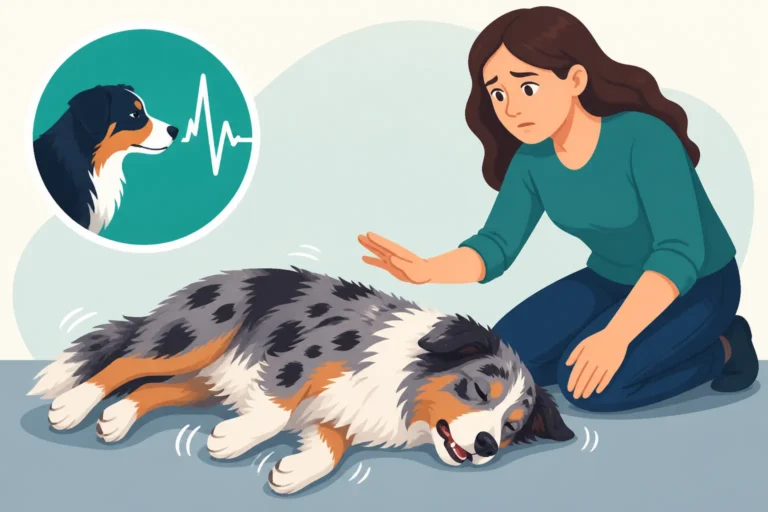
- Seizures: Uncontrolled muscle spasms, paddling, drooling, and loss of consciousness.
- Blindness: Temporary or permanent vision loss can occur.
- Respiratory depression: Slow, shallow, or labored breathing, which is a life-threatening emergency.
- Coma and death: The ultimate tragic outcome if not treated promptly.
Every minute counts when these symptoms appear. If you notice any of these signs after your Aussie has ingested a medication or even if you just suspect they might have, consider it an emergency. For a comprehensive list, consult Neurological Signs an Aussie Is Reacting to a Drug.
Immediate Action in Case of Exposure
If you suspect your Australian Shepherd has ingested a dangerous medication, or is showing any of the signs of drug toxicity discussed above, do not wait. This is a true emergency requiring immediate veterinary attention.
Here's what you need to do:
- Stay calm: Panicking won't help your dog, though it's easier said than done.
- Contact your emergency veterinarian immediately: Don't try to handle it yourself or wait for your regular vet to open if it's after hours. Call ahead to let them know you're coming and explain the situation – specifically mentioning your Aussie's MDR1 status (if known) and what drug they might have ingested.
- Gather information: If you know what drug was ingested, bring the packaging or bottle with you. Note the approximate time of ingestion and the quantity if possible. If your Aussie has an MDR1 test result, bring that too.
- Do not induce vomiting unless advised by a vet: Sometimes, inducing vomiting can do more harm than good, especially if the drug is corrosive, or if your dog is already showing neurological signs like severe lethargy or seizures, as they could aspirate their vomit.
- Transport safely: Get your dog to the vet as quickly and safely as possible. If they are having seizures or are severely lethargic, ensure they are stable and won't injure themselves during transport.
Early intervention by a veterinary professional is crucial. They may initiate treatments such as activated charcoal to absorb remaining toxins in the stomach, intravenous fluids, supportive care for breathing and blood pressure, and specific medications to counteract neurological symptoms. Having a plan for these unexpected moments, perhaps even a pet insurance policy like Healthy Paws, can make navigating the financial stress of emergency care a little easier. Being prepared means you can focus entirely on your Aussie's recovery. For specific instructions, refer to Emergency Vet Instructions for an MDR1 Australian Shepherd.
Proactive Management and Communication with Your Vet
Living with an Australian Shepherd with the MDR1 mutation doesn't have to be a constant source of worry, but it does require diligence and excellent communication. Proactive management is the best defense against accidental drug toxicity.
Getting Your Aussie Tested for MDR1
The single most important step you can take to protect your Australian Shepherd is to get them tested for the MDR1 mutation. This isn't just for breeding dogs; it's vital for every Aussie, regardless of their background or intended future. Knowing their status gives you and your veterinarian critical information that can literally save their life.
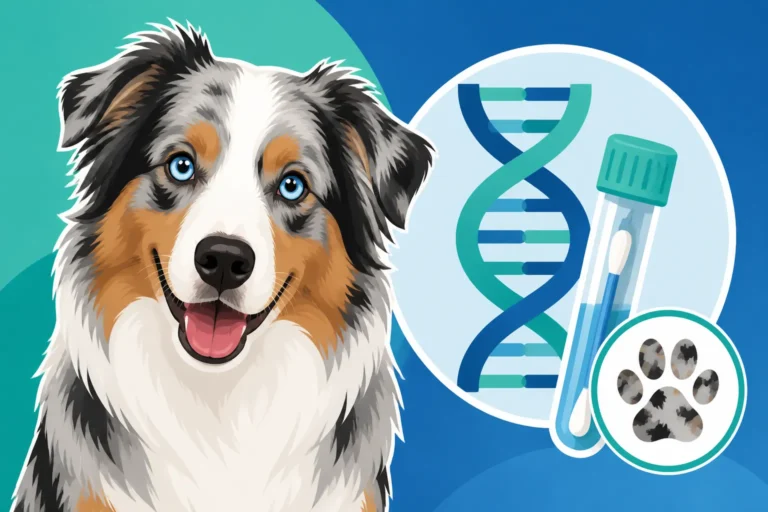
The good news is that testing is incredibly easy and non-invasive. Most tests involve a simple cheek swab that you can often do at home or have your vet perform. You collect cells from inside your dog's cheek, send the sample to a specialized veterinary genetics lab, and within a few weeks, you'll receive a report indicating whether your dog is:
- Normal/Clear (N/N): They have two normal copies of the gene and are not affected.
- Carrier (N/M): They have one normal copy and one mutated copy. They are generally less sensitive than affected dogs but can still react to certain drugs, especially at higher doses. It's important to know Whether an MDR1 Carrier Australian Shepherd Ever Reacts.
- Affected (M/M): They have two mutated copies of the gene and are highly sensitive to the harmful drugs.
This small investment in a cheek swab test yields lifelong peace of mind and empowers you to make informed decisions about your Aussie's care. Many reputable breeders will test their breeding stock and provide results for puppies, but if you don't have this information, get your Aussie tested as soon as possible. It's often part of The Genetic Panel Every Australian Shepherd Needs recommended for Aussies.
Arming Your Vet with Information
Once you have your Australian Shepherd's MDR1 test results, it’s not enough to just file them away. You need to make sure this critical information is readily accessible to every veterinary professional who might ever treat your dog. This includes your regular vet, any emergency vets, specialists, or even a kennel vet if your dog boards.
Here are practical steps to ensure your vet team is always in the loop:
- Share the official report: Provide a copy of your Aussie's genetic test results to your primary veterinarian. Ask them to scan it into your dog's permanent medical record and flag it prominently.
- Discuss a drug protocol: Work with your vet to create a clear protocol for medications. This might involve listing safe alternatives for common treatments or specific dose adjustments for necessary drugs.
- Verbal communication is key: Before any procedure, prescription refill, or even a simple vaccination (it's good practice to consider Australian Shepherd Vaccination and MDR1 Concerns), verbally remind your vet or vet tech about your dog's MDR1 status. Don't assume they'll always remember or see the flag in the chart.
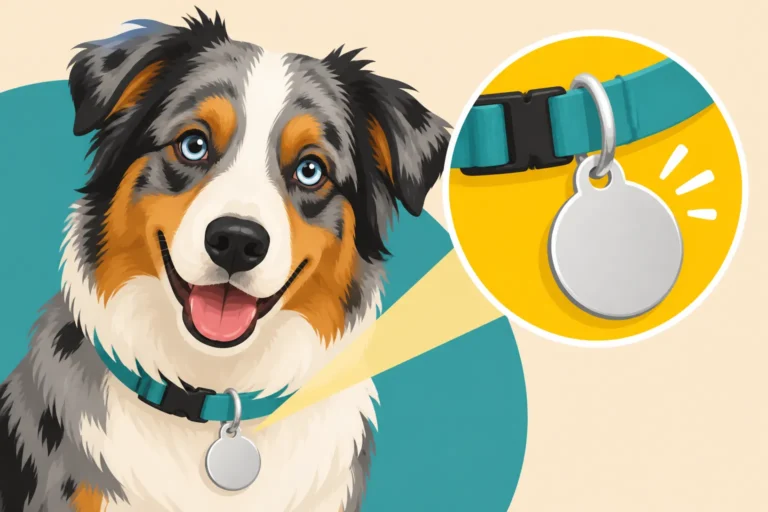
- Medical alert tag/collar: Consider getting a special tag for your Aussie's collar that clearly states "MDR1 Mutant" or "MDR1 Sensitive" and includes your vet's contact info. This is invaluable in an emergency situation where you might not be present or able to communicate.
- Keep a personal record: Maintain your own list of drugs that are dangerous or require caution for your Aussie. This helps you advocate for your dog if there's ever a question.
Being your Australian Shepherd's best advocate means being prepared and proactive. While no one wants to think about unexpected vet bills, having pet insurance like Healthy Paws can provide a crucial financial safety net, especially when dealing with the potential complexities and costs associated with managing an MDR1-affected dog or an accidental drug exposure. Proactive steps and clear communication can prevent much heartache down the line. For more on this, check out Telling Your Vet an Australian Shepherd Is MDR1 Positive.
Here is a table summarizing some common drugs and their risk levels for MDR1-affected Australian Shepherds:
| Drug Category | Specific Drugs (Examples) | Risk Level for MDR1 Aussie | Why it's a risk | Notes |
|---|---|---|---|---|
| Anti-Diarrhea | Loperamide (Imodium) | High | Severe neurotoxicity, respiratory depression, coma due to opioid effects in brain. | Avoid completely. Never give without explicit vet guidance aware of MDR1 status. |
| Antiparasitics | Ivermectin (high doses) | High | Severe neurotoxicity, tremors, blindness, death. | Low doses in heartworm preventatives are generally safe, but always verify with vet. |
| Selamectin (Revolution) | Moderate to Low | Generally safer at preventative doses, but caution with higher treatment doses. | Most topical/oral flea/tick products with these drugs are generally considered safe at preventative doses. Always confirm with your vet. | |
| Milbemycin oxime (Interceptor) | Moderate to Low | Same as above. | ||
| Moxidectin (Advantage Multi) | Moderate to Low | Same as above. | ||
| Sedatives/Anesthetics | Acepromazine | High | Prolonged and profound sedation, severe hypotension. | Use with extreme caution; dosages must be significantly reduced or alternative drugs used. |
| Butorphanol | Moderate to High | Exaggerated sedation and respiratory depression. | Dosages must be adjusted. | |
| Chemotherapy | Vincristine, Vinblastine | High | Severe bone marrow suppression, gastrointestinal toxicity. | Dosages must be significantly reduced. |
| Doxorubicin | High | Increased systemic toxicity. | Dosages must be significantly reduced. | |
| Immunosuppressants | Cyclosporine | Moderate to High | Increased drug levels, potential kidney damage or other toxicity. | Requires careful monitoring and possible dose adjustments. |
| Steroids | Prednisone, Dexamethasone | Low (possible interaction) | While not directly toxic, some steroids can induce MDR1 expression, complicating other drug interactions. | Generally safe, but vet should be aware of MDR1 status if multiple drugs are being used. |
| Antibiotics | Erythromycin, Clindamycin | Low (possible interaction) | Can affect P-glycoprotein function, potentially interacting with other drugs. | Generally safe as stand-alone treatments, but important for vet to be aware of if your dog is on other medications. |
This table is not exhaustive but highlights the most critical drug interactions. Always defer to your veterinarian for specific advice regarding your Australian Shepherd's medication needs.
Disclaimer
The information provided in this article is for educational purposes only and is not intended to be a substitute for professional veterinary advice, diagnosis, or treatment. Always seek the advice of your veterinarian or other qualified animal health provider with any questions you may have regarding a medical condition or treatment plan for your Australian Shepherd. Never disregard professional veterinary advice or delay in seeking it because of something you have read online.