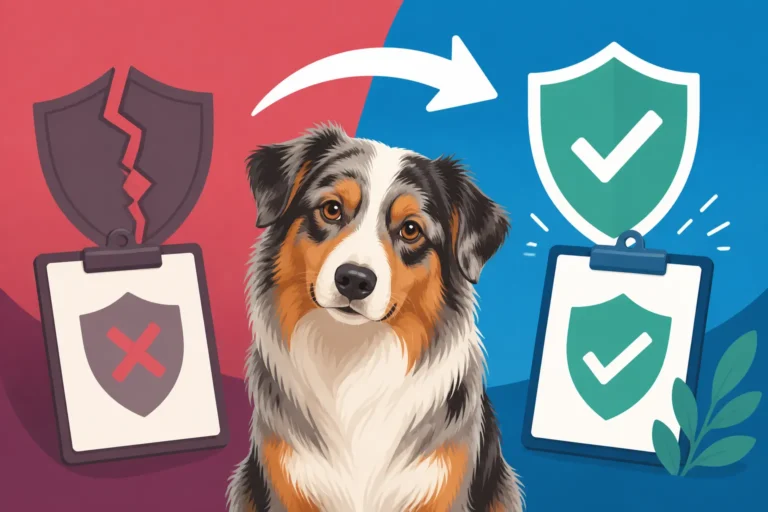
Adopting an Australian Shepherd From Breed Rescue
It’s a truly heartwarming thought, isn't it? Opening your home and heart to an Australian Shepherd who needs a second chance. But if you’ve started looking, you’ve probably quickly realized that adopting an Australian Shepherd from breed rescue isn't always as simple as picking out a puppy from a litter. Many prospective owners feel overwhelmed by the process, the questions, and the sheer volume of information (or lack thereof) about a rescue dog’s past. This comprehensive guide is here to walk you through everything, from understanding why these incredible dogs end up in rescue to navigating the adoption process and successfully integrating your new family member.
Why an Australian Shepherd Might End Up in Rescue
It’s easy to imagine a rescue dog as somehow "broken" or problematic, but that's rarely the full story, especially with a breed as intelligent and high-energy as the Australian Shepherd. More often than not, these dogs are simply misunderstood or placed in homes that weren't equipped for their unique needs. It’s a heartbreaking reality, but one that makes the work of breed-specific rescues so vital.
The Exercise Gap That Sends Aussies to Rescue
Let's be brutally honest here: Australian Shepherds are not for the faint of heart when it comes to activity levels. They were bred to work all day, every day, herding livestock over vast distances. Many people fall in love with their stunning looks and bright eyes, without fully appreciating that this is a dog that needs Australian Shepherd Exercise at One to Two Hours a Day, minimum, of purposeful exercise every single day. We're not just talking about a casual stroll around the block. We mean runs, hikes, vigorous games of fetch, or even formal dog sports.
When an Aussie doesn't get this outlet, they don't just "chill out" – they get creative. This can manifest as relentless pacing, destructive chewing, digging up the yard, or incessant barking. Imagine a marathon runner being confined to a studio apartment; they're not going to be happy, and they'll likely find ways to release that pent-up energy that aren't ideal. It’s a common reason why you'll find healthy, young Aussies in shelters or rescues: their previous families simply couldn't keep up with their boundless energy, leading to frustration on both sides. This "exercise gap" is probably the number one reason these magnificent dogs become available for adoption.
Behavior Challenges from Lack of Mental Stimulation
Beyond physical exercise, Australian Shepherds are incredibly intelligent and need their brains challenged just as much as their bodies. They thrive on having a "job." If they aren't given appropriate mental stimulation, they'll often invent their own, which can include things like tirelessly herding children in the backyard or trying to round up the family cats. Many owners are genuinely shocked by The Australian Shepherd Herding Drive You Cannot Train Out; it’s not something you can simply extinguish, but rather redirect.
Without mental work, an Aussie can quickly become bored, anxious, and even destructive. This might look like chewing furniture, getting into "trouble" constantly, or developing separation anxiety. They are thinkers, problem-solvers, and strategists. If their minds aren't engaged through training, puzzle toys, or dog sports like agility or obedience, they can become a handful. The frustration from an owner who doesn't understand this need, combined with the dog's unmet drive, often results in the Aussie being surrendered. It's a sad cycle where a dog is labeled "difficult" when it's simply trying to fulfill its genetic programming. This often directly contributes to Australian Shepherd Behavior Problems From Under-Exercise, which is preventable with the right approach.
Life Changes That Force Rehoming
Sometimes, it's not the dog or the owner's understanding that's the issue, but rather unforeseen life circumstances that make keeping a high-energy dog impossible. Things like job loss, military deployment, severe illness, divorce, or a move to a place with breed restrictions or no yard can force even the most loving owners to make the heartbreaking decision to rehome their Australian Shepherd. These dogs are often well-loved, well-trained, and healthy, but their families simply face circumstances beyond their control.
It’s particularly common to see younger Aussies, around 1-3 years old, enter rescue during these life transitions. This is often the age when their energy levels are at their peak, and any cracks in the owner's ability to provide adequate exercise and mental stimulation become glaringly obvious. A new baby might also mean less time for the dog, or a sudden allergic reaction in a family member can necessitate rehoming. These situations are incredibly tough for everyone involved, and rescues often act as a vital safety net for these dogs, ensuring they find a suitable new home rather than ending up in a kill shelter.
The Benefits and Realities of Adopting a Rescue Aussie
Adopting a rescue Australian Shepherd is a profoundly rewarding experience, offering a second chance to a deserving animal. However, it's crucial to enter the process with realistic expectations, understanding both the immense benefits and the potential challenges that come with taking in a dog whose past might be largely unknown.
Giving a Second Chance
The most obvious and perhaps most powerful benefit of adopting a rescue Aussie is the knowledge that you are literally saving a life and giving a deserving dog a fresh start. Many of these dogs have been through difficult times, whether it's neglect, abandonment, or simply the confusion of losing their previous home. Providing a safe, loving, and stable environment can be transformative for them. The gratitude and loyalty a rescue dog often displays are truly unparalleled. They seem to understand, on some deep level, that they’ve been given a new lease on life, and they often bond fiercely with their new families.
There's a unique sense of fulfillment that comes from watching a rescue dog, who may have arrived withdrawn or anxious, blossom into a confident, joyful companion under your care. You become their hero, and that connection is incredibly special. Plus, by adopting, you're not only giving one dog a home, but you're also freeing up space in the rescue system, allowing them to help another Aussie in need. It's a ripple effect of compassion that extends far beyond your own home.
Understanding an Unknown Past
While many rescue organizations do their best to gather information about a dog's history, the reality is that sometimes very little is known. You might not know their exact age, previous living conditions, how they were trained (or not trained), or what experiences they had that shaped their current personality. This "unknown past" can present challenges, as certain behaviors or anxieties might stem from previous trauma or inadequate socialization. For example, an Aussie that was never exposed to car rides as a puppy might develop car sickness or fear.
This isn't necessarily a deal-breaker, but it requires patience, understanding, and a willingness to be a detective. You'll need to observe your dog closely, learn their triggers, and understand that some behaviors might take time and professional guidance to address. It means setting realistic expectations and being prepared for potential surprises as your dog settles in and their true personality emerges. It’s a journey of discovery, and every little breakthrough feels like a huge victory.
Potential for Existing Training or Health Issues
It's important to acknowledge that some rescue Australian Shepherds may come with existing training gaps or health issues. For example, a dog might be perfectly house-trained but have no leash manners, or they might be brilliant with commands but struggle with Australian Shepherd Recall Around Moving Things. These aren't necessarily flaws; they are simply areas that require your dedication and consistency. Many rescues invest heavily in basic training, but more complex issues, especially those stemming from a lack of early socialization, might still need attention.
From a health perspective, rescues typically provide a thorough vet check-up, necessary vaccinations, and spay/neuter services. However, they may uncover chronic conditions or predispositions that might not be immediately apparent. For instance, an Aussie might have a history of Australian Shepherd Hip Dysplasia and Working Joints or show early signs of Australian Shepherd Epilepsy Starting Between One and Five. While reputable rescues will be transparent about any known issues, some conditions only manifest over time. This is where Australian Shepherd Insurance at $35 to $55 a Month can become a real lifesaver, helping to cover unexpected veterinary costs, especially with a breed prone to certain genetic conditions. Brands like Healthy Paws are popular choices among pet owners for their comprehensive coverage options.
Navigating the Australian Shepherd Rescue Process
The adoption process for a breed-specific rescue might seem more rigorous than simply visiting a local shelter, and for good reason. These organizations are dedicated to ensuring their Aussies go to homes that truly understand and can meet their specific needs. While it can feel like an interrogation at times, remember that every question is asked with the dog's best interest at heart.
Finding Reputable Aussie Rescues
The first step is locating reputable Australian Shepherd rescue organizations. Start by looking for groups that are specifically dedicated to the breed. These organizations often have a deep understanding of Aussie temperament, health concerns, and exercise requirements. Websites like Petfinder and Adoptapet are excellent resources for finding rescue groups in your area, and you can filter by breed. Additionally, breed club websites, such as the Australian Shepherd Club of America (ASCA) or regional Australian Shepherd clubs, often list affiliated rescue groups.
When evaluating a rescue, look for transparency. Do they have a clear application process? Do they provide detailed information about their available dogs, including known history, temperament assessments, and veterinary care received? Reputable rescues will often conduct home visits and background checks, as well as ask for vet references if you've owned pets before. Be wary of groups that seem too eager to hand over a dog without a thorough screening process or those that don't seem to know much about the specific needs of the Australian Shepherd breed. A good rescue will also have a network of foster homes, as dogs thrive much better in a home environment than in a kennel, allowing the rescue to learn more about their true personality.
The Application and Interview Stages
Once you've identified a rescue, prepare for a detailed application. These applications typically cover everything from your living situation (house, apartment, yard size, fence type) to your work schedule, experience with dogs (especially herding breeds), existing pets, and family members. You'll be asked about your lifestyle, how you plan to exercise and mentally stimulate an Aussie, and your philosophy on training and discipline.
Following the application, expect an interview, usually by phone or video call, with a rescue volunteer. This is your chance to ask questions too! Inquire about specific dogs you’re interested in, their known history, any behavioral quirks, and their energy levels. The interview is a two-way street: they want to ensure you're a good fit for an Aussie, and you want to ensure the rescue is a good fit for you. Be honest and open; fabricating answers will only lead to a mismatch and potential heartbreak down the line. Remember, they’re not trying to disqualify you, but to find the best match for the dog.
Home Visits and Background Checks
Many Australian Shepherd rescues require a home visit as part of their screening process. This isn't an invasion of privacy; it's an opportunity for the rescue to assess the environment where their dog will live. They’ll look for things like secure fencing (Aussies are notorious for their intelligence and athleticism, and can be escape artists if motivated), potential hazards, and how your home environment generally aligns with the needs of a high-energy dog. They might check if your yard is adequately sized and secure, whether you have appropriate shelters for outdoor time, and if there's enough space indoors for a working breed to relax.
They will also typically conduct background checks, which may include calling your veterinarian for references if you have owned pets before. This helps them confirm that your previous animals received appropriate care. If you rent, they might contact your landlord to ensure pets are allowed and there are no size or breed restrictions. While this level of scrutiny might feel intense, it’s a testament to the rescue's commitment to finding forever homes and preventing dogs from ending up back in the system. It helps them feel confident that they are placing their cherished rescue dogs in responsible, loving homes, and ultimately ensures a better life for the dog.
What an Aussie Rescue Assesses in a Dog
When an Australian Shepherd comes into a rescue, the team immediately gets to work assessing their physical and mental state. This comprehensive evaluation is critical for understanding the dog's needs, addressing any immediate concerns, and ultimately matching them with the right adoptive family. It's a testament to the dedication of these rescue organizations.
Temperament and Behavior Evaluations
One of the most crucial aspects of an Aussie rescue's work is thoroughly evaluating the temperament and behavior of each dog. This isn't a quick once-over; it's an ongoing process as the dog settles into a foster home. Foster parents observe how the dog interacts with people of all ages, other dogs, and even cats, if applicable. They'll look for signs of shyness, aggression, resource guarding, separation anxiety, or reactivity. They’ll also gauge energy levels, play drive, and trainability. For example, does the dog nip heels, typical of an Aussie's herding instinct? Are they overly vocal, or do they exhibit any Australian Shepherd Reactivity and Overarousal around new stimuli?
The rescue will document these observations, using them to create a detailed profile for each dog. This profile helps them identify the ideal home environment – perhaps a quiet home with no small children for a shy dog, or an active family committed to dog sports for a high-drive Aussie. They will also note if the dog shows signs of having received prior training, or if they need significant work on basic manners. This upfront honesty about a dog’s personality and any challenges allows potential adopters to make an informed decision, ensuring a better match and a higher chance of success for both dog and family.
Health Screening and Vet Care
Upon arrival, every Australian Shepherd in a reputable rescue undergoes a thorough veterinary examination. This typically includes a full physical check-up, vaccination updates, deworming, and flea/tick prevention. They'll be tested for common issues like heartworm and other parasites. If any medical concerns are identified, the rescue will arrange for treatment. This might involve dental work, addressing skin infections, or more complex surgeries for injuries or genetic conditions. For instance, if an Aussie arrives with significant lameness, the rescue might arrange for X-rays to check for issues like Australian Shepherd Hip Dysplasia and OFA Scoring before the dog is made available for adoption.
Rescues are committed to ensuring their dogs are in the best possible health before adoption. This often means they incur significant veterinary expenses, which are partially covered by the adoption fees. Adopting a dog from a rescue often means you're getting a pet that has already received comprehensive medical care, saving you from immediate, unexpected vet bills for basic needs. This is a huge benefit, especially when you consider Aussie Vet Bills Between $15,000 and $40,000 over a dog's lifetime can add up quickly.
Microchipping and Spay/Neuter Policies
A non-negotiable aspect of responsible rescue operations is ensuring all dogs are spayed or neutered before adoption, or sometimes with a contractual agreement for puppies to be altered at the appropriate age. This policy is fundamental to controlling pet overpopulation and preventing accidental litters. For Australian Shepherds, this is particularly important given the genetic health issues that can be passed down, such as The MDR1 Mutation Half of Australian Shepherds Carry or Collie Eye Anomaly in an Australian Shepherd. Responsible breeding practices involve extensive health testing, and rescues aim to prevent any further unplanned litters that might contribute to genetic problems.
Additionally, every rescue dog is microchipped. This tiny, permanent identifier significantly increases the chances of a lost dog being reunited with its owner. The microchip details are typically registered to the rescue, and then transferred to the adopter upon completion of the adoption. This provides an essential layer of security, offering peace of mind that if your beloved Aussie ever gets lost, there’s a much higher chance they’ll find their way back home. These are standard practices that highlight the rescue's commitment to the long-term welfare of their dogs.
Preparing Your Home for a Rescue Australian Shepherd
Bringing a new dog into your home, especially a rescue Australian Shepherd with an unknown past, requires careful preparation. You want to set them up for success, minimizing stress and ensuring they feel safe and comfortable from day one. This goes beyond just buying a food bowl; it's about creating an environment tailored to their specific needs.
Securing Your Space for an Energetic Breed
Before your Aussie arrives, take a critical look at your home and yard through their eyes. Australian Shepherds are intelligent, agile, and possess a strong prey drive, making them potential escape artists. Is your yard securely fenced? Check for any gaps, loose boards, or areas where they might dig under. A 6-foot fence is generally recommended for Aussies, and even then, some might try to climb or jump. Consider securing gates with heavy-duty latches. If you don't have a secure yard, think about how you will provide safe outdoor exercise, perhaps through supervised long-line walks or trips to a securely fenced dog park.
Inside, "puppy-proof" your home, even if you're adopting an adult. Remove any toxic plants, secure cleaning supplies, and put away valuable items that could be chewed. Anxious or bored Aussies can be destructive, so anticipate this by removing temptation. Ensure garbage cans have secure lids. If you have a garage or shed, make sure it’s dog-proofed to prevent access to chemicals or tools. Thinking ahead about these details can prevent accidents and save you a lot of stress in those initial weeks.
Essential Supplies Before They Arrive
Having all the necessary supplies ready before your rescue Aussie steps paw into your home will significantly reduce your stress and help your dog feel more settled. Start with a comfortable crate – a secure, personal space that will be their den. Ensure it’s appropriately sized for an adult Australian Shepherd, large enough for them to stand, turn around, and lie down comfortably. Many owners find a 42-inch crate suitable. You’ll also need high-quality food (ask the rescue what they’ve been feeding, as a sudden change can upset their stomach), food and water bowls, a comfortable bed, and a variety of durable chew toys and puzzle toys. These toys are crucial for mental stimulation.
Don't forget a sturdy collar with an ID tag (even if microchipped, a visible tag is helpful) and a strong leash. For walking, consider a front-clip harness, as it can help manage an Aussie's natural pulling tendencies without putting pressure on their throat. Stock up on grooming supplies too; an Aussie's double coat requires regular brushing, so a good undercoat rake and slicker brush are essential. Brands like Chewy offer a vast selection of these items, from food to toys and grooming tools, making it easy to stock up before your new family member arrives. Having these basics on hand demonstrates that you’re prepared and provides immediate comfort for your new companion.
Creating a Safe and Predictable Environment
Australian Shepherds thrive on routine and predictability. For a rescue dog who has likely experienced upheaval, a consistent schedule is incredibly reassuring. Plan out their feeding times, potty breaks, exercise slots, and even quiet time. Knowing what to expect can significantly reduce anxiety and help them adjust more quickly. Designate a quiet, safe space for your Aussie – their crate, a cozy bed in a low-traffic area – where they can retreat when feeling overwhelmed. Teach children to respect this space and not disturb the dog when they are there.
Minimize visitors and chaotic situations during the first few weeks, allowing your dog to decompress and bond with immediate family members. Use positive reinforcement exclusively in your interactions, offering praise and treats for desired behaviors. Avoid punishment, which can exacerbate fear or anxiety in a dog with an unknown past. Establishing clear, consistent rules from the start will help your Aussie understand what is expected of them in their new home, building trust and confidence in their new environment. This sense of security is vital for any rescue dog to truly come out of their shell and thrive.
The First Weeks with Your Adopted Australian Shepherd
The initial period after adopting a rescue Australian Shepherd is often called the "honeymoon phase," but it's more accurately a critical adjustment period. Your new dog is taking in a world of new sights, sounds, and smells, and it's essential to approach these first few weeks with patience, understanding, and a clear plan.
The "Two Week Shutdown" Concept
Many experienced rescue adopters and trainers advocate for a "two week shutdown" period, though it can extend longer for some dogs. The idea is to minimize new experiences and stimuli for the first couple of weeks to allow your Aussie to decompress and settle into their new home without feeling overwhelmed. Imagine being dropped into a completely new culture where you don't speak the language; you'd need time to observe and understand before being expected to participate fully.
During this period, focus on quiet bonding within the immediate family. Avoid dog parks, crowded public places, or inviting over lots of friends. Keep walks short and on a leash in quiet areas. Allow your dog to initiate interaction, don't force cuddles or play. Provide a secure crate or designated safe space for them to retreat to. The goal is to build trust and allow them to feel secure in their new environment before introducing the complexities of the outside world. This period isn't about training; it's about observation and creating a foundation of safety and routine.
Establishing a New Routine
Consistency is key for a rescue Australian Shepherd. Establishing a predictable daily routine from day one helps them understand what’s expected and when, which significantly reduces anxiety. This includes set times for feeding, potty breaks, exercise, and bedtime. For example, morning potty break, breakfast, a short training session, a structured walk, then quiet time. Repeat for the afternoon and evening. Aussies thrive on knowing their schedule, so stick to it as closely as possible, even on weekends.
When it comes to potty training, assume your rescue dog isn't fully trained, even if the rescue indicated otherwise. Take them out frequently, especially after waking up, eating, and playing. Reward successful potty breaks enthusiastically. Use their crate for short periods when you can't supervise them directly, as dogs are less likely to soil their sleeping area. Over time, as your Aussie settles in, you can gradually introduce more variety, but those initial weeks of strict routine are invaluable for building confidence and good habits.
Gentle Introductions to Family and Pets
Introducing your rescue Australian Shepherd to existing family members and pets needs to be done slowly and carefully. For children, teach them how to interact respectfully, explaining that the dog needs space and quiet time. Supervise all interactions closely, and teach children to never approach a dog when it’s eating, sleeping, or in its crate. For other dogs, perform introductions on neutral territory, such as a local park, with both dogs on leash. Keep the initial meeting short and positive, looking for relaxed body language. A brisk walk together can often be a good way for dogs to get acquainted without direct pressure.
For cats or other small pets, extreme caution is warranted given an Aussie's natural herding and prey drive. Keep them separated initially, gradually introducing them through a baby gate or crate, allowing them to smell and see each other without direct contact. Only progress to supervised, leash-on interactions when both animals seem calm. Never leave your new Aussie unsupervised with other pets until you are absolutely certain of their compatibility. Remember, a successful integration takes time and patience, and rushing it can lead to setbacks.
Managing Health and Behavior Challenges in a Rescue Aussie
Even after the initial adjustment period, owning a rescue Australian Shepherd might present unique health and behavioral challenges. These resilient dogs often overcome incredible odds, but they may carry scars or predispositions that require ongoing attention. Being prepared and proactive is the best approach.
Addressing Medical Needs and Ongoing Care
As mentioned, rescues typically provide excellent initial vet care, but some issues may be ongoing or manifest later. It’s crucial to establish a relationship with a veterinarian shortly after adoption. Share all the medical history provided by the rescue and discuss any concerns. Be prepared for regular check-ups, especially as your Aussie ages. Australian Shepherds, like many active breeds, can be prone to joint issues such as Australian Shepherd Arthritis After Years of Work. Discuss preventative measures, like appropriate exercise and joint supplements, with your vet.
For any chronic conditions, a consistent care plan is vital. This might involve daily medication, special diets, or regular monitoring. Remember that veterinary care can be costly, and this is where pet insurance like Healthy Paws can truly help manage unexpected expenses for accidents or illnesses, allowing you to focus on your dog's recovery rather than the bill. Also, consider the specific needs of an Aussie's double coat when it comes to skin and allergy problems. Regular grooming, as discussed in Australian Shepherd Skin, Coat and Allergy Problems, can help detect issues early.
Working Through Behavioral Quirks
Many rescue Aussies come with behavioral quirks or anxieties that stem from their past. Common issues can include separation anxiety, fear of strangers, leash reactivity, or resource guarding. The key to addressing these is patience, positive reinforcement, and often, professional help. Enroll in obedience classes or work with a certified professional dog trainer who has experience with herding breeds. They can help you understand the root cause of the behavior and implement effective, humane training strategies.
For example, if your Aussie exhibits An Aussie Reacting to Dogs on the Lead, a trainer can guide you through counter-conditioning and desensitization techniques. If they show signs of anxiety when left alone, gradually increasing the time they are alone, combined with enrichment toys (like those found on Chewy) and a calm departure routine, can help. Never punish fear-based behaviors, as this will only worsen the problem and erode trust. Celebrate small victories and understand that modifying deeply ingrained behaviors takes time, consistency, and a lot of love. The bond you build through this dedicated work will be incredibly strong.
Nutrition for a Rescue Australian Shepherd
A balanced and appropriate diet is fundamental to your Australian Shepherd's overall health and well-being, especially for a rescue who might have been undernourished or on an inconsistent diet. Discuss your Aussie’s nutritional needs with your veterinarian, considering their age, activity level, and any underlying health conditions. High-quality kibble is a common choice, but some owners explore fresh food options. Brands like Ollie, for instance, offer human-grade, personalized meal plans that can be beneficial for dogs with sensitivities or specific dietary needs.
Be mindful of food allergies, which can manifest as skin itching, ear infections, or digestive upset. If you suspect an allergy, your vet might recommend an elimination diet to identify the culprit. Always introduce new foods gradually over several days to avoid digestive upset. Ensure your Aussie always has access to fresh, clean water, especially if they are highly active. Feeding a rescue Aussie isn't just about filling their bowl; it's about providing the fuel they need to thrive, recover, and live their best life, supporting their physical and mental health.
Rescue Fees Between $250 and $600 and What They Cover
One of the common questions prospective adopters have is about the cost of adopting from a rescue. Unlike "free to good home" scenarios that often lack proper vetting, rescue organizations charge an adoption fee. This fee, typically ranging from $250 to $600 for an Australian Shepherd, might seem like a barrier to some, but it’s a vital contribution that supports the extensive work these organizations do.
Understanding the Financial Contribution
It's important to view the adoption fee not as a purchase price, but as a financial contribution towards the immense costs incurred by the rescue. These fees rarely cover the full expense of caring for a single dog, let alone the many animals that pass through the system. Rescues operate on donations, volunteer efforts, and these adoption fees. The fee helps them continue their life-saving work, providing a safety net for Australian Shepherds who would otherwise have nowhere to go.
This fee ensures that the rescue can maintain its facilities (if they have one), pay for necessary supplies like food and bedding, and cover administrative costs like website maintenance, background checks, and application processing. It also acts as a small deterrent for impulse adoptions, helping to ensure that potential owners are serious and financially prepared for the responsibilities of pet ownership. While it's a cost, it's a necessary one that funds a crucial service.
What Your Adoption Fee Supports
Your adoption fee directly supports the comprehensive care your rescue Australian Shepherd received before coming home to you. This includes:
- Veterinary Care: This is often the largest expense. It covers initial health checks, necessary vaccinations (distemper, parvovirus, rabies, etc.), deworming, flea and tick prevention, heartworm testing and prevention, and microchipping.
- Spay/Neuter Surgery: Every responsible rescue ensures their dogs are spayed or neutered to prevent overpopulation, which is a significant cost.
- Medical Treatments: If a dog arrives with injuries, infections, or chronic conditions, the rescue covers the cost of treatment, medications, and sometimes even surgery. This could be anything from a routine dental cleaning to extensive orthopedic surgery.
- Food and Supplies: While in foster care, dogs need high-quality food, beds, crates, leashes, collars, and toys.
- Behavioral Assessment and Training: Many rescues invest in professional behavioral assessments and basic training, helping to address issues and make the dog more adoptable.
- Shelter and Transport: For dogs in a facility, the fee contributes to kennel upkeep. For dogs in foster homes, it helps cover the costs associated with transporting them to vet appointments or adoption events.
The table below illustrates what a typical adoption fee might cover versus the actual cost of these services if you were to pay for them yourself immediately after acquiring a dog elsewhere:
| Service/Item | Typical Cost (if paid directly) | Covered by Adoption Fee? |
|---|---|---|
| Full Vet Check-up | $75 – $150 | Yes |
| Vaccinations (core) | $100 – $200 | Yes |
| Deworming & Parasite Tx | $50 – $100 | Yes |
| Heartworm Test & Meds | $75 – $150 | Yes |
| Spay/Neuter Surgery | $200 – $500 | Yes |
| Microchipping | $40 – $70 | Yes |
| Basic Grooming | $50 – $100 | Yes |
| Food & Supplies (initial) | $100 – $200 | Partially |
| Behavioral Assessment | $150 – $300 | Partially |
| Total Estimated Value | $840 – $1,770 | Mostly |
As you can see, the adoption fee is often a fraction of what these essential services would cost you out-of-pocket, providing significant "long-term cost savings" right from the start.
Long-Term Cost Savings and Support
Beyond the immediate financial benefits of a vet-checked, vaccinated, and altered dog, adopting from a breed rescue offers invaluable long-term support. Rescues often have extensive networks of volunteers and experienced Aussie owners who can offer advice, resources, and guidance as you navigate life with your new dog. If you encounter behavioral challenges, for example, they might be able to recommend trainers familiar with the breed's specific needs, or offer tips for managing An Australian Shepherd That Will Not Stop Fetching or other intense drives.
Many rescues also have "return to rescue" clauses in their adoption contracts, meaning that if for any reason you can no longer care for your Australian Shepherd, they will take the dog back. This provides a crucial safety net, ensuring the dog will never end up in a shelter again. This peace of mind, combined with the comprehensive initial care and ongoing community support, makes the adoption fee a truly worthwhile investment in a lifetime of companionship. It’s a stark contrast to The Aussie Bills Nobody Warns You About when acquiring a dog from less reputable sources.
Disclaimer
The information provided in this article is for general informational purposes only and does not constitute veterinary advice. Always consult with a qualified veterinarian or professional dog trainer for specific advice regarding your Australian Shepherd's health, diet, training, or behavioral needs.