Australian Shepherds in Films and Television
It’s easy to get swept away by the charming, intelligent Australian Shepherds we see gracing our screens, whether in heartwarming family films or dazzling commercials. They look so calm, so perfectly behaved, making it seem like owning one is a breeze. But that picture can be a little deceiving, leading many to misunderstand the true nature of this incredible, high-drive breed. This guide dives into the world of Australian Shepherds in films and television, exploring their history in media and, perhaps more importantly, what those portrayals often don't tell you about living with an Aussie day-to-day.
The Allure of the Aussie on Screen: From Rodeos to Hollywood
There's something undeniably captivating about an Australian Shepherd. Their striking merle coats, intelligent eyes, and graceful athleticism make them naturals for the camera. It’s no wonder they’ve found their way into various forms of media, often embodying traits we admire – loyalty, wit, and boundless energy. But their journey to the big screen actually started in a very different kind of arena.
Early Westerns and the Working Dog Image
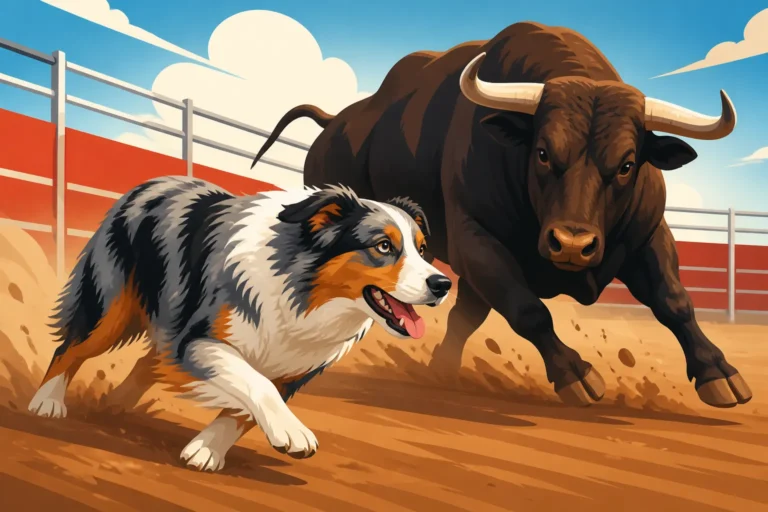
Long before Hollywood truly discovered their star power, Australian Shepherds were carving out a reputation in the rodeo circuits of the American West. They were the trusty companions of cowboys, helping herd livestock and performing incredible feats of agility and intelligence in front of live audiences. These early performances, often as part of intermission acts or side shows, showcased their raw talent and working drive. When Western films and television shows became popular, it was only natural that these capable dogs would transition from the dusty rodeo rings to the sprawling movie sets. They were authentic to the ranching lifestyle, embodying the spirit of the West alongside their human co-stars.
These roles often highlighted their sharp minds and eagerness to please, making them seem like incredibly easy-to-train animals. And while Aussies are intelligent and trainable, the dogs seen on screen were often highly specialized performers with countless hours of dedicated training behind them. They weren't just "good dogs"; they were professional actors, often from lines specifically bred for their biddability and focus. How Rodeos Made the Australian Shepherd Famous is a testament to this foundational work, which eventually opened doors to broader media exposure.
The Rise of the Aussie as a Beloved Companion
As society shifted and the image of dogs moved from purely utilitarian workers to cherished family members, the Australian Shepherd's on-screen presence evolved. They started appearing in more domestic settings, portraying loyal pets, adventurous sidekicks, and even comedic relief. Their expressive faces and vibrant personalities proved perfect for conveying a wide range of emotions, allowing them to connect deeply with audiences. This era saw a significant increase in their visibility beyond niche Western genres.
It was during this time that the general public truly began to fall in love with the breed. The stunning visuals of a blue merle Aussie with striking blue eyes running through a field or sitting attentively by a child's side became iconic. This shift in portrayal undoubtedly contributed to the breed's growing popularity, moving them from a specialized working dog to a widely recognized and desired family pet. People saw a glimpse of their intelligence and charm, making them wonder if an Aussie was the right fit for their own homes.
Beyond the Big Screen: Australian Shepherds in Television and Advertising
The reach of Australian Shepherds in media extends far beyond feature films. They've become ubiquitous in various forms of visual storytelling, solidifying their status as a beloved and recognizable breed. This wider exposure brings both positive attention and, sometimes, misconceptions about what it truly means to live with an Australian Shepherd.
Commercial Stars and Episodic Roles
Turn on the television today, and you're likely to spot an Australian Shepherd in a commercial, perhaps enthusiastically playing fetch, gazing adoringly at their human, or even "helping" with household chores. Their high energy, captivating looks, and trainability make them ideal for quick, impactful advertisements. They can convey a sense of active lifestyle, family fun, or even a touch of whimsical charm, selling everything from pet food to cars. Many commercial animals are chosen specifically for their calm demeanor under pressure and their ability to perform complex actions on cue, often requiring dozens of takes.
In episodic television, Aussies often fill roles that require a smart, active dog. They might be the search-and-rescue dog, the family pet that witnesses a crime, or the loyal companion to a quirky protagonist. Their intelligence allows them to learn elaborate sequences, while their athletic build makes them believable in action-oriented scenes. These roles often require long hours on set and a dog that is incredibly adaptable to different environments, sounds, and people. It's a huge commitment, both for the dog and its handler, to maintain that level of performance and focus. For instance, a trainer might rely on high-value, easy-to-digest treats, readily available from places like Chewy, to keep an Aussie motivated through a long day of filming.
The Influence of Social Media on Aussie Popularity
The age of social media has truly propelled Australian Shepherds into superstardom. Platforms like Instagram and TikTok are overflowing with videos and photos of Aussies performing incredible tricks, navigating agility courses, or simply being their goofy, charming selves. These bite-sized glimpses into their lives create a powerful, often viral, impression. Users share stories of their cleverness, their athleticism, and their boundless affection, leading to a massive surge in interest for the breed.
These online personalities showcase the best of the breed: the stunning visuals, the incredible intelligence, and the deep bond with their owners. It's truly a delight to see. However, this phenomenon also presents a challenge. Many viewers see these perfectly curated moments and assume that all Australian Shepherds are naturally this well-behaved or easily trained. They don't always see the hours of Australian Shepherd Training and Sport Costs or the dedicated effort that goes into shaping such a balanced and responsive dog. A dog performing perfectly for a 30-second reel has often spent hundreds of hours in training, perhaps even with specialty equipment and treats purchased from retailers like Chewy.
The Reality Check: What Media Portrayals Often Miss
While the media's portrayal of Australian Shepherds is often positive and highlights many wonderful aspects of the breed, it rarely shows the full picture. The curated nature of film, television, and social media can inadvertently create unrealistic expectations for prospective owners, leading to frustrations when their own Aussie doesn't immediately conform to the "on-screen" ideal.
The "Trained" Dog Versus the Everyday Pet
One of the biggest disconnects between media and reality lies in the difference between a highly trained performance dog and an everyday pet. The Aussies we see on screen are usually professionals. They have dedicated trainers, often starting from puppyhood, who spend thousands of hours honing specific behaviors, proofing them against distractions, and building incredible focus. They are essentially canine athletes and actors, specializing in their craft. They learn to perform on cue, ignore strange equipment, lights, and crew members, and maintain their composure under pressure.
Your average Australian Shepherd, while intelligent and eager to learn, isn't born with these skills. They come with a strong The Australian Shepherd Herding Drive You Cannot Train Out, a predisposition for high energy, and an independent streak. Without consistent training, ample mental and physical exercise, and clear boundaries, an Aussie can quickly develop unwanted behaviors. The playful nipping seen in a movie might be cute, but in real life, Australian Shepherd Puppy Nipping That Draws Blood can be a serious issue that needs careful redirection. The quiet, attentive dog on screen is the result of immense effort, not just inherent calm.
Managing Expectations for First-Time Aussie Owners
For someone new to the breed, seeing an Australian Shepherd effortlessly perform complex tasks or calmly coexist in a busy environment can set unrealistic expectations. They might bring home an Aussie puppy expecting a miniature version of their screen idol, only to be overwhelmed by the reality of a high-energy, intelligent, and sometimes stubborn herding dog.
The reality is that Australian Shepherds need significant commitment. They thrive on having a "job," whether that's real herding, agility, obedience, or even just complex puzzle toys and scent work. Giving an Australian Shepherd a Job Instead of a Walk is a core tenet of Aussie ownership. If their mental and physical needs aren't met, they can become destructive, bark excessively, or engage in nuisance behaviors like heel nipping. It’s crucial for potential owners to understand that the beautiful dog they see on TV is a product of immense dedication, and their own Aussie will require that same level of commitment to truly flourish. Brands like Chewy, with their wide selection of enrichment toys and training aids, can certainly help owners meet these needs, but the effort still falls on the human.
Behind the Scenes: Training an Australian Shepherd for Stardom
It's clear that the Australian Shepherds who make it into films and television are exceptional. Their on-screen performances are a testament to not just their inherent intelligence and athleticism, but also the meticulous, patient, and highly skilled training they receive. Understanding this process can help shed light on why these dogs appear so perfectly behaved, and what lessons everyday owners might take from their professional counterparts.
Building a Solid Foundation for Performance
The journey to canine stardom for an Australian Shepherd begins with a strong foundation in basic obedience and socialization, often starting from the earliest puppy stages. This isn't just about teaching "sit" and "stay"; it's about building a robust communication system and a confident, well-adjusted temperament. Performance dogs need to be comfortable in diverse environments, around strangers, and with unusual objects and sounds. The Australian Shepherd Socialization Checklist is far more extensive for a working film dog than for a typical pet.
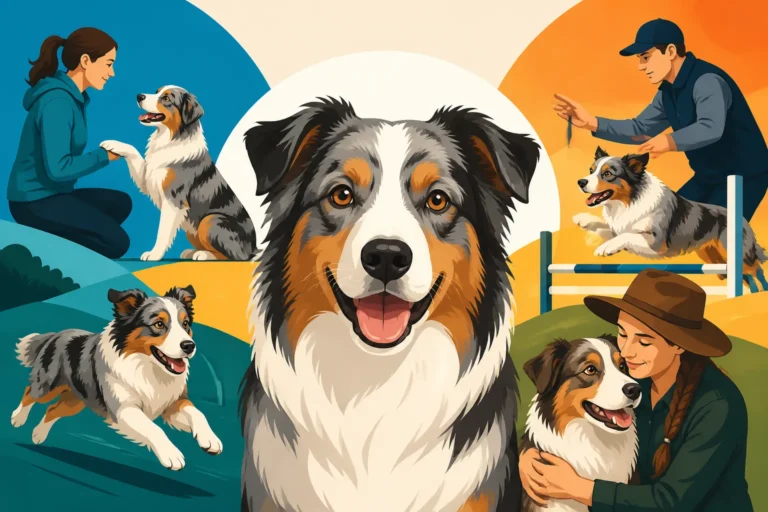
Trainers of film dogs focus heavily on positive reinforcement, using high-value rewards to motivate and shape desired behaviors. They break down complex actions into tiny, manageable steps, gradually building them up until the dog can perform elaborate sequences on cue. This might involve teaching specific marks, hitting precise timings, and responding to subtle hand signals or verbal cues that are invisible to the audience. This foundational work helps an Aussie develop the focus and biddability needed to shine under pressure. For these demanding roles, a steady supply of engaging, durable toys and nutritional supplements, perhaps sourced from Chewy, supports both their physical and mental well-being throughout their careers.
Special Considerations for On-Set Environments
Working on a film or television set presents a unique set of challenges that even the most well-trained pet might struggle with. There are bright lights, loud noises, many unfamiliar people, long periods of waiting followed by intense bursts of activity, and often a need to repeat actions perfectly, take after take. An Australian Shepherd, with its inherent sensitivity and strong working drive, needs special preparation to thrive in such an environment. Australian Shepherd Reactivity and Overarousal would be a show-stopper on a film set, so these dogs are specifically chosen and trained to handle high-stimulus situations with grace.
Film trainers work tirelessly to desensitize their dogs to these potential distractions. This means exposing them gradually to flashes, sudden sounds, and crowded spaces, always pairing these experiences with positive reinforcement. They also teach the dog how to "switch off" during downtime, resting calmly in their crate or with their handler, saving their energy and focus for when the camera rolls. It's a demanding career, requiring an Aussie that is not only intelligent and athletic but also possesses an exceptional temperament and an unbreakable bond of trust with its trainer.
Here's a comparison of common Aussie media portrayals versus real-life aspects:
| Feature | Media Portrayal | Real-Life Aspect for Most Aussies |
|---|---|---|
| Energy Level | Calm, effortlessly well-behaved indoors. | High energy; needs Australian Shepherd Exercise at One to Two Hours a Day daily, often more. Can be destructive if under-exercised. |
| Trainability | Instantly understands complex commands; few mistakes. | Highly intelligent and trainable, but requires consistent, patient training; can be stubborn. |
| Temperament | Always friendly with everyone; social butterfly. | Loyal to family, but often reserved or suspicious of strangers; needs extensive socialization. |
| Behavior at Home | Quiet, settles easily, no destructive tendencies. | Prone to barking, heel-nipping, or destructive chewing if not mentally and physically stimulated. |
| Social Needs | Happy to be left alone for long periods. | Can develop separation anxiety; thrives on companionship and inclusion in daily activities. |
| Appearance | Perfectly groomed, coat always pristine. | Requires regular brushing to manage double coat; sheds heavily twice a year. |
Disclaimer
This article is for general informational purposes only and does not constitute professional advice. Laws, prices and regulations vary by location and change over time. Consult a qualified professional for guidance on your specific situation.