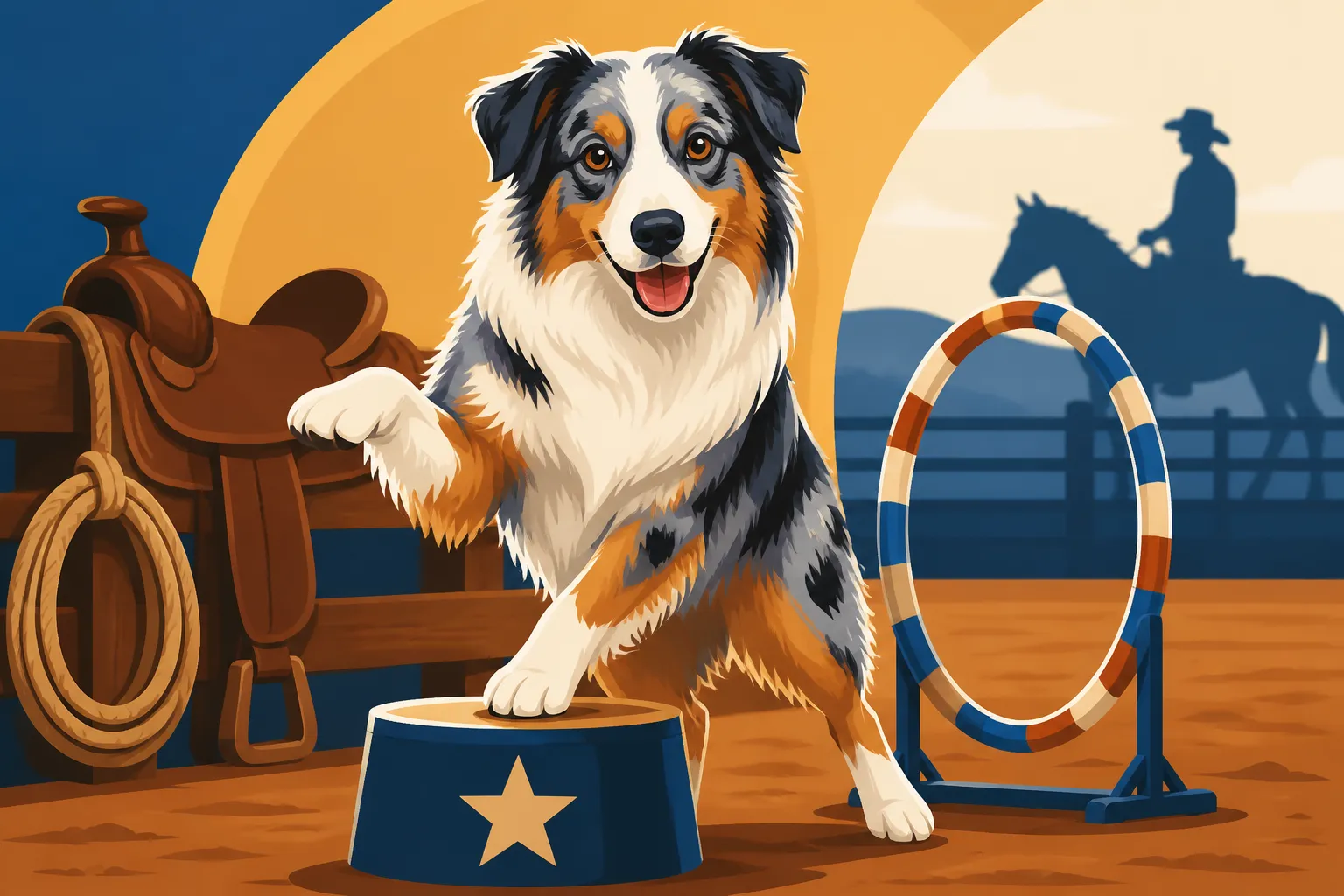
Aussie Trick Routines Between Rodeo Events
For any Australian Shepherd owner, the image of a working dog, eyes fixed on livestock, is probably the first thing that comes to mind. But did you know that for many years, a different kind of Aussie performance captivated audiences – the dazzling trick routines performed right in the middle of a bustling rodeo? It's a surprising piece of their history that showcases their incredible intelligence and eagerness to please. This guide will take you back to those dusty arenas, exploring how these trick dogs rose to fame and why their legacy still influences how we see and train Australian Shepherds today.
The Historical Connection: How Rodeos Elevated the Aussie's Profile
Before Australian Shepherds became the beloved family companions and sport dogs we know, they were quintessential ranch dogs. They worked hard, certainly, but their deep intelligence and incredible drive meant they were capable of so much more. The rodeo circuit, often seen as a celebration of ranching culture, became an unexpected stage for these talented canines, showcasing a side of them that went beyond just herding.
More Than Just Herding: The Versatility of the Early Aussie
Imagine a ranch in the American West decades ago. A rancher needed a dog that could do it all: gather sheep, move cattle, stand guard, and even entertain the kids after a long day. The early Australian Shepherds fit this bill perfectly. They weren't bred to be specialists in just one task; rather, their genetic blueprint was designed for an all-around helper, a dog that could think on its feet and adapt to whatever task was put before them. This inherent versatility meant that while their primary role was often with livestock, their sharp minds and keen desire to please made them exceptional candidates for learning complex behaviors and tricks.
This eagerness to learn wasn't just about obedience; it was about engagement. An Aussie thrives on having a "job," and for some, that job could be learning an intricate sequence of commands that led to applause and treats. Their intensity, which we often associate with their herding prowess, also translated into an incredible focus during training sessions. It's that same powerful drive that makes The Australian Shepherd Herding Drive You Cannot Train Out such a defining characteristic, but it also fueled their capacity for intricate trick work. They weren't just passively following commands; they were actively participating, solving puzzles, and enjoying the mental stimulation.
From Ranch to Ring: The Rodeo Circuit as a Stage
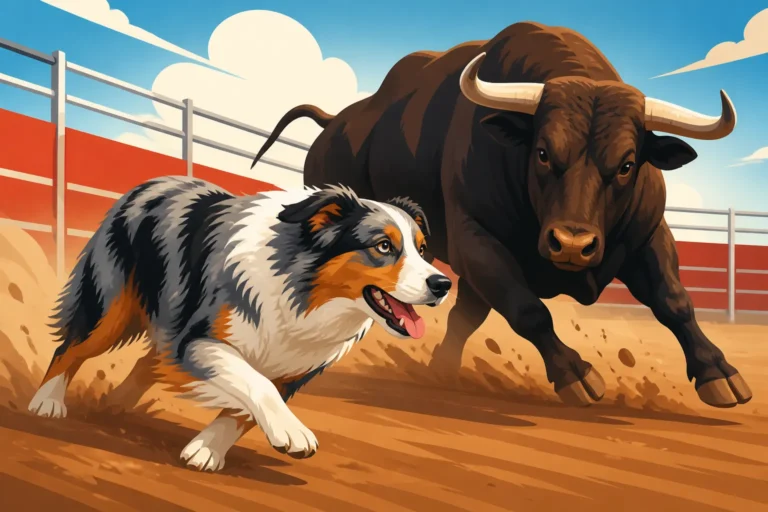
Rodeos in the mid-20th century were vibrant community events, far more than just competitions. They were social gatherings, spectacles of horsemanship, and a chance for ranchers to show off not just their riding skills but also their most impressive livestock and, importantly, their dogs. It was a natural fit for highly capable Australian Shepherds to transition from the fields to the arena. While cowboys were roping steers and riding bulls, there were often interludes designed to keep the crowd entertained, and what better way than with a smart, flashy dog performing incredible feats?
These trick routines provided a unique form of entertainment between the main events, drawing cheers and gasps from the audience. They offered a glimpse into the incredible bond between a handler and their dog, and the seemingly boundless intelligence of the Australian Shepherd. It was here, in the dusty rodeo arenas, that many people first encountered the breed, seeing them not just as working animals, but as intelligent, charismatic performers. This exposure was instrumental in Australian Shepherds in Rodeo Arenas becoming a widely recognized breed and undoubtedly played a significant role in How Rodeo Fame Spread the Aussie Nationwide. It cemented their image as versatile, intelligent, and truly captivating dogs.
The Art of the Australian Shepherd Rodeo Trick
Performing in a loud, bustling rodeo arena demanded not just well-trained tricks but also an incredible amount of focus and resilience from the Australian Shepherds. These weren't simple parlor tricks; they were often dynamic, multi-part routines designed to showcase the dog's agility, intelligence, and the deep connection with their handler.
Common Tricks That Wowed the Crowds
The tricks performed by Australian Shepherds at rodeos were a testament to their innate athleticism and mental acuity. Handlers, often the same folks who worked them with stock, would spend countless hours perfecting routines that involved a blend of agility, obedience, and pure showmanship. You'd see Aussies leaping gracefully through hoops or over low barrels, their feathered tails streaming behind them. Others might retrieve specific items from a line-up, demonstrating their keen understanding of distinct objects.
One common crowd-pleaser was the "weave," where the dog would dart expertly between the handler's legs as they walked forward, often at a brisk pace. The "bow" or "curtsy," where the dog dips its front end while keeping its rear up, was a charming touch. More complex routines could involve the dog "playing dead" on command, rolling over, or walking confidently on its hind legs for several steps, sometimes even carrying a small flag or basket. These weren't just about movement; they required the dog to process multiple commands, maintain attention despite distractions, and execute with precision. It's the kind of intricate work that parallels what we see in Australian Shepherd Agility and Disc Sports today, demonstrating their inherent drive for engaging challenges.
| Rodeo Trick | Skills Demonstrated | Audience Appeal |
|---|---|---|
| Hoop Jumping | Agility, obedience, courage, physical prowess | Excitement, athleticism, visual spectacle |
| Weaving Through Legs | Coordination, focus, handler-dog bond, precision | Intimacy of bond, seamless teamwork |
| "Play Dead" | Advanced obedience, trust, stillness on command | Humor, intelligence, control |
| Retrieving Specific Items | Scent work, object discrimination, problem-solving | Intelligence, utility, unique skill |
| Walking on Hind Legs | Balance, strength, advanced conditioning, showmanship | Astonishment, anthropomorphism, sheer skill |
| Spinning/Dancing | Body awareness, joy, quick response to cues | Delight, charm, liveliness |
Crafting a Performance: From Training to Showmanship
Creating a compelling trick routine for the rodeo wasn't simply about teaching a dog a few actions. It was an art form that began with countless hours of dedicated training, often in quieter environments before bringing the skills to the chaotic energy of the arena. Positive reinforcement was key; handlers understood that an Australian Shepherd thrives on praise, treats, and the joy of a shared accomplishment. Building a strong, trusting bond was paramount, as it allowed the dog to feel secure enough to perform complex tasks amidst unfamiliar sights and sounds. This deep connection is often a hallmark of Australian Shepherd Loyalty to One Person, which made them ideal partners for such intricate displays.
The training itself was meticulous, breaking down each trick into small, achievable steps. Imagine teaching a dog to walk on its hind legs: it starts with luring, then standing, then taking a single step, gradually building duration and distance. Handlers needed to be masters of timing, delivering cues clearly and rewarding immediately. They also understood the importance of an "off switch" – teaching the dog to relax between routines or when not actively performing. For a breed known for its high energy and constant need for mental stimulation, like an Aussie that is An Aussie That Cannot Be Left With Nothing to Do, these sessions were vital for both physical and mental well-being.
Beyond the actual tricks, showmanship was crucial. A handler's enthusiasm, their interaction with the crowd, and their seamless communication with their dog all contributed to the overall magic of the performance. The goal was not just flawless execution but creating an engaging story that captivated the audience, leaving them with a lasting impression of the incredible Australian Shepherd.
Why Aussie Trick Routines Were So Important for the Breed
The performances of Australian Shepherds in rodeo arenas did more than just entertain; they played a pivotal role in shaping the breed's public image and laying the groundwork for its future popularity. These dazzling displays were essentially early forms of public relations, showcasing the breed's extraordinary qualities to a broader audience than ever before.
Boosting Public Recognition and Popularity
Before their rodeo fame, Australian Shepherds were largely known within specific ranching communities. They were valued working dogs, but their appeal hadn't spread much beyond those who needed a capable stock dog. The rodeo circuit changed that dramatically. By performing between events, these dogs were seen by thousands of spectators who might never have otherwise encountered an Aussie. People witnessed firsthand their intelligence, agility, and their captivating eagerness to please.
This exposure created a buzz. Suddenly, people outside of ranching were asking, "What kind of dog is that?" Their striking looks, often with merle coats and piercing eyes, combined with their incredible talent, made them unforgettable. This direct, emotional connection fostered by their performances helped to popularize the breed far and wide, laying a crucial foundation for their eventual widespread appeal as companions and family members. It certainly contributed to How Rodeo Fame Spread the Aussie Nationwide and helped secure their place in the hearts of dog lovers across the country.
Showcasing Versatility and Brains
The beauty of Australian Shepherd rodeo trick routines was that they explicitly demonstrated the breed's profound versatility. While their working abilities were renowned on the ranch, these tricks proved they weren't just brawn; they were brains. The complex sequences, the need for focus amidst chaos, and the sheer number of different actions they could learn highlighted their high intelligence and trainability. It reinforced What the Standard Says About Aussie Temperament, emphasizing their alert, intelligent, and biddable nature.
This visible demonstration of their mental capabilities was vital. It showed potential owners that an Australian Shepherd was a dog that needed mental stimulation as much as physical exercise. Learning tricks, performing routines, and engaging in problem-solving activities were clearly not just fluff; they were deeply satisfying to the dogs themselves. This understanding paved the way for future appreciation of Aussies in various dog sports and activities that require more than just running. It underscored that Mental Work That Actually Tires an Australian Shepherd is just as important as physical exertion for this dynamic breed.
Modern Echoes: Trick Training Today
The spirit of those old rodeo trick dogs lives on in the modern world of canine activities. While rodeos might not feature dog acts as prominently as they once did, the very essence of what those Aussies did – perform intricate, entertaining routines with precision and joy – has simply evolved. Today, you can see Australian Shepherds excelling in dog freestyle, a sport that combines obedience, tricks, and dance moves set to music. They dominate in agility, navigating complex courses with incredible speed and accuracy, much like they jumped through hoops in the old days.
Even for the everyday Aussie owner, trick training remains a fantastic way to engage with their dog, building a stronger bond and providing essential mental stimulation. Whether it's teaching "fetch my slippers," "spin," "weave," or even more advanced chain behaviors, the principles are the same: clear communication, positive reinforcement, and making it fun. Many owners find inspiration and supplies on platforms like Chewy, where they can find puzzle toys, treat pouches, and training aids. It's a testament to the breed's enduring intelligence that Trick Training as Aussie Mental Work continues to be a go-to activity for enriching their lives. The Aussie Reputation Among Trainers remains one of a highly intelligent, biddable, and incredibly capable dog, perfectly suited for learning and performing.
The legacy of the Australian Shepherd rodeo trick dogs is more than just a nostalgic footnote in breed history. It's a foundational story that helped define the breed as we know it today – a dynamic, intelligent, and versatile companion eager to work, learn, and impress. From the dusty rodeo arenas to modern competition rings and living rooms, the Australian Shepherd's talent for performance continues to shine.
Disclaimer
This article is for general informational purposes only and does not constitute professional advice. Laws, prices and regulations vary by location and change over time. Consult a qualified professional for guidance on your specific situation.