The Basque Sheepherders Behind the Aussie
It’s a common head-scratcher: how did a dog called the "Australian Shepherd" become so quintessentially American, especially when its deep roots trace back to the rugged Pyrenees mountains? The truth is, the name is a bit of a misnomer, a geographical detour in a rich history primarily forged by Basque sheepherders and their incredible dogs, who found a new home and purpose in the burgeoning ranchlands of the American West. This guide will unravel that fascinating journey, showing you how these tenacious dogs shaped, and were shaped by, the American frontier.
The Misleading Name: Why Not the American Shepherd?
Many Australian Shepherd owners, and even prospective ones, are often surprised to learn that their beloved breed didn't originate down under. The name itself is one of the most persistent myths surrounding these intelligent, hard-working dogs, and it’s a question I hear all the time. It leads to so much confusion, making people wonder if they were bred for kangaroos instead of sheep! The reality is much closer to home for Americans, with a transatlantic tale that’s far more compelling than a simple geographical label.
The Enigma Behind the Australian Shepherd Name
So, if not Australia, then why the name? The most widely accepted theory ties back to the movement of these skilled herding dogs. As Basque shepherds emigrated from their ancestral lands nestled between France and Spain, they often stopped in Australia on their way to the American West, sometimes bringing their sheep and dogs with them. The sheep themselves were sometimes referred to as "Australian sheep" because of this stopover. When these "Australian sheep" arrived in the American West, accompanied by their adept herding dogs, the Americans started referring to the dogs as the "Australian Shepherds" – simply associating them with the origin of the sheep they were working, not the true origin of the dogs themselves. It’s a classic case of mistaken identity that stuck, much to the modern-day confusion of many. Why the Australian Shepherd Is Not From Australia delves into this more.
This misnomer is a perfect example of how folklore and practical observation can create a lasting label that doesn't quite reflect the whole truth. It's easy to imagine a rancher in California watching these dogs skillfully manage a flock, asking "Where did those wonderful sheep and dogs come from?" and being told, "They're the ones from Australia!" The efficiency and capability of the dogs likely overshadowed any need for a detailed genetic history lesson right there on the dusty plains. This simple association cemented a name that, despite its inaccuracy, has become iconic for the breed.
Basque Sheepherders: The True Ancestors
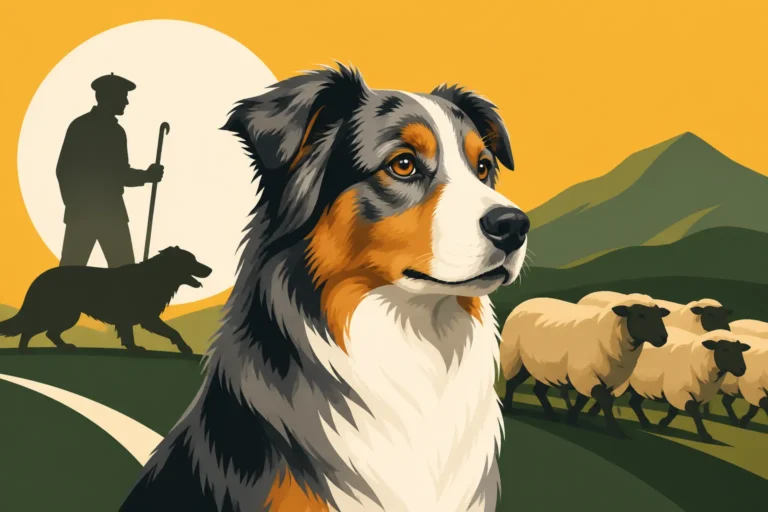
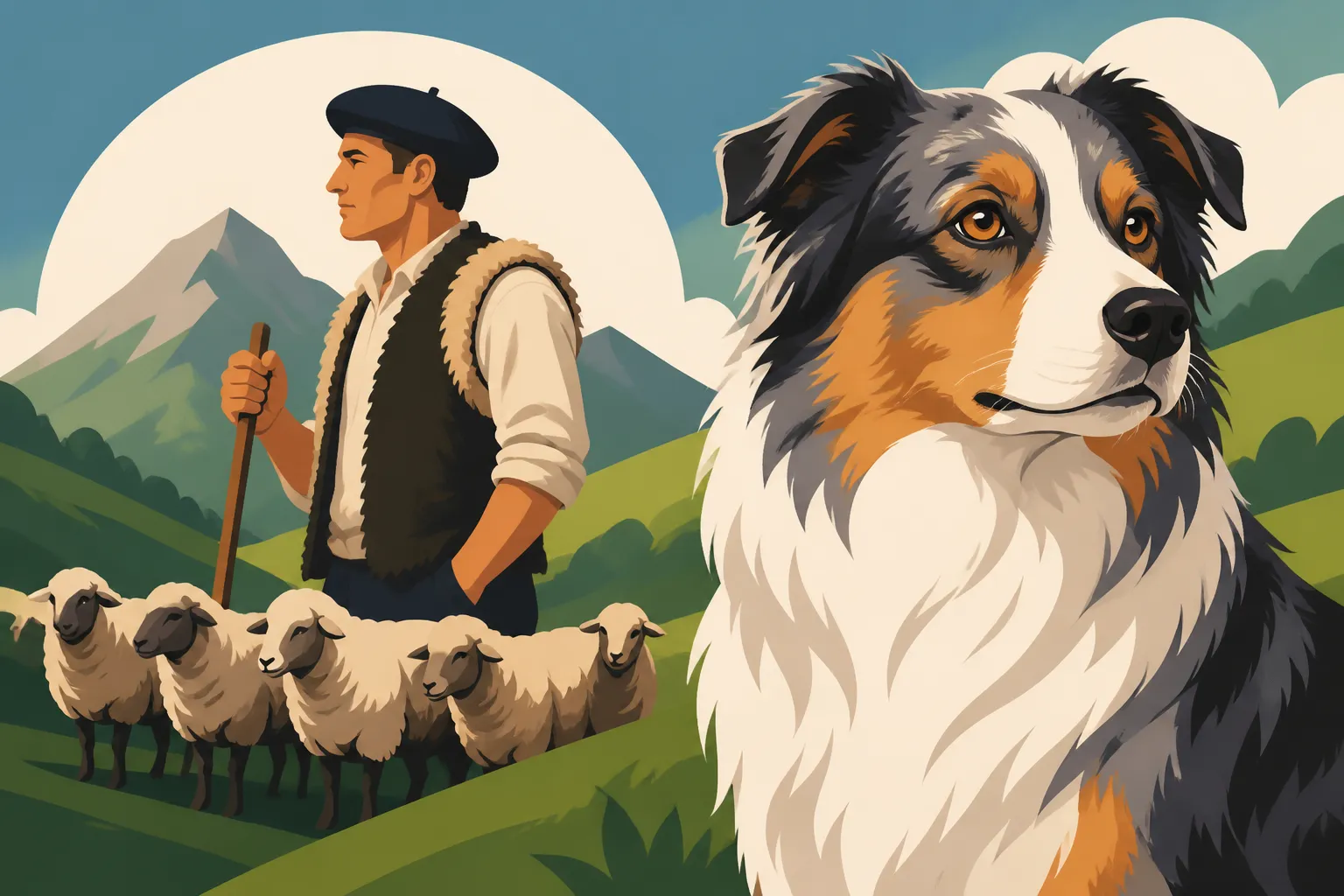
The real story begins in the Pyrenees Mountains, a region with a long and proud tradition of sheepherding. For centuries, the Basque people have relied on resilient, intelligent dogs to help them manage their flocks across rugged terrain. These were not fancy show dogs; they were working animals, bred for their instinct, stamina, and ability to think on their feet, often independently from their shepherd. They were essential partners in a tough, demanding way of life.
The dogs accompanying these Basque shepherds to the New World were a culmination of generations of careful breeding for utility. They possessed an innate understanding of sheep movement, a strong desire to gather and control, and the physical fortitude to endure long days and varied weather conditions. These traits, honed over centuries, are the very foundation upon which the modern Australian Shepherd was built. Understanding The Basque Herders Who Brought Aussie Ancestors is key to appreciating the breed's intrinsic qualities.
From the Pyrenees to the New World: A Journey of Migration
The journey of these dogs across continents was driven by economic opportunity and hardship. As the American West opened up, with its vast grasslands and burgeoning demand for wool and meat, many Basque families saw a chance for a new life. They packed their meager belongings, their families, and, crucially, their invaluable working dogs, embarking on a long and arduous migration that would ultimately change the course of canine history.
The Gold Rush Flocks That Made the Aussie
The mid-19th century American Gold Rush brought a massive influx of people to California and other western states. While everyone was dreaming of striking it rich with gold, a parallel boom was happening in agriculture: the demand for food and wool skyrocketed. This created an incredible opportunity for shepherds. Many Basque immigrants, with their centuries-old knowledge of sheep husbandry and their exceptional dogs, found themselves perfectly positioned to meet this demand. They brought with them hardy sheep breeds and the dogs trained to manage them.
These dogs, often referred to simply as "Basque dogs," were instrumental in expanding the sheep industry across the rugged landscapes of California, Oregon, and Nevada. They weren't just driving sheep; they were protecting them from predators, finding lost strays, and navigating challenging terrain. The success of these flocks, and by extension the livelihoods of the shepherds, relied heavily on the tireless efforts of these dogs. It was here, in the vast, open spaces of the American West, that the foundation for what we now know as the Australian Shepherd was truly laid. The Gold Rush Flocks That Made the Aussie illustrates this crucial period.
Which Basque Dogs Went Into the Australian Shepherd
It's important to remember that the "Basque dogs" weren't a single, officially recognized breed as we understand it today. They were a diverse group of regional herding dogs, all sharing common traits of intelligence, agility, and strong herding instinct. While specific breeds like the Pyrenean Shepherd are often cited as likely ancestors, it's more accurate to think of them as a type of dog, rather than a distinct breed with a rigid standard. These dogs were bred for function, not appearance.
| Ancestral Dog Trait | Modern Australian Shepherd Trait | Utility for Sheepherding |
|---|---|---|
| Intense herding gaze | Strong eye, instinctual herder | Controls flock movement without physical contact |
| High stamina | Endless energy, athletic | Covers vast distances, works long hours |
| Independent problem-solving | Intelligent, adaptable | Makes decisions without constant shepherd command |
| Loyalty to shepherd | Devoted, eager to please | Forms strong bond, reliable partner |
| Agile, nimble | Quick, coordinated | Navigates rough terrain, pivots quickly |
| Medium size | Moderate build, balanced | Maneuverable, not too heavy for long work |
These dogs were chosen for their ability to work livestock efficiently and tirelessly, often in harsh conditions. Their resilience and keen intelligence were paramount. Over time, as these dogs interbred and adapted to the specific challenges of American ranching, a distinct type began to emerge, further refined by the needs of the ranchers. Which Basque Dogs Went Into the Australian Shepherd explores these ancestral links in detail.
California's Ranching Culture and the Making of the Aussie
California, with its vast cattle and sheep ranches, became a melting pot for herding dogs. The Basque dogs mingled with other types of collies and working dogs brought by settlers from other parts of Europe and the American East Coast. This cross-pollination, driven by the practical needs of ranch life, led to the development of a unique dog perfectly suited for the diverse and demanding work of the American West.
Aussie Ancestors Worked in California
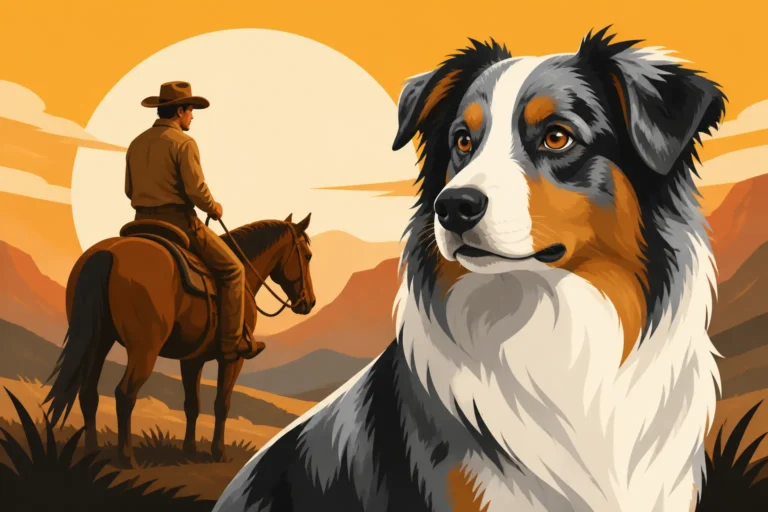
The ranches of California and neighboring states were the true cradle of the Australian Shepherd. Here, in places like California's central valley, eastern Oregon, and Idaho, these dogs were put to the test daily, moving cattle and sheep, often alongside horses. Ranchers quickly recognized the superior abilities of the "little blue dogs" and "ghost dogs" (referring to their merle coats and often piercing blue eyes) and began to intentionally breed for these traits. They sought dogs with strong herding instincts, intelligence, and the biddability to work closely with humans in complex ranching environments. Where Aussie Ancestors Worked in California highlights these important regional developments.
The selection process was brutal and purely functional. Dogs that couldn't perform were not kept for breeding. This rigorous selection for working ability meant that traits like strong herding drive, intelligence, courage, and stamina were deeply ingrained in the emerging breed. Ranchers weren't concerned with pedigree papers or breed standards; they cared about whether a dog could bring in the herd, handle a stubborn steer, or find a lamb separated from its mother. This practical breeding philosophy laid the groundwork for the robust and capable Australian Shepherd we know today.
What Ranchers Wanted From an Australian Shepherd
The ideal Australian Shepherd, from a rancher's perspective, was a versatile partner. They needed a dog that could handle both sheep and cattle, often switching between tasks seamlessly. This meant a dog with enough presence to move a cow but gentle enough not to harm sheep. They also needed dogs that were agile and quick, capable of navigating rocky terrain and thick brush, and able to work for hours on end without tiring. Ranchers also valued a dog that was fiercely loyal to its handler but reserved around strangers, a trait still seen in many Aussies today.
Beyond physical prowess and instinct, temperament was crucial. Ranchers needed dogs that were intelligent, trainable, and eager to please, but also independent enough to make good decisions when out of sight of their handler. They often worked in vast, remote areas, making independent thought and problem-solving skills invaluable. These characteristics—a strong work ethic, intelligence, versatility, and loyal companionship—were the driving forces behind the selective breeding practices of these early American ranchers. What Ranchers Wanted From an Australian Shepherd truly encapsulates this vision.
Shaping the Modern Australian Shepherd: Rodeo Arenas and Breed Recognition
While the breed's foundations were laid on the ranch, the Australian Shepherd truly gained national recognition through the exciting world of rodeos. These events, showcasing cowboy skills and animal performance, provided a stage for these intelligent dogs to demonstrate their remarkable abilities to a wider audience, catapulting them into the public eye and paving the way for formal breed recognition.
Australian Shepherds in Rodeo Arenas
After World War II, the popularity of the Western riding circuit and rodeo shows exploded across America. Jay Sisler, a famous trick trainer, began to tour the rodeo circuit with his incredibly talented Australian Shepherds. His dogs performed astonishing tricks, herded livestock with precision, and captivated audiences with their intelligence and agility. People saw these dogs and were simply amazed by their capabilities. This exposure was instrumental in popularizing the breed beyond the ranch gate.
Sisler's dogs, and others like them, weren't just performing; they were living advertisements for the breed's versatility and intelligence. They could perform complex routines, navigate obstacles, and still retain their natural herding instincts. This widespread visibility led many to seek out these "Australian Shepherds" for their own ranches, farms, and even as companions. The rodeo circuit solidified the Australian Shepherd's reputation as a smart, capable, and highly trainable dog, leading to a surge in interest and breeding. Australian Shepherds Herding Bulls at Rodeos provides a glimpse into this exciting era.
The Two Dates That Brought the Aussie Into the AKC
Despite its growing popularity, the Australian Shepherd remained largely a "working man's dog" for many years, without formal recognition from major kennel clubs. Dedicated enthusiasts, however, recognized the importance of preserving the breed's unique characteristics and ensuring its future. The Australian Shepherd Club of America (ASCA) was founded in 1957, establishing the first breed registry and standard, focused heavily on preserving the working aspects of the breed.
Later, in 1993, the American Kennel Club (AKC) officially recognized the Australian Shepherd, placing it in the Herding Group. This marked a significant milestone, bringing the breed to an even wider audience and introducing it to the world of conformation showing. While some purists worried about the potential shift from working ability to appearance, both ASCA and AKC recognition helped to further define and protect the breed, ensuring that its rich history and incredible traits would continue for generations to come. The Two Dates That Brought the Aussie Into the AKC captures these pivotal moments.
The Enduring Legacy of the Basque Herding Dog
Today's Australian Shepherd, whether a working ranch dog, an agility champion, or a beloved family companion, carries the indelible legacy of its Basque ancestors. Their drive, intelligence, and unique personality are direct reflections of centuries of dedicated breeding for a singular purpose: working alongside humans to manage livestock.
Whether an Aussie Can Still Work Sheep
Absolutely! While many Australian Shepherds today live as cherished family pets, the instinct to herd is still very much alive and well within the breed. In fact, many Aussies excel in formal herding trials, demonstrating the same innate understanding of flock dynamics that their ancestors possessed. For those interested, herding instinct tests are available to see if your Aussie has that inherent drive. It's truly incredible to watch a dog that has never seen sheep before instinctively know how to move them, gather them, and control them with its "eye" and body language.
Even if an Aussie never sees a sheep, that strong herding drive will manifest in other ways, often by trying to "herd" children, other pets, or even bicycles. This isn't misbehavior; it's simply their instinct expressing itself. Providing appropriate outlets, like Treibball as an Aussie Alternative to Sheep or disc sports, can channel this energy positively. Many dedicated owners connect with local herding trainers to allow their Aussies to fulfill their genetic destiny, even if it's just for sport. Chewy also offers a variety of durable herding balls and enrichment toys that can help satisfy some of this primal drive in a safe, appropriate way at home.
Ranch Bred Against Ring Bred Australian Shepherds
Today, you'll often hear discussions about "ranch bred" versus "ring bred" (or "show bred") Australian Shepherds. Ranch bred Aussies are dogs whose lineage is heavily focused on proven working ability, often coming from lines that are still actively used on farms and ranches. These dogs are selected primarily for their herding instinct, stamina, and intelligence in a working context. Their physical appearance is secondary to their functional capabilities.
On the other hand, ring bred Aussies come from lines primarily selected for their adherence to the breed standard in conformation shows. While many show dogs retain good working instincts and intelligence, the emphasis is often on physical attributes like coat color, bone structure, and gait. It’s important to understand that both types are still Australian Shepherds, and many breeders strive for a balance, producing dogs that are both beautiful and capable. However, knowing the distinction can help prospective owners choose a dog whose drive and temperament align with their lifestyle expectations. Ranch Bred Against Ring Bred Australian Shepherds offers a deeper look at these differences.
The Lasting Impact on Temperament and Drive
The historical journey of the Australian Shepherd has profoundly shaped its modern temperament. The demanding life of a working ranch dog required intelligence, adaptability, loyalty, and a strong work ethic—qualities that are still hallmarks of the breed today. They are highly intelligent and thrive on having a "job," whether it's herding, agility, or simply being an active companion. Their desire to be with their people and participate in activities is a direct result of their partnership with shepherds in isolating environments.
This strong drive and intelligence mean that Australian Shepherds are not a breed for everyone. They require significant mental and physical exercise, consistent training, and a sense of purpose. An under-stimulated Aussie can quickly become bored and destructive, a testament to the powerful instincts inherited from their tireless ancestors. Providing puzzle toys, training challenges, and plenty of opportunities to exercise both mind and body is essential for a happy, well-adjusted Australian Shepherd. Many owners find great success with products from retailers like Chewy, which offers a wide array of interactive toys and high-quality food suitable for active breeds.
The Enduring Allure of the Australian Shepherd
The story of the Australian Shepherd is a testament to the power of adaptation and the enduring partnership between humans and dogs. From the rugged Pyrenees to the vast American West, these incredible dogs, guided by their Basque handlers, carved out a legacy of hard work, intelligence, and unwavering loyalty. The misleading name might cause a moment of confusion, but the true history reveals a breed deeply rooted in a working heritage that continues to captivate and challenge owners today. Their story is not just about a dog breed; it's about the spirit of immigration, the American frontier, and the bond between shepherd and canine that transcended continents and centuries.
Today, whether you’re considering an Aussie for herding, sports, or simply as an active companion, understanding their Basque origins and ranching history provides invaluable insight into their unique needs and incredible capabilities. They are a breed that truly embodies the spirit of work and devotion, a living link to a fascinating past.
Disclaimer
This article is for general informational purposes only and does not constitute professional advice. Laws, prices and regulations vary by location and change over time. Consult a qualified professional for guidance on your specific situation.