DNA Testing for the Merle Allele in an Aussie
The mystery surrounding an Australian Shepherd's true genetic makeup can be incredibly daunting, especially when it comes to the Merle gene. Many well-meaning owners and even some breeders aren't fully aware of the serious health implications or the hidden complexities like cryptic merle. This guide aims to clear up all that confusion, walking you through why DNA testing for the Merle allele is so vital for every Aussie, what the results mean, and how this knowledge empowers you to ensure your beloved dog lives the healthiest, happiest life possible.
Understanding the Merle Gene and Its Impact on Australian Shepherds
The Merle gene is absolutely beautiful, creating those iconic swirled patterns and striking blue eyes we often associate with Australian Shepherds. But as stunning as it is, it also carries a significant responsibility, and understanding its science is the first step toward safeguarding your Aussie's health. It’s not just about what you see; it’s about what lies beneath the surface.
What is the Merle Allele and How Does it Work?
At its core, the Merle allele, denoted as 'M', is a dominant modifier gene that affects pigment. Think of it like a dimmer switch for your Aussie's base coat color. If your dog has a black base, the merle gene will dilute some of that black to shades of gray, creating the classic blue merle pattern. If their base is red, it dilutes it to liver or lighter red tones, resulting in a red merle coat. The non-merle allele is 'm', which means the coat color is expressed fully without dilution.
So, an Australian Shepherd that inherits one copy of the merle gene (Mm) will display the beautiful merle pattern. This is what we commonly refer to as a "single merle." The gene essentially causes patches of pigment to be lightened or "diluted" randomly, resulting in varied coat patterns and often blue or "marbled" eyes. It's truly fascinating how it creates such unique and individual looks, but this genetic lottery isn't without its risks, especially when two copies of the gene come into play. To really grasp the visual impact, it helps to understand The Merle Gene and How It Dilutes Aussie Coat.
The Risks of the Double Merle Gene
Here’s where it gets serious, and frankly, where responsible breeding and DNA testing become non-negotiable. When an Australian Shepherd inherits two copies of the merle gene (MM), they are known as a "double merle" or sometimes a "homozygous merle." This isn't just about a different coat pattern; it dramatically increases the risk of severe health issues. Double merles often have vastly more white on their coats, especially around their heads and ears, and their eyes can be entirely blue or lack pigment.
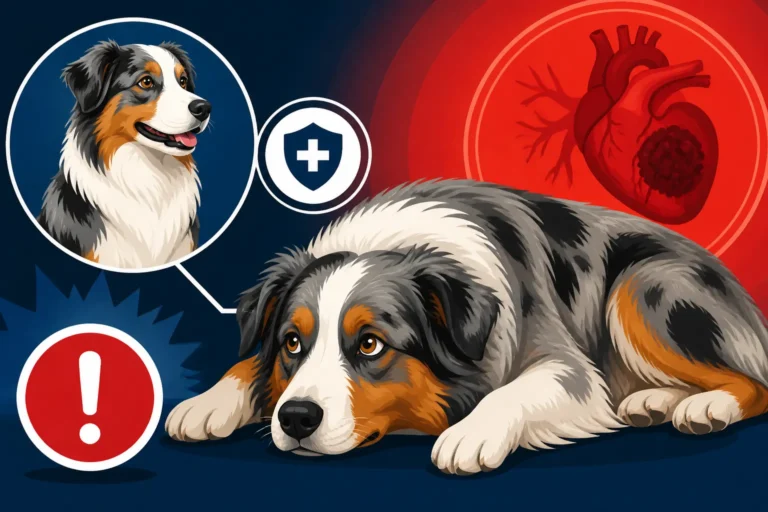
The real tragedy is that this lack of pigment isn't just cosmetic; it extends to their internal structures, particularly the eyes and ears. Double merle Aussies are at a significantly higher risk of being born blind, deaf, or both. Imagine the heartbreaking reality of a puppy born with severe vision impairment, like microphthalmia (abnormally small eyes), or completely deaf, simply because two merle parents were bred together without proper genetic testing. This is why discussions around Double Merle Australian Shepherds and What Breeding Two Merles Costs are so critical, highlighting the real-world impact of these breeding decisions. The potential for Deafness in a Double Merle Australian Shepherd and profound Eye Defects in a Double Merle Australian Shepherd isn't just a statistical anomaly; it's a devastating reality for too many puppies.
Why DNA Testing is Crucial for Merle Aussies
Given these serious risks, DNA testing for the Merle allele isn't just a good idea; it's an ethical imperative for anyone involved with Australian Shepherds, especially breeders. Even if an Aussie appears to be a solid color, they might still carry the merle gene (cryptic merle), which we’ll discuss in more detail shortly. Without knowing the exact genetic makeup of both parents, breeding two merle carriers together is a roll of the dice with potentially tragic consequences for the offspring.
For breeders, this test provides the essential information needed to make informed decisions and prevent the accidental creation of double merles. It's part of a broader commitment to responsible breeding practices, ensuring the health and well-being of future generations. For pet owners, knowing your Aussie's merle status can help you understand potential predispositions and work proactively with your vet. It's about proactive care and peace of mind, recognizing that a cheap puppy with an unknown background can sometimes come with hidden costs down the line, truly making Why a Cheap Merle Aussie Puppy Is a Warning resonate.
The Mechanics of Merle Allele DNA Testing
Thankfully, determining your Australian Shepherd's merle status is a straightforward process thanks to modern veterinary genetics. You don't need invasive procedures or complex medical interventions; it's a simple, reliable test that yields incredibly valuable information.
How the Test is Performed
The good news is that DNA testing for the Merle allele is remarkably non-invasive and can often be done from the comfort of your home. The most common method involves a buccal swab, which is essentially a fancy name for a cheek swab. You'll receive a kit from a reputable genetic testing laboratory, which usually contains a sterile cotton swab, instructions, and a return envelope.
The process involves gently rubbing the swab along the inside of your dog's cheek, collecting cells that contain their DNA. It’s quick, painless, and your Aussie probably won’t even mind it. Once you've collected the sample, you mail it back to the lab. In a few weeks, sometimes less, you'll receive a report detailing your dog's specific Merle genotype. It’s part of a comprehensive approach to understanding your dog's genetic blueprint, much like getting The Genetic Panel Every Australian Shepherd Needs to cover a range of hereditary conditions.
Interpreting Your Aussie's Merle Test Results
When your results come back, you'll typically see a genotype reported, often using symbols like 'm' for non-merle and 'M' for merle. Here’s a basic breakdown of what you might encounter:
- mm (Non-Merle): This means your Aussie does not carry the merle gene. They will not display merle patterning and cannot pass the merle gene on to their offspring. Their coat color will be solid (black, red, or sable) based on other genetic factors.
- Mm (Single Merle): This Aussie carries one copy of the merle gene. They will typically display a merle coat pattern (blue merle, red merle) and can pass the merle gene to approximately 50% of their offspring. These are the beautiful, vibrant merle dogs we often admire.
- MM (Double Merle/Homozygous Merle): This dog carries two copies of the merle gene. As discussed, these dogs are at a very high risk for vision and hearing impairments. If you get this result unexpectedly, it underscores the importance of thorough health checks and careful future planning.
Some advanced tests might even report different lengths of the merle allele (e.g., M^a, M^c, M^d, M^h), which can indicate varying degrees of merle expression, including cryptic merle. Understanding how to read these reports is key, similar to how you’d learn Reading an Aussie MDR1 Result Line by Line for another critical genetic test. If you're ever unsure about what your results mean, don't hesitate to reach out to the testing lab or your veterinarian for clarification.
Cryptic Merle and Its Challenges
One of the trickiest aspects of the Merle gene is the phenomenon of "cryptic merle." A dog with cryptic merle carries the merle allele, but the expression of the gene is so minimal that their coat appears solid or nearly solid. You might not see any obvious merle patches, or perhaps just a tiny, almost imperceptible fleck of lighter pigment. This is often represented by alleles like M^c or M^a on more detailed genetic panels.
This hidden merle status is precisely why DNA testing is so crucial, even for Aussies that don't look merle. If a cryptic merle dog is bred with another merle (even a single merle), there's still a risk of producing double merle offspring with severe health issues. The visual appearance can be deceiving, making genetic testing the only definitive way to know an Aussie's true merle status. It's a truly sneaky genetic variant that Cryptic Merle That Fools Aussie Breeders can easily overlook without proper testing, emphasizing why relying solely on visual inspection is a dangerous game in breeding.
Who Should Test Their Australian Shepherd for Merle?
The simple answer is: everyone who owns an Australian Shepherd, or is considering breeding one, should know their dog's merle status. However, certain situations make this testing absolutely indispensable.
Breeders and Potential Breeding Dogs
For responsible breeders, DNA testing for the Merle allele is non-negotiable. It’s a cornerstone of ethical breeding practices. Before planning any litter, both prospective parents should be tested to ensure that two merle carriers (Mm) are never bred together. As we've covered, this pairing carries a 25% chance of producing double merle puppies in each litter, often leading to dogs with severe disabilities. Reputable breeders will always prioritize the health of their puppies, and this means knowing the genetic makeup of their breeding stock inside and out. It’s precisely Why Aussie Breeders Never Cross Merle to Merle and why you should always ask for genetic health clearances when looking at puppies, ensuring the breeder has done their due diligence. This transparency helps ensure you bring home a healthy companion.
Pet Owners Seeking Peace of Mind
Even if you have no intention of breeding your Australian Shepherd, knowing their Merle status can offer invaluable peace of mind. While single merles (Mm) typically don't suffer the severe health issues associated with double merles, some studies suggest that even single merles might have a slightly increased risk of milder hearing or vision anomalies, although this is generally very rare and often subclinical.
More importantly, it helps you understand your dog's genetic history. If you happen to have a double merle, knowing this early allows you to prepare for any special care they might need. It helps you advocate for them at the vet, ensuring they receive appropriate support. This proactive approach to health can save a lot of heartache and expense down the road, and can inform your discussions with pet insurance providers like Healthy Paws, helping you understand coverage options for potential hereditary conditions. For pet parents, it's just another layer of understanding your furry family member better.
Adopted or Rescue Aussies with Unknown Paternity
This is another critical scenario where Merle allele DNA testing shines. Many Australian Shepherds find themselves in rescues or shelters with little to no known history. Their parentage might be unknown, and their visual appearance might not tell the full story. An Aussie that looks solid might actually be a cryptic merle, or one with extensive white might be a double merle.
If you've adopted an Aussie, especially one whose background is a mystery, DNA testing can fill in crucial gaps. This information helps you understand any potential health predispositions and can be vital for your veterinarian in providing the best care throughout their life. It helps rescues place dogs responsibly, ensuring that any special needs, like those of a deaf or blind double merle, are matched with an adoptive family prepared for the commitment. It's part of taking full responsibility for a dog whose early life may have been less than ideal, and an example of the comprehensive health assessments that should be done, alongside The Health Tests Every Australian Shepherd Parent Needs.
Practical Considerations and Next Steps After Testing
Once you've made the decision to test your Australian Shepherd for the Merle allele, there are a few practical points to consider to ensure you get accurate results and know how to best use the information.
Choosing a Reputable DNA Testing Service
Not all DNA testing services are created equal, so doing a little homework is important. Look for laboratories that are well-established, use accredited methods, and specifically offer testing for the Merle allele (often listed as 'M Locus'). Some popular and reputable options include Embark, Optimal Selection, and GenSol Diagnostics. These companies are often recommended by breed clubs and veterinary geneticists.
Check their reputation, read reviews, and ensure they provide clear, comprehensive reports that are easy to understand. Also, consider the cost and turnaround time. While genetic testing is an investment, it’s a relatively small one when weighed against the potential cost and emotional toll of managing severe health issues that could have been prevented. Having a comprehensive understanding of your dog's genetic health allows you to make informed decisions about their care, and good pet insurance, like a policy from Healthy Paws, can certainly help manage unexpected veterinary expenses related to hereditary conditions.
Integrating Merle Status into Health Management
Knowing your Australian Shepherd's Merle status is a powerful piece of information. For single merles (Mm), it primarily serves as a confirmation of their genotype and helps ensure responsible breeding if they are intact. For non-merles (mm), it offers reassurance that they cannot produce double merle offspring.
However, if your dog is identified as a double merle (MM), this information becomes even more critical for their ongoing health management. It means you should be extra vigilant about checking their vision and hearing regularly and working closely with your veterinarian. They might recommend specialized eye exams with a veterinary ophthalmologist or BAER (Brainstem Auditory Evoked Response) testing to assess hearing. This proactive monitoring allows for early intervention and adaptations to their living environment to maximize their quality of life. This knowledge is part of the broader picture of responsible pet ownership, just like understanding other genetic predispositions covered by What ASHGI Recommends Testing in an Aussie.
Sharing Results and Educating Others
As an Australian Shepherd owner, you're part of a community. Sharing your dog's Merle allele test results, especially if you are a breeder or advocate for the breed, contributes to a greater understanding and promotes responsible practices. Transparency in breeding is key to reducing the incidence of double merles.
Educating fellow Aussie owners, or those considering getting an Australian Shepherd, about the importance of merle testing can make a real difference. Many people are simply unaware of the risks associated with the double merle gene. By sharing your experience and knowledge, you can help prevent future heartache and contribute to a healthier future for the Australian Shepherd breed. It fosters a more informed community where health and welfare are prioritized above all else.
Merle Allele Genotypes and Their Implications
Here’s a quick overview of the different Merle allele genotypes you might encounter and what they mean for your Australian Shepherd.
| Genotype | Description | Visual Appearance | Health Risks (Eyes/Ears) | Breeding Recommendation |
|---|---|---|---|---|
| mm | Two copies of the non-merle allele. | Solid coat (e.g., black tri). | No increased risk due to merle. | Can be bred with any merle or non-merle partner safely. |
| Mm | One copy of the merle allele, one non-merle. | Classic merle pattern. | Minimal to no increased risk (rarely mild issues). | Should NOT be bred with another Mm or MM dog. |
| MM | Two copies of the merle allele (Double Merle / Homozygous Merle). | Often excessive white, dilute. | High risk of severe deafness and/or blindness. | Should NEVER be bred. |
| M^c M^c | Two copies of the cryptic merle allele. | Solid to minimal merle. | No increased risk. | Can be bred with any merle or non-merle partner. |
| M^c m | One copy of cryptic merle, one non-merle. | Solid to minimal merle. | No increased risk. | Can be bred with any merle or non-merle partner. |
| M^c M | One copy of cryptic merle, one standard merle. | Often looks like a single merle. | Low to moderate risk of milder vision/hearing issues. | Should NOT be bred with another M or M^cM dog. |
Note: There are other complex merle alleles (M^a, M^h, etc.) which can affect expression and risk profiles. Consult with your genetic testing provider for precise interpretation of specific allele lengths.
Disclaimer
The information provided in this article is for educational purposes only and is not intended to be a substitute for professional veterinary advice, diagnosis, or treatment. Always seek the advice of your veterinarian or other qualified health provider with any questions you may have regarding a medical condition.