What to Keep Away From an Aussie
Toxic household items for an Australian Shepherd include chocolate, xylitol, grapes, common medications, and certain toxic plants.

Toxic household items for an Australian Shepherd include chocolate, xylitol, grapes, common medications, and certain toxic plants.
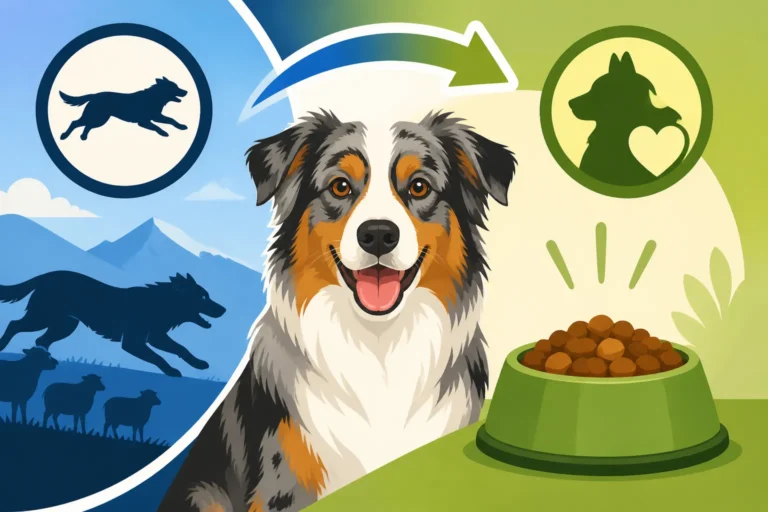
Adjusting food portions and using the rib test helps retired Australian Shepherds prevent weight gain and protect aging joints.

Dog dental care methods and safe tools help Australian Shepherd owners manage oral hygiene and prevent systemic infections.

A lean Australian Shepherd requires proper calorie calculation, adjustable feeding schedules based on activity, and strict portion control.
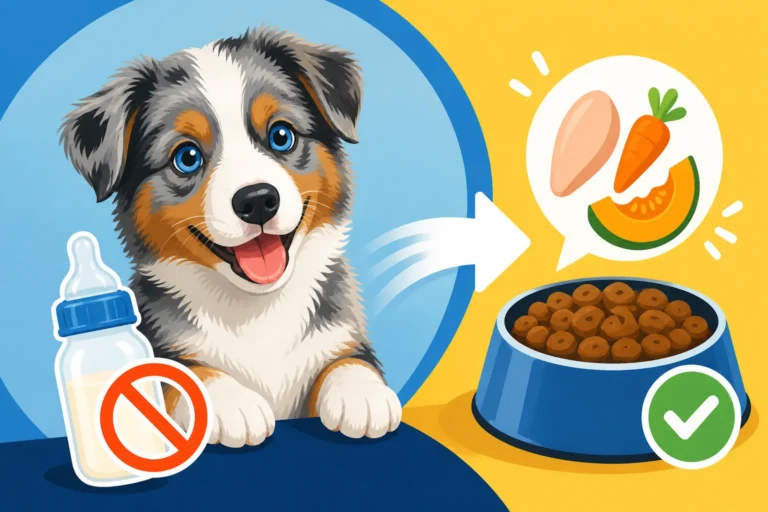
Australian Shepherd puppies transition to adult food between 12 and 18 months, depending on skeletal maturity and growth plate closure.

Proper nutrition for an Australian Shepherd puppy ensures healthy bone growth, strong muscles, and stable energy levels.
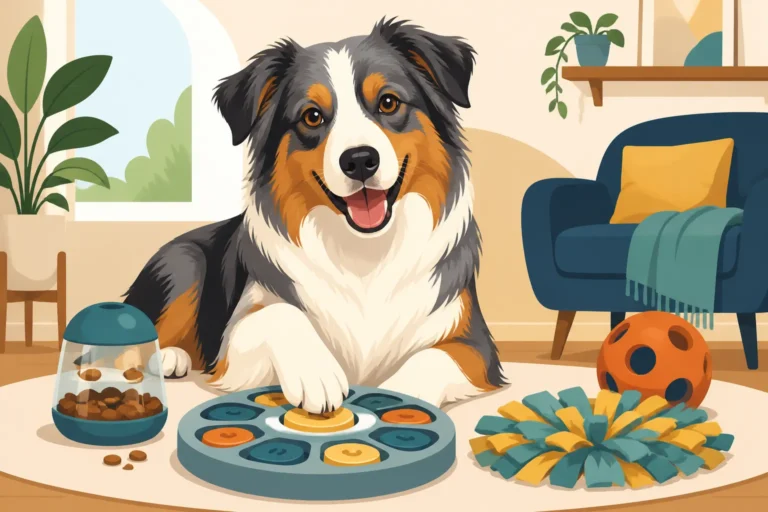
Indoor Australian Shepherd enrichment uses puzzle toys, snuffle mats, and scent games to prevent destructive indoor behaviors.

Australian Shepherd winter exercise safety requires monitoring double coat condition, paw health, and cold stress signs during walks.

Australian Shepherd exercise strategies for summer heat explain how to protect double-coated dogs from dangerous heatstroke and keep them safe.

Preparing an Australian Shepherd for a long trail day involves building endurance, selecting proper gear, and managing hydration.