The ACVO Eye Exam Australian Shepherd Breeders Run
Bringing an Australian Shepherd puppy home is an exciting time, but the responsibility of ensuring their long-term health can feel overwhelming, especially when faced with the potential for inherited eye conditions. Many prospective owners and even seasoned breeders worry about unseen issues that could impact a dog's vision and quality of life. This guide will walk you through the crucial ACVO eye exam, explaining what it is, why it's so vital for Australian Shepherds, and how its results play a part in responsible breeding and ownership.
Understanding the ACVO Eye Exam for Australian Shepherds
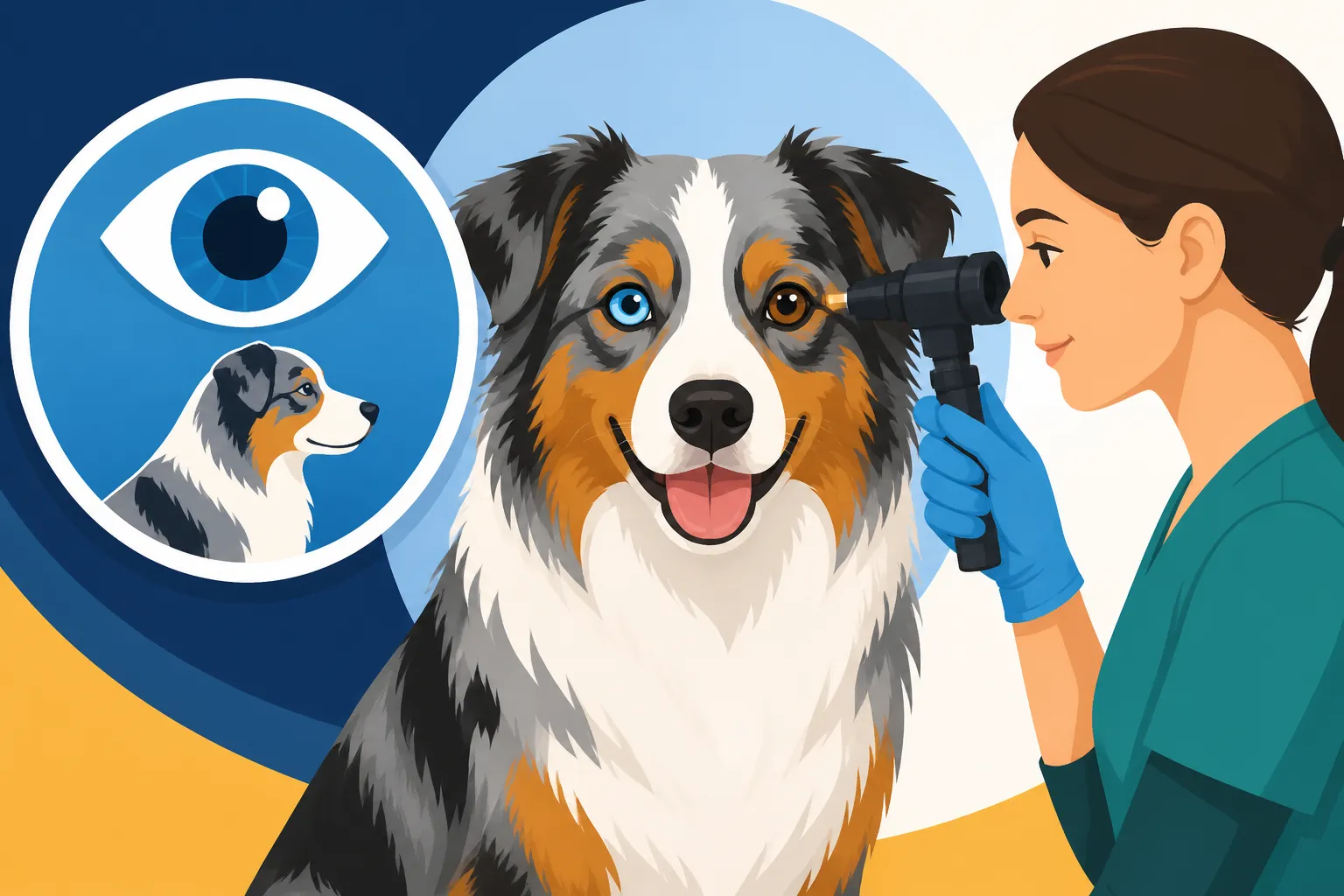
When you're dealing with a breed as prone to certain eye conditions as the Australian Shepherd, a regular eye exam isn't just a suggestion; it's a cornerstone of responsible care. The ACVO eye exam, officially known as a Companion Animal Eye Registry (CAER) examination performed by a board-certified veterinary ophthalmologist (a member of the American College of Veterinary Ophthalmologists, or ACVO), is the gold standard for screening dogs for inherited and congenital eye diseases. It's a comprehensive, non-invasive assessment that looks far beyond what a regular vet might catch during a routine check-up.
This isn't just about making sure your Aussie can see; it's about identifying specific genetic conditions that can cause anything from mild vision impairment to complete blindness, some of which might not show symptoms until much later in life. For breeders, this exam is absolutely indispensable. It provides crucial information about the health of their breeding stock, helping them make informed decisions to reduce the incidence of these diseases in future generations. For puppy buyers, it's a vital piece of the puzzle, offering peace of mind or, at the very least, full disclosure about potential issues down the line. Without these specialized exams, inherited eye diseases could silently propagate through bloodlines, leading to heartbreak and significant veterinary expenses for unsuspecting owners.
Who Performs the Exam and What Makes Them Qualified?
The key distinction of an ACVO eye exam is who performs it: a board-certified veterinary ophthalmologist. These aren't just general practice veterinarians who have an interest in eyes. These specialists have undergone years of additional, intensive training and residency specifically in veterinary ophthalmology, followed by rigorous examinations to earn their board certification. Think of them as the equivalent of a human eye surgeon or specialist.
Their specialized knowledge means they're adept at identifying subtle signs of disease that might be missed by someone less experienced. They understand the nuances of various breeds' ocular health, including the specific predispositions of Australian Shepherds. When an ophthalmologist performs a CAER exam, they are not only looking for obvious issues but also meticulously examining every structure of the eye for anomalies. This expertise is why their findings are so highly regarded and why organizations like the Orthopedic Foundation for Animals (OFA) rely on their reports for breed health registries. They're trained to spot everything from early cataracts to retinal detachments, providing an unparalleled level of detail and accuracy in their assessment.
Why the ACVO Exam is Crucial for Australian Shepherds
Australian Shepherds, while beautiful and intelligent, are genetically predisposed to several significant eye conditions. These aren't just random occurrences; many are inherited, meaning they can be passed down from parent to offspring. Without proper screening, these conditions can spread rapidly through a breeding population, causing widespread suffering and huge costs for owners.
The ACVO exam is designed to detect these conditions early, often before they become clinically apparent or cause significant vision loss. This early detection is vital, as some conditions, like Collie Eye Anomaly in an Australian Shepherd, can range from very mild to severely debilitating. Other conditions, like Hereditary Cataracts Clouding an Aussie Eye, might start small but progress over time to cause blindness. For breeders, having clear, current ACVO certifications for their dogs helps ensure they are not inadvertently passing on these painful and costly conditions. For those adopting a puppy, seeing parents with current, clear ACVO results is a strong indicator of a breeder's commitment to health and can save you from future heartache and vet bills. It’s a proactive step that truly reflects responsible breeding practices.
Common Australian Shepherd Eye Conditions Screened by ACVO
The ACVO eye exam is comprehensive precisely because Australian Shepherds can suffer from a range of inherited ocular issues. Understanding these specific conditions helps underscore why this specialized examination is so critical for the breed. It's not just a general check; it's a targeted search for the problems that frequently plague Aussies.
The exam allows the ophthalmologist to look for abnormalities in various parts of the eye, including the eyelids, conjunctiva, cornea, iris, lens, and retina. They'll use specialized equipment, often after dilating the pupils, to get a clear view of the deep structures of the eye. This thoroughness is what makes the ACVO exam such a powerful tool in monitoring and managing breed health.
Collie Eye Anomaly CEA
Collie Eye Anomaly (CEA) is one of the most well-known inherited eye diseases affecting Australian Shepherds, despite its name suggesting otherwise. It's a developmental defect of the eye that occurs before birth, affecting various structures, most commonly the choroid, which is the vascular layer behind the retina. The severity of CEA can vary dramatically. Some dogs might have only a mild form, known as choroidal hypoplasia, which might not significantly impact their vision, especially if it's only mild. However, others can suffer from more severe manifestations, including colobomas (holes in the optic disc or choroid), retinal detachments, and intraocular hemorrhages, all of which can lead to significant vision impairment or even blindness.
The insidious thing about CEA is that mild cases might not affect vision much, making it easy for breeders to unknowingly pass on the gene. This is why a specific exam like the ACVO is so important; it can detect even mild forms. Reputable breeders will always test their Australian Shepherds for CEA, often through a combination of DNA testing and the ACVO exam, ensuring they are not breeding affected or carrier dogs irresponsibly. You can learn more about what Collie Eye Anomaly Does to an Aussie Eye by looking into specialized resources.
Hereditary Cataracts
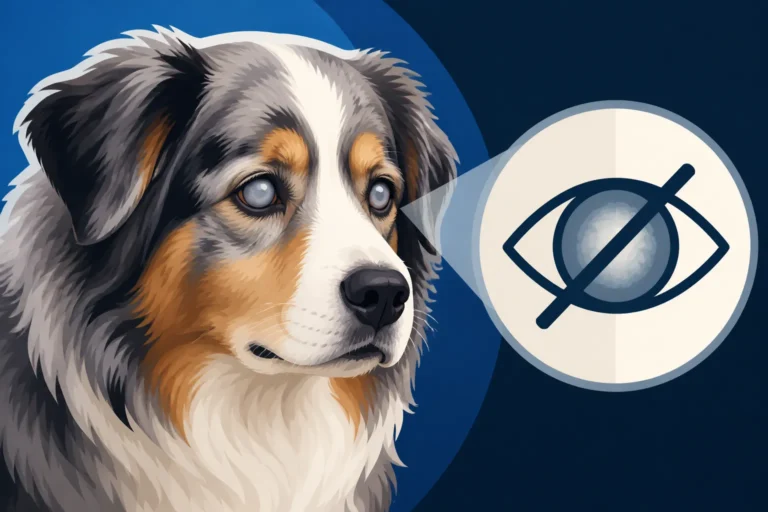
Cataracts, a clouding of the lens of the eye, are another significant concern for Australian Shepherds. While cataracts can occur due to injury, diabetes, or old age, hereditary cataracts are specifically genetic, meaning they're passed down from parents. For Aussies, the most common form is posterior polar cataracts, which affect the back surface of the lens. These can start very small but often progress, eventually obscuring vision significantly.
The ACVO exam is crucial for identifying these cataracts, especially in their early stages. An ophthalmologist can differentiate between hereditary cataracts and other types, which is essential for breeding decisions. There's even a specific DNA test, the Hereditary Cataracts and the Australian Shepherd HSF4 Test, that can identify carriers and affected dogs, further aiding breeders in making informed choices. If a dog has early-onset hereditary cataracts, even if they're not yet vision-impairing, it's a strong indication that they shouldn't be bred. Early detection via ACVO can save puppies from a lifetime of visual impairment and potential expensive surgeries. For many owners, the cost of dealing with progressive vision loss or surgery can be a heavy burden, so preventative screening by breeders is paramount.
Progressive Retinal Atrophy PRA
Progressive Retinal Atrophy (PRA) is a group of inherited diseases that cause the degeneration of the retina, the light-sensitive tissue at the back of the eye. In simpler terms, it's like the film in a camera slowly going bad. For Australian Shepherds, different forms of PRA exist, but the common thread is a progressive loss of vision, usually starting with night blindness and eventually leading to complete blindness. The disease is often painless but devastating to a dog's quality of life.
The ACVO exam is critical for detecting the early signs of retinal degeneration that might indicate PRA. An ophthalmologist will meticulously examine the retina for thinning, changes in blood vessels, or other characteristic signs. Since the disease is progressive, regular exams are important even for dogs that initially clear. Unfortunately, there is no cure for PRA, so prevention through responsible breeding practices – identifying and removing affected and carrier dogs from the breeding pool – is the only way to combat it. Learning about Retinal Atrophy Taking an Aussie's Night Vision can help owners understand the gravity of this condition.
Iris Coloboma
Iris coloboma is another eye condition occasionally seen in Australian Shepherds, particularly those with merle coats. It's essentially a hole or defect in the iris, the colored part of the eye that controls the pupil's size. Imagine a keyhole-shaped pupil instead of a perfectly round one – that's often what an iris coloboma looks like. While some small colobomas might not cause significant problems, larger ones can lead to light sensitivity (photophobia) because the iris can't properly regulate the amount of light entering the eye. In some severe cases, it can be associated with other more serious ocular defects deeper within the eye.
The ACVO ophthalmologist will carefully examine the iris for any signs of these defects. While sometimes linked to the merle gene, not all merle Aussies will have iris coloboma, and not all dogs with coloboma will have vision issues. However, it's an important condition to screen for because it can indicate other underlying eye health concerns. Owners and breeders should be especially vigilant for any unusual pupil shapes or signs of light sensitivity in their merle Australian Shepherds, and the ACVO exam is the definitive way to diagnose this. For more specific details, you can read about Australian Shepherd Iris Coloboma and Merle Eyes.
The ACVO Eye Exam Process: What to Expect
Preparing your Australian Shepherd for an ACVO eye exam isn't complicated, but knowing what to expect can ease any anxieties you or your dog might have. The process is thorough, and while it might take a bit longer than a regular vet check, it’s entirely worth the time for the detailed insights it provides into your dog’s ocular health.
When you arrive at the specialist's office, you'll typically fill out some paperwork, including your dog's history and any concerns you might have. The ophthalmologist or a technician will then usually administer drops to dilate your dog's pupils. This takes about 20-30 minutes, giving them time to properly expand so the doctor can get a full view of the interior structures of the eye, like the lens and retina. During this waiting period, you might notice your Aussie's eyes becoming quite sensitive to light, so keep them comfortable in a dim area if possible. This is a normal part of the process, and their pupils will return to normal size within a few hours.
Preparation and What the Ophthalmologist Does
Once the pupils are dilated, the actual examination begins. The ophthalmologist will use several specialized instruments to examine each part of your Australian Shepherd's eye.
- Initial Visual Inspection: They'll start by visually inspecting the eyelids, conjunctiva (the pink tissue lining the eyelids), and cornea (the clear front surface of the eye) for any obvious abnormalities, injuries, or signs of inflammation. They might use a bright light and magnification.
- Slit Lamp Examination: This is a crucial part of the exam. A slit lamp is a microscope with a bright, adjustable light source that allows the ophthalmologist to view the front of the eye (cornea, iris, lens) in highly magnified, three-dimensional detail. This is where early cataracts, iris colobomas, or subtle corneal issues are often detected. Your Aussie will need to sit still for this, and the ophthalmologist might gently hold their head.
- Ophthalmoscopy (Fundic Exam): After the slit lamp, the ophthalmologist will move to examine the back of the eye, specifically the retina and optic nerve. They'll use an ophthalmoscope – either a direct ophthalmoscope (which gives an upright, magnified image) or an indirect ophthalmoscope (which provides a wider field of view, often used with a head-mounted light and handheld lens). This is where conditions like CEA, PRA, and retinal detachments are identified. They'll be looking for any signs of degeneration, abnormal vessel development, or structural changes.
- Gonioscopy (if needed): In some cases, especially if there's a concern about glaucoma, the ophthalmologist might perform a gonioscopy. This involves placing a special lens on the surface of the eye to examine the drainage angle, which is critical for maintaining healthy eye pressure.
- Documentation: Throughout the exam, the findings are carefully documented. For CAER exams, these findings are then submitted to the Orthopedic Foundation for Animals (OFA) database, providing a public record of the dog's eye health status.
The entire examination typically takes about 30-60 minutes, not including the dilation time. It’s painless, though some dogs might find the bright lights a bit startling. Bringing some high-value treats can help keep your Aussie calm and cooperative throughout the process.
Puppy Eye Checks vs. Adult Exams
The ACVO eye exam isn't a one-and-done deal for Australian Shepherds; the timing and frequency depend on the dog's age and role.
- Puppy Eye Checks: For puppies, the initial ACVO exam is ideally performed around 6-8 weeks of age, before they go to their new homes. This "puppy eye check" is vital for detecting congenital abnormalities, such as severe CEA or Persistent Pupillary Membranes (PPMs), which are remnants of fetal blood vessels that didn't fully regress. This early screening, often referred to as The Aussie Puppy Eye Check at Six Weeks, is crucial for breeders to ensure they are placing healthy puppies and for new owners to be aware of any potential issues from the start. Some conditions, like certain forms of CEA, can be masked by retinal pigment development if tested too late.
- Adult Exams: For adult Australian Shepherds, especially those intended for breeding, annual ACVO exams are highly recommended. This is because some hereditary eye conditions, like hereditary cataracts or certain forms of PRA, might not manifest until later in life. A dog that clears an eye exam at two years old might develop cataracts by four. Annual re-certification ensures that breeders are always working with the most up-to-date information on their breeding stock's eye health. Even pet Aussies benefit from regular eye exams, perhaps every two to three years, to monitor for age-related changes or the onset of late-manifesting inherited conditions. Regular check-ups are also important to catch other potential issues early, even those not directly inherited, ensuring their eyes remain healthy for their entire lives.
Interpreting and Utilizing ACVO Eye Exam Results
Getting your Australian Shepherd's ACVO eye exam results can sometimes feel a bit like deciphering a complex medical report, but understanding what the different classifications mean is crucial. These results aren't just for breeders; they offer invaluable insights for any Aussie owner, helping you prepare for potential health challenges and ensure you're making the best decisions for your furry friend.
The results are typically categorized as "Normal," "Affected," or "Carrier" (though carrier status is usually determined by DNA tests, not the physical exam itself, for some conditions). A "Normal" result means no observable inherited eye disease was found at the time of the exam. "Affected" means the dog has one or more inherited eye conditions. The report will specify which conditions were found and their severity.
Understanding the CAER/OFA Certification
When an ACVO ophthalmologist performs an eye exam for breeding purposes, the results are typically registered with the Orthopedic Foundation for Animals (OFA) through their Companion Animal Eye Registry (CAER) program. This creates a standardized, public database of eye health information.
- Why it Matters: A CAER/OFA certificate confirms that a dog has been examined by a board-certified ophthalmologist and details the findings. This certification is a cornerstone of responsible breeding. It allows prospective puppy buyers to verify the eye health of parent dogs, reducing the risk of purchasing a puppy predisposed to serious eye problems. It also helps breeders track eye health trends within their lines and make informed decisions.
- The Certification Process: The ophthalmologist fills out a specific CAER form, which then gets sent to the OFA. If the dog is deemed "Normal" for inherited eye diseases, they receive a CAER certificate, which is valid for one year. This yearly re-certification is critical because, as mentioned earlier, some conditions can develop later in life. If an issue is found, it's noted on the report, and the dog would not receive a "Normal" certification, or the specific condition would be listed.
- Accessing Information: Anyone can access the OFA database online to look up a specific dog by name or registration number and verify their health clearances, including eye exams. This transparency is a powerful tool for ethical breeding and purchasing.
Breeder Responsibilities and Puppy Buyer Questions
For Australian Shepherd breeders, the ACVO eye exam is a non-negotiable part of their health testing regimen. Their responsibilities extend beyond just getting the exam done; it's about acting responsibly with the results.
- Transparency: Reputable breeders will openly share the CAER/OFA certificates for both parent dogs, usually displaying them prominently on their websites or providing copies upon request. They should be able to explain the results clearly and discuss any implications.
- Informed Breeding Decisions: If a dog is diagnosed with an inherited eye condition, a responsible breeder will re-evaluate their breeding plans. Some conditions might warrant removing a dog from the breeding program entirely, while others might mean careful selection of a mate who is completely clear and not a carrier. This is part of the larger picture of The Genetic Panel Every Australian Shepherd Needs.
- Counseling Puppy Buyers: Breeders should inform prospective puppy buyers about the eye health of the parents and any potential risks for the litter. If a puppy shows signs of an eye condition, they must disclose this fully.
For puppy buyers, the ACVO exam results for the parents are an essential piece of information. Here are some questions you should always ask:
- "Can I see the current ACVO/CAER certificates for both parent dogs?" Look for recent dates and "Normal" ratings.
- "What inherited eye conditions are common in your lines, and what steps do you take to prevent them?" A good breeder will be knowledgeable and proactive.
- "At what age were the puppies given their initial eye checks, and what were the results?" This is about The Aussie Puppy Eye Check at Six Weeks.
- "Do you offer any health guarantee related to inherited eye conditions?" Many reputable breeders do.
- "What is your policy if an inherited eye condition is diagnosed later in the puppy's life?"
A breeder who is evasive or dismissive about eye health testing should be a red flag. This isn't just about expensive vet bills; it's about the quality of life for your future companion. Speaking of vet bills, understanding the potential costs associated with managing eye conditions is crucial. While preventative exams are an initial investment, treatment for conditions like severe cataracts or retinal detachment can be significant. This is where pet insurance, from providers like Healthy Paws, can be incredibly helpful. Policies from companies like Healthy Paws can assist with the financial burden of unexpected veterinary treatments, including those for eye conditions that might develop despite careful breeding. It’s always a good idea to consider pet insurance from companies like Healthy Paws as part of your overall budgeting for an Australian Shepherd, even if you buy from the most reputable lines.
It's natural to be concerned about your Aussie's health, and the ACVO exam is a powerful tool in ensuring their eyes stay bright and clear. By prioritizing these exams and understanding their results, breeders and owners alike contribute to the overall health and well-being of the Australian Shepherd breed.
Disclaimer
The information provided in this guide is for general informational purposes only and does not constitute veterinary advice. Always consult with a qualified veterinarian or a board-certified veterinary ophthalmologist for any health concerns or before making any decisions related to your Australian Shepherd's care or breeding. Individual results from ACVO exams can vary, and interpretations should always come from a qualified professional.