The Aussie Conditions Insurers Exclude
Bringing home an Australian Shepherd is often a dream come true, filled with visions of loyal companionship, exciting adventures, and that undeniable Aussie charm. But beneath the surface of all that joy, there's a gnawing worry for many new (and even seasoned) owners: what if your beloved Aussie gets sick or injured, and your pet insurance policy doesn't cover it? It’s a frustrating reality that not everything is included, and understanding the common exclusions in pet insurance for Australian Shepherds can save you a huge headache and heartache down the line. This guide is here to shed light on those tricky policy details, so you can make informed decisions for your furry family member.
Understanding Pre-Existing Conditions and Why They're Excluded
One of the biggest heartbreaks for pet parents seeking insurance is discovering that a beloved condition is deemed "pre-existing." It's a term thrown around often, but its implications are vast and can vary significantly between insurance providers. For an Australian Shepherd, a breed known for its robust health but also susceptible to specific genetic predispositions, this can be particularly concerning. The idea behind pre-existing condition exclusions is that insurance is designed to cover unexpected illnesses or injuries, not problems that already exist or have shown symptoms before the policy begins.
What Exactly Counts as a Pre-Existing Condition?
The definition of a pre-existing condition isn't always as straightforward as it sounds. Generally, it refers to any illness or injury that your Australian Shepherd showed signs of, or was diagnosed with, before your insurance policy's effective date or during the waiting period. This doesn't just mean a formal diagnosis from a vet. It can include any symptoms or even a suspicion of a condition that was noted in your vet's records.
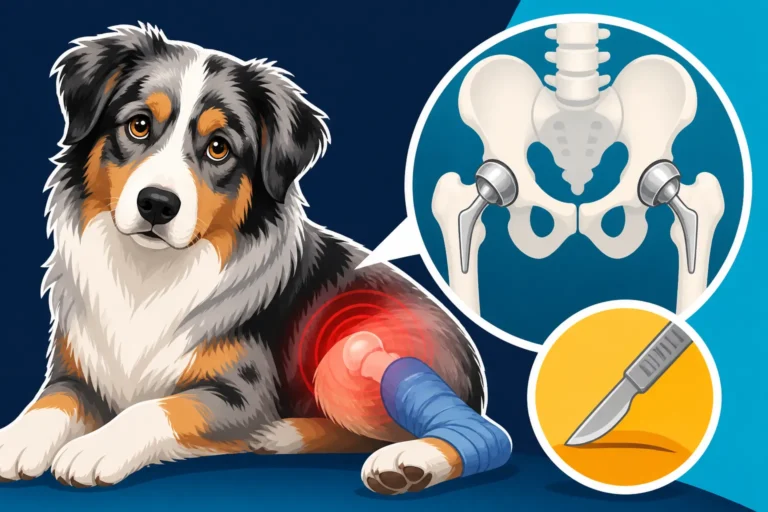
Imagine your Aussie puppy, "Bandit," had a slight limp on his back leg a week before you signed up for insurance, even if it seemed to resolve itself. If, months later, Bandit is diagnosed with hip dysplasia in that same leg, your insurer might deny coverage for that condition, citing the earlier limp as evidence of a pre-existing issue. The key is what's in your Australian Shepherd's medical history before and during the waiting period. This is why many policies require you to submit your pet's full medical records for review. Some conditions might even be considered bilateral, meaning if one knee had an issue before the policy, a problem with the other knee later might also be excluded if the insurer deems it related.
Navigating Waiting Periods and Documentation
Every pet insurance policy comes with waiting periods – specific durations you must wait after enrolling before certain coverages kick in. These periods vary, but typically there's a short waiting period for accidents (often 2-14 days) and a longer one for illnesses (usually 14-30 days). Some policies might have even longer waiting periods for orthopedic issues, like cruciate ligament tears or hip dysplasia, which can be particularly relevant for active breeds like Australian Shepherds.
It's crucial to understand these waiting periods inside and out. If your Aussie has an accident or develops an illness during this period, it will almost certainly be considered pre-existing and won't be covered by your policy. This is why the best time to get pet insurance is when your Australian Shepherd is a young puppy, ideally before any health issues or symptoms emerge. A comprehensive policy, potentially from providers found through platforms like Chewy's pet insurance marketplace, will clearly outline these waiting periods. Always read the fine print! Ensure your vet provides thorough medical records documenting your Aussie's health at the time of enrollment. This can be your strongest ally if a dispute arises later.
Breed-Specific Exclusions You Might Encounter for Australian Shepherds
While Australian Shepherds are generally healthy, they are predisposed to certain genetic and developmental conditions. This reality often plays a significant role in how insurance companies structure their policies and what they might exclude or treat differently. It's not about singling out Aussies, but rather recognizing patterns of health within specific breeds.
Genetic Conditions Commonly Excluded
Many insurers will not cover conditions that are congenital (present from birth, though not always evident immediately) or hereditary (passed down through genetics) if they are considered pre-existing. This is where The Genetic Panel Every Australian Shepherd Needs becomes invaluable even before you get your puppy. For Australian Shepherds, conditions like epilepsy, hip and elbow dysplasia, certain eye conditions like Collie Eye Anomaly (CEA), and some autoimmune diseases are unfortunately more common.
If your Aussie's pedigree shows a history of Australian Shepherd Epilepsy Starting Between One and Five in its lines, and your dog starts showing symptoms, or worse, has its first seizure before your policy's waiting period ends, it could be excluded. Similarly, while a good breeder screens for Australian Shepherd Hip Dysplasia and Working Joints, if any signs of lameness or discomfort are noted in a puppy's records before your policy is active, future treatment for hip dysplasia could be denied. Some premium plans, however, might offer coverage for hereditary conditions if your pet is enrolled young and remains symptom-free before and during the waiting periods. This is a critical distinction to look for when comparing providers.
Developmental Issues That Can Be Tricky
Beyond strictly genetic conditions, some developmental issues can also fall into gray areas for insurance. These are problems that develop as your Aussie grows, often influenced by genetics, environment, or a combination. Patellar luxation (kneecap dislocation) is an example that can affect active dogs like Aussies. If your Australian Shepherd starts limping due to a luxating patella, and this symptom was noted even vaguely in vet records before your policy started or during the waiting period, it could be deemed pre-existing.
Another example is osteochondritis dissecans (OCD), a condition affecting cartilage development in joints, sometimes seen in fast-growing, large-breed puppies. If your Aussie puppy shows signs of lameness, even intermittent, that could be attributed to a developmental orthopedic issue, and you then enroll them in insurance, any future diagnosis and treatment for OCD could be excluded. This highlights the importance of enrolling your Australian Shepherd in a good policy as early as possible, typically as a puppy, to ensure that developmental issues that emerge later are covered, assuming they aren't pre-existing by the policy's terms. Companies like Healthy Paws are often praised for their robust coverage, but even they have clear policies regarding pre-existing conditions.
Common Exclusions Beyond Medical History
While pre-existing conditions are a huge hurdle, pet insurance policies often have other standard exclusions that have nothing to do with your Aussie's past health. These exclusions usually fall into categories of routine care, elective procedures, or issues considered outside the scope of "illness" or "injury." Understanding these can help you manage your expectations and budget for what your policy won't cover.
Routine Care, Preventative Measures, and Wellness Plans
The vast majority of standard accident and illness pet insurance policies do not cover routine, preventative care. This means things like annual vet check-ups, vaccinations (e.g., Australian Shepherd Vaccination and MDR1 Concerns), flea and tick prevention (even products safe for The Flea Products Dangerous to an MDR1 Aussie), heartworm medication, and routine dental cleanings (see Australian Shepherd Dental Care) are typically excluded from a base policy.
Think of it this way: these are expected costs that you'd budget for as a responsible pet owner, rather than unexpected medical emergencies. However, many insurers offer optional "wellness plans" or "riders" that can be added to your main policy for an additional monthly fee. These plans do cover a portion of preventative care costs, making them a good option for spreading out expenses. For a high-energy Australian Shepherd, regular check-ups and parasite prevention are non-negotiable, so budgeting for these or adding a wellness plan is a smart move. Without a wellness add-on, you'll be paying for these out of pocket, regardless of your primary insurance coverage.
Behavioral Issues and Training-Related Costs
While Australian Shepherds are intelligent and eager to please, they are also a high-drive breed that can sometimes develop behavioral challenges, especially if under-exercised or not given enough mental stimulation. Things like excessive barking, anxiety, or destructive chewing, while frustrating, are typically not covered by standard pet insurance. Even if your vet diagnoses anxiety and prescribes medication, the behavioral therapy itself (like hiring a professional trainer or behaviorist) is usually excluded.
Some advanced policies or specific riders might offer limited coverage for behavioral modification, especially if prescribed by a veterinarian specializing in behavior. However, this is rare and often comes with significant limitations. The cost of training classes, whether for obedience, agility, or addressing specific behavioral quirks, is almost always your responsibility. This is an important consideration for an Aussie, as their strong herding drive and intelligence mean they thrive with consistent training and mental engagement.
Cosmetic Procedures and Breeding Expenses
Just like with human health insurance, pet insurance generally draws a clear line at procedures that are not medically necessary. Cosmetic surgeries, such as ear cropping (which is not standard for Aussies but seen in some breeds), dewclaw removal (unless medically indicated due to injury), or elective dental procedures to improve aesthetics, are almost universally excluded.
Furthermore, if you're involved in breeding Australian Shepherds, be aware that costs associated with pregnancy, whelping, and caring for puppies are typically not covered. This includes planned C-sections, fertility treatments, or any complications arising from breeding. Pet insurance is designed for the individual pet's health and unexpected medical events, not as a financial support for breeding endeavors. Even spaying or neutering, while a common procedure, might not be fully covered by a standard accident/illness policy, though some wellness plans might include a portion of the cost.
The Nitty-Gritty of Policy Limitations and Riders
Even when a condition is covered, understanding the financial limits and specific clauses within your policy is paramount. Many pet parents are blindsided by unexpected out-ofpocket costs because they didn't fully grasp the policy's structure regarding deductibles, reimbursement percentages, and annual caps. For an Australian Shepherd who might face a major surgery or chronic illness, these details can make a world of difference.
Annual Limits, Deductibles, and Reimbursement Percentages
These three elements form the financial backbone of your pet insurance policy:
- Annual Limits: Most policies have a maximum amount they will pay out in a calendar year. This can range from $2,500 to unlimited coverage. For an Australian Shepherd, especially one prone to conditions like Australian Shepherd Hip Dysplasia and OFA Scoring requiring expensive surgery (which can run $4,000+ per hip) or The Running Cost of Australian Shepherd Epilepsy with ongoing medication and specialist visits, a low annual limit can quickly be exhausted. If your Aussie's vet bills exceed this limit, you'll be responsible for the rest of the costs, even if the condition is covered.
- Deductibles: This is the amount you pay out-of-pocket before your insurance coverage kicks in. Deductibles can be per incident (meaning you pay it for each new illness or injury) or annual (you pay it once per year, regardless of how many different conditions your Aussie experiences). Common deductible amounts range from $100 to $1,000. Choosing a higher deductible typically results in a lower monthly premium, but means you pay more upfront if your Aussie needs care.
- Reimbursement Percentages: After your deductible is met, the insurance company will reimburse you for a percentage of the remaining vet bill. Common reimbursement rates are 70%, 80%, or 90%. So, if your Aussie has a $1,000 vet bill, you have a $250 deductible, and an 80% reimbursement rate: you first pay the $250 deductible. Of the remaining $750, the insurer pays 80% ($600), and you pay the remaining 20% ($150). In total, you'd pay $250 (deductible) + $150 (20% co-pay) = $400. This is why Aussie Vet Bills Between $15,000 and $40,000 can still feel hefty even with insurance.
Choosing the Right Policy for an Australian Shepherd
Given the potential health challenges and active lifestyle of an Australian Shepherd, selecting the right policy requires careful consideration. Don't just pick the cheapest premium. Focus on comprehensive coverage that addresses the specific needs of the breed. Look for policies that offer:
- High Annual Limits (or Unlimited): This provides peace of mind for catastrophic illnesses or multiple major incidents over a year.
- A Manageable Deductible: Choose an amount you can comfortably afford out-of-pocket without financial strain.
- High Reimbursement Percentage (80% or 90%): This significantly reduces your co-pay share of expensive treatments.
- Clear Policies on Hereditary/Congenital Conditions: Understand if these are covered, and under what circumstances (e.g., if enrolled early and symptom-free).
- Short Waiting Periods for Orthopedic Issues: While often longer than for general illnesses, a shorter period is always better for an active Aussie.
Many pet owners find it helpful to compare various providers like Healthy Paws, or policies available through platforms like Chewy, to see which offers the best balance of coverage, cost, and reputation. For example, some insurers might offer specific riders for Epilepsy Coverage on an Australian Shepherd Policy or other chronic conditions that could be vital for your Australian Shepherd.
Smart Strategies to Maximize Your Australian Shepherd's Coverage
Navigating the world of pet insurance exclusions can feel overwhelming, but there are proactive steps you can take to give your Australian Shepherd the best possible chance at comprehensive coverage. It’s all about timing, informed decision-making, and understanding the fine print before an emergency strikes.
Early Enrollment and Genetic Testing
The single most effective strategy to maximize your Australian Shepherd's coverage is to enroll them in a pet insurance policy as early as possible. Ideally, this means when they are a young puppy, before any symptoms of potential health issues arise. As discussed, conditions that show signs or are diagnosed before or during waiting periods are almost always excluded as pre-existing. Getting your Aussie covered while they are young and healthy means that any future illness or injury, including hereditary or congenital conditions that manifest later, stands a much better chance of being covered.
Furthermore, consider The Genetic Panel Every Australian Shepherd Needs from a reputable lab like Embark or Wisdom Panel. This panel can screen for common genetic conditions in Aussies, such as MDR1 mutation, hereditary cataracts, and Collie Eye Anomaly. Knowing your puppy's genetic predispositions before you even bring them home can help you choose a breeder wisely and potentially select an insurance policy that has good coverage for specific inheritable conditions, provided your dog hasn't shown symptoms yet. While genetic test results showing a predisposition might not be an automatic exclusion for all insurers, any actual symptoms noted by a vet almost certainly would be. The earlier you know, the better prepared you can be.
Comparing Insurers and Understanding the Fine Print
Don't just pick the first pet insurance policy you come across. Take the time to shop around and compare different providers. Request quotes and sample policies from several reputable companies. Websites that allow you to compare pet insurance options, like those often linked through Chewy, can be a great starting point. Key questions to ask or look for include:
- How do they define a "pre-existing condition"? Is it based solely on diagnosis, or also on symptoms noted in vet records? Are "curable" pre-existing conditions covered after a certain period of being symptom-free?
- What are the waiting periods, especially for orthopedic issues? These can be longer for certain breeds or conditions.
- Do they cover hereditary or congenital conditions? If so, what are the stipulations?
- Are exam fees covered? Some policies only cover treatment costs, leaving you responsible for the vet's consultation fee.
- Do they offer direct vet pay? Some insurers can pay the vet directly, saving you from paying the full bill upfront and waiting for reimbursement.
- What are their annual limits, deductibles, and reimbursement percentages? Crunch the numbers to understand your potential out-of-pocket costs.
- Are there any specific breed exclusions for Australian Shepherds? While rare, some policies might have very specific limitations for certain breeds.
Reading reviews from other pet owners, especially those with Australian Shepherds, can also provide valuable insight. Be an educated consumer, because the upfront research can pay dividends in peace of mind and financial savings down the road. Remember, what a policy excludes is just as important as what it includes.
Utilizing Wellness Plans and Other Benefits
While a standard accident and illness policy won't cover routine care, adding a wellness plan can be a smart move for an Australian Shepherd. These plans help budget for routine expenses like annual check-ups, vaccinations, parasite prevention, and sometimes even a portion of spay/neuter costs or dental cleanings. This can prevent you from dipping into emergency funds for predictable health maintenance.
Also, explore any additional benefits or discounts offered by insurers. Some, like Healthy Paws, might focus purely on comprehensive accident and illness coverage but offer excellent customer service. Others might include features like a 24/7 vet helpline, access to pet food discounts (though the actual cost of food, even premium options like Ollie, won't be covered by insurance), or discounts on other pet products. Every little bit helps when you're managing the full scope of Fifteen Years of Australian Shepherd Costs. By understanding the nuances of exclusions and actively seeking the best coverage, you're investing in your Australian Shepherd's long-term health and your own financial well-being.
Disclaimer
This article is for general informational purposes only and does not constitute professional advice. Laws, prices and regulations vary by location and change over time. Consult a qualified professional for guidance on your specific situation.