The Kennels That Founded American Aussie Lines
It's easy to look at the vibrant, intelligent Australian Shepherds we know today and wonder, "Where did they all come from?" Many assume these dogs sprang fully formed onto American ranches, but the truth is a fascinating tapestry woven by dedicated individuals. This guide will take you on a journey through the early days of the breed, focusing on the pioneering kennels and breeders who laid the foundation for the Australian Shepherd we cherish today.
The Formative Years and the Demand for Versatility
The Australian Shepherd, despite its misleading name, is a truly American breed, refined and developed in the western Uniteds States. Its ancestors arrived with Basque shepherds who brought their working dogs from Europe, often via Australia, to handle the vast flocks of sheep during the Gold Rush era and beyond. These early dogs were valued for their intelligence, stamina, and instinct, but they weren't yet a cohesive breed with a recognized standard. They were simply "sheepdogs," working tirelessly alongside their handlers.
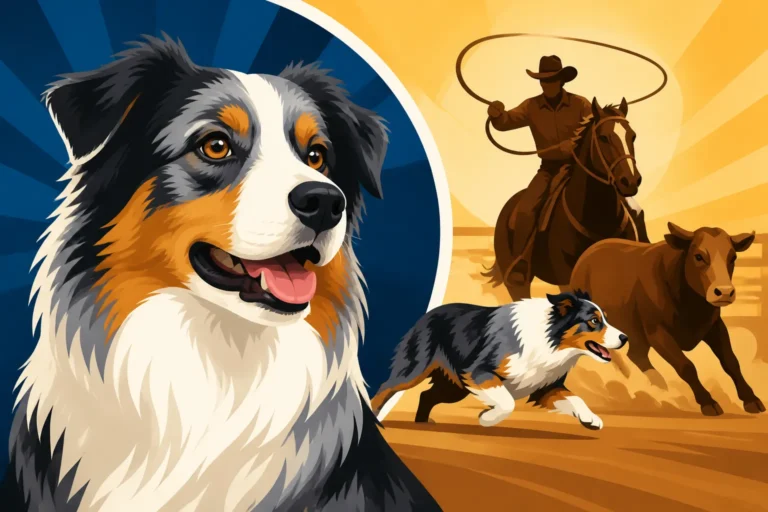
The post-World War II period saw a surge in interest in Western horsemanship and rodeo, which provided a new platform for these incredible dogs. Ranchers and horsemen needed a versatile canine partner, one that could work cattle in the arena, herd sheep on the range, and also be a loyal companion. This demand for a multi-talented dog spurred dedicated individuals to start intentionally breeding for specific traits, moving beyond mere working utility to establishing a consistent type. This era truly cemented the breed's place in American culture, shifting from an anonymous helper to a recognized and admired working dog. You can learn more about this journey in The Basque Shepherds Behind the Australian Shepherd and How Aussie Type Settled by the 1950s.
Defining the Australian Shepherd's Role
In these nascent stages, the breed didn't have strict guidelines or official registries. Breeders were often working with an intuitive understanding of what made a good "Aussie." They selected dogs based on their performance in the field, their temperament with livestock and people, and their overall hardiness. This focus on working ability meant that while physical appearance varied, the core characteristics of intelligence, drive, and biddability were paramount.
Imagine a rancher like Juanita, out in rural Wyoming in the 1940s. She wasn't just looking for a pretty face; she needed a dog that could gather a scattered flock in rough terrain, handle a cantankerous bull, and still come home to be gentle with her children. Her criteria for breeding were entirely practical: health, resilience, and an unwavering desire to work. This hands-on, performance-based selection was critical in shaping the breed's inherent capabilities, which are still lauded today. It's why Australian Shepherds are often described as having Australian Shepherd Temperament and Working Character.
The Influence of Early Breeders and Kennels
The real turning point came when key individuals, recognizing the unique qualities of these dogs, began to formalize their breeding efforts. These early breeders weren't just pairing dogs; they were documenting lineages, striving for consistency in temperament, structure, and working ability. They had a vision for what the Australian Shepherd could be – a dog equally at home in the rodeo arena, on a vast ranch, or as a devoted family member.
One of the earliest and most influential figures was Jay Sisler, a rodeo performer who showcased his incredibly talented Aussies, Shorty and Stub, in shows across the country. Their intelligence and agility captivated audiences, bringing the Australian Shepherd into the national spotlight. Sisler's dogs became progenitors for many lines. Similarly, other prominent breeders like Dr. Weldon Heard and Polly and Robert Johnson (Lazy J Aussies) dedicated themselves to establishing strong, healthy lines that excelled in both work and conformation. Their efforts involved careful selection and, for the first time, a conscious attempt to develop a "breed type" that would eventually lead to formal recognition.
Pillars of the Pedigree: Notable Early Kennels
The establishment of specific kennels marked a pivotal shift from informal ranch breeding to more structured programs aimed at perpetuating desirable traits. These kennels became the bedrock upon which the entire breed was built, contributing foundation stock that can be found in the pedigrees of many modern Australian Shepherds.
The Sisler Influence: Jay Sisler and His Rodeo Stars
As mentioned, Jay Sisler's impact cannot be overstated. His dogs, Shorty and Stub, weren't just performers; they were ambassadors for the breed. Sisler’s primary focus was on intelligence, trainability, and that undeniable herding drive. He traveled extensively, and people saw his dogs' remarkable abilities, sparking widespread interest. This visibility helped popularize the breed beyond ranching communities, demonstrating their potential as show dogs, companions, and versatile athletes.
The lines stemming from Sisler's dogs emphasized a keen working mind and an eagerness to please. These traits are still hallmarks of the breed today. Many current breeders will proudly trace their lines back to Sisler's stock, acknowledging his profound contribution to the breed's development. His approach highlighted that an Australian Shepherd thrives when given a job, a philosophy that continues to guide responsible breeding practices.
The Flintridge Legacy: Jeanne Joy and the First Standard
Jeanne Joy of Flintridge Kennels was another towering figure. She not only bred high-quality Australian Shepherds but also played a crucial role in establishing the first written breed standard. This was an monumental step, as it provided a concrete blueprint for what an Australian Shepherd should be in terms of appearance, temperament, and movement. Before this, "type" was often a matter of individual interpretation.
Joy's vision for the Australian Shepherd combined working utility with a distinctive look. Her standard helped unify breeding efforts, guiding others in selecting dogs that conformed to a consistent ideal. This formalized approach was essential for the breed's future, ensuring that as its popularity grew, its core characteristics would be preserved. Without such a standard, the breed could have fragmented into many different types. The American Kennel Club's (AKC) later recognition of the breed drew heavily on these early standards, further solidifying the breed's identity. Understanding The Australian Shepherd Standard and What Judges Want is key to appreciating this legacy.
The Other Trailblazers: Setting Regional Trends
While Sisler and Joy are often cited, countless other dedicated breeders across the American West contributed significantly, often specializing in certain lines or regions. Ranchers like Walter and Helen Petersen (B Bar D Ranch) focused on cattle dogs with immense stamina and protective instincts. Others, like the Johnsons of Lazy J, cultivated dogs known for their versatility in both ranch work and early dog sports.
These various lines, while sharing common ancestry, developed subtle differences based on the specific needs and preferences of their breeders. Some might have prioritized a strong natural bobtail, while others focused on specific coat colors or eye patterns. This rich tapestry of early breeding efforts created a diverse genetic pool, which is a strength of the breed today. It also highlights the importance of researching a breeder's lines when seeking an Aussie, as different lines may still carry inclinations toward Working Line Australian Shepherd Traits or a particular temperament.
| Kennel/Breeder | Key Contribution | Noted Traits/Focus | Era of Influence |
|---|---|---|---|
| Jay Sisler | Public demonstration, rodeo stars | Intelligence, trainability, drive | 1940s-1960s |
| Jeanne Joy (Flintridge) | First written breed standard | Conformation, consistent type | 1950s-1970s |
| Polly & Robert Johnson (Lazy J) | Versatile working and show dogs | All-around ability, sound structure | 1950s-1980s |
| Walter & Helen Petersen (B Bar D) | Strong cattle working lines | Stamina, protective instinct | 1950s-1970s |
The Evolution of Breeding Practices and Preservation
As the Australian Shepherd gained recognition, breeding practices continued to evolve. The formation of breed clubs, like the Australian Shepherd Club of America (ASCA) in 1957, provided a formal structure for breeders to collaborate, share knowledge, and promote responsible breeding. These organizations played a vital role in moving the breed forward, emphasizing health, temperament, and preserving the working integrity of the Aussie.
The concept of a "genetic panel" for health screening, while not prevalent in the earliest days, became increasingly important as breeders sought to eliminate hereditary diseases. Early breeders might have relied on observable health and longevity, but modern advancements allow for more targeted testing. For anyone looking at current breeding practices, understanding The Genetic Panel Every Australian Shepherd Needs is crucial for ensuring healthy puppies.
Maintaining the Working Drive in a Changing World
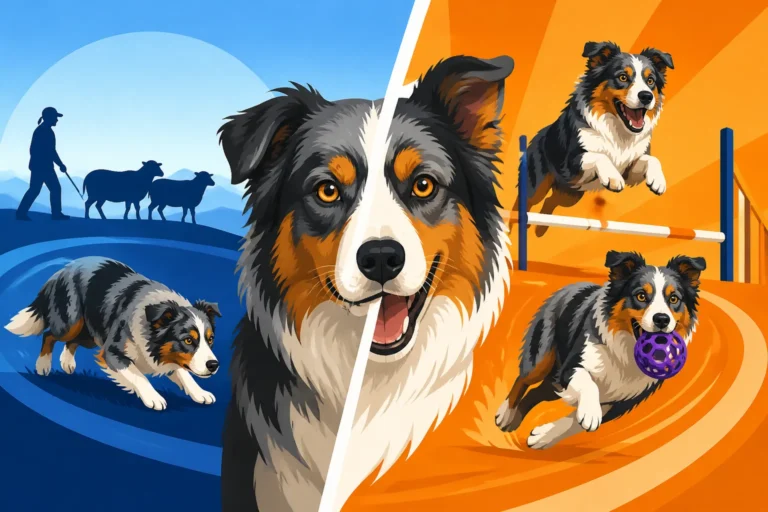
One of the constant challenges for breeders has been balancing the Aussie's natural working drive with its increasing popularity as a family companion. The original kennels prioritized dogs that could perform demanding tasks for hours on end. While many Aussies today live in suburban homes, the best breeders strive to ensure that the core instincts are preserved, even if a dog won't work sheep daily.
This means that reputable breeders still carefully select for dogs with a stable temperament, strong nerves, and that intelligent spark that defines the breed. They understand that without sufficient mental and physical stimulation, an Aussie's intense drive can manifest as undesirable behaviors. Many offer advice on appropriate enrichment and training, often recommending products from trusted sources like Chewy for durable toys, puzzle feeders, and training treats to keep these intelligent dogs engaged. This dedication to the breed's innate qualities is what sets responsible breeders apart.
The Importance of Pedigree and Health Clearances Today
Today, when you look at an Australian Shepherd's pedigree, you're not just seeing a list of names; you're tracing back through generations of thoughtful breeding. The names of those foundational kennels often appear, a testament to the enduring quality of their dogs. Modern breeders build upon these lines, carefully selecting mates to enhance desirable traits and mitigate potential health concerns.
This involves extensive health testing for conditions common in the breed, such as hip and elbow dysplasia, eye conditions like Collie Eye Anomaly, and the MDR1 mutation. You can find more information on securing healthy puppies in Choosing an Australian Shepherd Breeder and The Test Results an Aussie Breeder Must Produce. A good breeder will be transparent about these tests and eager to discuss the health history of their lines. They understand that their responsibility extends beyond the sale of a puppy; it's about safeguarding the future of the breed, ensuring that the legacy of those founding kennels continues to produce healthy, well-tempered, and capable Australian Shepherds. When purchasing supplies for a new puppy, many owners turn to retailers like Chewy for everything from high-quality food to durable crates and safe chew toys, ensuring their Aussie has the best start in life.
The journey from anonymous ranch dog to beloved breed is a story of dedication, vision, and the tireless efforts of these early kennels. Their legacy lives on in every intelligent, loyal, and energetic Australian Shepherd we encounter today.
Disclaimer
This article is for general informational purposes only and does not constitute professional advice. Laws, prices and regulations vary by location and change over time. Consult a qualified professional for guidance on your specific situation.