Whether an Aussie Needs a Coat in Winter
The biting chill of winter can make many Australian Shepherd owners wonder if their beloved, fluffy companion truly needs an extra layer of warmth. While Aussies are renowned for their robust double coats, capable of withstanding quite a bit of cold, there are definitely situations and individual variations where a winter coat isn't just a fashion statement, but a genuine necessity for their comfort and health. This guide will walk you through understanding your Aussie's natural defenses, identifying when they might need help, and choosing the right gear to keep them cozy all season long.
Understanding the Australian Shepherd's Double Coat
Australian Shepherds are built for work in varying climates, often in environments where temperatures can drop significantly. Their iconic double coat isn't just for looks; it's a marvel of natural engineering designed to provide insulation, repel moisture, and regulate body temperature.
The Undercoat's Role
Beneath those beautiful, flowing outer hairs lies a dense, soft, and woolly undercoat. This isn't just a bit of fluff; it's the Aussie's primary insulation layer, a thick barrier of fine hairs that traps air close to the body, keeping warmth in and cold out. Think of it like nature's own down jacket. In colder weather, this undercoat grows even thicker, providing maximum protection. When your Aussie blows their coat twice a year, they are essentially shedding this thick undercoat in preparation for warmer temperatures and then growing it back in anticipation of colder ones. Proper grooming is key to maintaining the integrity of this crucial layer, as mats can reduce its insulating effectiveness.
The Guard Hairs
Overlapping and protecting the undercoat are the longer, coarser outer hairs, known as guard hairs. These hairs are slightly oily and water-resistant, forming a protective shield against rain, snow, and ice. When snow falls on an Aussie, you'll often see it sitting on top of their coat rather than immediately melting into it, thanks to these repellent guard hairs. They also help to protect the delicate undercoat from damage and dirt, keeping the entire system functioning optimally. Together, the undercoat and guard hairs create a formidable natural barrier, allowing many Australian Shepherds to thrive in chilly conditions without additional help.
Natural Adaptation to Weather
Historically, Australian Shepherds were developed in the American West, herding livestock in diverse terrains and climates. This ancestry means they are inherently equipped to handle fluctuations in temperature, from hot summers to cold winters. Their double coat is a testament to this adaptation, providing a self-regulating system that helps them stay comfortable whether they're working hard in a cool morning mist or relaxing in a snowy field. However, it's important to remember that 'adapted' doesn't mean 'impervious.' Their resilience has limits, and modern life in urban or suburban settings can present different challenges than a vast, open ranch. Understanding their natural capabilities helps us gauge when those capabilities might be insufficient.
Factors to Consider for Winter Wear
While your Aussie's coat is fantastic, it's not always a one-size-fits-all solution for every winter scenario. Several factors can influence whether your dog could benefit from a bit of extra warmth.
Ambient Temperature and Wind Chill
The thermometer might say 20 degrees Fahrenheit, but a biting wind can make it feel much, much colder – this is wind chill. While your Aussie's double coat offers excellent insulation, sustained exposure to frigid temperatures combined with strong winds can eventually overcome their natural defenses. Consider how you feel in similar conditions; if you're shivering in your thickest winter jacket, your Aussie might also be struggling. For short potty breaks, they'll likely be fine, but for longer walks or outdoor activities, especially when the wind is howling, a coat can make a significant difference. It’s also crucial to remember that temperature affects different parts of the body. While their trunk is well-insulated, exposed paws can suffer, leading to issues like Road Salt in an Aussie's Feathered Paws or Snowballs Forming in an Aussie Coat.
Activity Level and Duration
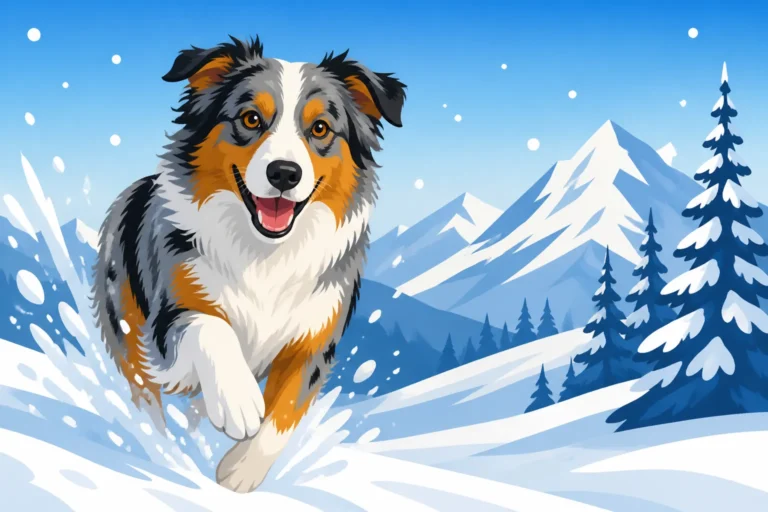
A highly active Australian Shepherd running and playing in the snow generates a lot of body heat, much like you would during an intense workout. This internal furnace can keep them quite warm, even in very cold weather. If your Aussie is engaging in vigorous activities like herding, agility, or a long game of fetch in a park, they might not need a coat unless temperatures are truly extreme. In fact, overheating can be a concern if they're wearing too many layers.
However, if your Aussie is merely strolling, standing still for extended periods during training, or if you're taking a leisurely walk rather than an energetic run, their body isn't generating as much heat. In these lower-activity scenarios, especially if the outing is prolonged, a coat can help maintain their core temperature. Think about a leisurely walk in the woods versus a high-octane agility session; the needs are very different. Australian Shepherd Exercise in Snow and Cold discusses how to manage their activity levels in various winter conditions.
Age and Health Status
Puppies and senior Australian Shepherds, along with those with certain health conditions, are often more vulnerable to the cold.
- Puppies: Young puppies haven't fully developed their dense undercoat yet and have less body fat to help with insulation. They also have a harder time regulating their body temperature. Short outdoor excursions are fine, but for longer periods, a puppy-appropriate coat might be a good idea, especially if they are very small or thin. They're still learning about the world, and keeping them comfortable is important for positive early experiences. You can track their growth on an Australian Shepherd Puppy Growth Chart but remember that insulation takes time to fully develop.
- Seniors: Older Aussies, particularly those experiencing Senior Australian Shepherd Care After Ten, may have a thinner coat due to age or health issues. Arthritis can also make movement painful, reducing their activity level and thus their internal heat generation. Furthermore, some medications can affect their ability to regulate body temperature. A warm, well-fitting coat can provide much-needed comfort and support for their joints and overall well-being.
- Health Conditions: Dogs with medical conditions such as hypothyroidism (which can lead to a dull or thinning coat), heart conditions, or those recovering from surgery may have compromised immune systems or difficulty maintaining body heat. Consult your vet if your Aussie has any underlying health issues, as they can provide tailored advice on winter protection. Even a normally robust The Australian Shepherd Double Coat Explained can be affected by illness.
Individual Coat Quality
While Australian Shepherds generally have impressive coats, there can be variations. Some Aussies might have a naturally less dense undercoat, or their guard hairs might be finer, particularly in dogs from certain lines or those with unusual coat patterns. Factors like nutrition also play a huge role in coat health. If your Aussie's diet isn't providing the right nutrients, perhaps they're not on a premium food like Ollie, their coat might not be as lush or protective as it should be. A poor quality coat, whether due to genetics, nutrition, or grooming neglect (like excessive shedding without proper brushing), will offer less natural insulation. Regularly brushing your Aussie, especially during Twice-Yearly Coat Blow in an Australian Shepherd, helps maintain the coat's insulating properties by removing dead hair and preventing mats.
Signs Your Aussie Might Be Too Cold
Your Australian Shepherd can't tell you in words that they're cold, but they certainly communicate it through their behavior and body language. Learning to read these signals is essential for their well-being.
Shivering and Hunching
These are often the most obvious signs that your Aussie is feeling the chill. Shivering is an involuntary muscle contraction designed to generate heat. If you see your dog trembling or shaking, even slightly, it's a clear indicator that their body is working hard to warm up. Coupled with shivering, a hunched posture – where they tuck their tail, lower their body, and pull their legs in close to their chest – is another tell-tale sign of being cold. They're trying to make themselves as small as possible to conserve body heat, similar to how we might curl up when we're cold. This is particularly noticeable after a period of standing still or during a break in activity.
Seeking Shelter or Lifting Paws
When a dog is cold, their instinct is to find warmth and shelter. Your Aussie might try to huddle close to you, burrow into a bush, or try to get back inside. If you're on a walk, they might pull towards a building or a more sheltered area. Another common sign of cold paws is lifting one paw off the ground, then another, or trying to walk on just three legs. This indicates that the ground is too cold for their paw pads, and they're trying to minimize contact. This is particularly important to watch for in snowy or icy conditions, as it can be a precursor to frostbite or discomfort from ice balls forming between their paw pads. Australian Shepherd Paw Pads After Rough Ground covers additional paw care considerations.
Reluctance to Go Outside or Move
If your usually enthusiastic Australian Shepherd is hesitant to step outside for a walk or a potty break, especially when they normally love being outdoors, it could be that the cold is deterring them. They might stand at the door, peering out with a look that says, "Do I really have to go out there?" Once outside, if they move slowly, seem stiff, or actively try to cut a walk short by turning back towards home, it's a strong hint that they're uncomfortable with the temperature. This is different from their usual zest for life and exploration. Pay attention to changes in their typical behavior, as these subtle cues can speak volumes about their comfort level.
Choosing the Right Winter Gear for Your Aussie
If you've determined that your Australian Shepherd could use some extra protection during the colder months, there's a wide variety of gear available. The key is choosing items that are functional, comfortable, and appropriate for your dog's specific needs and activities.
Types of Coats and Sweaters
When it comes to winter wear, you'll find everything from lightweight sweaters to heavy-duty, insulated coats.
- Sweaters: A simple knit sweater can be useful for slightly chilly indoor environments, for very short potty breaks, or for older Aussies who spend a lot of time indoors but still feel the cold. They offer a basic layer of warmth but aren't typically waterproof or windproof.
- Lightweight Coats: These are good for crisp, dry autumn or early winter days. They might have a thin fleece lining and a water-resistant outer layer, providing a bit more protection than a sweater without being too bulky.
- Insulated, Waterproof Coats: This is your best bet for truly cold, wet, or snowy conditions. Look for coats with a thick, insulating layer (like fleece or synthetic fill) and a durable, waterproof or highly water-resistant outer shell. Brands found on Chewy or Amazon offer numerous options. These coats should cover your Aussie's back and chest, allowing for full range of motion without restricting their legs. Many coats also feature reflective strips for visibility, which is important during shorter winter daylight hours. Ensure the coat fits snugly but isn't too tight, especially around the chest and armpits, and doesn't interfere with their natural bobtail if they have one. For example, Ruffwear makes excellent, durable options well-suited to active dogs.
When selecting a coat, think about how easily it can be put on and taken off, how well it stays in place during activity, and if it's easy to clean after muddy or snowy outings.
Paw Protection
While your Aussie's paw pads are tough, they are still vulnerable to extreme cold, ice, snow, and especially harsh chemicals like road salt and de-icers. Paw protection can be essential.
- Dog Boots: High-quality dog boots provide a barrier against cold surfaces, ice balls forming between toes (which can be incredibly painful), and irritating chemicals. Look for boots that are durable, waterproof, have good traction, and most importantly, stay on your dog's paws during activity. It often takes some training to get a dog used to wearing boots, so start with short sessions indoors. Investing in a good pair can prevent discomfort and injuries, especially if you live in an area with heavy winter treatments on sidewalks.
- Paw Balms/Waxes: If boots aren't practical for every outing, or for those Aussies who absolutely refuse them, paw balms or waxes can offer a layer of protection. Products like Musher's Secret create a breathable barrier on the paw pads, protecting against salt, snow, and extreme temperatures. They don't offer the same level of insulation or physical barrier as boots, but they are better than nothing and can help prevent drying and cracking. Remember to clean your Aussie's paws thoroughly after walks, regardless of whether they wore boots or balm, to remove any lingering salt or debris. You can find many effective options for Australian Shepherd Paw and Coat Care After Fieldwork.
Reflective Gear for Visibility
Winter often means shorter daylight hours, and many walks or outdoor activities might happen in twilight or darkness. This makes visibility a critical safety concern, especially if you're near roads or in areas with other outdoor enthusiasts.
- Reflective Strips on Coats/Harnesses: Many winter coats and harnesses come equipped with reflective material, which lights up brightly when hit by headlights or other light sources. This significantly increases your Aussie's visibility to drivers, cyclists, and pedestrians.
- LED Lights/Collars: For even greater visibility, consider adding a small LED light that clips onto their collar or harness, or an entire LED collar. These provide active light, making your Aussie easily spotable from a distance even in complete darkness. Look for waterproof options that can withstand snow and rain. Brands like Nite Ize offer excellent, durable LED products. Ensuring your Aussie is visible is a non-negotiable safety measure during winter, allowing both of you to enjoy your outdoor time with peace of mind.
Here's a quick comparison of winter gear options:
| Gear Type | Primary Benefit | Best Use Case | Considerations |
|---|---|---|---|
| Sweaters | Basic warmth, lightweight | Indoors, mild chill, short potty breaks | Not waterproof/windproof, less protection |
| Lightweight Coats | Moderate warmth, water-resistant | Crisp, dry cool days, active dogs needing minimal extra | May not be warm enough for severe cold |
| Insulated/Waterproof Coats | Maximum warmth, wind/water protection | Frigid temperatures, snow, rain, prolonged exposure | Can cause overheating in active dogs; check fit |
| Dog Boots | Paw protection from cold, ice, salt | Snowy/icy conditions, treated roads, sensitive paws | Training required, can fall off, finding good fit |
| Paw Balms/Waxes | Minor paw protection from elements | Mild cold, prevent dryness, supplement boots | Not as protective as boots, needs reapplication |
| Reflective Gear | Enhanced visibility | Low light, night walks, near roads | Essential safety, can be integrated into other gear |
Ultimately, the decision of whether your Aussie needs a winter coat or other gear comes down to a careful assessment of their individual needs, local weather conditions, and planned activities. By understanding your dog and paying attention to their cues, you can ensure they stay happy, healthy, and comfortable throughout the winter season.
Disclaimer
This article is for general informational purposes only and does not constitute professional advice. Laws, prices and regulations vary by location and change over time. Consult a qualified professional for guidance on your specific situation.