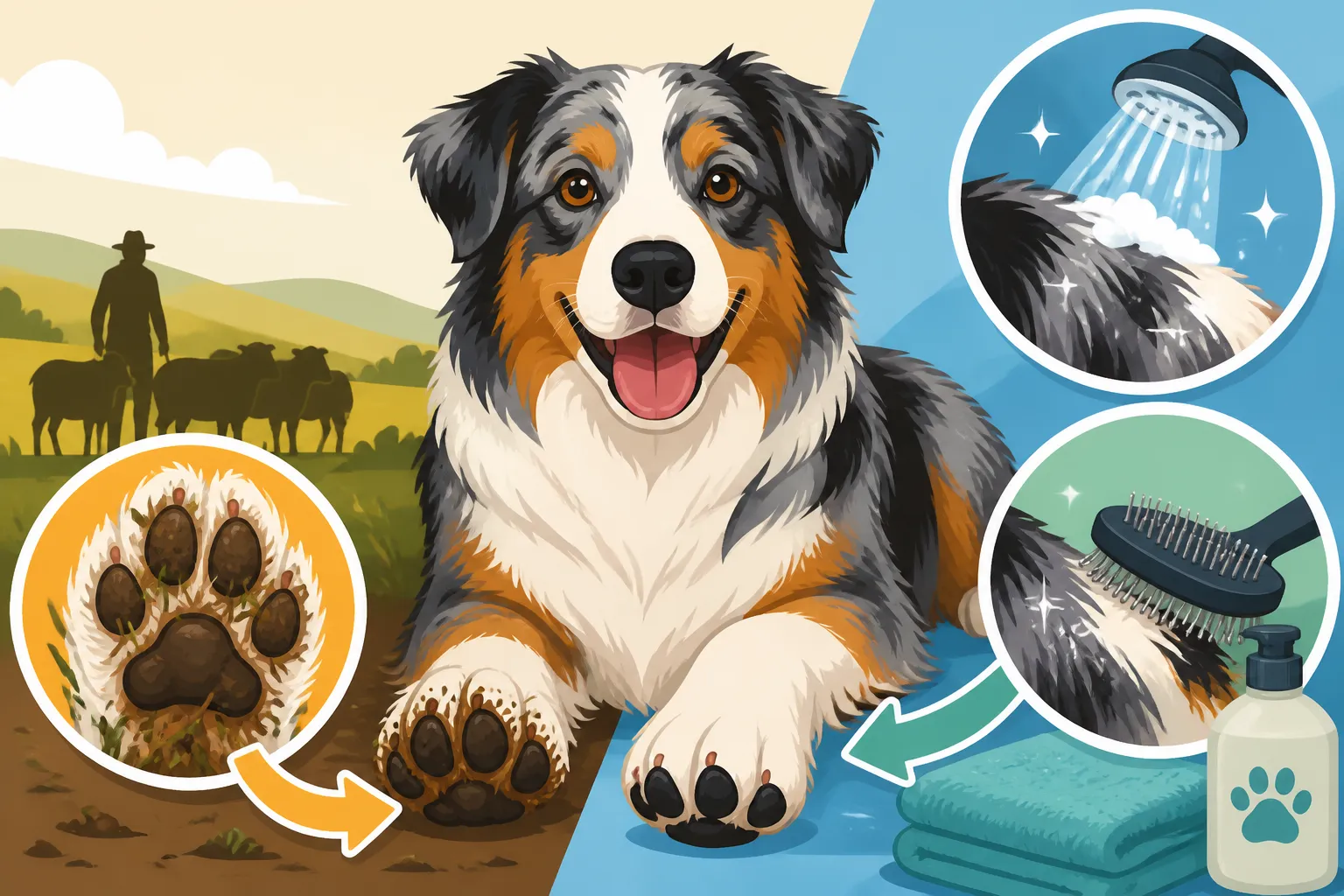
Australian Shepherd Paw and Coat Care After Fieldwork
There's nothing quite like the sight of your magnificent Australian Shepherd, tail wagging, eyes bright, after a fulfilling day of doing what they were bred for – working in the field. But let's be honest, that beautiful vision often quickly morphs into a hairy, muddy, burr-laden reality that strikes a tiny bit of dread into the most dedicated Aussie parent. Fieldwork, whether it's herding, agility, or just an epic hike, is incredibly enriching for our active companions, but it takes a serious toll on their magnificent coats and hardworking paws. This guide will walk you through the essential steps to care for your Australian Shepherd after they've been out and about, ensuring their comfort, health, and that their double coat remains as glorious as ever.
Understanding the Australian Shepherd's Working Coat
Our Australian Shepherds are built for action, and a huge part of that design is their incredible double coat. It's not just there for looks; it's a vital piece of their protective gear, shielding them from the elements they encounter during their demanding activities.
The Double Coat's Design for Protection
An Aussie's coat is a marvel of natural engineering. You've got that dense, soft undercoat providing insulation against both cold and heat, acting like a natural climate control system. Then there's the coarser, water-resistant outer coat (or guard hairs) that sheds moisture, repels dirt, and protects against minor abrasions. Think of it as a built-in all-weather suit. This double layer is fantastic for keeping them comfortable and safe while they're running through brush, splashing through creeks, or enduring a chilly breeze. It’s what allows them to perform their duties without being overly affected by their surroundings, keeping them focused on the task at paw. The Australian Shepherd Double Coat Explained goes into even more detail about this amazing feature.
However, this protective design comes with its own set of challenges for us owners. That dense undercoat is a magnet for all things wild – burrs, seeds, dirt, and anything sticky or muddy. The guard hairs, while repelling some debris, can also become tangled and matted if not properly maintained, especially after a particularly active day. It's a trade-off: a coat built for protection means a coat that needs dedicated care to stay healthy and functional, particularly when it's regularly put to the test in fieldwork.
How Fieldwork Tests the Coat's Limits
When your Australian Shepherd is out working, whether it’s darting through tall grass in a herding trial, navigating brush during a scent work exercise, or simply enjoying a vigorous hike through varied terrain, their coat is constantly in motion and making contact with the environment. This isn't just a casual walk in the park. The friction of movement, combined with whatever plant life or dirt they encounter, can push their coat to its limits. Burrs can burrow deep, mud can cake, and fine dust can settle right down to the skin, causing irritation.
The sheer variety of fieldwork environments means different challenges. A sheep pasture might mean sticky burrs and sheep dander. A forest trail could involve pine needles, sap, and thorny brambles. Even an agility course can kick up dust and loose debris that finds its way into the coat. This constant exposure and physical activity are why a simple shake isn't enough to get them truly clean or comfortable. Without proper post-fieldwork care, this accumulation can lead to mats, skin infections, and general discomfort, turning that protective coat into a potential problem.
Essential Fieldwork Prep: Before You Hit the Trail/Field
Prevention is always better than cure, especially when it comes to keeping your Aussie's coat and paws in top condition. A little preparation before heading out can save you a lot of time and hassle later.
Pre-Fieldwork Inspection and Conditioning
Before your Aussie sets paw outside for any serious fieldwork, take a few minutes for a quick inspection. This means checking their coat for any existing mats, which can tighten and become painful once wet or full of debris. Pay special attention to "feathering" on the legs, behind the ears, and around the tail – these areas are notorious for matting. A quick brush-through with a slicker brush and a metal comb can help remove loose hair and prevent new tangles from forming. This also gives you a baseline for what "clean" feels like, making post-fieldwork inspection easier.
Beyond just brushing, consider applying a conditioning spray or a light coat of paw balm to areas prone to picking up debris, like the long hair on their legs and belly. These products can sometimes create a slicker surface that makes burrs and mud less likely to adhere, or at least easier to remove. For the paws, a good paw balm can create a protective barrier, especially if you know they'll be on rough or abrasive surfaces. You can find excellent options for conditioning sprays and paw balms on sites like Chewy or Amazon, making it easy to stock up before your next adventure.
Protective Gear for Paws and Coat
While many Aussies work "au natural," there are times and conditions where protective gear can be incredibly beneficial. For their paws, dog boots can offer excellent protection against sharp rocks, abrasive surfaces, extreme temperatures (hot pavement or icy ground), or even chemical irritants like road salt. It's important to introduce boots gradually and positively to your dog, making it a comfortable experience rather than a stressful one. Choose boots that fit well, allow for natural paw movement, and stay on securely during vigorous activity.
For the coat, especially in areas with particularly thorny brush or a high density of burrs, a lightweight, snug-fitting vest or coat can act as a shield. While it might sound counterintuitive to add another layer to a double-coated dog, these are usually designed to be breathable and prevent direct contact with the most problematic plant matter. This can significantly reduce the amount of debris your Aussie picks up, cutting down on grooming time and potential skin irritation. Always prioritize your dog's comfort and ability to regulate temperature when considering any added gear.
Immediate Post-Fieldwork Inspection and Initial Cleaning
The moment your Aussie steps back inside, or even before you load them into the car, is prime time for initial care. This isn't just about cleanliness; it's about comfort and preventing minor issues from becoming major problems.
The "Burr Scan" and Debris Removal
As soon as fieldwork is done, before your Aussie has a chance to shake off and spread the field everywhere in your home or car, start with a thorough "burr scan." This means systematically running your hands over their entire body, paying close attention to their feathering, behind the ears, under the tail, and between their toes. You'll be amazed at the number of burrs, twigs, and leaves that can become embedded. Use your fingers to gently pull out larger pieces of debris. For smaller, stubborn burrs, a fine-toothed comb or even a flea comb can be incredibly effective.
Sometimes, burrs can be intertwined deeply into the coat, almost fused with the hair. Instead of yanking, which can be painful and damage the coat, try crushing the burr with a pair of pliers (carefully, away from the skin) to break its grip, then comb it out. For particularly persistent tangles of burrs, a small amount of cornstarch or even a tiny dab of vegetable oil rubbed into the burr can sometimes help it slide out more easily. This immediate action is crucial because burrs left in the coat can migrate, matt deeper, and even irritate or puncture the skin. Checking an Australian Shepherd for Burrs and Foxtails offers a detailed guide on these specific hazards.
Spotting Paw Injuries and Irritations
Beyond the coat, your Aussie's paws take a beating during fieldwork. The moment they're done, lift each paw and carefully inspect all four pads, the spaces between the toes, and around the nails. Look for cuts, scrapes, punctures from sharp objects, or any signs of redness and inflammation. Grass seeds and foxtails are particularly notorious for burrowing into paw pads and between toes, causing severe discomfort and infection if not removed promptly. Grass Seeds Working Into an Australian Shepherd Paw highlights this very real danger.
If you find a minor cut or abrasion, clean it gently with a pet-safe antiseptic wipe or a dilute saline solution. If there's any embedded debris, like a deeply lodged foxtail or a shard of glass, or if the injury appears deep, bleeding heavily, or your dog is limping severely, it's time for a vet visit. Don't try to dig out deeply embedded objects yourself, as you could cause more harm. Early detection and treatment of paw injuries are key to preventing infection and ensuring your Aussie remains comfortable and ready for their next adventure.
Deep Cleaning and Bathing Techniques for a Working Aussie
After the initial cleanup, a deeper clean is often necessary, especially if your Aussie is covered in mud or has been swimming in less-than-pristine water. Bathing a double-coated dog like an Aussie isn't just about getting them wet; it requires specific techniques to be effective and maintain coat health.
Choosing the Right Cleansers and Tools
When it comes to bathing your Australian Shepherd, selecting the right products makes all the difference. Avoid harsh human shampoos, which can strip essential oils from their skin and coat, leading to dryness and irritation. Instead, opt for a high-quality dog shampoo that is specifically formulated for their pH balance. For working dogs, a mild, moisturizing shampoo is often best. If your Aussie has sensitive skin or allergies, a hypoallergenic or oatmeal-based shampoo might be a good choice. Follow up with a good conditioner to help detangle and restore moisture to the coat.
Alongside the right cleansers, having the correct tools on hand will make the bath much smoother. A sturdy sprayer attachment for your tub or hose is invaluable for thoroughly wetting and rinsing that dense double coat. A rubber curry brush or a grooming mitt can help work the shampoo through the undercoat and provide a gentle massage. And don't forget plenty of absorbent towels. For drying, a high-velocity pet dryer (different from a human hairdryer, which can be too hot) is a game-changer for getting an Aussie completely dry and preventing hot spots. You can find a wide range of these products on Chewy or Amazon, often with reviews from other Aussie owners to guide your choice.
The Art of a Thorough Fieldwork Bath
Bathing an Australian Shepherd, particularly after fieldwork, is an art form. The goal is to get them clean down to the skin without over-stripping their natural oils. Start by thoroughly wetting their entire coat. This takes longer than you think with an Aussie's dense fur; ensure the water penetrates all the way to the skin. Apply shampoo, starting from the neck and working your way down, paying extra attention to the legs, belly, and tail. Use your fingers or a rubber curry brush to massage the shampoo deeply into the coat, making sure it reaches the skin to loosen dirt and debris. Washing Right Down to an Aussie's Skin is truly important here.
Rinsing is perhaps the most critical step. Any shampoo residue left behind can cause skin irritation and flakiness. Rinse, rinse, and then rinse again, until the water runs completely clear and you can no longer feel any slickness on their coat. This often means rinsing for much longer than you initially think is necessary. After rinsing, gently squeeze excess water from their coat, then towel-dry vigorously. For optimal results and to prevent matting and hot spots, use a high-velocity pet dryer to thoroughly dry the undercoat. This step, though time-consuming, is non-negotiable for a double-coated breed. Drying an Australian Shepherd Double Coat correctly is crucial for their health and comfort.
Paw Pad Care: Protecting and Recovering Hardworking Feet
An Australian Shepherd's paws are their primary tools for movement and work. Neglecting them after fieldwork can lead to serious lameness and discomfort.
Conditioning for Resilience
Strong, healthy paw pads are far less susceptible to injury than dry, cracked ones. Regular conditioning helps build resilience. Consider incorporating a paw balm or moisturizer into your weekly routine, especially if your Aussie is frequently on rough terrain. These products help keep the pads supple and prevent cracking, which can be incredibly painful and open the door to infections. Look for balms that contain natural ingredients like shea butter, coconut oil, or beeswax.
Beyond topical treatments, ensuring your Aussie has a balanced diet can contribute to overall skin and paw health. Quality protein, essential fatty acids (like Omega-3s from fish oil), and vitamins are crucial. Brands like Ollie, known for fresh, human-grade dog food, can provide excellent nutrition that supports healthy skin and coat, which in turn benefits paw pad integrity. Just like an athlete conditions their body, a working Aussie needs its paws conditioned to withstand the demands placed upon them. Regular walks on varied surfaces, even concrete, can also help toughen paw pads naturally, as long as it's done gradually and not to excess. Australian Shepherd Paw Pads After Rough Ground covers why this is so important.
Treating Cuts, Cracks, and Abrasions
Despite your best efforts, sometimes injuries happen. If you find a small cut or abrasion on a paw pad, the first step is to clean it thoroughly. Use a mild antiseptic wash (like diluted povidone-iodine or chlorhexidine, specifically formulated for pets) and clean water to remove any dirt or debris. Once clean, you can apply an antibiotic ointment safe for pets. For cracks, ensure they are clean and then apply a generous amount of paw balm to help moisturize and protect the area while it heals.
It’s vital to monitor any paw injury closely. If you notice signs of infection such as swelling, redness, pus, foul odor, or if your dog is persistently licking the area, it's time to see your vet. Deeper cuts, punctures, or injuries that cause significant lameness also warrant immediate veterinary attention. You might need to bandage the paw to keep it clean and prevent licking, but ensure the bandage isn't too tight and is changed regularly. Your vet can provide guidance on proper bandaging techniques and prescribe stronger medications if necessary.
Managing the Australian Shepherd's Double Coat: Regular Maintenance
Even when not actively doing fieldwork, the Aussie's double coat requires consistent attention. It’s a year-round commitment to prevent matting and keep their skin healthy.
Regular Brushing Routines
The cornerstone of Australian Shepherd coat care is consistent brushing. This isn't just about looking tidy; it's about removing loose undercoat, preventing mats, and distributing natural skin oils. Aim for at least 2-3 times a week, and daily during Twice-Yearly Coat Blow in an Australian Shepherd. You'll need a few key tools: a slicker brush for detangling and removing loose undercoat, and a metal comb for checking for mats, especially in the feathering and behind the ears. For seriously dense undercoats, a good undercoat rake is invaluable.
The technique is important. Always brush in layers, getting down to the skin. Start at the bottom of the leg or flank and work your way up, parting the hair as you go. This ensures you're actually removing the dead undercoat and not just skimming the top layer. Pay particular attention to high-friction areas like the armpits, groin, behind the ears, and the "trousers" on their hind legs, as these are mat magnets. A thorough brushing session should leave your comb gliding smoothly through the coat without snagging. Finding a durable rake that reaches your Aussie's undercoat can be a game-changer for shedding season; brands like Furminator or others found on Amazon can be quite effective.
Dealing with Mats and Tangles
Mats are the bane of an Australian Shepherd owner's existence. They form when dead undercoat becomes tangled and compacted, often combined with dirt and moisture. If left untreated, mats can pull painfully on the skin, restrict movement, and lead to skin infections or hot spots by trapping moisture and preventing air circulation. The best approach is prevention through regular brushing, but if you do find mats, tackle them quickly.
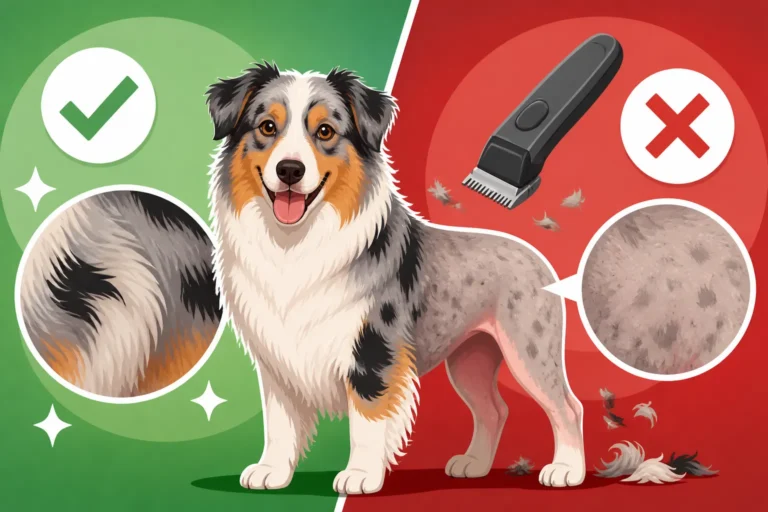
For small, loose mats, you can try to work them out gently with your fingers, then use a metal comb. If they're more stubborn, a mat splitter or a seam ripper (used very carefully to slice through the mat lengthwise, parallel to the skin) can help break them up. Always hold the hair at the base of the mat against the skin to avoid pulling. For severely matted areas, especially if they are close to the skin or widespread, the safest and kindest option is often to visit a professional groomer. They have specialized tools and experience to remove mats without injuring your dog. Remember, Why an Australian Shepherd Should Never Be Shaved unless medically necessary, as shaving can permanently damage the double coat's structure and function.
Troubleshooting Common Fieldwork-Related Issues
Even with the best care, sometimes specific issues pop up because of the unique challenges fieldwork presents. Knowing how to address them can save your Aussie a lot of discomfort.
Addressing Skin Irritations and Hot Spots
Fieldwork often exposes your Aussie's skin to various irritants – pollen, rough grasses, insect bites, or prolonged dampness. These can all lead to itching, scratching, and eventually, dreaded hot spots. A hot spot (acute moist dermatitis) is a rapidly growing, inflamed skin lesion that forms when a dog incessantly licks, chews, or scratches an irritated area. They are painful, can get infected quickly, and require prompt attention.
If you notice your Aussie constantly licking or chewing a spot, or if you part the fur and find a red, moist, oozing lesion, you've likely found a hot spot. The first step is to gently clip the hair around the affected area to allow it to air out and prevent further matting. Clean the area with a mild antiseptic and apply a pet-safe topical treatment designed for hot spots, often containing hydrocortisone or chlorhexidine. Preventing your dog from licking the area (with an Elizabethan collar, for instance) is crucial for healing. If the hot spot is large, deep, or doesn't improve within a day or two, consult your vet, as oral antibiotics or steroids might be necessary.
Preventing and Treating Dryness
The elements encountered during fieldwork, coupled with frequent bathing (if not done correctly), can sometimes lead to dry, flaky skin and a dull coat. This is uncomfortable for your dog and can make them more susceptible to skin issues. Preventing dryness starts with proper bathing techniques – using moisturizing shampoos and conditioners, and ensuring thorough rinsing. Also, avoid over-bathing; unless your Aussie is truly filthy, spot cleaning might be better than a full bath. How Often a Working Aussie Needs Washing should align with their activity level, but not be excessive.
To treat dryness, consider supplementing your Aussie's diet with Omega-3 and Omega-6 fatty acids. Fish oil supplements are a popular choice and can significantly improve skin hydration and coat luster. You can often find high-quality fish oil supplements from brands like Nordic Naturals or Zesty Paws on Chewy. Additionally, regular brushing helps distribute natural skin oils, which are nature's own moisturizer. If dryness persists, or is accompanied by excessive itching or hair loss, a vet visit is warranted to rule out underlying medical conditions like allergies or thyroid issues.
Seasonal Considerations for Paw and Coat Care
An Australian Shepherd's work doesn't stop for the seasons, but their care routine certainly needs to adapt to them. Each season brings its own unique set of challenges for their paws and coats.
Summer Heat and Pavement Protection
Summer fieldwork can be brutal for an Aussie. Their double coat, while insulating, can still trap heat, making them susceptible to overheating. Always ensure access to plenty of fresh, cool water and schedule strenuous activities for the cooler parts of the day – early morning or late evening. Cooling vests or bandanas, often available on Amazon or Chewy, can help keep their core temperature down. Cooling Kit That Works Under an Aussie Coat can be a lifesaver.
Beyond heat, hot pavement is a major concern. Asphalt and concrete can reach scorching temperatures, easily burning sensitive paw pads. Always check the pavement temperature with your hand before walking your Aussie; if it's too hot for your hand, it's too hot for their paws. Stick to grassy or shaded areas, or consider dog boots for protection. Even in cooler weather, rough ground can be hard on paws. Regularly apply paw balm to keep pads conditioned and help prevent painful cracking.
Winter Woes: Snow, Ice, and Salt
Winter fieldwork presents a different set of challenges. Snow and ice can cling to your Aussie's coat, especially the feathering on their legs and belly, forming painful ice balls. These snowballs can tug on the skin, cause matting, and even lead to frostbite in extreme conditions. To prevent this, trim the hair between their paw pads shorter to reduce snow accumulation. Applying a thin layer of paw balm or even cooking spray to the feathering before heading out can help prevent snow from sticking. Snowballs Forming in an Aussie Coat can be a major discomfort.
Road salt and chemical de-icers are highly irritating and can burn paw pads. If your Aussie has walked on salted surfaces, it's crucial to rinse their paws thoroughly with warm water as soon as you get home. A warm towel bath just for the feet can be really effective. Follow up with paw balm to moisturize and protect. Dog boots are also an excellent option for winter protection, offering a barrier against both ice and chemicals. Also, be mindful of slipping on ice and potential hidden hazards like broken ice shards, which can cut paws. Road Salt in an Aussie's Feathered Paws can be extremely painful.
Here's a quick reference table for common fieldwork hazards and their remedies:
| Hazard | Area Affected | Prevention | Immediate Action | Ongoing Care |
|---|---|---|---|---|
| Burrs & Plant Debris | Coat, Feathering | Pre-brush, apply conditioning spray | Thorough "burr scan," crush stubborn burrs | Regular brushing, check high-friction areas |
| Mud & Dirt | Coat, Paws | Protective vest, avoid deep mud | Rinse immediately, initial towel-dry | Thorough bath with dog shampoo/conditioner |
| Hot Pavement | Paw Pads | Walk on grass, dog boots, paw balm | Rinse with cool water, check for burns | Regular paw balm application, inspect daily |
| Snow & Ice Balls | Coat, Paw Pads | Trim paw hair, paw balm, cooking spray | Gently remove ice, warm paw bath | Keep feathering trimmed, use winter paw protection |
| Road Salt & De-icers | Paw Pads | Dog boots, avoid treated areas | Rinse paws thoroughly with warm water | Paw balm, monitor for irritation |
| Cuts, Scrapes, Punctures | Paw Pads | Condition pads, avoid sharp debris | Clean wound, antiseptic, gentle bandage | Monitor healing, reapply balm, vet if severe |
| Foxtails & Grass Seeds | Paws, Ears, Coat | Trim paw hair, vigilant inspection | Remove visible seeds, vet for embedded ones | Regular checking Australian Shepherd Ear Cleaning |
| Skin Irritation | Anywhere on Skin | Balanced diet, proper grooming | Clean area, topical soothing spray, prevent licking | Identify cause (allergy?), vet if persistent |
Disclaimer
This article is for general informational purposes only and does not constitute professional advice. Laws, prices and regulations vary by location and change over time. Consult a qualified professional for guidance on your specific situation.