Hereditary Cataracts Clouding an Aussie Eye
It's truly heartbreaking to watch your beloved Australian Shepherd start to lose their keen vision, especially when you know their world is so intrinsically linked to seeing and herding. That flicker of uncertainty in their usually bright eyes, the slight hesitation before jumping, or that subtle bump into furniture can stir a wave of worry in any devoted Aussie parent. This comprehensive guide is here to shed light on hereditary cataracts in Australian Shepherds, helping you understand what they are, how they develop, and what you can do to manage and, ideally, prevent this challenging condition.
Understanding Hereditary Cataracts in Australian Shepherds
When we talk about vision issues, especially in a breed as active and visually oriented as the Australian Shepherd, the word "cataract" often brings a knot to an owner's stomach. But not all cataracts are created equal, and understanding the specific type that can affect our intelligent, hard-working Aussies is the first step toward proactive care.
What Exactly Are Hereditary Cataracts?
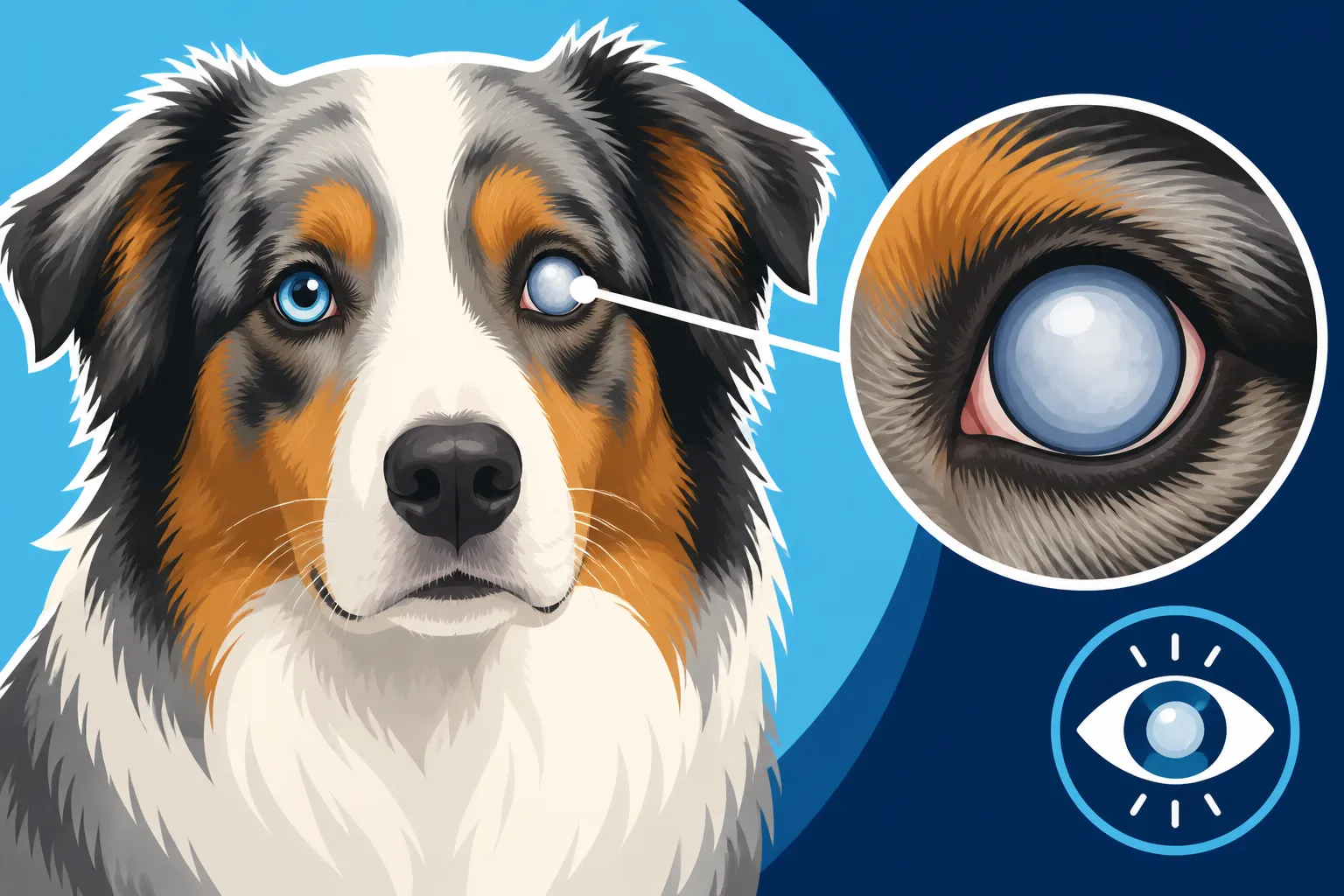
At its simplest, a cataract is an opacity or clouding of the eye's lens. Think of looking through a window that's become frosted or dirty – that's essentially what a cataract does to the crystal-clear lens inside your dog's eye. The lens's job is to focus light onto the retina, much like a camera lens. When it becomes cloudy, light can't pass through properly, leading to blurry vision, glare sensitivity, and eventually, significant vision impairment or even blindness.
What makes hereditary cataracts particularly concerning in Australian Shepherds is right there in the name: they are passed down through generations. Unlike acquired cataracts, which might develop due to old age, injury, or underlying conditions like diabetes, hereditary cataracts often emerge in younger dogs, sometimes even as puppies, and are a direct result of their genetic makeup. This means that an Aussie with hereditary cataracts didn't just get "unlucky"; they inherited a specific gene that predisposed them to the condition. This fundamental difference underscores why prevention through responsible breeding is so incredibly vital for this breed.
The Genetic Basis of Aussie Cataracts
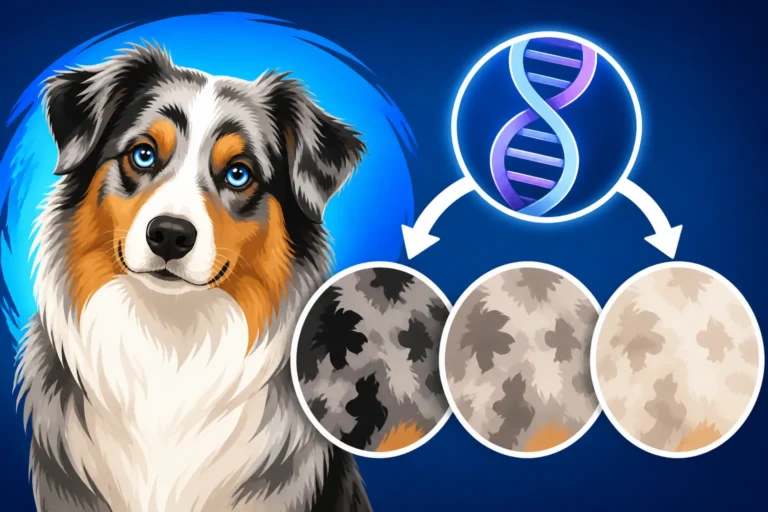
For Australian Shepherds, a significant proportion of hereditary cataracts are linked to a specific genetic mutation in the HSF4 gene (Heat Shock Factor Protein 4). This isn't just a random occurrence; it's a genetic blueprint that can unfortunately lead to problems. The HSF4 gene works in a dominant fashion, which is a key piece of information for both breeders and owners. This means that if an Aussie inherits even one copy of the mutated HSF4 gene from either parent, they have a higher risk of developing cataracts. It's not like some recessive genes where two copies are needed for the condition to manifest; just one is often enough to put them in the risk category.
However, the picture is a bit more nuanced than a simple "yes" or "no." This particular gene displays what's called "variable expression" or "incomplete penetrance." What this mouthful means is that while a dog might carry the dominant gene, the severity and age of onset of their cataracts can vary wildly. Some dogs with the gene might develop severe cataracts early in life, leading to profound vision loss. Others might only develop mild cataracts much later, or even live their entire lives with the gene mutation and never develop noticeable cataracts at all. This variability can make it incredibly frustrating and challenging, both for breeders trying to eliminate the gene and for owners trying to predict their dog's future. It’s why relying solely on visual inspection of parents isn't enough; genetic testing for the HSF4 mutation is absolutely essential to truly understand the risk.
Recognizing the Early Signs of Cataracts
Catching cataracts early can be tricky, especially with a dog as intelligent and adaptable as an Australian Shepherd. They are masters at compensating, often using their other keen senses – hearing and smell – to navigate their world even as their vision declines. However, there are subtle clues that, once you know what to look for, can signal the onset of cataracts.
One of the first things you might notice, if you're looking closely, is a slight cloudiness or haziness in the pupil. It might not be a dense white fog at first, but rather a faint, bluish-grey tint, almost like a whisper of mist within the eye. This cloudiness might be more apparent in certain lighting conditions, or you might only see it when your Aussie is looking directly into a light source. Another early indicator could be changes in their behavior, particularly in low-light environments. Perhaps they become more hesitant to go outside at dusk or dawn, or they start bumping into furniture they used to effortlessly navigate in the evening. Their once confident leaps might turn into cautious steps, or they might seem a bit more clingy and reliant on you in unfamiliar surroundings.
Owners often report that their Aussie, who used to love chasing a ball in the yard, suddenly seems less interested or has trouble tracking it. They might miss treats tossed to them or seem startled if approached from a direction they didn't anticipate. While these signs can be very subtle and easily dismissed as just "getting older" or "being a bit clumsy," especially in mature dogs, in a young Aussie, they should immediately raise a red flag. An Aussie's adaptability is wonderful, but it can also mask early stages of vision loss, making diligent observation and regular veterinary check-ups all the more important. If you’re ever unsure, trust your gut and get those eyes checked out by a professional.
The Specifics of HSF4 in Australian Shepherds
Digging a bit deeper into the HSF4 gene is crucial for Australian Shepherd owners and breeders. This isn't just about general cataracts; it's about a specific genetic vulnerability that is highly prevalent in the breed. Understanding this particular mutation helps us grasp why genetic testing is such a game-changer.
How the HSF4 Mutation Impacts Lens Development
The HSF4 gene, or Heat Shock Factor Protein 4, plays a critical role in maintaining the health and transparency of the eye's lens. Think of it as a quality control manager for the lens cells, ensuring proteins are properly formed and structured. When an Australian Shepherd inherits a mutated version of this gene, this "quality control" system goes awry. The faulty HSF4 gene leads to the production of abnormal proteins or disrupts the cellular processes that keep the lens clear. Instead of forming neatly, these proteins can misfold and aggregate, gradually building up and causing the lens to become opaque – this is the cataract forming.
What’s interesting is that while the HSF4 mutation is a significant cause of hereditary cataracts in Aussies, there can be different variants or specific changes within the HSF4 gene. Research has identified one specific variant that is very common in Australian Shepherds. This specific mutation accounts for a large percentage of early-onset cataracts in the breed. While it's a dominant gene, as we discussed, the exact timing and severity of cataract development can still vary greatly even among dogs with the same mutation. This variability is one of the reasons why the condition can be so frustrating; some dogs might have a small, non-vision-impairing cataract, while others might go completely blind.
The Importance of Genetic Testing
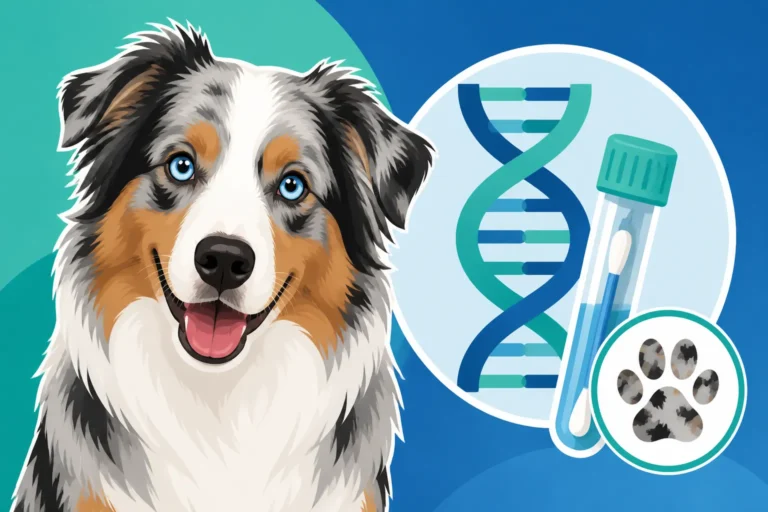
Given the complexity and the dominant nature of the HSF4 gene, genetic testing for your Australian Shepherd isn't just a good idea – it's absolutely crucial. For breeders, it's an indispensable tool for making informed breeding decisions and working towards reducing the incidence of this inherited disease within the breed. A responsible breeder will test all their breeding stock for HSF4, alongside a full genetic panel every Australian Shepherd needs, covering other common conditions.
For owners, even if you don't plan to breed, knowing your dog's HSF4 status provides invaluable information. If your Aussie tests positive for the mutation (meaning they carry one or two copies of the affected gene), you can be more vigilant in monitoring their eye health. You'll know to watch for those subtle early signs of cataracts and can schedule regular check-ups with a veterinary ophthalmologist to catch any changes promptly. This proactive approach allows for earlier intervention, should cataracts develop, potentially leading to better outcomes if surgery becomes an option. For instance, knowing your dog has a higher risk can influence your choice of pet insurance, like Healthy Paws, ensuring you have coverage in place before a diagnosis, as many policies consider diagnosed conditions as pre-existing.
Interpreting HSF4 Test Results
When you receive your Aussie's HSF4 genetic test results, it’s important to understand what the different designations mean. Generally, you’ll see results presented in a few ways:
- N/N (Clear): This means your Australian Shepherd does not carry the HSF4 mutation and is therefore clear of this specific genetic risk for hereditary cataracts. They cannot pass this particular mutation on to their offspring.
- N/HC (Heterozygous or Carrier/Affected): This indicates your Aussie carries one copy of the HSF4 mutation and one normal copy. Because the HSF4 gene is dominant, a dog with an N/HC result is considered at risk for developing cataracts and can pass the mutation on to approximately 50% of their offspring. As mentioned earlier, due to variable penetrance, some N/HC dogs will develop severe cataracts, others mild, and some might never develop them at all, despite carrying the gene.
- HC/HC (Homozygous or Affected): This means your Australian Shepherd carries two copies of the HSF4 mutation (one from each parent). Dogs with this genotype have an even higher risk of developing cataracts, often with earlier onset and potentially greater severity. They will pass the mutation on to all of their offspring.
It's critical to remember that the HSF4 test identifies the risk or predisposition to hereditary cataracts, not a definitive diagnosis of the condition itself. It tells you if the genetic blueprint for cataracts is present, but not necessarily when, or even if, those cataracts will become visually significant. This is a crucial distinction. For example, a young N/HC Australian Shepherd might have clear eyes today, but the genetic test indicates a lifelong increased risk that requires monitoring. This knowledge empowers owners to be proactive about their dog's eye health and helps breeders make ethical decisions to reduce the prevalence of the gene in future generations, a vital step in responsible breeding practices, which often involves detailed Reading an Aussie DNA Panel.
Progression and Impact on Your Australian Shepherd's Life
Understanding the specific stages of cataract development and how they can affect your Aussie is key to managing the condition and maintaining their quality of life. Cataracts don't usually appear overnight; they typically progress over time, and their impact can vary greatly depending on their maturity and the individual dog.
Stages of Cataract Development
Cataracts in Australian Shepherds, like in other breeds and even humans, usually progress through distinct stages, each bringing a different level of visual impairment:
- Incipient Cataract: This is the earliest stage. At this point, the cataract is very small, often localized to a specific area of the lens, and covers less than 15% of its surface. Your Aussie might not show any noticeable signs of vision loss, and these cataracts are usually only detectable by a veterinary ophthalmologist using specialized equipment. At this stage, light still passes through the lens relatively unimpeded, and your dog's daily life is likely unaffected.
- Immature Cataract: As the cataract progresses, it becomes larger and more opaque, affecting more than 15% of the lens but not yet the entire lens. At this stage, you might start to notice a visible cloudiness in your dog's pupil, especially in certain lighting. Your Aussie's vision will likely be noticeably affected, with some blurriness and difficulty seeing clearly, though they can still perceive light and some shapes. This is often the ideal time for surgical intervention, as the lens material is still relatively soft and easier to remove.
- Mature Cataract: This is when the entire lens becomes opaque, turning the pupil a dense white or grey color. At this stage, significant vision loss or complete blindness in the affected eye (or eyes) is present. Light cannot pass through the lens to the retina, leaving your dog with only light perception, if any. This is usually the stage where owners are most distressed, as their Aussie's ability to navigate and interact with their environment is severely compromised.
- Hypermature Cataract: In some cases, a mature cataract can continue to degenerate. The lens material may start to liquefy or shrink, sometimes causing the lens capsule to wrinkle. This stage can lead to potential complications, such as lens-induced uveitis (inflammation inside the eye) as proteins leak from the lens, or even lens luxation, where the lens shifts out of its normal position. These secondary conditions can be very painful and may lead to glaucoma, making treatment more complicated and potentially reducing the chances of successful vision restoration if surgery is delayed.
How Cataracts Affect an Aussie's Vision
The impact of cataracts on an Australian Shepherd’s vision is profound and can significantly alter their daily life. While their other senses can help them compensate, the core of an Aussie’s interaction with the world – their ability to track, herd, and engage in high-energy activities – relies heavily on sharp eyesight.
Initially, with incipient or early immature cataracts, your Aussie might experience subtle vision impairment. Think of it like looking through a foggy window or having difficulty seeing clearly in bright sunlight, experiencing glare. They might miss a treat you toss, or hesitate before jumping for a toy they once caught effortlessly. As the cataracts mature, vision becomes increasingly blurry, making it hard for them to distinguish objects, particularly in varying light conditions. An Aussie used to confidently navigating their familiar yard might start bumping into the edges of furniture, misjudging steps, or showing a reluctance to go outside at night. Their depth perception diminishes, making tasks like going up or down stairs, jumping on or off furniture, or even negotiating curbs on walks a challenge.
An active Australian Shepherd thrives on visual input for herding, agility, and simply running freely. Significant vision loss can strip away much of their enjoyment from these activities. They might become more cautious, anxious, or even irritable because their world has become uncertain. They may startle more easily, as they can't see an approaching person or dog until they are very close. This can be particularly tough for a breed known for its confidence and zest for life. It's not just about seeing; it's about how that sight loss impacts their confidence, their interaction with their environment, and their very sense of self as an energetic, capable working dog.
Potential Secondary Complications
Cataracts are not just about a cloudy lens; they can sometimes trigger a cascade of other painful and sight-threatening conditions if left untreated, making proactive care all the more important.
One of the most common and serious secondary complications is lens-induced uveitis. As cataracts mature, the lens proteins can undergo changes, or in the case of hypermature cataracts, leak out of the lens capsule. The body's immune system recognizes these proteins as foreign invaders, triggering an inflammatory response within the eye. Uveitis is essentially inflammation of the uvea, the middle layer of the eye, and it can be incredibly painful, causing redness, squinting, light sensitivity, and even a change in the color of the eye. If left unchecked, chronic uveitis can lead to synechia (adhesions within the eye), which can impair fluid drainage.
This impaired fluid drainage then often leads to the next major complication: glaucoma. Glaucoma is characterized by increased pressure inside the eye, which can rapidly damage the optic nerve and lead to irreversible blindness. It is also extremely painful. An Aussie suffering from glaucoma will likely show signs of severe pain, rubbing their eye, holding it shut, or being withdrawn. The pressure build-up can be acute and devastating, making timely treatment crucial.
Another potential issue is lens luxation, where the lens becomes displaced from its normal position. This can occur spontaneously in some breeds, but in cataractous eyes, especially hypermature ones, the zonular fibers that hold the lens in place can weaken or break. A luxated lens can then block fluid drainage, leading to glaucoma, or simply sit in an uncomfortable position within the eye, causing irritation and pain. All these secondary complications not only worsen the prognosis for vision but also significantly reduce your Aussie's quality of life by causing chronic pain and discomfort. This is why addressing cataracts promptly, especially if they are progressing, is not just about restoring sight, but also about preserving the overall health and comfort of the eye.
Diagnosis and Veterinary Eye Care
If you suspect your Australian Shepherd might be developing cataracts, the first and most important step is to seek professional veterinary care. An accurate diagnosis is crucial, not only to confirm cataracts but also to determine their type, stage, and whether any secondary complications have arisen.
The Comprehensive Ophthalmic Exam
When you bring your Aussie to a veterinary ophthalmologist for a suspected cataract, they won’t just glance at their eyes. You can expect a thorough, systematic examination designed to assess every aspect of ocular health. This typically involves several steps:
First, the ophthalmologist will gather a detailed history from you, including any behavioral changes, when you first noticed symptoms, and your Aussie's overall health history. They'll perform a general physical exam, then move on to the eyes. A specialized tool called a slit lamp biomicroscope is invaluable. This instrument allows the vet to examine the various structures of the eye, including the cornea, iris, and especially the lens, in highly magnified detail. They can identify the exact location, size, and density of any cataracts, and observe changes that indicate inflammation or other issues.
Next, ophthalmoscopy (direct and indirect) is performed to look at the back of the eye, including the retina and optic nerve. This is critical to ensure the retina is healthy enough to benefit from cataract surgery, should that be an option. They might also check the intraocular pressure (IOP) using a tonometer to screen for glaucoma. Often, dilating eye drops are used to enlarge the pupil, providing a better view of the lens and retina. The comprehensive nature of this exam helps differentiate true cataracts from other conditions, like nuclear sclerosis (a normal age-related hardening of the lens that often looks cloudy but doesn't usually impair vision significantly). For breeders, this type of specialized exam is often part of The ACVO Eye Exam Australian Shepherd Breeders Run, which provides critical health certifications.
Differentiating Hereditary from Other Cataracts
Pinpointing whether your Australian Shepherd’s cataracts are hereditary versus other types is crucial for both treatment planning and, especially, for breeding decisions. A skilled veterinary ophthalmologist will carefully consider several factors to make this distinction:
- Age of Onset: Hereditary cataracts, particularly those linked to the HSF4 gene, often appear in younger dogs, sometimes even as puppies (juvenile cataracts) or in young adulthood. Age-related or senile cataracts, on the other hand, typically develop in older dogs, usually over the age of 6 or 7. Diabetic cataracts can occur at any age, often with a rapid onset once diabetes is poorly controlled.
- Genetic History: The ophthalmologist will ask about your Aussie’s lineage and whether any relatives have a history of cataracts. If you have done genetic testing, the HSF4 results are a strong indicator.
- Presence of Other Conditions: If your Aussie has diabetes, then the cataracts are highly likely to be diabetic cataracts, which typically progress very rapidly, often affecting both eyes symmetrically. If there’s a history of trauma to the eye, then a traumatic cataract would be suspected, usually affecting only the injured eye.
- Appearance and Progression: Diabetic cataracts often have a characteristic "snowflake" appearance and progress very quickly. Hereditary cataracts might have a different morphology and a more variable progression.
By compiling all this information – the age of onset, the pattern of progression, the dog's overall health status, and any available genetic test results (such as for the HSF4 gene) – the veterinary ophthalmologist can confidently differentiate between hereditary cataracts and those caused by other factors. This distinction is paramount, especially for breeders, as it informs responsible breeding practices to prevent passing on inherited conditions.
When to Seek a Specialist
While your general veterinarian is an invaluable resource for all aspects of your Australian Shepherd's health, when it comes to eye issues, there's a definite point where seeking a board-certified veterinary ophthalmologist becomes not just advisable, but essential.
If you notice any changes in your Aussie's eyes or vision, no matter how subtle – a slight cloudiness, bumping into things, hesitation in low light, or redness – your first call should be to your regular vet. They can perform an initial examination, rule out common infections or minor irritations, and give you an opinion. However, if they suspect cataracts, or if the issue seems complex, persistent, or is impacting your dog's quality of life, they will likely, and should, refer you to a specialist.
A veterinary ophthalmologist has undergone extensive additional training, often a three-year residency beyond veterinary school, specifically in eye diseases and surgery. They have specialized equipment and expertise that a general practitioner typically does not. This expertise is critical for accurate diagnosis, precise staging of cataracts, and especially for determining the best course of treatment, including assessing your dog's suitability for cataract surgery. Their in-depth knowledge allows them to differentiate between various eye conditions that can mimic cataracts, identify secondary complications early, and perform delicate surgical procedures like phacoemulsification with the highest chance of success. For a condition as impactful as hereditary cataracts, timely evaluation by a specialist can make all the difference in preserving your Australian Shepherd’s vision and comfort.
Management and Treatment Options for Aussie Cataracts
Discovering your Australian Shepherd has cataracts can feel overwhelming, but thankfully, there are viable options for management and treatment. The approach chosen will depend on the stage of the cataracts, the presence of any secondary complications, and your Aussie's overall health and temperament.
Medical Management and Lifestyle Adjustments
It’s important to clarify an unfortunate truth upfront: there are currently no medically proven eye drops or oral medications that can reverse or dissolve existing cataracts. If anyone suggests otherwise, be wary. The clouding of the lens is a structural change that cannot be undone with drugs.
However, medical management does play a crucial role in two key areas. Firstly, if secondary inflammation (uveitis) is present, your vet or ophthalmologist will prescribe anti-inflammatory eye drops to control it. Managing uveitis is critical, as chronic inflammation can lead to pain, further eye damage, and complications like glaucoma. Secondly, while medication can't cure cataracts, owners can implement significant lifestyle adjustments to help their Aussie cope with vision loss.
These adjustments focus on creating a safe and predictable environment:
- Consistent Layout: Keep furniture and belongings in consistent locations. Aussies thrive on routine, and a stable environment helps them create a mental map of their home.
- Clear Paths: Ensure pathways are free of clutter and obstacles.
- Lighting: Maintain consistent, good lighting throughout the home, especially for areas like stairs. Avoid dim, shadowy areas where they might struggle.
- Sensory Cues: Use verbal cues consistently. "Step up," "watch out," or "this way" can guide them. You can also use different textures on the floor (like a rug before stairs) as sensory markers.
- Familiarity: Keep walks on familiar routes, allowing them to use their strong sense of smell. Always keep them on a leash in unfenced areas.
- Mental Stimulation: Don't let vision loss stop their active minds. Scent work, puzzle toys (that don't require much vision), and verbal trick training can keep them engaged.
These modifications, while not a cure, can dramatically improve your Australian Shepherd's confidence and quality of life as they adapt to reduced vision. Just as we might adjust our care for An Old Australian Shepherd Losing Its Sight, the same principles apply here.
Cataract Surgery: The Gold Standard
For most cases of vision-impairing cataracts, especially those where the Aussie's quality of life is significantly impacted, cataract surgery is considered the gold standard treatment. The primary goal of surgery is to restore functional vision by removing the cloudy lens. The most common and highly successful technique used in veterinary ophthalmology is called phacoemulsification (often shortened to "phaco").
During phacoemulsification, the veterinary ophthalmologist makes a tiny incision in the cornea. A small probe is then inserted, which emits ultrasonic waves to break up the cataractous lens into tiny fragments. These fragments are then gently suctioned out of the eye. In many cases, an artificial intraocular lens (IOL) is then implanted into the eye to replace the removed natural lens, allowing for much clearer focus. If an IOL cannot be implanted for some reason, the dog will still have significantly improved vision, albeit far-sighted.
The success rate for cataract surgery in dogs is very high, often exceeding 90-95%, especially when performed by an experienced board-certified veterinary ophthalmologist and when the surgery is done before the cataracts become hypermature and cause severe inflammation. The ideal time for surgery is usually when the cataracts are in the immature or early mature stage, as the lens material is softer and there are fewer secondary complications. This procedure is a significant investment, both in terms of time and cost, but the potential to restore your Aussie's sight is often priceless. This is where having pet insurance, such as a comprehensive plan from Healthy Paws, can be incredibly beneficial. Their coverage for accidents and illnesses can help offset the substantial costs associated with such specialized surgery, making the decision to provide your beloved Aussie with the best chance at regaining their vision much less financially daunting.
Post-Operative Care and Prognosis
Cataract surgery is a major procedure, and the success of the outcome relies heavily on dedicated post-operative care. This period requires a significant commitment from the owner, but the rewards are well worth it.
Immediately after surgery, your Australian Shepherd will typically wear an Elizabethan collar (cone) to prevent them from rubbing or scratching their eyes. This cone is usually necessary for several weeks. You will also have a strict regimen of various eye drops, often administered multiple times a day, sometimes every few hours, for weeks or even months. These drops are crucial for preventing inflammation, infection, and controlling eye pressure. Missing doses can compromise the surgical outcome.
Activity restriction is also paramount during recovery. Your Aussie will need to avoid strenuous exercise, jumping, head shaking, and anything that could increase pressure in the eyes or disrupt the healing process. Short, leashed walks for potty breaks will be the extent of their activity for a period prescribed by the ophthalmologist. Regular follow-up appointments with the veterinary ophthalmologist are essential to monitor healing, check eye pressure, and adjust medication as needed. These appointments are usually frequent in the first few weeks, then gradually taper off.
Potential complications, while rare, can include glaucoma, retinal detachment, infection, or persistent inflammation. Your ophthalmologist will discuss these risks with you beforehand. However, for the vast majority of Australian Shepherds, the long-term prognosis after successful cataract surgery is excellent, with most dogs regaining excellent functional vision and enjoying a significantly improved quality of life. Owners often report a renewed zest for life in their dogs, as they can once again see the world around them clearly. This successful outcome truly answers the question of Whether an Aussie Sees Again After Cataract Removal, offering hope and a second chance at sight.
Breeding Responsibly and Preventing Hereditary Cataracts
The most powerful tool we have in the fight against hereditary diseases like cataracts in Australian Shepherds is responsible breeding. It's a commitment to the health of the breed that goes far beyond just producing cute puppies.
The Role of Ethical Breeders
Ethical breeders are the unsung heroes in preventing the spread of inherited conditions. For hereditary cataracts, particularly those linked to the HSF4 gene, their role is paramount. A responsible Australian Shepherd breeder understands that they are stewards of the breed's future, and that means making breeding decisions based on sound science and genetic health, not just appearance or temperament.
The cornerstone of ethical breeding for hereditary cataracts is rigorous genetic testing of all breeding stock for HSF4. This means that both the male (sire) and female (dam) dogs used for breeding must be tested and their results clearly known. The goal is always to breed "clear" dogs (N/N) together. If a breeder must use a dog that is a carrier (N/HC), they should only ever breed that dog to a clear (N/N) mate. This pairing will still produce some carrier puppies, but critically, it avoids producing any homozygous (HC/HC) dogs, which carry the highest risk for severe early-onset cataracts. Breeding two N/HC dogs together, or an N/HC dog to an HC/HC dog, runs a very high risk of producing HC/HC puppies, which is considered irresponsible.
Ethical breeders are transparent about their dogs' health test results and will happily provide documentation. They are not just focused on the immediate litter but on the long-term health of the breed, striving to reduce the prevalence of the HSF4 gene in the Australian Shepherd gene pool. This commitment to The Genetic Panel Every Australian Shepherd Needs, and acting on those results, is what truly defines responsible breeding.
Understanding the Australian Shepherd Hereditary Cataracts and the HSF4 Test
The specific DNA test for the HSF4 mutation in Australian Shepherds has revolutionized the ability to combat hereditary cataracts. Before this test became widely available, breeders often had to rely on ophthalmic exams, which could only identify affected dogs once cataracts had already developed, sometimes after they had already been bred. This meant inadvertently passing on the gene.
The HSF4 test changes that completely. It allows breeders to identify carriers (N/HC) or affected dogs (HC/HC) before they even show any clinical signs of cataracts. This foresight is invaluable. A breeder can test a young puppy and know its HSF4 status long before it's old enough to breed. This means they can choose not to breed dogs that would contribute to the problem, or at least make informed choices to mitigate risk by pairing carriers with clear dogs.
This specific test is different from others you might hear about. For instance, it's distinct from tests for Collie Eye Anomaly (CEA) or Progressive Retinal Atrophy (PRA), which are other important but genetically different eye conditions in Aussies. While all eye conditions are important to screen for, the HSF4 test is tailored to the specific genetic mutation causing a significant portion of hereditary cataracts in Australian Shepherds. It’s a powerful tool that, when used diligently by breeders, can dramatically reduce the incidence of this heartbreaking condition in future generations.
What Prospective Puppy Owners Should Ask
Choosing an Australian Shepherd puppy is an exciting journey, but it comes with the responsibility of ensuring you're bringing home a healthy companion. When inquiring about a puppy, especially regarding hereditary cataracts, there are crucial questions you must ask the breeder:
First and foremost, ask for proof of HSF4 genetic testing for both parents of the litter. A reputable breeder will have these results readily available and should be proud to share them. They should be able to explain what "N/N," "N/HC," or "HC/HC" means in relation to their dogs and their breeding choices. If a breeder tells you they don't test for HSF4, or that their dogs are "visually clear" so testing isn't necessary, consider that a significant red flag. Visual clearance alone is insufficient because of the variable expression of the dominant HSF4 gene; a carrier might not show cataracts themselves but can still pass the gene to their offspring.
Beyond HSF4, inquire about the history of cataracts or other eye problems in the lineage. A transparent breeder will be open about any known issues further back in the pedigree. Also, ask about the breeder's overall health testing program. A good breeder will screen for other common Australian Shepherd health concerns like hip and elbow dysplasia, as well as The Genetic Panel Every Australian Shepherd Needs. Finally, ensure the breeder arranges for The Aussie Puppy Eye Check at Six Weeks by a board-certified veterinary ophthalmologist. This crucial examination screens for congenital eye abnormalities, including early signs of cataracts and Collie Eye Anomaly, before puppies go to their new homes.
Choosing a reputable breeder who conducts thorough health screenings is the single best way to minimize the risk of inheriting health problems, including hereditary cataracts. This upfront diligence can save you immeasurable heartache and potentially thousands of dollars in vet bills down the line. It's an investment in a healthy future for your Australian Shepherd, and often, reliable pet insurance providers like Healthy Paws appreciate this proactive approach, potentially influencing coverage options or simply providing peace of mind for the unexpected.
Living With an Australian Shepherd Affected by Cataracts
Even with the best preventative measures, some Australian Shepherds may still develop cataracts. If surgery isn't an option or is delayed, adapting to a visually impaired Aussie requires patience, understanding, and a commitment to maintaining their quality of life.
Adapting Your Home Environment
Bringing home an Australian Shepherd with impaired vision, or seeing your current Aussie's eyesight decline, necessitates some thoughtful adjustments to your living space. The goal is to create a safe, predictable, and confidence-boosting environment that minimizes frustration for your dog.
- Consistency is Key: Aussies thrive on routine and predictability. Once you set up your home, try to keep furniture and significant objects in the same place. If you move things around, gently guide your dog through the updated layout several times until they re-map their mental picture of the space.
- Safety First: Use baby gates to block off stairs, swimming pools, or any other potentially dangerous areas. Pad sharp corners of furniture with child-proof bumpers. Ensure pathways are always clear of clutter that your Aussie might trip over.
- Sensory Markers: While vision is compromised, other senses can be heightened. Use different textures on the floor to signal transitions – for example, a small rug placed before a doorway or a change in flooring material before steps. Scent cues can also be helpful; a specific scent near their food bowl or bed can guide them.
- Sound and Voice Cues: Your voice will become incredibly important. Use consistent verbal commands for navigation ("step up," "watch out," "this way," "stop"). Jingling your keys or calling their name before entering a room can prevent startling them.
- Lighting Considerations: While bright lights can sometimes cause glare for dogs with cataracts, good, consistent lighting helps them utilize any remaining vision. Ensure well-lit pathways and avoid sudden changes from light to dark.
These adaptations are similar to the principles used when Living With a Deaf Australian Shepherd, where reliance shifts to visual cues; here, it's about shifting reliance to other senses and creating a predictable, safe world through environmental design. Your Aussie's intelligence means they'll learn these new cues and patterns surprisingly quickly.
Maintaining Quality of Life
Vision impairment doesn't mean your Australian Shepherd's vibrant life has to stop. In fact, maintaining their mental and physical well-being is more important than ever. Their quality of life hinges on your commitment to keeping them engaged and happy.
- Continue Mental Stimulation: Aussies are brilliant dogs who need to work their minds. Shift from visually-driven games to scent work. Hide-and-seek with treats, snuffle mats, and puzzle toys that use scent or sound are fantastic. Familiar verbal commands and trick training can also continue, building on established trust.
- Safe Outdoor Exercise: While off-leash park visits might no longer be safe, supervised outdoor exercise is still vital. Use a long line in a securely fenced yard or a familiar, safe open space where you can ensure there are no unexpected obstacles or dangers. Consistent routes on leashed walks will help them build confidence and enjoyment.
- Strong Human Connection: Your Aussie will rely on you more than ever for guidance and reassurance. Maintain consistent routines, offer plenty of physical contact, and communicate frequently with your voice. Your calm demeanor and confident guidance will be their anchor.
- Regular Vet Check-ups: Continue routine veterinary care, and regular eye check-ups with an ophthalmologist are crucial to monitor the cataracts for any changes or secondary complications like uveitis or glaucoma, even if surgery isn't planned.
- Nutrition and Comfort: Ensure they are on a high-quality diet and comfortable with their bedding. Consider joint supplements if they are also aging, as joint pain can further impact their mobility and confidence.
Remember, your Australian Shepherd doesn't dwell on what they've lost; they adapt to their present reality. With your love, patience, and creative adaptations, they can continue to lead a rich, fulfilling life. Proactive care and planning, perhaps with the assistance of a pet insurance provider like Healthy Paws, can ensure that even with vision challenges, you're equipped to provide the best possible life for your furry companion.
The Emotional Toll on Owners
While our Australian Shepherds adapt to their changing vision with incredible resilience, for us, their human companions, facing hereditary cataracts can take a significant emotional toll. It's perfectly normal to feel a range of intense emotions when your dog is diagnosed with a condition that can lead to blindness.
Many owners grapple with sadness and grief for the loss of their dog's sight and the active, visually driven life they once led. You might mourn the days of chasing frisbees in the park or watching them confidently herd imaginary sheep in the backyard. There can also be profound worry and anxiety about their future: How will they navigate? Will they be in pain? Will they still be happy?
Guilt is another common emotion, especially if the cataracts are hereditary. You might ask yourself, "What if I had known to ask the breeder about HSF4 testing?" or "Did I do something wrong?" It’s important to remember that most owners do the best they can with the information they have at the time. Blaming yourself only adds to the burden. If you didn't know about genetic testing, you're not alone; many people are still learning.
The practical aspects can also be overwhelming. The financial burden of specialist consultations, potential surgery, and ongoing medications can be a huge source of stress. The daily routine of administering eye drops, navigating a changed environment, and constant vigilance requires a lot of emotional and physical energy. It's okay to feel frustrated, exhausted, or even overwhelmed sometimes.
What helps is acknowledging these feelings, talking about them with trusted friends, family, or even joining online support groups for owners of visually impaired dogs. Sharing experiences can provide validation and practical advice. Remember, your Australian Shepherd feels your love and presence more than they feel their loss of sight. By focusing on their well-being and adapting your shared life, you reinforce the unbreakable bond you share, which is truly the most powerful medicine of all.
Hereditary Cataracts in Australian Shepherds: A Summary
| Feature | Description | Impact on Aussie's Life | Management & Prevention |
|---|---|---|---|
| What it is | Clouding of the eye's lens, primarily due to genetic mutation (HSF4 gene). Prevents light from reaching the retina. | Blurry vision, glare sensitivity, difficulty seeing in low light, loss of depth perception, bumping into objects. Can lead to anxiety or reduced activity levels. | Genetic testing (HSF4) for breeding stock. Responsible breeding practices. Early detection through vet exams. |
| Genetic Basis | Dominant inheritance of the HSF4 gene mutation. Variable expression means severity and age of onset can differ. N/HC (carrier) still at risk. | Carriers might show no signs or develop mild cataracts later in life, while homozygous (HC/HC) dogs often have severe early-onset cataracts. | Test all breeding dogs (N/N recommended). Breed N/HC only to N/N. Avoid breeding two N/HC dogs or any HC/HC dog. |
| Progression | Incipient (small), Immature (visible clouding, some vision loss), Mature (full opacity, blindness), Hypermature (degenerating lens, secondary complications). | Vision gradually worsens. Can lead to secondary issues like painful uveitis (inflammation) and glaucoma (increased eye pressure) if untreated. | Regular ophthalmic exams. Early intervention for secondary conditions. Timely assessment for surgical candidacy. |
| Diagnosis | Comprehensive ophthalmic exam by a specialist vet, including slit lamp biomicroscopy, ophthalmoscopy, and genetic testing. | Confirms cataracts, differentiates from other conditions (e.g., nuclear sclerosis), stages progression, identifies suitability for surgery. Crucial for understanding prognosis. | Seek a board-certified veterinary ophthalmologist for any suspected eye issues. Share full health history and genetic test results. |
| Treatment | Surgical: Phacoemulsification (removes cloudy lens, often implants artificial lens). Medical: Drops for secondary inflammation. Lifestyle: Home adaptation. | Surgery can restore excellent functional vision with high success rates. Medical management alleviates pain/inflammation. Lifestyle adaptations help dogs cope with permanent vision loss. | Consider surgery when vision significantly impacted. Follow strict post-op care. Adapt home for safety & predictability. Utilize pet insurance (e.g., Healthy Paws) for financial support. |
| Prevention | Ethical breeding practices: genetic testing, careful selection of breeding pairs, transparency with puppy buyers. Puppy eye checks. | Reduces the incidence of hereditary cataracts in the breed, preventing heartache and expense for future owners. Ensures healthier, longer lives for Australian Shepherds. | Ask breeders for HSF4 results for parents. Ensure the Aussie puppy eye check at six weeks. Support breeders committed to health. |
Disclaimer
The information provided in this article is intended for general knowledge and informational purposes only, and does not constitute medical advice. Always consult with a qualified veterinary professional or a board-certified veterinary ophthalmologist for any health concerns or before making any decisions related to your Australian Shepherd's care or treatment. Do not disregard professional veterinary advice or delay seeking it because of something you have read here.