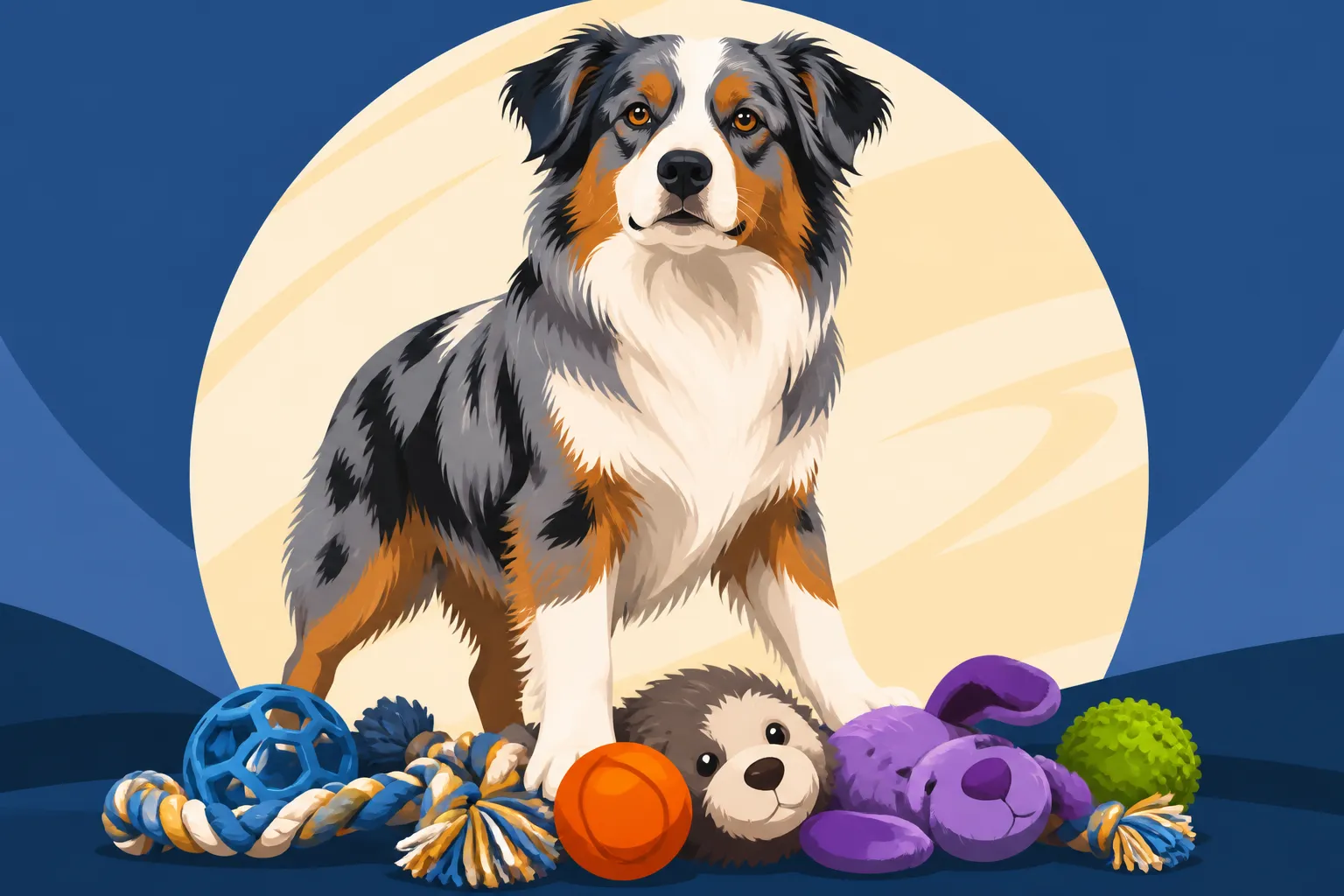
An Aussie Standing Over Its Toys
Many Australian Shepherd owners find themselves in a tricky situation when their otherwise sweet, intelligent dog suddenly becomes possessive over a favorite toy, stiffening, growling, or even snapping when someone approaches. This behavior can be confusing and frankly, a bit scary, leaving you wondering why your beloved companion is acting this way. This guide is dedicated to understanding why your Australian Shepherd might be standing over its toys and, more importantly, how to gently and effectively manage this behavior to ensure a safe and harmonious home for everyone.
Understanding Why Your Aussie Guards Its Toys
The Instinct of Resource Guarding in Herding Breeds
Australian Shepherds, with their strong working lineage, are naturally wired to protect resources. On a ranch, guarding food, territory, or even their flock was a matter of survival, ensuring their own well-being and the safety of what they were responsible for. This isn't about being "mean" or "dominant" in the human sense; it's a deep-seated instinct to control valuable items in their environment. When we bring these incredible dogs into our homes, a favorite squeaky ball or a prized chew bone can trigger this primal response just as intensely as a flock of sheep would for their ancestors. It's a fundamental part of who they are, not a personal slight against you.
Think about it from your Aussie's perspective: they have something incredibly desirable, and another being (you, a child, another pet) is approaching it. Their instinct screams, "Protect it!" This inherent drive is why you might see a dog that's otherwise a complete goofball suddenly transform into a rigid sentinel over a seemingly insignificant item. It's not a flaw in their character, but rather a manifestation of their genetic blueprint. Understanding this deep-rooted instinct helps us approach the behavior with empathy rather than frustration. We're dealing with a powerful, ingrained response, not a deliberate act of defiance.
This instinct can manifest differently depending on the individual dog and the item. Some Aussies might only guard high-value items like a special stuffed toy or a long-lasting chew, while others might extend this protection to any object they deem theirs at that moment, even a discarded sock. The intensity can also vary. A low-level guard might be a subtle stiffening of the body or a hard stare, while a more intense guard could involve growling, snapping, or even biting if the perceived threat escalates. Recognizing this spectrum is the first step to effective management.
Past Experiences and Learned Behavior
While instinct plays a huge role, an Australian Shepherd's past experiences can significantly shape how and why they guard resources. If a puppy was constantly bullied by littermates for food or toys, or if they had to fight for resources in a less-than-ideal early environment, they might develop a heightened sense of possessiveness. They learned that if they didn't protect what was theirs, it would be taken away. This can become a deeply ingrained habit that carries into their adult life, even in a loving home where resources are abundant. For these dogs, every approach feels like a potential theft.
Even in well-meaning homes, owners sometimes inadvertently reinforce resource guarding. Perhaps you've tried to take a toy away from your Aussie when they were guarding it, and they growled. If you then backed off, your dog learned that growling successfully made the "threat" (you) retreat. Each successful instance of guarding, no matter how minor, strengthens the behavior in their mind. They connect the dots: "I growl, they leave me alone, therefore growling works." This creates a difficult cycle to break, requiring careful re-training and a shift in how you interact around their prized possessions.
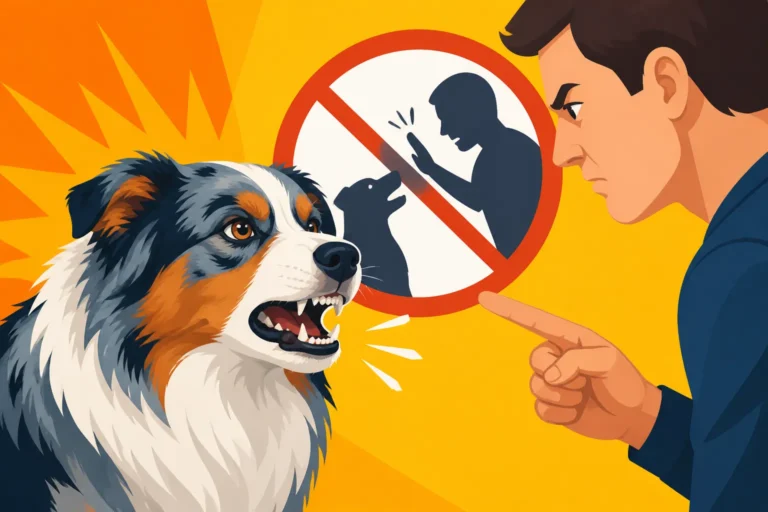
Conversely, some Aussies might have experienced being punished for guarding, leading to a suppression of warning signals like growling. This is incredibly dangerous, as it removes their primary way of communicating discomfort. A dog that has learned that growling leads to punishment might skip directly to a bite without any preceding warning, making interactions unpredictable and unsafe. It's vital to allow your Aussie to communicate their discomfort; growls are not "bad" behavior, but rather valuable information about their emotional state. Why You Should Never Punish an Aussie Growl is a crucial read for any owner dealing with this.
Underlying Anxiety or Insecurity
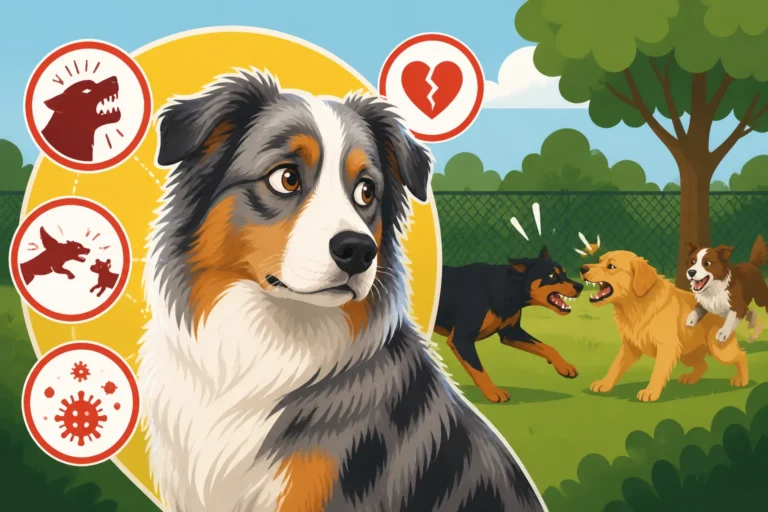
Sometimes, toy guarding isn't just about protecting a valuable item; it can be a symptom of deeper anxiety or insecurity. An Australian Shepherd that feels generally insecure in its environment, or unsure of its place within the family, might cling to objects as a source of comfort and control. This can be especially true for rescue Aussies who may have experienced abandonment or inconsistent care in their past. Their toys become their safe haven, the one thing they feel they have absolute control over, and any perceived threat to that control can trigger an intense reaction.
A dog suffering from general anxiety might be more prone to resource guarding because their baseline stress level is already elevated. Small triggers that wouldn't bother a confident dog can push an anxious Aussie over the edge. Factors like a chaotic home environment, lack of routine, insufficient exercise, or even certain medical conditions can contribute to overall anxiety. If you suspect your Aussie's guarding behavior stems from anxiety, addressing the underlying stress is paramount. This might involve creating a more predictable routine, providing safe spaces, or even consulting with your veterinarian to rule out medical causes.
Furthermore, a lack of confidence in their relationship with their human companions can also fuel insecurity. If an Aussie doesn't trust that their needs will be met, or if they've had inconsistent experiences with people taking things away unpredictably, they may feel compelled to guard. Building a strong, positive, and trusting relationship is fundamental. This means being predictable, fair, and consistently rewarding good behavior, making your Aussie feel secure enough to relax their guard.
Recognizing the Warning Signs of Toy Guarding
Subtle Cues Before a Confrontation
Resource guarding doesn't usually come out of nowhere; dogs give us plenty of signals before they resort to growling or snapping. The trick is learning to "read" your Australian Shepherd's body language. These subtle cues are your dog's way of saying, "I'm uncomfortable, please back off." Ignoring these early warnings forces your dog to escalate their communication. Look for signs like a stiffening of the body, freezing in place, a hard stare with dilated pupils, or whale eye (where you can see the whites of their eyes). Their tail might stop wagging or tuck slightly.
Another common subtle cue is a shift in posture. Your Aussie might lean over the toy, covering it with their body, or physically block access to it with a paw or their head. They might stop playing and become intensely focused on the item. You might also notice a slight tension around their mouth, a subtle pulling back of the lips, or even a quick lick of their nose. These are all attempts to communicate, "This is mine, and I'd prefer you didn't come closer." Learning to recognize these faint signals is critical for preventing escalation and maintaining a safe environment.
By paying attention to these early warnings, you can de-escalate the situation before it becomes confrontational. If you see these signs, it's a clear signal to increase distance, change direction, or offer a distraction without directly challenging your Aussie for the item. The goal is to acknowledge their communication and avoid pushing them to feel like they need to defend themselves more aggressively. It's a conversation, and the sooner you listen, the safer everyone will be.
Escalation: Growls, Snaps, and Bites
If the subtle cues are ignored, or if your Aussie perceives the threat to its resource as imminent and unavoidable, they will escalate their warnings. A growl is a direct verbal warning, a clear message saying, "I really need you to back off now." It's not an act of aggression in itself, but rather a final plea for space. Punishing a growl is extremely counterproductive, as it teaches your dog not to warn you, making future incidents more dangerous. Instead, view a growl as valuable information that tells you to stop whatever you're doing.
If the growl is ineffective, or if the perceived threat continues, an Aussie might escalate to a snap – a quick, air bite that doesn't make contact, or a snap that nips but doesn't break the skin. This is another step up the ladder of aggression, an even stronger warning that they are serious about defending their possession. A snap is a last-ditch effort to deter you without causing harm. It's a clear indication that your dog feels highly threatened and is close to feeling it has no other option.
The final and most dangerous escalation is a bite that makes contact and breaks the skin. This occurs when an Australian Shepherd feels that all other warnings have been ignored and their resource is still under threat. It's usually a bite born out of fear and the desperate need to create distance. If your Aussie has reached this stage, it's an urgent call to action, and professional intervention is absolutely necessary. This behavior is serious and requires immediate, consistent, and expert guidance to ensure the safety of everyone in the household.
Body Language Around Valued Items
Observing your Aussie's overall body language when they have a valued item can give you a comprehensive picture of their comfort level. A relaxed Australian Shepherd with a toy might play with it openly, drop it to solicit interaction, or even bring it to you to initiate a game. Their body will be loose, their tail might wag freely, and their eyes will be soft. This is the ideal state, indicating no possessiveness.
However, when an Aussie starts to guard, their entire demeanor changes. The body will become rigid, almost frozen. Their head might lower, covering the item, and their weight might shift forward, planting them firmly over their treasure. The tail, if not tucked, will often be held still or move with very short, stiff wags, not the broad, happy sweeps you normally see. Their ears might be slightly flattened or pulled back, signaling tension. Every muscle seems focused on protecting that one item.
Their focus will be intensely on the item and anyone approaching it. Their breathing might become shallow, and you might see their lips pulled back slightly, showing a hint of teeth, even if they're not growling yet. If you have another dog in the house, you'll likely notice the guarding Aussie positioning itself between the other dog and the toy, often with a hard stare or a low rumble if the other dog gets too close. Understanding these total body signals is key to intervening early and effectively.
Practical Strategies to Manage Toy Guarding
Building Trust and Positive Associations
The cornerstone of managing resource guarding is building a strong, trusting relationship with your Australian Shepherd. You want your Aussie to see your approach not as a threat to their possessions, but as a potential source of even better things. This is where positive association comes in. Start by approaching your Aussie when they have a low-value toy or are simply relaxing, and toss a high-value treat (like a piece of chicken or cheese) near them. Don't try to take the toy, just give them something wonderful for your presence. Repeat this many times. Your presence should predict good things, not loss.
Once they consistently look happy to see you approach with a low-value item, you can slowly work your way up. When they have a slightly more valued item, approach, toss a fantastic treat, and then immediately walk away. The key is to never take the item. You're teaching them, "When humans come near my stuff, they give me delicious things, and then they leave me and my stuff alone." This completely re-frames your interaction from a confrontational one to a rewarding one. Consistency is absolutely vital here; every positive experience chips away at their guarding instinct.
Consider incorporating a specific "drop it" command that is heavily rewarded. Teach this away from guarding situations, using low-value items. When your Aussie drops the item, immediately reward them with a super tasty treat, then give them the item back. This teaches them that dropping something leads to a reward and that they will get their item back. Over time, you can ask for "drop it" with slightly higher value items, always ensuring the reward is superior to what they dropped, and that they get their item back unless you are actively trading for something even better. Treats That Fit an Australian Shepherd Training Day will help you find those high-value rewards.
The "Trade Up" Method for Valued Objects
The "trade up" method is a powerful tool for safely removing a guarded item, but it requires careful execution and practice. The basic principle is to offer your Australian Shepherd something even more valuable than the item they are guarding. If they have a favorite squeaky ball, offer them a delicious, rare treat they adore – perhaps a small piece of cooked meat or a spoonful of peanut butter (if safe for dogs). Approach slowly, offering the treat as a distraction. As they take the treat, gently take the guarded item. Immediately give them the superior treat, and then give them back a different, equally high-value toy, or even the original toy after a few seconds, if safe to do so.
The goal is for your Aussie to enthusiastically choose the "trade-up" item. This reinforces the idea that letting go of what they have leads to something even better, not loss. Never force the trade or try to snatch the item, as this will only fuel their guarding instinct and erode trust. You're aiming for a willing exchange. Practice this regularly with various items, starting with low-value toys, so your Aussie learns the routine and expects a positive outcome. If you only practice when they are actively guarding, it will be much harder.
It's also crucial to have a designated "trade-up" item ready to go. This could be a specific type of treat they only get during trades, or a truly novel, exciting toy that's usually kept out of reach. Think of it as your secret weapon. For instance, if your Aussie is guarding a tennis ball, you might trade it for a piece of prime chicken. After they eat the chicken, you can often give the tennis ball back, or offer a different toy that's also highly valued. This strategy, when applied consistently, teaches them that your hands bring good things, even when they have something special. An Australian Shepherd That Will Not Hand Things Over provides more context for this specific scenario.
Managing the Environment to Prevent Incidents
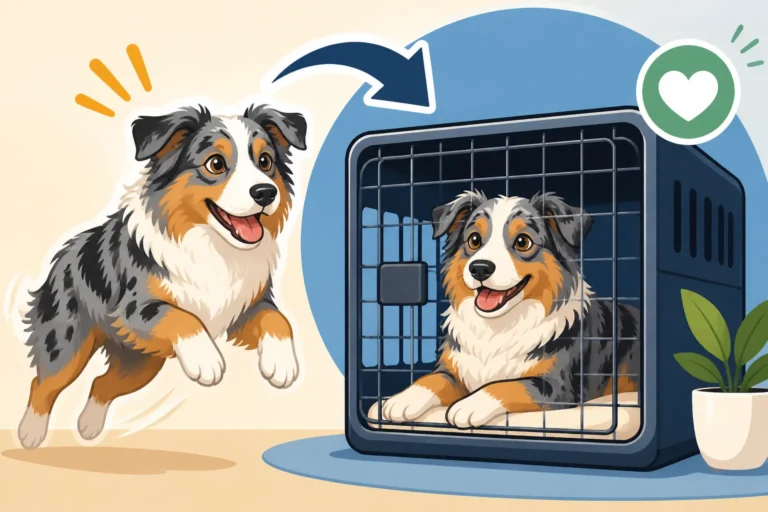
Prevention is always better than cure, especially with resource guarding. One of the most effective strategies is to simply manage your environment to prevent guarding situations from occurring in the first place. If your Australian Shepherd guards certain toys, pick them up when you can't actively supervise. Keep high-value chews or bones in a crate or a designated "safe zone" where your Aussie can enjoy them undisturbed, perhaps with a "do not disturb" cue. This means no one, human or animal, should approach them while they are in their safe space with their guarded item.
For households with children, this environmental management is absolutely essential for safety. Children, especially young ones, often don't understand dog body language and can inadvertently trigger a guarding response by trying to take a toy. Teach children never to approach a dog that is eating, sleeping, or playing with a toy. Implement strict rules about which toys are "dog toys" and which are "kid toys," and ensure they are kept separate. Investing in durable, engaging toys that can be rotated (perhaps from Amazon) can keep interest high without every single item becoming a high-stakes resource.
When feeding your Aussie, ensure they have a quiet, undisturbed place to eat. If you have multiple pets, feed them in separate rooms or use crates. This prevents competition for food, which can easily escalate into resource guarding. Remember, you're not trying to take away your Aussie's possessions; you're creating a structured environment where they don't feel the need to guard, fostering a sense of security around their belongings. Australian Shepherd Crates, Long Lines and Gear discusses crates as safe spaces.
Seeking Professional Guidance
While many minor cases of toy guarding can be managed with consistent positive reinforcement and environmental changes, if your Australian Shepherd's guarding behavior involves growling, snapping, or biting, it is imperative to seek professional guidance immediately. This is not a behavior to try and "fix" on your own, as mishandling it can make the problem significantly worse and potentially dangerous. A certified professional dog trainer or a veterinary behaviorist has the expertise to assess the root cause of the guarding and develop a safe, effective, and individualized training plan.
A professional will be able to observe your Aussie's specific body language, evaluate the triggers, and rule out any underlying medical conditions that might be contributing to the behavior. They can guide you through desensitization and counter-conditioning protocols, helping your dog change their emotional response to people approaching their items. They'll also teach you how to interact safely with your dog, preventing further incidents while you work through the training. Look for trainers who use positive reinforcement methods, as aversive techniques can exacerbate fear and guarding.
Don't wait for the behavior to escalate to a bite before seeking help. Early intervention is always best. A qualified professional can provide you with the tools and confidence you need to manage this challenging behavior, helping you and your Australian Shepherd build a safer, happier relationship. Organizations like the Certification Council for Professional Dog Trainers (CCPDT) or the American College of Veterinary Behaviorists (ACVB) can help you find qualified experts in your area. This is a situation where investing in expert help is truly priceless. Finding a Trainer Who Understands an Aussie is a great resource for this step.
Long-Term Management and Prevention
Consistent Training and Reinforcement
Managing toy guarding isn't a one-and-done solution; it's an ongoing process that requires consistent training and reinforcement throughout your Australian Shepherd's life. This means regularly practicing the "trade up" game, even when there's no active guarding. Make it a fun, low-pressure interaction where your Aussie willingly gives up an item for a treat, knowing they'll often get the item back or an even better one. Consistency builds strong positive associations, reinforcing the idea that you are a giver, not a taker.
Continue to teach and reinforce a reliable "drop it" or "leave it" command. Practice these commands in various environments and with different levels of distraction, always making sure the reward is highly appealing. The goal is for your Aussie to see these commands as opportunities for reward, not as demands to give something up. The more consistently you practice, the more ingrained these responses become, making them reliable tools in actual guarding situations. Remember, patience and repetition are key to long-term success with an intelligent breed like the Australian Shepherd.
Beyond specific commands, consistently engage your Aussie in cooperative care and handling exercises. This includes gently checking their paws, ears, and mouth, rewarding them heavily for their compliance. This builds their comfort with being handled and reduces the likelihood of guarding their body or sensitive areas. Use treats and praise to make every interaction a positive one, reinforcing their trust in you. Consider online courses from platforms like BAXTER & Bella which often provide structured training programs for impulse control and polite interactions around resources.
Enriching Your Aussie's Environment
A bored or under-stimulated Australian Shepherd is more likely to develop behavioral issues, including resource guarding, as they seek ways to control their environment or find an outlet for their energy. Ensuring your Aussie's environment is rich with appropriate mental and physical enrichment can significantly reduce the likelihood of guarding behavior. This means more than just throwing a ball in the yard; it means providing engaging activities that tap into their natural intelligence and working drive.
Puzzle feeders (which you can find on Amazon) are excellent for mental stimulation, turning mealtime into a challenging game. Scent work, where your Aussie uses its nose to find hidden treats or toys, is incredibly tiring and rewarding for them. Regular training sessions, even short ones, that focus on new tricks or obedience cues, keep their minds engaged. Puzzle Feeders and Enrichment Gear for an Aussie offers more ideas for keeping their brains busy. The goal is to provide enough appropriate outlets for their energy and intelligence that they don't feel the need to create their own "jobs" by guarding.
Beyond mental enrichment, ensure your Australian Shepherd receives adequate physical exercise appropriate for their age and health. Daily walks, runs, hikes, or play sessions that allow them to burn off energy are crucial. Remember that the type of exercise matters just as much as the duration; a brisk walk around the block is different from a vigorous game of fetch or a session of agility. A truly tired Aussie is a well-behaved Aussie, less likely to feel anxious or possessive. Building an Aussie Exercise Routine can help you design a balanced program.
Addressing the Root Cause Through Lifestyle Changes
Sometimes, toy guarding is a symptom of a larger issue. For example, an Australian Shepherd who is constantly anxious or stressed might be more prone to guarding. Addressing these underlying anxieties through lifestyle changes can have a profound impact on resource guarding. This might involve creating a more predictable daily routine, ensuring your Aussie has a quiet, safe "den" where they can retreat, or minimizing chaotic situations that trigger stress. If your Aussie is easily startled by noises, working on sound desensitization could help.
If your Aussie exhibits guarding behavior consistently or across many different resources, it's worth taking a holistic look at their overall well-being. Are they getting enough sleep? Is their diet appropriate and balanced? Are there any medical issues contributing to discomfort or irritability? Sometimes, even subtle pain can make a dog more likely to guard as they feel vulnerable. A visit to your veterinarian for a thorough check-up is always a good idea to rule out any health concerns.
Ultimately, long-term management of resource guarding is about creating an environment where your Australian Shepherd feels safe, secure, and understood. It's about building an unshakeable bond based on trust and positive interactions. When your Aussie truly believes that you are a benevolent provider, and that letting go of an item means even better things are coming, the need to guard often dissipates. This isn't about dominance; it's about partnership and respect, allowing your intelligent Aussie to thrive without feeling constantly on guard.
| Resource Guarding Indicators | Description | Action to Take |
|---|---|---|
| Subtle Cues | Freezing, stiff body, hard stare, whale eye, low head, covering item with body. | Increase distance, change direction, avoid direct eye contact, offer a high-value distraction from a distance (toss a treat away). |
| Vocal Warnings | Growling, low rumbling, snarling. | IMMEDIATELY stop approach/action, back away calmly, allow space. Do NOT punish growling. Consider "trade up" if safe, or simply leave the area. |
| Physical Warnings | Snapping (air bite), nipping (light contact without breaking skin), lip lifting, showing teeth. | Stop all interaction, create distance, leave the dog alone with the resource. Seek professional help immediately. This is a serious escalation. |
| Biting | Contact bite that breaks the skin or causes injury. | Ensure safety of all humans and other pets. Seek professional help immediately. This behavior requires expert intervention. |
| Relaxed Play | Loose body, wagging tail, dropping toy to solicit play, bringing toy to owner, soft eyes. | Engage in positive play, reinforce "drop it" with treats, continue building positive associations. |
Disclaimer
This article is for general informational purposes only and does not constitute professional advice. Laws, prices and regulations vary by location and change over time. Consult a qualified professional for guidance on your specific situation.