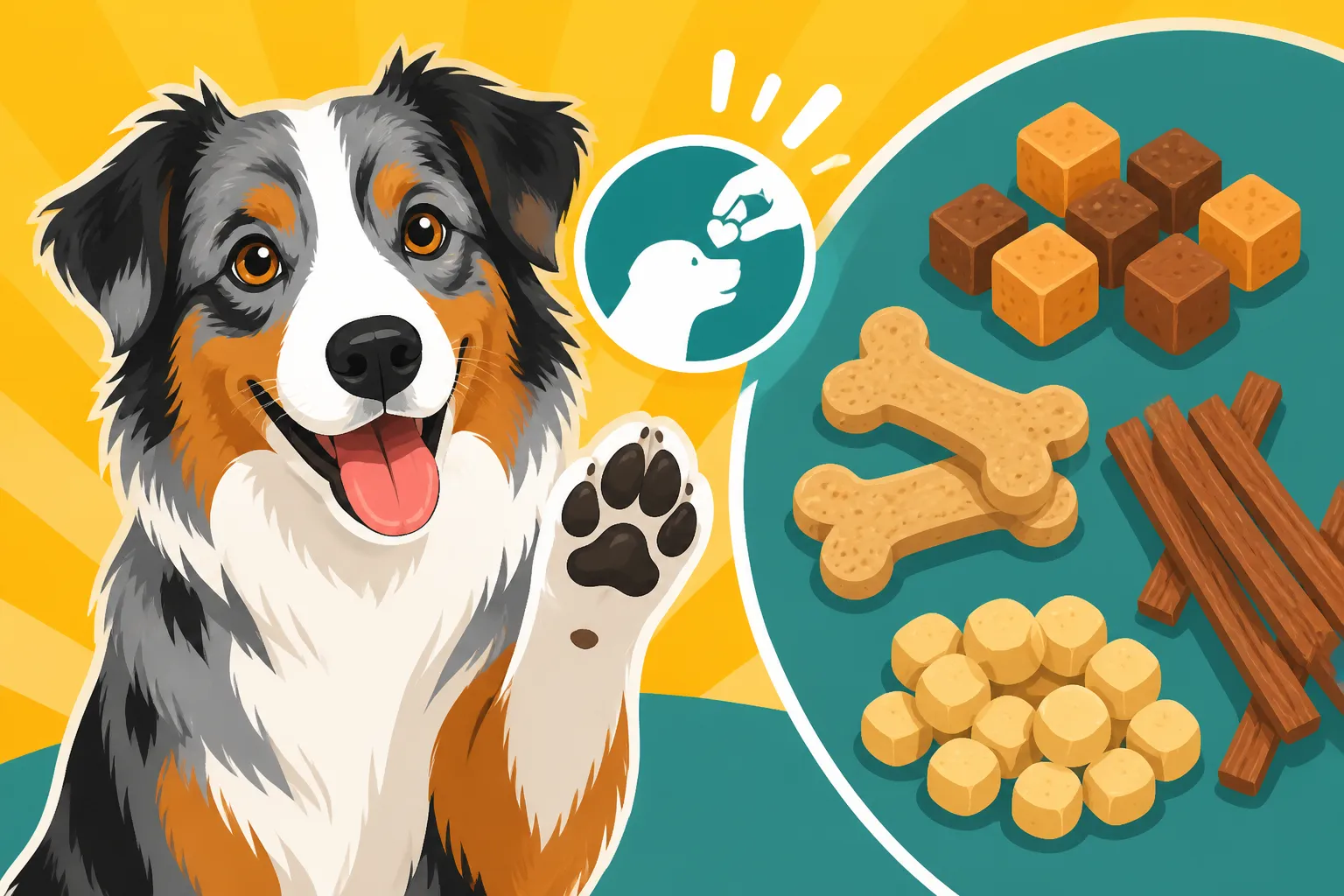
Treats That Fit an Australian Shepherd Training Day
It’s a common scenario: you’ve got this incredibly smart, driven Australian Shepherd, full of potential, but when it comes to training, you feel like you’re competing with every leaf, squirrel, or distant sound for their attention. The right treat isn't just a snack; it's a powerful motivator, a communication tool, and the key to unlocking consistent focus in your high-energy Aussie. This guide will walk you through selecting the perfect training treats that not only keep your Australian Shepherd engaged but also support their health and high-octane lifestyle without adding unwanted pounds or causing digestive woes.
Understanding the Australian Shepherd's Unique Training Needs
Australian Shepherds are not your average couch potatoes; they are intelligent, high-drive working dogs with a history of critical thinking and problem-solving. This means their motivation during training needs to be equally high-caliber. What works for a less driven breed might barely register as a reward for an Aussie, especially when distractions are abundant.
The High Drive and What It Means for Treats
Your Australian Shepherd's intense herding drive and boundless energy are incredible assets, but they also mean that "good enough" treats often aren't good enough. A bland, dry biscuit might get a polite sniff in a quiet living room, but take that same biscuit to a busy park or a trial ground, and your Aussie will likely choose to "work" the environment instead of you. They need something that genuinely excites them, something that says, "This is worth turning away from that thrilling squirrel chase or ignoring the dog barking three fields over."
This isn't about spoiling them; it's about leveraging their natural instincts and intelligence. A high-value treat acts as a beacon, cutting through distractions and reaffirming that engaging with you is the most rewarding choice available. It helps to forge that crucial connection, even when their instincts are screaming for them to be elsewhere. The goal is to make eye contact, a quick "check-in," or a complex maneuver feel like hitting the jackpot.
Focus and Engagement in Training Sessions
For an Australian Shepherd, training isn't just about learning commands; it's a mental workout, a puzzle to solve. They thrive on engagement and mental stimulation. The right treat enhances this engagement, keeping their minds sharp and their attention locked onto you. Think of treats as mini-bonuses that confirm they're on the right track, fueling their desire to continue learning and performing.
However, consistency is key. If your Aussie gets a fantastic treat one day and a mediocre one the next for the same effort, their enthusiasm can wane. They quickly learn the value of their rewards. Establishing a hierarchy of treats – from everyday motivators to super high-value rewards for challenging tasks – helps maintain that eager focus. This graduated reward system allows you to tailor the treat to the difficulty of the task and the level of distraction present, ensuring they remain invested in every session.
What Makes a Great Training Treat for an Aussie
Choosing the right treat isn't as simple as grabbing the first bag you see. For an Australian Shepherd, several factors play a crucial role in how effective a treat will be in a training scenario. It needs to be appealing, practical, and healthy.
Size and Texture for Quick Consumption
One of the most frustrating things in a training session is having your dog take ages to chew and swallow a treat, breaking their focus and holding up the flow. For an Aussie, who learns quickly and moves fast, treats need to be small and easy to consume. We’re talking pea-sized or smaller. This allows for rapid-fire repetitions, which are essential for solidifying new behaviors.
Soft, chewy textures are often preferred because they can be swallowed almost instantly, without crunchy crumbs or lengthy chewing. This means your dog can quickly return their attention to you for the next cue. Harder treats, while sometimes palatable, can slow down your training momentum significantly. Think about treats that can be easily broken into smaller pieces if they come in larger sizes, or even those that can be smeared, like peanut butter (xylitol-free, of course) or cream cheese, for sustained licking on a lick mat during a "place" command.
The All-Important Smell Factor
A dog's world is largely governed by scent, and for a herding breed like the Australian Shepherd, their nose is a powerful tool. A treat that smells incredibly appealing to them is often more motivating than one that looks good to us. The stronger the smell, the better it can cut through environmental distractions and grab their attention, especially in busy outdoor settings.
Think about strong-smelling ingredients like liver, cheese, salmon, or even certain savory vegetable purees. These aromas activate their drive in a way that dry, low-odor kibble simply can't. You might even find that a treat your Aussie normally ignores indoors becomes highly desirable outdoors if it has a potent aroma. When you're working on advanced commands or recall around high distractions, smell can be your secret weapon.
Palatability: Taste and Appeal
Beyond size and smell, a treat simply has to taste good to your Australian Shepherd. Palatability is about how much your dog enjoys the treat. Some dogs are picky, while others are food motivated no matter what you offer. Aussies, with their discerning intelligence, often appreciate variety and quality. If a treat is not truly delicious, its motivational power will quickly diminish.
Experimenting with different flavors and protein sources is key. What one Aussie goes wild for, another might turn up their nose at. Consider what they usually love – is it chicken, beef, fish, or something more unique like venison? The goal is to find their "jackpot" treat, something they are willing to work hard for and consider a truly valuable reward. This will make your training sessions more productive and enjoyable for both of you.
Types of Training Treats for Your Australian Shepherd
The market is flooded with various treats, but not all are created equal, especially when it comes to training a high-energy Australian Shepherd. It’s helpful to understand the different categories and how they might fit into your training routine.
Soft, Chewy Treats
Soft, chewy treats are often the holy grail for training sessions because of their quick consumption. They're typically small, can be broken into even tinier pieces, and are easy for your Aussie to gobble down without much chewing, keeping the training momentum going. These treats usually come in a variety of meat or cheese flavors, making them highly palatable for many dogs.
Look for brands that prioritize real meat as the first ingredient and avoid excessive artificial colors, flavors, or fillers that might upset sensitive Aussie stomachs. Many popular dog food brands offer lines of soft training treats. You might find a fantastic selection of single-ingredient freeze-dried treats on Chewy, which often have a great soft texture once rehydrated slightly by saliva, or if they are naturally crumbly. Keep an eye on ingredient lists, especially if your Aussie has known allergies. Food Allergy Itching in an Australian Shepherd is a real concern and can derail training if not addressed with appropriate treat choices.
Freeze-Dried or Dehydrated Meats
These types of treats are often considered high-value because they are typically single-ingredient, highly concentrated protein sources. Freeze-dried or dehydrated liver, chicken, salmon, or beef lung are incredibly potent motivators due to their intense aroma and natural flavor. They are usually crunchy but dissolve quickly, especially if they are cut into small pieces.
The benefit of these treats is their purity and lack of fillers, making them a great option for Aussies with sensitive digestive systems or those on limited-ingredient diets. You can often find large bags of these online via Amazon or at specialty pet stores, giving you plenty to break down into smaller, training-appropriate morsels. While they might be a bit pricier per bag, their high value often means you can use smaller quantities to get the desired effect, making them cost-effective in the long run.
Homemade and Human-Grade Options
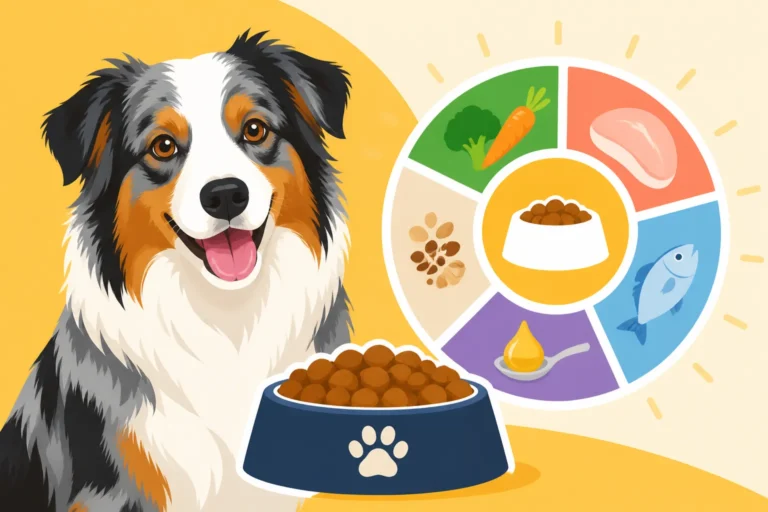
For many Australian Shepherd owners, controlling ingredients is paramount, whether due to allergies, specific dietary needs, or simply a desire for the healthiest options. Homemade treats give you complete control over what goes into your Aussie's mouth. Simple cooked chicken breast, boiled beef liver, cheese cubes, or even small pieces of carrot or green bean can be fantastic, low-calorie training rewards.
For those who prefer human-grade, fresh options, companies like Ollie offer subscription services that can include very palatable, healthy options, portions of which could easily be used as high-value training rewards. Remember that Home Cooking for an Aussie and the Balance Problem is a critical consideration if you're making a significant portion of their diet from scratch, but for treats, it's generally safe to use single-ingredient items. Always ensure any human food you offer is safe for dogs and free from toxic ingredients like xylitol, onions, or garlic.
Dental Chews and Longer-Lasting Rewards
While not ideal for rapid-fire training repetitions, certain dental chews or longer-lasting, lower-calorie chews can be invaluable for specific training scenarios, particularly those requiring sustained focus or relaxation. Think about "place" command training, crate training, or helping your Aussie settle in a new environment. A dental chew given as a reward for staying calmly on their mat can reinforce the behavior over a longer period.
When choosing these, consider their calorie content and composition, especially if your Aussie is prone to weight gain. Many larger dental chews are high in calories and should be accounted for in their daily intake. Opt for highly digestible options and supervise your Aussie to ensure they don't try to swallow large pieces. These are excellent for winding down after an intense training session or providing mental enrichment.
Portion Control and Calorie Counting for Active Aussies
It's easy to get carried away with treats during an enthusiastic training session, but Australian Shepherds, despite their high energy, are not immune to weight gain. Every treat contributes to their daily caloric intake, and an overweight Aussie is at higher risk for joint problems like hip and elbow dysplasia, as well as other health issues. Australian Shepherd Weight Control on a Working Frame is crucial for their longevity and athletic performance.
Calculating Daily Calorie Needs
The first step in responsible treat-giving is understanding your Australian Shepherd's daily caloric needs. This depends on their age, activity level, metabolism, and whether they are spayed or neutered. A young, intact working Aussie will burn far more calories than an older, spayed pet Aussie with a more sedentary lifestyle. Your veterinarian is the best resource for determining an accurate baseline. They can help you calculate the ideal daily calories to maintain your Aussie's healthy weight.
Once you have this number, you must factor in all calories consumed, not just their main meals. Treats, chews, and even food used in puzzle toys all add up. For example, Daily Calories for a Fifty Pound Australian Shepherd can be anywhere from 1,000 to 1,500 calories or more, depending on their activity. If 10-20% of those calories come from treats, you need to adjust their main meal portions accordingly. This careful accounting ensures you’re not inadvertently overfeeding your energetic companion.
Adjusting Main Meals for Treats
Once you've calculated the approximate calories from treats given during training or throughout the day, you need to subtract that amount from your Aussie's main meal portions. This is a critical step that many owners overlook. If you feed your Aussie their regular breakfast and dinner plus a generous handful of training treats, you’re likely exceeding their daily needs.
For instance, if your Australian Shepherd's daily caloric allowance is 1200 calories, and you give 200 calories worth of treats, their meals should only total 1000 calories. This might mean slightly reducing the amount of kibble or wet food you offer at each feeding. It sounds tedious, but it's vital for maintaining a healthy weight. Many owners find it helpful to weigh their dog's food with a kitchen scale for precision, as scooping can be inconsistent. Regularly assessing your Aussie's body condition by hand, checking for ribs and a tucked waist, will also help you make small, necessary adjustments. Feeding a Fifty Pound Australian Shepherd properly involves continuous monitoring.
Low-Calorie Alternatives
Not every treat needs to be a calorie bomb. For routine training, particularly if you do many repetitions, incorporating low-calorie alternatives can be a game-changer. Small pieces of raw carrot, green beans, apple (without seeds), or even air-popped plain popcorn can be surprisingly motivating for some Aussies and provide a fraction of the calories of commercial treats.
Another excellent strategy is to use a portion of your Aussie's daily kibble ration as training treats. This is especially effective if your dog loves their kibble and you’re training in a low-distraction environment. This way, you're not adding any extra calories to their diet, simply distributing them differently. Always remember to check The Label Details That Matter for an Aussie on any commercial treat or food product, paying attention to calorie counts and ingredient quality.
Treats for Specific Training Scenarios
Not all training situations are created equal, and neither should your treats be. What works wonders for a simple "sit" in your living room might be completely ignored when your Australian Shepherd is faced with a high-excitement scenario. Developing a treat hierarchy is incredibly useful.
High-Distraction Environments
When you're working in a high-distraction environment – think a dog park, a busy street, or even a new agility venue – your treats need to be the absolute "gold standard." These are your Australian Shepherd's favorite, most irresistible treats, the ones they would do almost anything for. The smellier and more palatable, the better. This is where those tiny pieces of cooked chicken, cheese, or freeze-dried liver truly shine.
The idea is to make the reward for focusing on you more valuable than the distraction itself. If you're struggling to get your Aussie's attention, it’s not because they’re stubborn; it’s likely that your reward isn't compelling enough to overcome the competing environmental stimuli. Don't be afraid to pull out the big guns for these moments. This is how you build a solid Australian Shepherd Recall Around Moving Things or get them to ignore other dogs when on a leash.
Low-Distraction Settings
For training in low-distraction environments, like your quiet home or a familiar, calm yard, you can scale back your treat value. This is where your Aussie's regular kibble, small commercial treats, or even very low-calorie options like small pieces of veggies can come into play. These "everyday" treats are perfect for maintaining engagement during basic obedience refreshers, teaching new simple commands, or practicing tricks.
The goal here is to keep motivation consistent without overfeeding or desensitizing your Aussie to your highest-value rewards. It’s important to vary your treats even in these settings to keep things interesting and prevent your dog from getting bored. Using a mix of kibble and occasional higher-value items can help keep them guessing and engaged, proving that Trick Training as Aussie Mental Work can be fun and rewarding.
Sustained Focus and Relaxation Rewards
Sometimes, training isn't about rapid repetitions but about sustained focus, calm behavior, or building duration for commands like "stay" or "place." For these scenarios, a longer-lasting, engaging treat can be incredibly effective. A small, digestible chew or a lick mat smeared with dog-safe peanut butter or plain yogurt can reward quiet, settled behavior over several minutes.
These types of rewards are particularly useful for helping an Australian Shepherd learn to relax in a crate, settle down during quiet time, or manage anxiety in specific situations. They provide mental enrichment and a satisfying activity that reinforces the desired calm state. When choosing these, remember to consider the calorie content and adjust their daily food intake accordingly. Puzzle Feeders That Slow an Australian Shepherd are also fantastic for this, making your dog work for their food and engaging their brain in a calming way.
| Treat Type | Pros | Cons | Best Use | Calorie Density (General) |
|---|---|---|---|---|
| Soft, Chewy Treats | Quick consumption, highly palatable, easy to break | Can be high in calories, some contain fillers | Rapid-fire obedience, focus work, puppy training | Medium to High |
| Freeze-Dried Meats | Single ingredient, high aroma, very high value | More expensive, can be crumbly, strong smell can linger | High-distraction environments, recall, complex commands | Medium to High |
| Homemade/Cooked Meats | Full ingredient control, very high value, fresh | Requires prep time, can be messy, needs refrigeration | Special rewards, allergy-friendly training, specific diets | Medium to High |
| Kibble (Daily Ration) | Zero added calories, familiar, convenient | Lower value for many Aussies, less exciting | Low-distraction settings, basic obedience refreshers, puzzle toys | Low to Medium |
| Veggies/Fruits | Very low calorie, healthy, crunchy | Not all Aussies love them, minimal aroma | Low-calorie snacks, supplemental rewards, dental health | Very Low |
| Dental Chews/Long Chews | Sustained engagement, can aid dental health | High in calories, not for rapid-fire, potential choking risk | Duration work (place, stay), crate training, relaxation | Medium to High |
Where to Find the Best Aussie Training Treats
Finding the right treats can sometimes feel like a quest, but with a clear understanding of what your Australian Shepherd needs, you can navigate the options effectively.
Commercial Pet Stores and Online Retailers
For convenience and variety, commercial pet stores and major online retailers like Chewy and Amazon are excellent starting points. These platforms offer an enormous selection, from popular brands to niche, limited-ingredient options. When browsing, filter by ingredient type (e.g., single protein, grain-free), and always read customer reviews, especially those from owners of active or sensitive dogs.
Look for treats specifically marketed as "training treats," which usually indicates they are smaller and softer. Pay close attention to ingredient lists to avoid common allergens if your Aussie has sensitivities, a factor important for preventing Food Allergy Itching in an Australian Shepherd. Many brands now offer high-quality, natural options that are free from artificial preservatives, colors, and flavors, which is ideal for a healthy Aussie.
Specialty Pet Boutiques and Local Markets
If you’re looking for unique, high-quality, or locally sourced options, specialty pet boutiques and farmers' markets can be fantastic resources. These places often carry smaller brands that focus on human-grade ingredients, organic produce, or novel proteins that might be perfect for an Aussie with specific dietary needs. You might find dehydrated single-ingredient jerky from local producers or artisanal baked treats.
The staff at these stores are often highly knowledgeable and can provide personalized recommendations based on your Aussie’s breed, activity level, and any health concerns. They can also be a great source for fresh, bulk ingredients if you're interested in making your own healthy treats at home.
DIY and Fresh Food Options
As mentioned earlier, preparing your own treats gives you complete control. Simple options like boiled chicken or beef liver cut into tiny pieces are incredibly high-value, cost-effective, and free of any questionable ingredients. You can also experiment with pureed pumpkin or sweet potato baked into small, chewy bites. Just be sure to avoid any toxic ingredients.
For very high-value, human-grade food items, consider incorporating small portions of cooked lean meats or certain cheeses from your own kitchen, always in moderation and with awareness of your Aussie’s caloric intake. Remember, for daily training, variety and appropriate portions are key to keeping your Australian Shepherd engaged and healthy. Treats That Fit an Australian Shepherd Training Day should be part of a balanced diet.
Disclaimer
This article is for general informational purposes only and does not constitute professional advice. Laws, prices and regulations vary by location and change over time. Consult a qualified professional for guidance on your specific situation.